REVIEW · ERCOLANO
Ercolano: Herculaneum Entry Ticket with Optional Audio Guide
Book on GetYourGuide →Operated by GetYourGuide Tours & Tickets GmbH · Bookable on GetYourGuide
Herculaneum hits you fast—this town is basically frozen in time. What makes this experience special is that the eruption didn’t just destroy the place. It sealed everyday details under ash, and you can still see structures, objects, even human remains, all in a site small enough to actually process. I like that the ticket gets you direct entry to the archaeological area and lets you wander at your own pace, and I also like the option of an audio guide (digital app or a physical device) to help you make sense of what you’re seeing. One consideration: the audio experience can be a bit uneven, so if you want tight navigation and constant context, you may prefer adding a live guide.
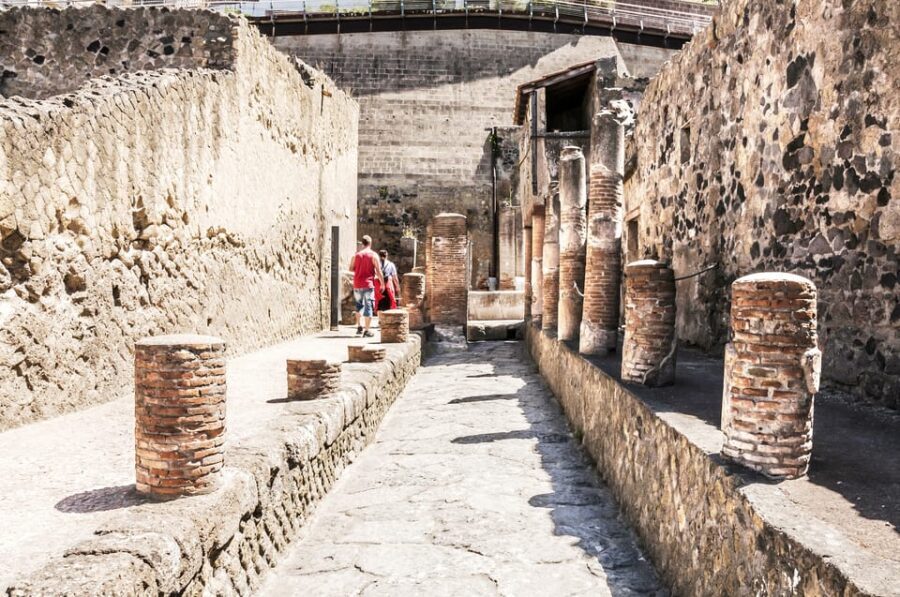
This is also one of those rare ruins where you don’t feel like you’re rushing between random highlights. You’re walking cobbled streets, stopping at intact buildings, and mentally placing yourself in daily Roman life before 79 AD. The site’s preservation is the draw, but it also means you’ll get more out of it if you slow down and look closely at rooms, fixtures, and wall art as you pass.
In This Review
- Key takeaways at a glance
- Why Herculaneum feels different from other Roman ruins
- Ticket value: what’s included in the $21 entry price
- Timing that matters: seasonal hours and last entry rules
- Redeeming your voucher: easy entry when you know where to stand
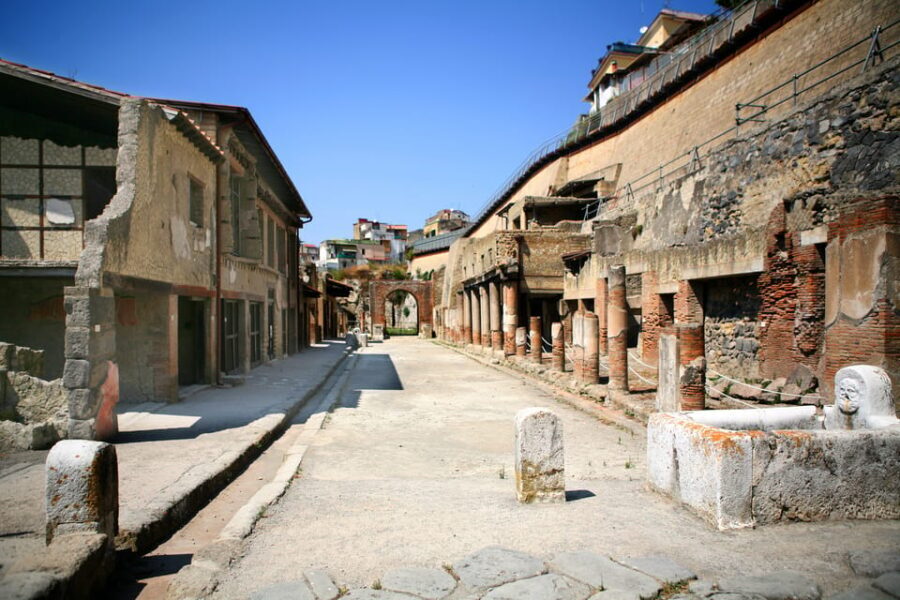
- Walking the cobbled streets at your own pace
- Inside the preserved homes: roofs, doors, beds, and lived-in detail
- Frescoes, artifacts, and the 79 AD story in human terms
- Shops, public gymnasium, and swimming baths you can still recognize
- The audio guide reality check: app vs physical device
- What to pack and how to plan your day
- Who should book this self-guided entry
- Should you book Ercolano: Herculaneum entry with optional audio?
- FAQ
- How do I redeem the ticket?
- Does the entry include an audio guide?
- What languages are available for the audio guide?
- Where can I start the visit?
- How long is the ticket valid?
- What are the opening hours?
- Is a guided tour included?
- What should I wear?
- Can I cancel the booking for a refund?
Key takeaways at a glance
- Herculaneum’s preservation makes it feel personal, not just impressive.
- Your own pace works well here because there’s a lot to stop and stare at.
- Audio guide options let you choose between a smartphone app or a physical device.
- Smaller than Pompeii means you can likely cover more meaningful stops without feeling overwhelmed.
- Shade and indoor coverage are real advantages in hot months, since much of the viewing happens under roofs and in buildings.
Why Herculaneum feels different from other Roman ruins

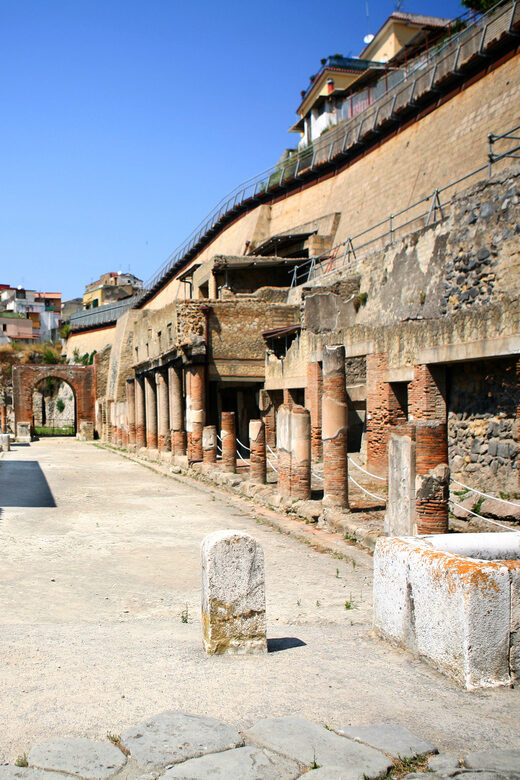
If you’ve only visited Pompeii style sites, Herculaneum is the “oh wow” correction. It’s a UNESCO World Heritage Site and a late-Roman snapshot where everyday spaces survive with unusual clarity. You’re not just looking at foundations—you’re seeing roofs, beds, doors, and artifacts that stayed in place for nearly 2,000 years.
What I love about this kind of site is how the details shape your imagination. In Pompeii, the scale can push you into a checklist mode. In Herculaneum, the smaller footprint lets you notice patterns: how people moved through a house, what rooms were for, how daily routines played out. It’s still tragic, but it’s also vivid.
And the emotional weight isn’t theoretical. The town was buried under ash after Vesuvius erupted in 79 AD, and the preserved remains add a human layer that’s hard to shake once you’ve seen them in context.
You can also read our reviews of more tours and experiences in Ercolano


Ticket value: what’s included in the $21 entry price
This ticket is designed for self-guided visiting, not a led tour. At about $21 per person, you’re paying for admission to the Herculaneum archaeological area plus the option of an audio guide.
Included:
- Entry ticket
- Digital audio guide app (English, French, Italian, Spanish)
- Physical audio guide device if you select that option
Not included:
- Guided tour
- A 10% Hard Rock Shop discount in Via dei Brunelleschi (not part of your ticket)
So the value question is simple: do you want to do most of the interpretation yourself? If yes, the audio guide can carry a lot of the explanation. If no, you may still buy the entry ticket and then hire a real guide for the parts you care about most. One hint from visitor feedback: an audio-only approach can be great for overview and atmosphere, but it may not satisfy history buffs who want tight, room-by-room storytelling.
Timing that matters: seasonal hours and last entry rules

You have one day to use the ticket, but the site runs on strict hours. Plan around the seasonal schedule so you don’t end up watching the clock instead of the ruins.
From March 16 to October 14:
- Open 9:30 AM–7:30 PM
- Last admission 6:00 PM
- You must leave the archaeological area by 7:00 PM
From October 15 to March 15:
- Open 8:30 AM–5:00 PM
- Last admission 3:30 PM
- You must leave by 4:40 PM
Practical move: arrive earlier rather than later. Not because the ruins change, but because your attention gets better when the site isn’t shrinking around you.
Also, wear comfortable shoes. The streets are cobbled, and you’ll walk more than you think—even if you’re not trying to “cover everything.”
Redeeming your voucher: easy entry when you know where to stand
The ticket redemption is straightforward. You redeem your mobile voucher by showing it at the online ticket desk on site.
A small but real tip: if you’re using your phone, keep your voucher ready before you hit the ticket desk area. Some people struggle just long enough to miss their ideal start time.
If you’re the type who likes a quick plan, give yourself 15–20 minutes at the site for orientation. You’ll use that time to spot the audio setup point, grab your bearings, and decide which buildings you want to return to later.
Walking the cobbled streets at your own pace
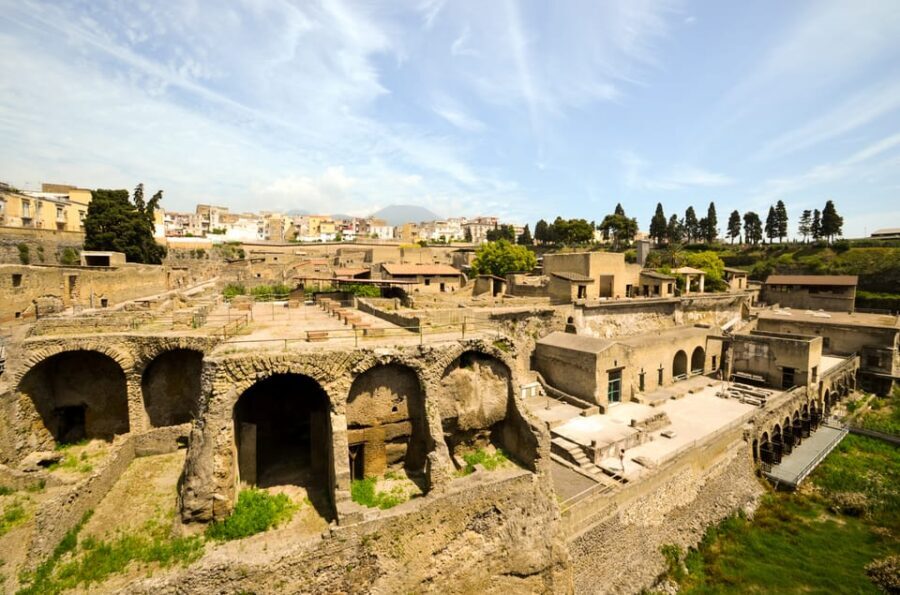
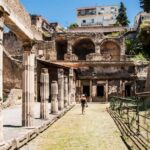
Here’s the thing about Herculaneum: the route isn’t just movement. It’s part of the storytelling. You’re walking through an ancient town layout that still reads like a city, not just an exhibit.
Expect:
- Cobbled streets that feel built for foot traffic
- Intact structures that shape how you imagine daily life
- A natural rhythm of stops—houses, rooms, and outdoor spaces appearing as you go
Because this is self-guided, you control how you spend your time:
- If you like architecture, you’ll probably linger longer at doorway shapes, wall finishes, and room layouts.
- If you like daily life, you’ll likely focus on what people used these spaces for (shops, bathing areas, and social spaces).
One of the big wins here is that the site doesn’t force you into a single route. You can pause when something catches your eye, then move on without asking anyone permission.
You can also read our reviews of more guided tours in Ercolano


Inside the preserved homes: roofs, doors, beds, and lived-in detail

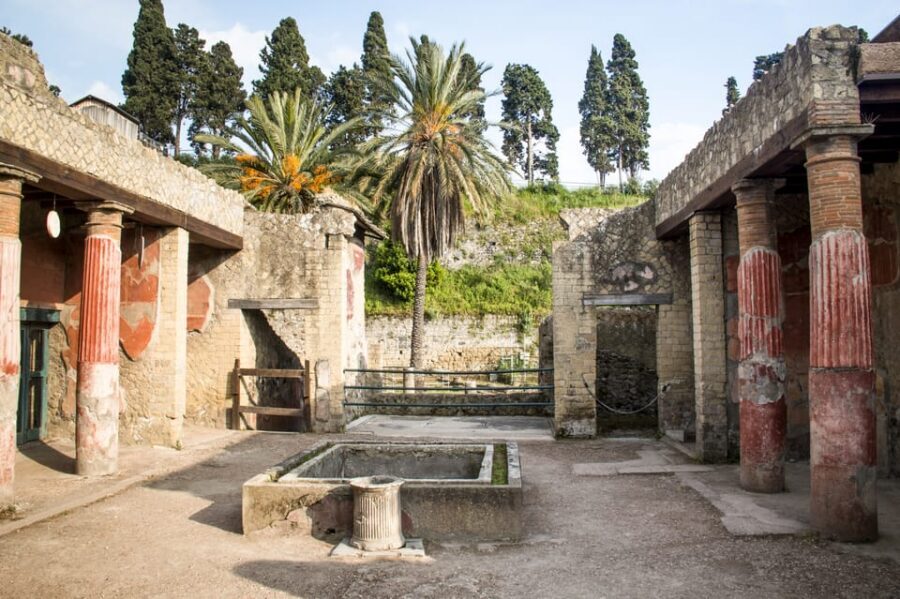
The main value of Herculaneum is preservation you can actually see. This is where the site earns its reputation. The ash burial preserved everyday objects and spaces, including roofs, beds, doors, and food, along with human remains.
When you enter preserved buildings, slow down just a bit. You’re not only looking at what’s there—you’re learning how the building functioned. Doorways matter. Room divisions matter. Fixtures matter. Even if you don’t know Roman terminology, your brain will connect the dots because the spaces are recognizable.
I like this approach because it changes ruins from scary distance to human scale. You start thinking like a resident: where you’d sit, how you’d store goods, how a family would move through the day.
If you’re visiting in hot months, you’ll also appreciate that shade exists in and around the structures. One practical note from visitor experience: shade under roofs and within buildings can make the walk feel manageable in summer.
Frescoes, artifacts, and the 79 AD story in human terms
Herculaneum isn’t only visuals; it’s context. The preservation includes frescoes and artifacts, and you can piece together what daily rituals might have looked like. This is where the audio guide can help most, since it’s easy to see the surface and miss the meaning.
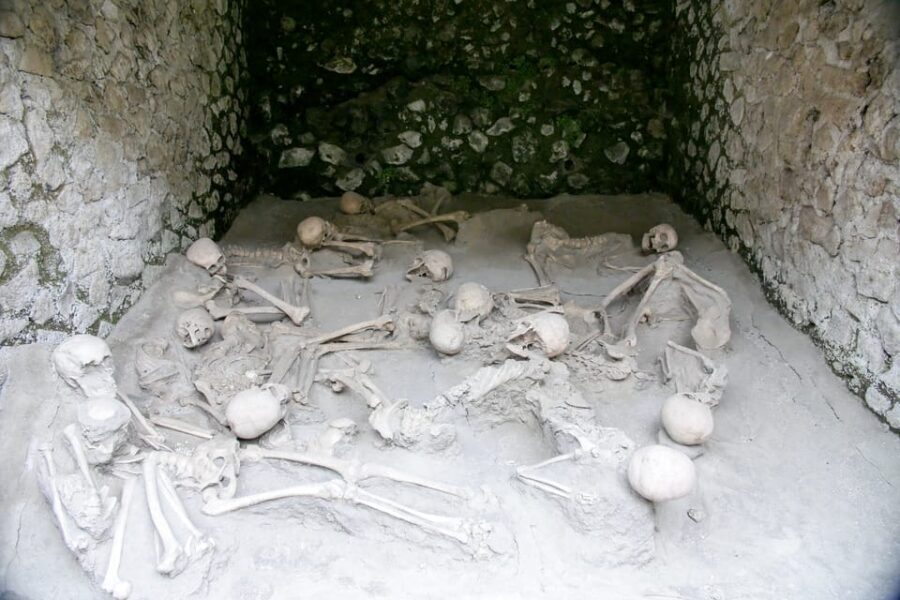
A powerful part of the experience is encountering the preserved remains from the 79 AD eruption. It shifts the tone from history lesson to tragedy you can picture. You’ll feel it more if you give yourself a pause at key spots rather than rushing forward.
Look for these moments:
- Wall art and room finishes that hint at status and taste
- Objects that make routines feel concrete
- The preserved remains that anchor the event in real lives
And if you’re the type who loves to compare to Pompeii: this site covers similar categories of Roman life, but in a more compact setting. You may find it easier to absorb the story here without the fatigue that can come from covering too much ground.
Shops, public gymnasium, and swimming baths you can still recognize

One reason Herculaneum works so well as a self-guided visit is the mix of private and public spaces. You’re not limited to houses. You can see:
- Shops
- A public gymnasium
- Public swimming baths
These locations add variety to your day. Shops tell you about commerce and the street-level economy. A gymnasium hints at social habits and education tied to Roman culture. The baths bring in daily ritual and public life, since bathing wasn’t only hygiene—it was also a social act.
Practical advice: don’t treat these as three separate stops. Treat them as a storyline. Start with what happens in the street, then shift to how people gathered, then to how they relaxed and socialized.
If you’re short on time, focus on public spaces first. They often help you understand the town’s “engine” before you go deep in private homes.
The audio guide reality check: app vs physical device
The ticket offers two audio paths:
- A digital audio guide app for smartphone
- A physical audio guide device, if selected
Languages include English, French, German, Italian, Spanish (digital app options are listed as English, French, Italian, and Spanish; the activity also mentions German among available languages).
Audio setup matters. A few practical lessons from actual experience:
- Download the audio before you arrive. The app can be data-hungry, and coverage around the site may not be reliable.
- Bring headphones if you use your phone (especially in shared areas where audio leakage can annoy others).
- Don’t expect perfect navigation. Some people found the app content tricky to match to where they are standing, so you might need extra time just to line up the audio with the room.
If your audio app doesn’t help you quickly, you’re not stuck. You can switch to observing visually and let the “what you see” do more of the work. But if audio matching frustrates you, a physical device may feel smoother. And if you’re a serious history person, consider adding a live guide for the most meaningful parts—one visitor specifically noted that a real guide can be far more effective than relying entirely on audio.
What to pack and how to plan your day
You only have one day with this ticket, so pack for comfort and time.
Must-haves (based on on-site guidance and what makes the visit better):
- Comfortable shoes for cobbled walking
- Clothing appropriate for the site
- An umbrella can help with sun and shade in hot weather (useful advice from visitor experience)
Smart extras:
- A power bank if you’re using your smartphone as your audio player
- Download audio ahead of time so you’re not stuck troubleshooting at the entrance
Your best day plan:
- Arrive early enough to enjoy the first hours without pressure.
- Spend extra time in the preserved rooms rather than sprinting from building to building.
- If the audio isn’t clicking, slow down and let the architecture and artifacts guide you.
Who should book this self-guided entry
This ticket is a strong fit if you want:
- Freedom to explore at your own pace
- A one-day plan tied to a world-class UNESCO site
- A way to understand the town without committing to a full guided tour
I’d especially recommend it for:
- People comparing Pompeii vs a more manageable, intimate site layout
- Visitors who like architecture, preserved interiors, frescoes, and everyday objects
- Anyone who wants a moving, personal history experience without a strict itinerary
It may be less satisfying if you want:
- A highly structured, step-by-step tour guide constantly pointing out details
- Audio that you can fully trust for room-by-room matching without effort
In that case, consider pairing your entry ticket with a guided add-on or focusing your energy on fewer, more meaningful buildings.
Should you book Ercolano: Herculaneum entry with optional audio?
Yes—if you’re the kind of traveler who enjoys walking, stopping, and piecing together the story from what’s still standing. The admission gives you access to a rare place where you can see roofs, beds, doors, frescoes, and artifacts, and where public spaces like baths and a gymnasium help you understand the town as a living community.
Book it if:
- You want value-focused entry and flexible timing
- You’re comfortable using an audio guide and adjusting when needed
Think twice if:
- You expect flawless audio navigation with zero friction
- You need constant live explanation to stay engaged
If you go in with flexible expectations and a slow, curious pace, Herculaneum is the kind of ruin that stays with you long after you leave.
FAQ
How do I redeem the ticket?
Redeem your ticket by showing your mobile voucher at the online ticket desk on site.
Does the entry include an audio guide?
Yes. The ticket includes a digital audio guide app. If you select that option, it also includes a physical audio guide device.
What languages are available for the audio guide?
The audio guide is available in English, French, German, Italian, and Spanish.
Where can I start the visit?
You redeem your voucher at the online ticket desk on site, then enter and explore the archaeological area at your own pace.
How long is the ticket valid?
The ticket is valid for 1 day.
What are the opening hours?
From March 16 to October 14, it’s 9:30 AM–7:30 PM with last admission at 6:00 PM and the area must be left by 7:00 PM. From October 15 to March 15, it’s 8:30 AM–5:00 PM with last admission at 3:30 PM and the area must be left by 4:40 PM.
Is a guided tour included?
No. This experience is entry with optional audio guide. A guided tour is not included.
What should I wear?
Dress appropriately and wear comfortable shoes.
Can I cancel the booking for a refund?
Yes. Free cancellation is available up to 24 hours in advance for a full refund.