Medieval lanes, real views. This 90-minute walk through Pisciotta’s historic center turns stone, saints, and street-level details into a story you can actually follow. You start at Piazza Pinto and move step by step through palaces, chapels, and a major 16th-century church, with local tales tied to the Cilento uprisings of 1840.
I especially like two parts: the way the walk connects art and local power through the marquisal palace and the life of Bishop Luigi Pappacoda, and the hands-on ending at a small lab where the owner shows how her products are made. You’ll also get a short tasting window and free time to shop local delicacies and ceramics.
One thing to plan for: Pisciotta is full of narrow alleys and steps. If you have knee issues or hate uneven walking surfaces, this won’t feel like an easy stroll. Also, since it’s a village street network, cleanliness can be hit-or-miss in tiny corners.
In This Review
- Key highlights at a glance
- Walking the Historic Center of Pisciotta From Piazza Pinto
- Marquisal Palace and Bishop Luigi Pappacoda in the 1600s
- Two Noble Chapels: Why They Matter More Than You Think
- The 16th-Century Mother Church and 18th-Century Works
- Cilento Uprisings of 1840: Legends With Real Local Weight
- The Laboratory Stop: Meet the Maker and Sample the Local Flavor
- Views, Steps, and a Morning Route That Works
- Price and Value: Is $28.97 a Good Deal?
- Who This Pisciotta Walk Suits Best
- Should You Book This Pisciotta Walk?
- FAQ
- Where does the tour start?
- What time does the walk begin?
- How long is the experience?
- How much does it cost?
- Is a mobile ticket used?
- What sites are included during the walk?
- Is there any tasting or shopping time?
- How big is the group?
- What’s the cancellation window?
Key highlights at a glance
- Piazza Pinto start: a clear, central launch point for a compact 1.5-hour circuit
- Luigi Pappacoda link: the walk touches a real person connected to Baroque-era art influence
- Two noble chapels + mother church: you get more than one “important room” for art viewing
- Cilento uprisings of 1840: history comes with story context, not just dates
- Laboratory stop and tasting: you finish with a local producer and a chance to sample and browse
- Small group size: capped at 25 people, so the pace stays human
Walking the Historic Center of Pisciotta From Piazza Pinto
The experience starts right in the middle of town at Piazza Pinto, which matters more than it sounds. You don’t spend your energy figuring out where to go; you spend it learning how the village’s medieval layout works. From the square, you’ll be guided into tight streets that feel made for foot traffic and hand talk, not car routes.
This is the kind of walk where small turns matter. One street might bring you from a quiet pocket into a more open view, and then you’re back into passages and stairways. If you like places where every corner has a clue—arches, old thresholds, discreet religious spaces—this setup plays to your strengths.
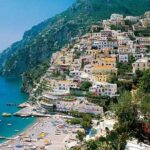
Pisciotta also has that “between sea and land” feeling. You get the sense of coastal life without being on the beach. That shows up in the way viewpoints appear along the route. One review highlighted how beautiful the sea view can be, with a nighttime sky effect when you catch it later on your own. Even though the tour runs in the morning, you’ll see enough that you’ll know where to return at dusk.
You can also read our reviews of more walking tours in Campania
Marquisal Palace and Bishop Luigi Pappacoda in the 1600s
A major early stop is the marquisal palace, presented as the birthplace of Bishop Luigi Pappacoda. This is where the tour earns its keep: it doesn’t treat local sites as random backdrops. It links them to a person tied to the arts in Southern Italy.
You’ll also hear that Pappacoda was a promoter of Lecce Baroque in the second half of the 17th century. That’s a useful detail for two reasons. First, it gives you a clear cultural thread connecting this small Cilento village to the broader Baroque movement in the region. Second, it helps you notice what matters when you look at ornate religious and civic spaces—people built them with intention, not just tradition.
If you’re the type who likes context, this part is satisfying. It frames the palace as an origin point: a place that leads to influence beyond the immediate area. Even if you’re not a Baroque super-nerd, you’ll walk away with at least one good “name to remember” when you’re comparing towns you visited in Campania.
Two Noble Chapels: Why They Matter More Than You Think
After the palace, the route continues with a visit to two noble chapels. Chapels are often treated like side rooms in church tourism, but here they’re treated as real history spaces—parts of the village’s social world.
Noble chapels can tell you who had influence and why. They often reflect patronage: families or patrons who funded or shaped religious art and devotion. In a place like Pisciotta, where the village identity is tied to both community and faith, that patronage becomes part of the local story.
A practical note: chapels tend to be cooler and quieter than outdoor streets, which helps if your walk starts in warm weather. Also, because the tour is time-limited (about 1 hour 30 minutes), these visits don’t drag. You’ll get the key points that connect architecture and art to people’s lives.
The 16th-Century Mother Church and 18th-Century Works
The walk then brings you to the majestic mother church from the 16th century. This is described as a true art moment where you can admire works from the 18th century in Naples.
That detail is worth paying attention to. It helps you read what you’re looking at. The tour focuses on how local religious spaces can carry wider regional artistic currents. In other words, you’re not just seeing an old church; you’re seeing proof of how art traveled and how taste arrived here over time.
The mother church setting also changes the pace. Outdoors, you’re moving through alleys and stairways. Inside, you slow down—your eyes adjust, and the guide’s story helps you place what you’re seeing into a timeline. This is also a good spot to take a breather if the steps have already warmed up your calves.
Cilento Uprisings of 1840: Legends With Real Local Weight
Between the architectural stops, the tour leans into story: the Cilento uprisings of 1840 and the way local legend mixes with history in small towns.
This kind of storytelling is practical. It turns abstract events into something you can map onto real buildings and street corners. When you hear why people acted the way they did, you start noticing the village differently—less like scenery and more like a lived-in place with pressure, fear, pride, and rumor.
A good example is how these stories often explain why certain spaces feel more prominent than others. You may start linking squares and church spaces to where people might gather, argue, or seek refuge. Even if you’re not a history buff, the narrative helps you understand what people cared about.
And yes, legend plays a role. The tour treats that mix as part of the village identity, not as a problem to correct. That makes the whole experience feel more like listening to someone who knows the place than sitting through a facts-only lecture.




The Laboratory Stop: Meet the Maker and Sample the Local Flavor
The tour ends with a stop at a laboratory where the owner explains how she makes her products. That owner-led moment is one of the best values of the whole experience because it shifts from “seeing” to “understanding.”
You’ll also have a small tasting and then some free time to browse and shop local goods. The description specifically mentions local delicacies and ceramics, and it’s clear the setting is meant to connect what you learned about the area to what you can take home.
You’ll hear that this region is famous for Pisciottano and Alici olive trees. Even without a long lecture, that gives you a sense of what the local production culture is rooted in. And if you like food souvenirs, this is the part where you can turn your tour into a practical memory: a flavor, an oil-related product, a handmade item, something that keeps the place with you after the photos fade.
Tip: tasting windows are usually short on a tight schedule. If something catches your attention, ask simple questions on the spot—what it’s made from, how it’s used, or what locals pair it with. The goal is quick clarity, not a long interview.
Views, Steps, and a Morning Route That Works
Pisciotta looks like it was built for the long view: terraces, sea-facing glimpses, and small pauses where you naturally slow down. One review mentioned the viewpoint at evening as stunning, with the sea reflecting moonlight. That’s a reminder that Pisciotta’s setting isn’t just scenic; it’s atmospheric.
Even though your tour starts at 10:00 am, you can still use the route strategically. Expect the best “wow” moments to show up after you’ve climbed a bit—your legs do the work, and then the village rewards you with a sea line.
The caution is real: there are many steps. Another review bluntly noted there are lots of steps and many alleys, and that the route includes uneven surfaces. Wear shoes with decent grip. If you hate climbing, consider taking breaks where the guide naturally pauses.
Also keep an eye on the ground in narrow lanes. One review mentioned dog and cat mess in alleys. That doesn’t mean the whole town is like that, but it does mean you should watch where you step, especially if you’re wearing light-colored clothes.
Price and Value: Is $28.97 a Good Deal?
At $28.97 per person for about 1 hour 30 minutes, this isn’t a “transport-plus-one-photo” kind of experience. It combines several things that usually cost separate money or separate time: a guided historic walk through multiple named sites, entry-style viewing of significant church spaces, and a producer stop with tasting.
The value is strongest if you care about more than the view. If you want a framework for what you’re seeing—who Bishop Luigi Pappacoda was, how Lecce Baroque connects here, and why the 1840 uprisings matter—then the price starts to feel fair.
The small group cap (25 travelers maximum) also matters for value. Fewer people usually means you get better pacing and more chances to hear details without constant noise.
Where you might feel it isn’t worth it is if you’re mainly looking for a self-guided photo walk. If that’s your goal, you could always wander the center on your own. But if you want the story tied to real names and specific places, a guided format helps you get more meaning per minute.
Who This Pisciotta Walk Suits Best
This tour fits best if you like:
- Christian art and church interiors more than just the outside views
- Local names and connections, like Luigi Pappacoda and the Lecce Baroque reference
- A short, structured walk (not a half-day hike)
- Ending with a hands-on producer stop and a tasting chance
It may feel less ideal if you:
- Need to avoid steps and steep stair segments
- Want a completely relaxed “no walking” plan
- Have very sensitive expectations about street cleanliness in small lanes
That said, the plan is described as suitable for most people, and the timing is tight enough that you won’t be stuck for hours.
Should You Book This Pisciotta Walk?
I’d book it if you want a compact morning that gives you history, art, and local taste in one loop. The strongest reason is the structure: you don’t just see the medieval center, you get the guide’s explanation of why specific places matter, and you finish at a real workshop with tasting and shopping time.
I’d skip it if you’re only chasing scenery and don’t care about context, or if you strongly dislike steps and uneven village lanes. In that case, you may be happier wandering the center independently and timing your own viewpoint moment later in the day.
If you’re somewhere in between—interested in culture, curious about Cilento stories, and open to a maker’s tasting—this one looks like a smart, good-value way to experience Pisciotta in about 90 minutes.
FAQ
Where does the tour start?
It starts from Piazza Pinto in Pisciotta.
What time does the walk begin?
The start time is 10:00 am.
How long is the experience?
The duration is approximately 1 hour 30 minutes.
How much does it cost?
The price is $28.97 per person.
Is a mobile ticket used?
Yes, the tour uses a mobile ticket.
What sites are included during the walk?
You’ll visit the marquisal palace (birthplace of Bishop Luigi Pappacoda), two noble chapels, and the 16th-century mother church, plus a stop at a laboratory at the end.
Is there any tasting or shopping time?
Yes. After the laboratory explanation, there is a small tasting and some free time for shopping local delicacies and ceramics.
How big is the group?
The activity has a maximum of 25 travelers.
What’s the cancellation window?
There is free cancellation, and you can cancel up to 24 hours before the experience’s start time for a full refund.