REVIEW · CAMPANIA
Top Amalfi city sights private walking tour
Book on GetYourGuide →Operated by TUI Musement · Bookable on GetYourGuide
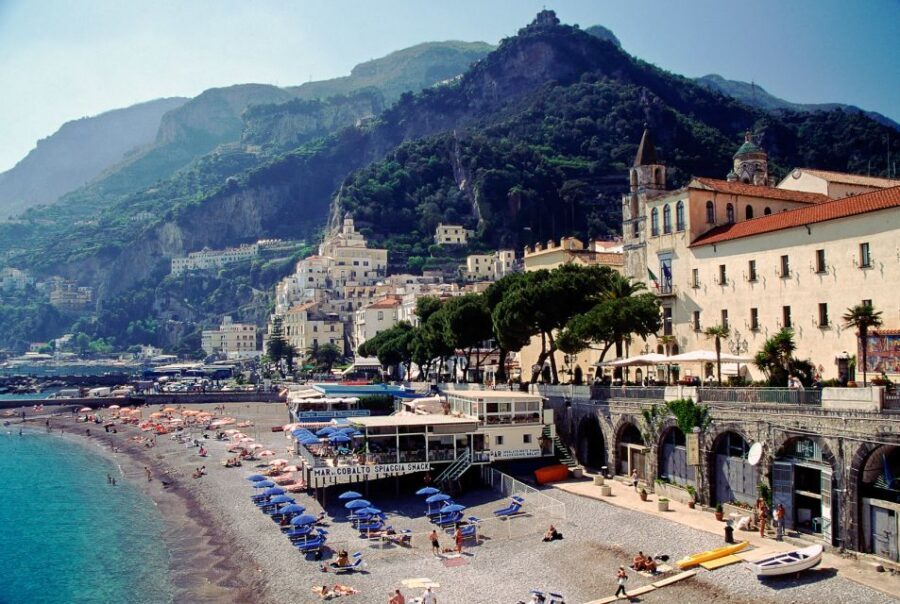
Amalfi gets easier with a good guide. This private walking tour is built around the town’s most meaningful sights and stories, from the dramatic ravine setting at the foot of Monte Cerreto to the UNESCO-listed corners you might otherwise miss. You’ll spend the time learning why Amalfi mattered as a maritime superpower when it topped 70,000 people, not just taking photos.
I like how this tour focuses on iconic landmarks without turning it into a checklist. Two of my favorite parts are the stop at the Fontana di Sant’Andrea in the main square area and the guided walk through key religious and historical sites like the Amalfi Cathedral (Duomo) and the Chiostro del Paradiso.
One thing to think about: it’s a walking tour with lots of old-stone streets, and it isn’t set up for wheelchair users. Also, double-check you meet in Amalfi at Piazza Flavio Gioia (not the Salerno meeting point some people get wrong).
In This Review
- Key things you’ll like on this Amalfi private tour
- Why a private walk makes Amalfi feel manageable
- Piazza Flavio Gioia to the Sant’Andrea fountain: your starting rhythm
- Amalfi Cathedral (Duomo) and the story behind the disaster
- Via dei Mercanti, Chiostro del Paradiso, and the calm inside the clatter
- Fontana di Sant’Andrea to Piazza Umberto I: the civic Amalfi you feel
- Santa Maria Maddalena, Via dei Dogi, and the final “you get it now” moment
- Atrani’s Santa Maria Addolorata sanctuary: the Amalfi neighbor that changes the pace
- Price and pacing: is $158.60 per person worth it?
- Rain, stairs, and other small realities you should plan for
- Should you book this Amalfi private walking tour?
- FAQ
- How long is the Amalfi private walking tour?
- What is the meeting point for the tour?
- Where does the tour end?
- Is this a private group tour?
- What languages are available for the guide?
- Are entrance fees included for churches and museums?
- Is it suitable for wheelchair users?
- Are large bags or luggage allowed?
- What happens if it rains?
Key things you’ll like on this Amalfi private tour
- Local-guide storytelling that explains what changed Amalfi’s fate after a devastating event
- Duomo views over Piazza Duomo, plus the cathedral stops that feel central to the town
- Chiostro del Paradiso for a calmer, cloister-style pause in the middle of sightseeing
- Fontana di Sant’Andrea as a classic Amalfi photo moment and orientation point
- Atrani and the Santa Maria Addolorata sanctuary angle, so you see more than just Amalfi’s main drag
Why a private walk makes Amalfi feel manageable
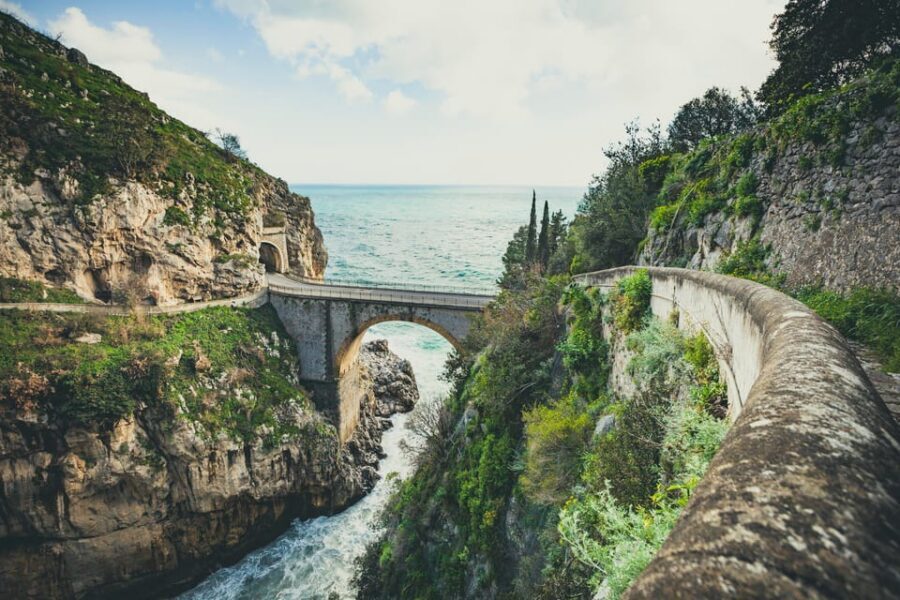
Amalfi is gorgeous, but it’s also compact, steep in places, and full of small lanes. With a private guide, you spend less time “figuring it out” and more time noticing what you came for. In about 2.5 hours, the route is paced like a smart conversation: you move when you’re ready, stop when it matters, and get context as you go.
What I like most is that this isn’t just a walk past famous facades. The guide ties sights together with the town’s bigger story—Amalfi at the mouth of a deep ravine, ringed by dramatic cliffs, and once a serious sea power. When you hear why certain buildings ended up where they did, the streets make sense in a way that casual wandering usually doesn’t.
The best part for photo lovers: you’ll have built-in stops at places that are naturally “camera moments,” like the fountain at the main square and the Duomo overlooking Piazza Duomo. You also get a local guide who can answer on the spot, in the language you choose (Spanish, English, French, German, or Italian).
You can also read our reviews of more walking tours in Campania
Piazza Flavio Gioia to the Sant’Andrea fountain: your starting rhythm
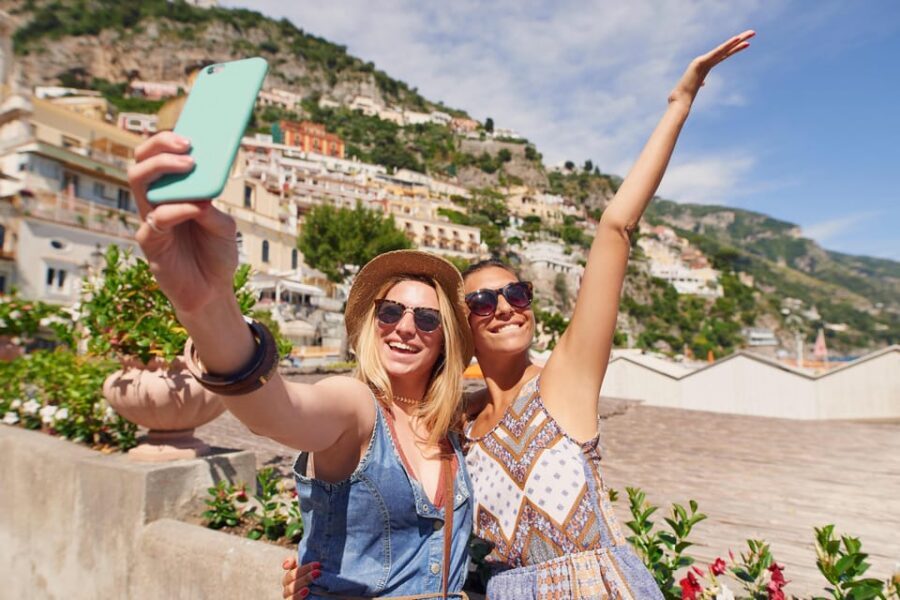
You start in Piazza Flavio Gioia and meet your guide next to the fountain in the square. This matters more than it sounds. Amalfi’s center can feel like a maze of lanes and steps, and starting with a clear landmark makes the whole first half smoother.
From there, the route quickly connects you to Amalfi’s public-heart spaces. One of the tour highlights is the Fontana di Sant’Andrea, a stone water fountain that anchors the main-square atmosphere. Even if you’ve seen plenty of European fountains, this one lands differently because it’s part of a lived-in piazza, not a detached monument.
Practical note: you don’t need to “strap in” for hours of logistics. The tour is set up for a steady flow of short segments—walk, stop, listen, look, then move. Just bring your camera, since you’ll want it during the main-sight viewpoints.
Amalfi Cathedral (Duomo) and the story behind the disaster
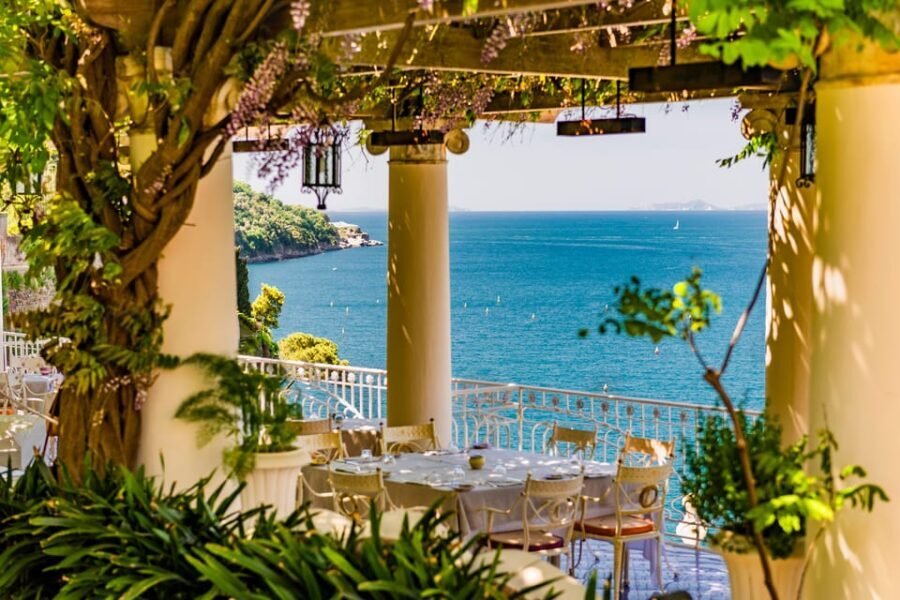
After you orient yourself around the center, you’ll head to the Amalfi Cathedral, the Duomo, which overlooks Piazza Duomo. The cathedral’s position is the point. It’s not just a building you pass by—it feels like the town watching over itself.
This is also where the tour storytelling becomes more than trivia. You’ll learn about a devastating event that forever changed the town’s fate. The specific event isn’t spelled out in the tour description you have, but the impact is clear from how the guide frames it: it altered what Amalfi could be and how it rebuilt life around its key institutions.
That theme is useful if you’re trying to understand Amalfi beyond postcards. Many visitors remember the coastline, the steps, and the bright facades. A good guided walk reminds you that Amalfi’s look is tied to survival—what came next after disaster, and how the town shaped itself around religion, civic spaces, and the routes people used daily.
You may also find your guide gives tips on what to notice while you’re standing there: architectural details and the way the piazza and cathedral line up visually.
Via dei Mercanti, Chiostro del Paradiso, and the calm inside the clatter
Once you’re settled with the Duomo area, the tour keeps you moving through Via dei Mercanti—a classic Amalfi lane that helps bridge the big landmarks with the everyday fabric of the town. This is where you start seeing how commerce and community overlapped in historic Amalfi: people needed access, shade, and walkable routes, and the streets show it.
Then you’ll spot the Chiostro del Paradiso. The cloister style is a welcome contrast after open piazzas and busy streets. You get that “pause” feeling—space for your eyes to reset, and for your mind to shift from rushing impressions to slower observation.
Why I think this stop is valuable: cloisters and religious courtyards tend to reveal more than you’d expect. You notice light differently, you hear the town differently, and you get a sense of how these places functioned socially, not just spiritually.
If you’re walking with camera gear, this is a good place to slow down. The angles can be forgiving, and you’ll likely appreciate the architectural rhythm more without constant foot traffic pressing in.
Fontana di Sant’Andrea to Piazza Umberto I: the civic Amalfi you feel
The tour returns you to the “spine” of the town’s public life: fountains, squares, and view points that guide you along without needing a map. The Fontana di Sant’Andrea stop keeps working as a visual anchor, and then Piazza Umberto I brings you into the bigger civic mood.
Piazza Umberto I is the kind of place where you can tell Amalfi has always had a central meeting point. Even when you’re just walking through, the shape of the square signals where people gathered for news, trade, celebrations, and everyday errands. On a guided tour, you’ll likely get context about why those locations stayed important across time.
This section also keeps the pacing friendly. The tour is about 2.5 hours total, so you’re not stuck with a single long climb or a single long standing session. It’s a series of purposeful stops, which is exactly what makes Amalfi work in limited time.



Santa Maria Maddalena, Via dei Dogi, and the final “you get it now” moment
Two stops that help you round out the historical feel are Santa Maria Maddalena and Via dei Dogi. These aren’t just “pretty stops.” They help you read the town like a map of roles: religious life, maritime identity, and the everyday streets where people moved goods and news.
Via dei Dogi is especially useful for understanding Amalfi’s relationship to power and maritime tradition. Even without getting too technical, the street name is a clue: Amalfi had leaders and an organized identity tied to its sea days. A guide’s job here is to connect that symbolism to what you’re seeing in front of you.
If you’re the type who likes to walk away with a few mental pictures you can keep sorting, this is where it clicks. You stop treating Amalfi like a single view and start seeing it as a system of places—churches, squares, lanes, and monuments connected by daily movement.
Atrani’s Santa Maria Addolorata sanctuary: the Amalfi neighbor that changes the pace
The tour also includes a strong Amalfi-area add-on: Atrani and the Santuario of Santa Maria Addolorata. Atrani is smaller and quieter-feeling than Amalfi’s busiest core, and that change of pace matters. It gives you a break from the heaviest concentration of visitors and lets the coastline feel more human-sized.
From a value perspective, this is smart. If you’ve only come to Amalfi and you only see Amalfi, you miss a big part of what makes the Amalfi Coast work: the cluster of towns with their own identities, not just one star.
This stop is also a great photo opportunity. Religious sanctuaries often provide views that are framed by the town’s vertical structure, and that’s exactly the kind of composition you want in a place built on cliffs.
Price and pacing: is $158.60 per person worth it?
At $158.60 per person for 2.5 hours, this tour isn’t a budget “meander” option. It’s a guided experience with a private group format and an expert local guide, and you’re paying for that time plus the focused route.
Here’s how I’d judge value:
- If you want the big sights—Duomo, Chiostro del Paradiso, Sant’Andrea fountain, and the key square/church stops—without spending your day piecing together logistics, the guide earns its keep.
- If you love history but hate slow, museum-style tours, the storytelling format can be a sweet spot. You’ll get context while you’re still moving through the town.
- If you’re traveling with limited time or you want a confidence boost in a steep, maze-like center, private pacing helps.
Potential downside is also clear: with only 2.5 hours, you’re getting an organized highlight route—not a long, optional wandering day. If you’d rather roam freely and chase detours, you may feel constrained.
One more practical point: luggage or large bags aren’t allowed, so travel light. Old-town streets don’t forgive bulky carry-ons.
Rain, stairs, and other small realities you should plan for
This tour is set to run even when it’s raining. That’s helpful because Amalfi weather can shift fast. The one caveat is that in exceptionally heavy rain, the tour may be cancelled with a full refund, so keep an eye on the day’s conditions.
Stairs are part of Amalfi. The good news is that at least one guide experience included flexibility for stairs—so if you prefer to minimize them, ask early and let your guide adjust the pace and route. You’ll still be walking, but you can often keep it comfortable.
Also, note what’s not included: entrance fees to museums, churches, and palaces aren’t included. Your guide will take you to the main sights, but if you want to go inside ticketed places, you’ll buy entrance on the spot.
Should you book this Amalfi private walking tour?
I’d book this tour if you want a guided “best-of-with-meaning” walk through Amalfi’s center and you care about context as much as scenery. It’s especially good for first-time visitors who don’t want to guess where to go, and for couples or small groups who like the idea of a flexible, language-supported guide.
Skip it or at least rethink if you have mobility limitations (it’s not suitable for wheelchair users) or if you plan to bring big bags. Also, pay attention to the meeting point. Start at the correct place in Amalfi: Piazza Flavio Gioia, next to the fountain. If you’re prone to mixing up Amalfi and nearby towns, double-check your confirmation and take a screenshot.
FAQ
How long is the Amalfi private walking tour?
It lasts 2.5 hours.
What is the meeting point for the tour?
Meet your guide next to the fountain in Piazza Flavio Gioia.
Where does the tour end?
It ends back at the meeting point (Piazza Flavio Gioia).
Is this a private group tour?
Yes. The tour is listed as a private group.
What languages are available for the guide?
The guide can lead the tour in Spanish, English, French, German, and Italian.
Are entrance fees included for churches and museums?
No. Entrance to museums, churches, and palaces isn’t included. If you decide to visit ticketed sites, you can buy your tickets on the spot.
Is it suitable for wheelchair users?
No. It is not suitable for wheelchair users.
Are large bags or luggage allowed?
No. Luggage or large bags aren’t allowed.
What happens if it rains?
The tour takes place even when it’s raining. If there is exceptionally heavy rain, it may be cancelled and you should receive a full refund.