REVIEW · NAPLES
Vesuvius & Herculaneum Small Group Tour from Naples
Book on Viator →Operated by Around Vesuvio · Bookable on Viator
Vesuvius and Herculaneum in one tight day works. You start in Naples, ride out to Mount Vesuvius, then spend time walking through one of the best-preserved Roman sites in Italy. I love the clear schedule that keeps the day moving without long waits, and I especially love the big coastal views you get on the climb and at the crater area.
You also get Herculaneum in the same day, and it is not just Pompeii in a different outfit. The preserved streets, mosaics, frescoes, and villa remains have a different feel, more like everyday life caught mid-moment. My second favorite part is how much you can see in the allotted time, because the site is designed for self-paced wandering once you’re inside.
The main drawback to plan for: this is more transportation + entry than a full guided tour. You get free time at both Vesuvius and Herculaneum, so if you want deep, room-by-room commentary, you’ll need to bring your own plan (or audio/map on your phone).
In This Review
- Key highlights you’ll feel on the ground
- Why this Vesuvius + Herculaneum combo works in one day
- Getting started from Naples: pickup point and how to find it
- The Vesuvius National Park ride and the 1,000-meter start
- Climbing to the crater: timing, fumaroles, and what you should expect
- Herculaneum ruins: how it feels different from Pompeii
- The self-paced reality: why you should plan your own route
- Comfort and group logistics: what matters day-to-day
- What to bring for a smoother Vesuvius hike and Herculaneum walk
- Price and value: is $98.48 a smart buy?
- Who this day trip suits best
- Should you book this tour?
- FAQ
- How long is the Vesuvius & Herculaneum small group tour?
- What time does the tour start, and where is the pickup?
- How many people are on the tour?
- Is the admission ticket included?
- How much time do I have at Vesuvius?
- How long is the walk to the crater top?
- Is there free time at Herculaneum?
- What about weather and cancellations?
Key highlights you’ll feel on the ground
- Small group size (max 17): You’re not packed in, and transfers stay comfortable.
- Crater visit with timed entry: Your ticket is included, and entry is meant to be hassle-free at the booked time.
- A realistic climb: From about 1,000 meters, it’s roughly a 25-minute walk to reach the crater area.
- Two hours at Herculaneum: Enough time to look closely at mosaics, frescoes, shops, and villas without feeling rushed.
- Vesuvius views over Naples Bay: You can admire the Gulf and the coast toward Sorrento and even islands during the walk.
- A steep-but-doable workout: The incline is real, but the schedule gives you time to pace yourself.
Why this Vesuvius + Herculaneum combo works in one day
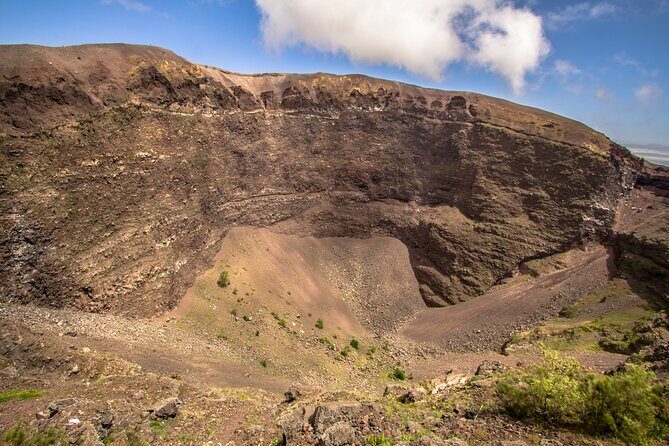
This is a classic Naples pairing for a reason: the same volcano that destroyed Roman life in 79 A.D. also preserved part of it. Vesuvius gives you the power side of the story—smoke, heat, and the crater landscape. Herculaneum gives you the human side—streets and homes that survived in an astonishing way.
What makes this tour feel practical is the way the time is structured. You don’t just bounce between stops; you get a set window at each place, with enough buffer to walk and explore at your own speed. That’s key if you’re traveling with family, juggling photo breaks, or you simply don’t want your day controlled down to the minute.
Also, Herculaneum’s mood is different from Pompeii. You’ll still see that same era and the same tragic outcome, but the preserved architecture and the feel of daily life are distinct. In plain terms: you’ll get one city’s “frozen moment,” then one volcano’s “present danger,” and it clicks.
You can also read our reviews of more tours and experiences in Naples.


Getting started from Naples: pickup point and how to find it
The tour starts near Via Galileo Ferraris 40 in Naples (tickets and confirmation use the same meeting point). The listed coordinates are 40.8505189N, 14.2747942E, which is handy if you’re using Google Maps and don’t want to hunt.
Pick-up is at 9:20 am, and the day is designed around that. Even if you live nearby, I’d show up a bit early. Small-group tours can move quickly once everyone is accounted for, and you do not want to be the one sprinting while everyone else is already boarded.
The schedule includes a short initial stop in Naples (about 20 minutes). Think of it as the “get your bearings and get everyone sorted” moment—then you’re off to the volcano.
The Vesuvius National Park ride and the 1,000-meter start
Once you’re in the bus, the drive to Vesuvius National Park takes about 40 minutes. Then you get a crucial detail that makes the climb more manageable: you’re dropped off around 1,000 meters high rather than starting from the bottom.
From there, you typically have about 1.5 hours for the crater visit. The walk up to the top is about 25 minutes. That’s not flat walking, but it’s short enough that most people with moderate physical fitness can do it at a steady pace.
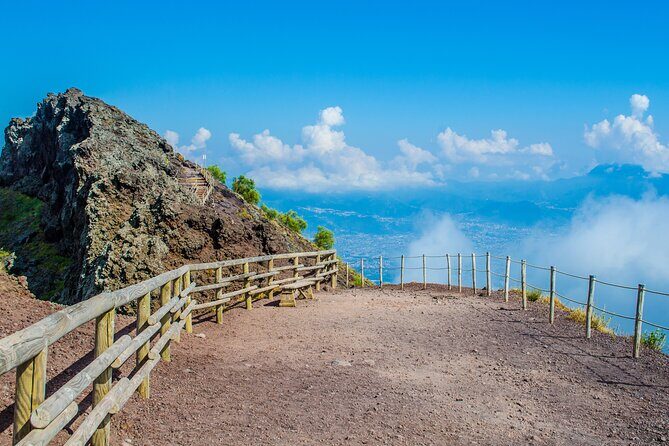
During the walk, you’re not just climbing a wall. You get a changing view back over Naples Gulf and out toward the Sorrento Coast and islands like Capri. Even if the weather is gray, the sense of place still lands—you can see why the Romans chose this region and why the volcano shaped it.
Climbing to the crater: timing, fumaroles, and what you should expect
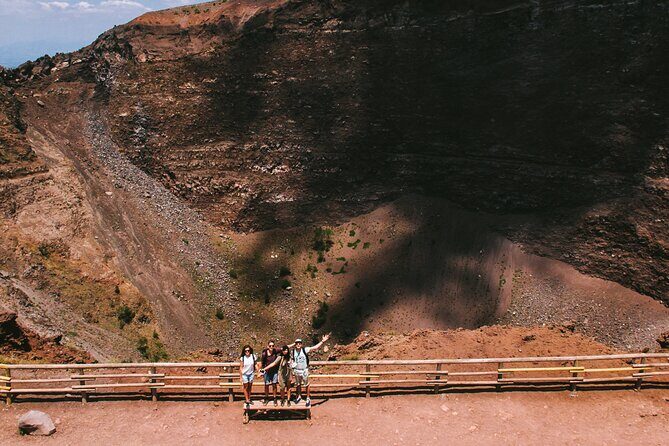
The crater portion is where the day turns from “history tour” to “wow, that’s active.” At the crater area, you can see smoking fumaroles and parts of solidified lava.
This is also where your personal comfort matters. The walk is on a steep incline, and weather can change fast on a mountain. If it’s cloudy, you might not get perfect visibility over the islands, but you can still get the crater’s atmosphere. That’s one of the reasons this trip works even when the forecast isn’t ideal: you’re going for the crater experience, not just a postcard view.
I’d treat the crater stop as part walk, part lookout time, and part quiet moment. With about 1.5 hours total free time, you can do the climb, pause for photos, look around, and still avoid the rushed feeling that ruins a volcanic visit.
One more practical point: the ticket includes admission to reach the Mount Vesuvius Crater. It’s meant to guarantee hassle-free entry at your booked time, which helps you avoid the worst of peak-day lines.
Herculaneum ruins: how it feels different from Pompeii
After Vesuvius, you reconnect with the driver at the same drop-off point, then head to Herculaneum. The whole transfer section between the two sites totals about 2.5 hours including bus time.
At Herculaneum, you have around two hours to explore the archaeological site, plus about one hour of bus transport time back and forth. The site entry is included as part of the tour price.
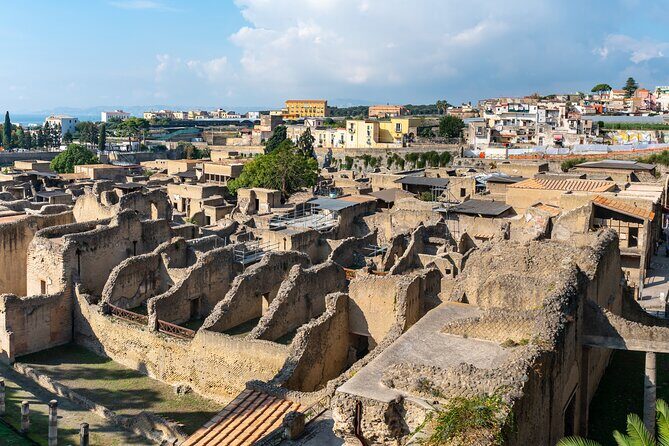
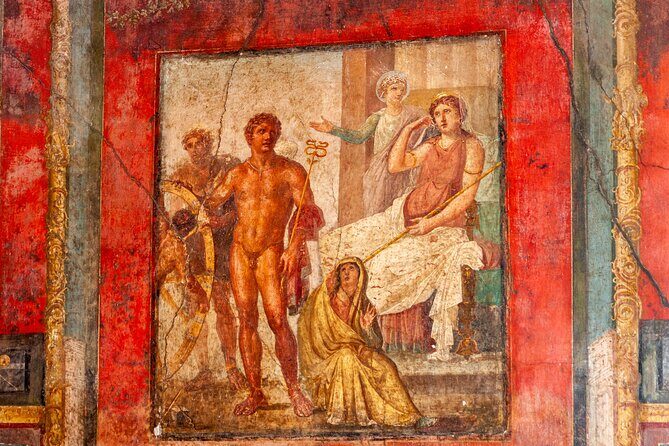
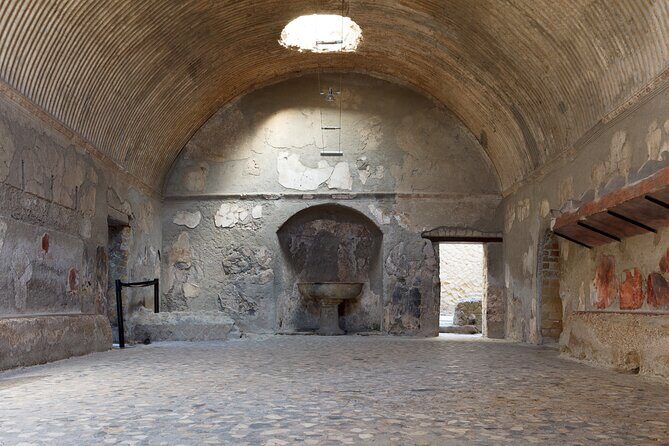
Herculaneum is often described as Pompeii’s sibling, and that’s fair. Same historical period, same eruption, same disaster. But the experience on foot feels different. You’ll see beautifully preserved mosaics and frescoes, walk along well-preserved streets, and explore the remains of elegant villas. You can also picture everyday business with the ancient shops and domestic spaces.
This is the part of the day where you slow down naturally. Unlike a volcano stop where everyone heads for the view, Herculaneum rewards attention. If you like to look closely—textures, patterns, wall paintings, and how rooms relate to the street—you’ll get more out of your two hours than you might expect.



The self-paced reality: why you should plan your own route
Here’s the honest expectation setting: this tour includes entry and transportation, but much of your time at both sites is free time. That’s not bad, but it changes how you should travel.
At Herculaneum, having a map or knowing which areas matter to you can make the difference between a fun wander and a slightly aimless walk. If you’re the type who wants to understand what you’re seeing—specific villas, key mosaics, major fresco scenes—download a site map ahead of time. If you use audio guides, bring headphones and be ready to use them on arrival. If you prefer reading signs, take 2 minutes at the entrance and decide your first priority.
At Vesuvius, you can do well with less planning, but you still want a simple strategy: go up, pause at key viewpoints, then return within your allotted time. With a 25-minute walk each way and weather changes, this keeps you calm and avoids rushing.
This is also why I think the small-group format helps. With a maximum of 17 people, you’re less likely to get stuck in the slowest-moving line of a huge crowd. You still have free time—just with less chaos.
Comfort and group logistics: what matters day-to-day

This is built as a small group with a maximum of 17 travelers, which is a meaningful detail in Naples. Big tours can turn into a herd at the entrance, but a smaller group generally means quicker movement between the bus and the sites.
The transfer is designed to be comfortable and uncrowded, and the pacing avoids long waiting lines. That’s valuable because both Herculaneum and the Vesuvius crater area can feel busy at peak hours. A tour that respects your time helps you enjoy the places instead of spending your energy waiting.
You’ll also have practical meeting details: pickup near Via Galileo Ferraris 40, and the day ends back at the meeting point. The meeting point is near public transportation, which can help if you’re arranging your own arrival from elsewhere in Naples.
Physical comfort is worth flagging. The tour lists a moderate physical fitness level. The Vesuvius incline is the main effort, and the weather on the mountain can add cold or wind chill. For a smoother day, wear shoes with grip and bring layers.
What to bring for a smoother Vesuvius hike and Herculaneum walk
You don’t need to pack like you’re climbing Everest, but you do want to think about uneven ground, wind, and time outside.
Bring:
- Comfortable walking shoes with good traction
- A light jacket or warm layer, since it can feel colder on the volcano, especially with fog
- Water for the hike and crater time
- A small daypack for anything you remove while walking
- Your phone with maps saved offline, since you’ll be self-guided much of the time
Also, don’t assume perfect conditions. In the crater area, cloud and fog happen. You might get reduced visibility over the sea. The upside is you’ll still see the active fumaroles and lava remnants, which are the core reason to be there.
For Herculaneum, take advantage of your two hours. If you arrive without a focus, you can end up walking through lots of walls and wondering what to prioritize. A quick plan fixes that.
Price and value: is $98.48 a smart buy?
At $98.48 per person, you’re paying for three things: transportation, limited-group pacing, and two sets of admission—entry to the Vesuvius crater and entry to the Herculaneum site.
You’re not just buying a ticket. You’re buying a way to do both sites without having to coordinate buses, timed entries, and transfers yourself. That’s real value when you’re in Naples for a short stay and don’t want to spend your entire day managing logistics.
The value question really comes down to expectations:
- If you’re happy with free time + a self-paced visit and you want a well-run day, this can be a solid deal.
- If you want a full-time guide walking you through the top rooms and giving constant context, you may feel under-served by the format. In that case, you’d likely want a tour that’s explicitly guided on-site.
Personally, I like tours like this when I want variety. You get volcano drama, then Roman daily life at a site that feels eerily preserved.
Who this day trip suits best
This works best if you:
- Want to see both Vesuvius and Herculaneum without spending your vacation days on transit planning
- Prefer small groups and a calmer pace
- Are comfortable with moderate walking and a steep incline
- Enjoy self-guided exploring once you’re on site
- Like photography and coastal viewpoints from Vesuvius
It might be less ideal if you need constant commentary, because the day’s structure gives you time to roam rather than a tightly guided narrative.
Also, it’s friendly to a wider range of travelers in some ways. Service animals are allowed, and the day is set up with free time rather than a schedule that forces you to stay glued to a guide.
Should you book this tour?
I’d book it if your goal is a well-timed, small-group day that hits the big themes: an active volcano and a Roman city that feels like it stopped mid-life. The included entry tickets and the crater drop-off starting point around 1,000 meters make the hike more reasonable than you might expect.
I’d pause before booking if you strongly prefer guided walkthroughs at the sites. Since much of the visit time is self-paced, you’ll want to show up with either a basic plan (what to see first) or the tools to learn on your own (map/audio/notes).
If the weather looks rough, it can still be worth it for the crater activity itself, but I’d check conditions on the day. The experience depends on good weather, and if it’s canceled, you should be offered a different date or a full refund.
FAQ
How long is the Vesuvius & Herculaneum small group tour?
It lasts about 5 hours 50 minutes.
What time does the tour start, and where is the pickup?
The start time is 9:20 am. Pickup and ticket redemption happen near Via Galileo Ferraris 40, 80146 Napoli.
How many people are on the tour?
The maximum group size is 17 travelers.
Is the admission ticket included?
Yes. The price includes the entry ticket to visit the Archeological Site of Herculaneum and the entry ticket for Mount Vesuvius Crater.
How much time do I have at Vesuvius?
You typically have about 1.5 hours of free time for the crater visit, after a bus ride of about 40 minutes to the Vesuvius National Park.
How long is the walk to the crater top?
From the drop-off area around 1,000 meters high, it takes about 25 minutes to walk to the top.
Is there free time at Herculaneum?
Yes. You get free time for about two hours at the archaeological site, plus the bus transport time.
What about weather and cancellations?
The experience requires good weather. If it’s canceled due to poor weather, you’ll be offered a different date or a full refund.