Roman ruins, waiting under the water. This intro scuba experience takes you from Naples to Baia, where ancient Roman remains rise from the seabed. I love the slow, clear instruction that helps first-timers feel steady, and I love that you may get close to mosaics and artifacts instead of just staring at them.
One possible drawback: statues aren’t guaranteed. Baia has multiple underwater spots, and only one is known for statues; scheduling and water conditions can mean you’ll focus on mosaics instead, and the statue view can be a replica rather than the original.
In This Review
- Key Highlights Worth Your Time
- Baia’s Underwater Roman Ruins: Why This Feels Different
- Your Try Scuba Start: How the Training Sets You Up
- Two Underwater Sessions: What You’ll See Underwater
- Mosaics vs Statues at Baia: The One Thing to Confirm
- Naples Logistics and Price: Is It Worth $263?
- Timing, Group Size, and Instructor Attention
- Who Should Book This Baia Try Scuba Course
- Practical Tips for Getting the Most Out of Your Underwater Time
- Should You Book It?
- FAQ
- How long is the experience?
- What is the price per person?
- What’s included in the tour price?
- Is pickup offered from Naples?
- Is the cost of getting from Naples included?
- Is the experience offered in English?
- How many people are in the group?
- Is this suitable for beginners?
- Will I see statues underwater?
- What happens if the weather is bad or I need to cancel?
Key Highlights Worth Your Time
- Up to 4 people keeps the coaching personal
- Certified instructor + full equipment + two underwater sessions included
- Hands-on contact with Roman mosaics and underwater artifacts
- Statues depend on the underwater spot chosen by the marine park and visibility
- English briefing with a clear pre-water presentation helps calm nerves
- Wetsuits are provided, and warmth is specifically called out in feedback
Baia’s Underwater Roman Ruins: Why This Feels Different
Baia sits just outside Naples, and it’s famous for an underwater archaeological area where Roman structures and art remain visible along the seabed. Instead of museum glass, you’re working at human scale, with materials showing right where people once built and lived.
What makes it especially compelling is that you’re not only looking. The experience is designed to get you oriented fast, then help you get down to the ruins with control and confidence. That combination is where the value really shows.
You’ll also notice how the site “reads” differently underwater. Mosaics can look more dramatic when you’re right next to them, and textures that are hard to grasp on land become obvious in water.
Your Try Scuba Start: How the Training Sets You Up
This program is built for beginners through a Try Scuba format. The structure is simple: basics first, then your first underwater session with a certified instructor, plus a second underwater session included.
You get equipment, all fees and taxes, and bottled water, so you’re not scrambling mid-day. Most importantly, the instruction time is the difference between a stressful outing and a fun one.
In feedback, instructors are praised for explaining everything in detail and staying patient. One name that comes up is Alex, described as especially supportive and strong at coaching under pressure. Another useful detail: there’s often an educational presentation before you go in the water, and that helps set expectations about what you’ll actually see.
If you’re nervous, you’ll probably appreciate that the coaching is structured and safety-focused. The goal isn’t speed. It’s control.
Two Underwater Sessions: What You’ll See Underwater
The core of the experience is two supervised underwater sessions at the Baia underwater archaeological area. You’re there for the underwater Roman ruins, with the ruins emerging from the sand on the sea bottom.
Across the various spots in the park, the emphasis tends to be on mosaics and Roman craftsmanship. One strong theme in feedback is the sense of touching history in a physical way—getting close enough to interact with artifacts in the moment.
That’s a big reason to pick this over a simple snorkeling option. If the weather and conditions line up, scuba gives you a slower pace and more control near the features, which can make mosaics easier to appreciate.
Also note that you can choose an option for experienced scuba participants, and snorkelers may have other ways to participate, depending on what’s available. So if your group has different comfort levels, it’s worth discussing options when you book.
Mosaics vs Statues at Baia: The One Thing to Confirm
Here’s the key reality check: what you see underwater can change.
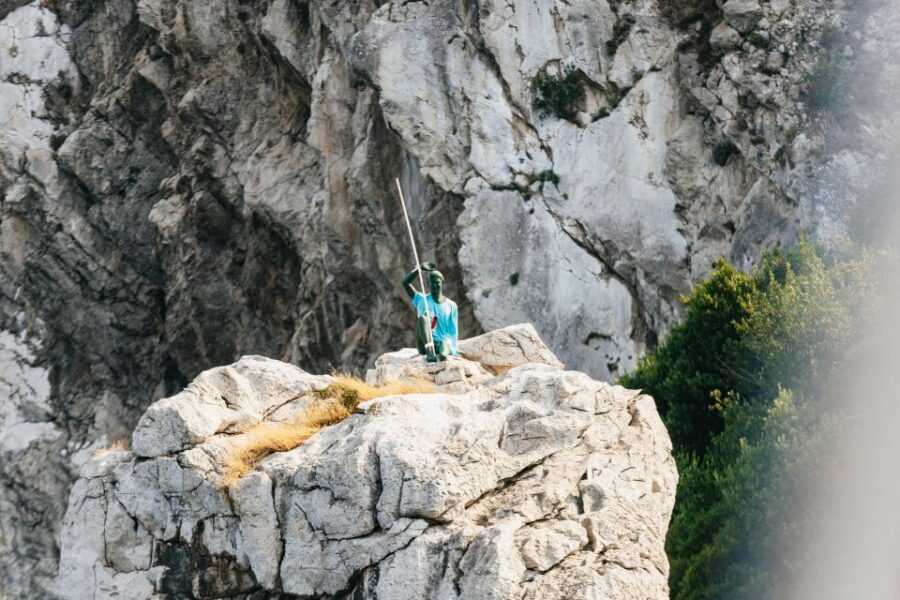
Baia’s marine park has multiple underwater spots—seven, to be exact—and only one of them is associated with statues (named in operator guidance as Emperor Claudio’s Nympheum). Scheduling and water visibility can influence which spot you visit on a given day.
That’s why statues can be a surprise. In one account, the instructor was excellent and the underwater time was fantastic, but the participant was disappointed because the statues shown in promotional photos weren’t part of the day’s actual underwater site. Another detail that matters: the statue view can be a replica, while the original is in a museum.
The practical takeaway: if statues are your top priority, ask in advance which underwater spot is planned for your date, and don’t assume the photos will match your exact day. If statues aren’t available, the better experience many people end up having is focusing on mosaics—many of which are described as iconic, and all of which come from materials that are almost shockingly old.
Naples Logistics and Price: Is It Worth $263?
The price is $263.08 per person for a roughly 5-hour outing. That sounds like real money, but here’s where the value calculation lands when you break it down.
Included in the price:
- Scuba equipment
- All fees and taxes
- Bottled water
- A certified instructor
- Two underwater sessions as part of the Try Scuba format
- English offered
Not included:
- An air-conditioned vehicle
- A 75€ cost from Naples, paid directly to the driver
So you’re paying for trained instruction, gear, and access to the underwater archaeological area on that schedule—not just a guided boat ride. For a first-time scuba experience, that’s exactly what you want your money to cover.
There’s also timing value. The tour is commonly booked about 41 days in advance, which suggests you should reserve early, especially if you’re traveling in a tight window. With a maximum group size of 4 people, fewer spots means you’ll want your dates locked.
Timing, Group Size, and Instructor Attention
A maximum group size of 4 travelers is a quiet but major advantage here. In water, small group size can mean quicker feedback, more attention during checks, and less waiting while someone else gets ready.
This matters a lot for first-timers, because your confidence is built through repetition and clear cues. Feedback repeatedly points to instructors being patient and thorough, which is what you should look for in a beginner-friendly scuba program.
You’ll also want to pay attention to how the day starts. One highlight in feedback is that starting early in the morning made the whole outing feel better. Even if you don’t control the exact schedule, it’s a sign the operator may aim for good conditions when possible.
Who Should Book This Baia Try Scuba Course
This works best if you want three things:
- A beginner-friendly intro to scuba with step-by-step coaching
- A genuine reason to be underwater: Roman ruins in Baia
- A small group and strong instructor focus
It’s also a strong fit if you’re traveling with someone who’s confident in the water, because the experience offers options for experienced scuba participants and snorkelers. That can make planning easier when comfort levels aren’t identical.
If you mainly want the specific statues pictured in marketing, pause and plan smart. Ask directly whether your scheduled underwater spot includes the statue site, and accept that mosaics may be the main focus on many days.
Finally, if you’re older or returning to the water after time away, you’ll likely find this reassuring. One account features a 71-year-old calling it a last dive and describing the day as warm and manageable thanks to the wetsuits and instruction.
Practical Tips for Getting the Most Out of Your Underwater Time
Keep your expectations aligned with how Baia works. Statues can be a “sometimes,” while mosaics are often the dependable centerpiece. If you want statues, ask early; if you get mosaics instead, lean in—many people find they enjoy mosaics more when conditions are good.
Trust the safety brief and take your time during the basics. Instructors are doing more than reciting rules; they’re helping you build muscle memory fast, so you can spend your energy looking at the ruins instead of worrying about your gear.
Warmth is part of enjoyment, and wetsuits are provided. Feedback specifically mentions wetsuits keeping people warm, which suggests you’ll be comfortable enough to focus on the archaeology rather than shivering.
And if you’re the kind of person who hates uncertainty, ask what the education presentation covers for your day. One helpful note from feedback: that presentation clearly explains what you’ll see, which can reduce nerves before you even get in the water.
Should You Book It?
Yes—if your priority is a beginner-friendly scuba intro combined with real underwater Roman ruins at Baia. The included equipment, two supervised underwater sessions, small group size, and strong emphasis on patient coaching make this feel like a “learn and see” experience, not a rushed thrill ride.
Book with one caution: if statues are your must-see item, confirm the planned underwater spot ahead of time. If they can’t line up the statue area, you’ll still likely have an unforgettable day focused on mosaics and close-up artifacts.
If that sounds like your kind of trip, this is a smart use of time from Naples—one that turns the Roman past into something you can feel, not just read about.
FAQ
How long is the experience?
It runs about 5 hours (approx.).
What is the price per person?
The price is $263.08 per person.
What’s included in the tour price?
Scuba equipment, all fees and taxes, and bottled water are included. You also get instruction from a certified instructor and two underwater sessions are included.
Is pickup offered from Naples?
Pickup is offered.
Is the cost of getting from Naples included?
No. There is an extra 75€ cost from Naples that you pay directly to the driver.
Is the experience offered in English?
Yes, it’s offered in English.
How many people are in the group?
The maximum group size is 4 travelers.
Is this suitable for beginners?
Yes. The Try Scuba program is designed for beginners and includes a tutorial with a certified instructor.
Will I see statues underwater?
Not always. Baia includes multiple underwater spots, and only one is associated with statues. Water visibility and marine park scheduling can affect which spot you visit.
What happens if the weather is bad or I need to cancel?
The experience requires good weather. If it’s canceled due to poor weather, you’ll be offered a different date or a full refund. You can cancel for a full refund up to 24 hours in advance.