REVIEW · NAPLES
Rione Sanità: Lux in Fundo – 2,5 hour Guided Tour
Book on GetYourGuide →Operated by La Sorte · Bookable on GetYourGuide
A surprising art tour in a real neighborhood. This 2.5-hour guided walk in Rione Sanità connects Baroque churches and contemporary works by the artist Jago, with the streets acting like part of the museum. I particularly like the way the route moves you from a striking blue church to the Basilica of San Severo Fuori le Mura, and then closes with the Piazza Sanità street art called Luce. One thing to keep in mind: the tour is strictly timed, so if you show up late, you can miss the start and lose the chance to join.
I also like that you get more than sightseeing. You hear how the art in this area is meant to create change and new ideas, not just decoration. The churches themselves are also a treat: you’ll see the Church of Sant’Aspreno ai Crociferi, plus the Chiesa di Santa Maria Maddalena ai Cristallini, and finish with Jago’s Veiled Son in the White Chapel context. A possible drawback is the pacing: expect walking between stops, so plan on comfy shoes and a steady tempo rather than long sit-down breaks.
Finally, this tour is priced at $18 per person, which is a solid value for a guided 2.5-hour loop that includes multiple church visits and entrances. The tour is rated 4.8 with 26 reviews, which matches what you’re paying for: structure, access, and a story that ties the stops together. Just remember it runs in Italian, so if your Italian is limited, go in with the expectation that you’ll rely on the guide’s explanations more than on written handouts.
In This Review
- Key things to notice on this Lux in Fundo tour
- Where the tour starts: Sant’Aspreno ai Crociferi and Rione Sanità’s starting point
- Inside the Jago museum: twenty shades of blue and the art-of-change story
- The walk through Borgo dei Vergini and Rione Sanità: why the streets matter
- Chiesa di Santa Maria Maddalena ai Cristallini: another church stop with a different feel
- Basilica of San Severo Fuori le Mura: a major stop with Jago context
- Veiled Son of Iago in the White Chapel: the sculpture moment you came for
- Piazza Sanità and the Luce murals: finishing with street-level art energy
- How good value really works here: $18 for two-and-a-half hours with multiple entrances
- Timing, language, and meeting point: the practical bits that can make or break your day
- Who this tour fits best (and who should skip it)
- Should you book Rione Sanità Lux in Fundo?
- FAQ
- FAQ
- Where does the tour start?
- How long is the guided tour?
- What is included in the price?
- Is the tour in English?
- Where does the tour end?
- Do I need to arrive early?
- What happens if I arrive after the tour has departed?
- How flexible is cancellation?
- Can I reserve and pay later?
- Is the ticket flexible for different times?
Key things to notice on this Lux in Fundo tour
- Jago’s contemporary installations inside historic places, including the Veiled Son and the marble-and-dream concept tied to the works.
- A very specific blue-church experience, where the Church of Sant’Aspreno ai Crociferi is repainted in twenty shades of blue.
- The Borgo dei Vergini route, which helps you understand Rione Sanità as more than a backdrop.
- Multiple church interiors with different flavors: Baroque/Rococo feel, a baroque chapel, and the Basilica of San Severo Fuori le Mura stop.
- Finish with Luce murals in Piazza Sanità, so the tour ends with color and street-level energy.
- Italian-guided, timed entry, so arriving early matters for getting in smoothly.
Where the tour starts: Sant’Aspreno ai Crociferi and Rione Sanità’s starting point
The tour begins at Piazzetta Crociferi, 4, at the ticket office at the entrance to the Church of Sant’Aspreno ai Crociferi. Even before you enter, you’ll notice the setting: this is at the beginning of the ancient village of the virgins, in Rione Sanità, so you’re walking into a neighborhood with a sense of place, not a curated bubble.
This church is the anchor for everything that follows. It’s described as a magnificent Baroque and Rococo building, and the tour uses that drama as a jumping-off point for modern art. In other words, you don’t just pop into one pretty building. You start with a big visual statement and then the guide builds a bridge from the historic to the contemporary.
Practical tip: plan to be there early and let yourself settle. The tour ticket is valid only for the day and time purchased, and you need to arrive 15 minutes before to keep the rhythm going. That early arrival can matter more here than on a slow “meet anytime” walking tour.
You can also read our reviews of more guided tours in Naples

Inside the Jago museum: twenty shades of blue and the art-of-change story
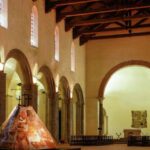
Your first major stop is the Church of Sant’Aspreno ai Crociferi as the Jago Museum phase of the experience. This is where the tour’s theme clicks: art here isn’t treated like a separate world. It’s presented as a tool for generating change and innovation, using the church’s visibility and symbolism as part of the message.
One of the most memorable details is the description of the church being repainted in twenty shades of blue. That’s not a vague “blue church” moment. It sounds like a deliberate spectrum meant to shift how you see the space as you move through it. If you’ve ever walked into a church expecting one color and then realized the light changes everything, you’ll appreciate what this kind of repainting is trying to do.
The tour also highlights contemporary works by Jago, including how a block of marble takes shape and brings to life the dreams of the sculptor. Even if you only catch part of the artist’s explanation, the idea is simple and powerful: sculpture and space can shape what people imagine is possible.
What I like about this stop: it’s sensory. You’re not only hearing facts; you’re looking at materials, color, and placement. The guide’s job is to connect those visual cues to the bigger story of why art belongs in a living neighborhood.
Potential consideration: because the guide is explaining in Italian, be ready to follow the main thread even if you miss a few details. Visual moments here do a lot of the communication.
The walk through Borgo dei Vergini and Rione Sanità: why the streets matter
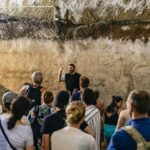
After the church phase, you move out into the Borgo dei Vergini and Rione Sanità walking sections. This part is important, and it’s easy to underestimate. Some tours treat the street as just a connector between big sights. Here, the walking is part of the meaning.
You’ll get a sense of the area’s identity through the way the route is laid out. The tour plan specifically includes walks through Rione Sanità multiple times, which suggests the guide wants you to see how the neighborhood changes as you go—how walls, viewpoints, and small passages affect what the art and architecture mean.
You’ll also pass Palazzo dello Spagnuolo as a stop on the route. Even without extra “palace lecture” details, a stop like that in the middle of a street walk signals that this neighborhood has structure and identity beyond the churches. For your photos and your understanding, that’s a plus.
Best use of this portion: slow down when the guide pauses for explanations. If you rush through the walk, you’ll miss the points that make the tour feel connected instead of random.
Chiesa di Santa Maria Maddalena ai Cristallini: another church stop with a different feel
Next comes Chiesa di Santa Maria Maddalena ai Cristallini, a guided visit. This is where the tour adds variety by changing the architectural “mood” from the first church. It’s also a strong contrast within the theme: you start with a blue, contemporary-leaning experience tied to Jago, and you continue with another church setting that deepens the historical layer.
The name itself signals something specific, and even if you don’t know the details yet, you’ll likely see why this church gets attention. The tour approach is practical: you’re guided inside, you’re shown what to look for, and you connect the interior experience back to the overall idea that art and faith can share the same physical stage.
What to expect here: a guided interior visit that breaks up the pace. If you’ve been in Naples long enough to feel like you’ve seen a lot of churches, this one works because it’s part of a designed route with contemporary art framing the whole thing.
Basilica of San Severo Fuori le Mura: a major stop with Jago context
Then the tour moves to the Basilica di San Severo Fuori le Mura. This is a headline-level landmark in the area, and placing it mid-tour makes sense. You’re no longer only thinking about the Jago museum elements—you’re now in a bigger, weightier setting.
This stop is included with entrance and a guided component as well. The tour ties it back to Jago through what happens later with the sculpture. In other words, you’re not just arriving at a famous basilica and hoping you get the connection on your own. The guide helps you understand where the contemporary installation fits within the broader architecture and setting.
Practical moment: save your best attention for interior details. When you’re inside, your eyes adjust to lighting and scale. Take a second to look upward and then back down. In churches like this, the “first look” can be misleading. The guided direction helps you find what you’d otherwise miss.



Veiled Son of Iago in the White Chapel: the sculpture moment you came for
The tour’s contemporary centerpiece is Veiled Son of Iago, described as part of the White Chapel context. This is where the tour name “Lux in Fundo” starts to feel literal: light, sculpted form, and a sense of meaning created by placing a modern artwork within a historic space.
You’ll see Jago’s work as a block of marble that takes shape and transforms into something that feels close to dreams—art not as a “thing you look at,” but as a kind of experience. This is the stop where people tend to pause longer, because the visuals ask for time.
What I like most: the tour’s setup makes this moment land. You’ve already seen how color and contemporary ideas can work inside churches. You’ve walked through the neighborhood and learned the framing. So when the Veiled Son appears, it feels like the payoff rather than a random detour.
If you’re the type who likes taking photos, don’t just shoot fast. Look, then reframe. The White Chapel context is the kind of space where angle and distance change what you feel from the sculpture.
Piazza Sanità and the Luce murals: finishing with street-level art energy
The tour ends back at Piazza Sanità, and the route calls out the Luce murals as the closing visual. Ending here matters because it shifts the art conversation from interior to street. You leave with the feeling that the neighborhood is part of the canvas.
This is also the easiest place to take in the big picture. After multiple church interiors and a sculpture-focused stop, the plaza mural moments put everything back into real public space. It’s a clear reminder that art isn’t only meant for rooms. It can live where people actually walk, wait, and talk.
If you still have energy afterward, Piazza Sanità is the kind of area where you can keep exploring at your own pace—using what you learned on the tour to guide where you look next.
How good value really works here: $18 for two-and-a-half hours with multiple entrances
Let’s talk money. At $18 per person for a 2.5-hour guided tour, you’re not paying just for a friendly walk. You’re paying for:
- guided access inside the Church of Sant’Aspreno ai Crociferi
- a guided interior visit at Chiesa di Santa Maria Maddalena ai Cristallini
- entrance and guided time at the Basilica of San Severo with the Veiled Son by Jago focus
For Naples, church-heavy tours can cost more once you factor in guided instruction and entry. Here, the inclusion of multiple sites makes the price feel reasonable—especially if you’d otherwise have to spend time figuring out what’s worth paying for and what’s best seen with context.
Also, the guided component is the reason this is worth it. The tour isn’t just moving you between doors; it’s connecting color, sculpture, and neighborhood identity into one story of art as change.
Who gets the best value: people who enjoy modern art inside historic spaces, and people who like their city tours with an actual point of view.
Timing, language, and meeting point: the practical bits that can make or break your day
This is a timed experience with Italian-only live guiding. If you don’t speak Italian fluently, you can still enjoy it because the visuals carry a lot of weight, but your listening will be the main tool for understanding the art’s meaning.
Arrive early. The tour asks you to be at the ticket office 15 minutes before the booked time. If you arrive after the tour departs, you won’t be able to join subsequent tours and won’t get a refund. That’s not a “maybe.” It’s firm.
The ticket is valid only for the day and time purchased, so don’t treat it like a flexible ticket.
If your schedule is tight, use this to your advantage: 2.5 hours is short enough to fit between other Naples plans, but long enough to feel like you actually learned something and saw multiple interiors.
Who this tour fits best (and who should skip it)
I’d strongly consider booking this tour if you:
- like contemporary art tied to real places, not isolated museum rooms
- want a structured way to see Rione Sanità without getting lost on your own
- enjoy churches but want them explained through a modern lens
- want a manageable 2.5-hour plan that includes multiple stops
You might think twice if you:
- need a slow tour with lots of downtime between stops
- rely on English-language guidance, since the guide is Italian
- don’t want to commit to an exact start time and early arrival
Overall, it’s a good fit for curious travelers who like both architecture and art—and who enjoy learning how meaning gets built in public spaces.
Should you book Rione Sanità Lux in Fundo?
I’d book it if you want a short, guided Naples experience that mixes Baroque churches with Jago’s contemporary works and then lands in the street at Piazza Sanità. The price makes sense for what’s included, and the route seems designed to connect art to neighborhood identity rather than just stack photo stops.
Skip it only if language is a hard barrier for you or if you strongly prefer self-guided wandering over a timed guided story. If neither is true, this is the kind of tour that gives you a clearer picture of Rione Sanità in one afternoon block.
FAQ
FAQ
Where does the tour start?
It starts at the ticket office at the entrance to the Church of Sant’Aspreno ai Crociferi, at Piazzetta Crociferi, 4.
How long is the guided tour?
The tour duration is 2.5 hours.
What is included in the price?
It includes entrance and a guided tour of the Church of Sant’Aspreno ai Crociferi, a guided tour of the Church of Santa Maria Maddalena ai Cristallini, and entrance and guided time at the Basilica of San Severo Fuori le Mura with the Veiled Son by Jago.
Is the tour in English?
No. The live tour guide is Italian.
Where does the tour end?
The activity ends back at the meeting point, and the route finishes at Piazza Sanità.
Do I need to arrive early?
Yes. You need to arrive at the ticket office 15 minutes before the booked time.
What happens if I arrive after the tour has departed?
If you arrive after departure time, you won’t be able to participate in subsequent tours and won’t receive a refund.
How flexible is cancellation?
You can cancel up to 24 hours in advance for a full refund.
Can I reserve and pay later?
Yes. You can reserve now and pay later.
Is the ticket flexible for different times?
No. The ticket is valid only for the day and time purchased.