REVIEW · POSITANO
Positano: Old Town Walking Tour with Archaeologist Guide
Book on GetYourGuide →Operated by Tour Guide Naples SRL · Bookable on GetYourGuide
Positano rewards your steps. This 2-hour small-group walk pairs Old Town lanes with a very practical goal: you’ll connect what you see above ground with what’s been found beneath it. I love how the route uses staircases and viewpoints to explain the town’s layout, and I love that you also get an underground Roman villa visit with frescoes, guided by an archaeologist.
There’s one big catch to plan for: this is a lot of walking, including stairs down toward the beach, and the hills mean you’ll work your legs.
The tour is guided by a local licensed guide, and the archaeological side is led by an archaeological guide. Guides like Lucianna and Emilia show up in the guide reports I read—both praised for being enthusiastic and clear, which matters when the route is twisting and the views keep pulling your attention.
In This Review
- Key things to know before you go
- Why Positano’s stairs matter more than you think
- Start at Hotel Pasitea: getting oriented without the crush
- Central beach viewpoints and the Fornillo break
- Downtown Positano crafts: ceramics, sandals, shoemakers
- Santa Maria Assunta and the forts that frame the town
- The underground Roman Villa: frescoes under Positano
- Price and value: what you’re really paying for
- Pacing, stairs, and what to wear so you enjoy it
- Should you book this Positano walking tour?
- FAQ
- Where does the tour start?
- How long is the tour?
- How big is the group?
- What’s included in the ticket price?
- Is the tour guided in multiple languages?
- Is the tour rain or shine?
- Does it involve stairs?
- Is it suitable for wheelchair users?
- Are baby strollers allowed?
- What is the cancellation flexibility?
Key things to know before you go
- Small group (max 10 people) keeps the pace friendly on narrow lanes and staircases.
- Underground Roman Villa with frescoes is the standout cultural stop, explained with an archaeologist guide.
- Beach time that feels local includes Fornillo, where the tour highlights where locals sunbathe.
- Downtown craft streets feature ceramic shops, sandal makers, shoemakers, and local artist galleries.
- Real landmark sequence: medieval-era fort views plus the Church of Santa Maria Assunta tied to an older Benedictine monastery.
Why Positano’s stairs matter more than you think
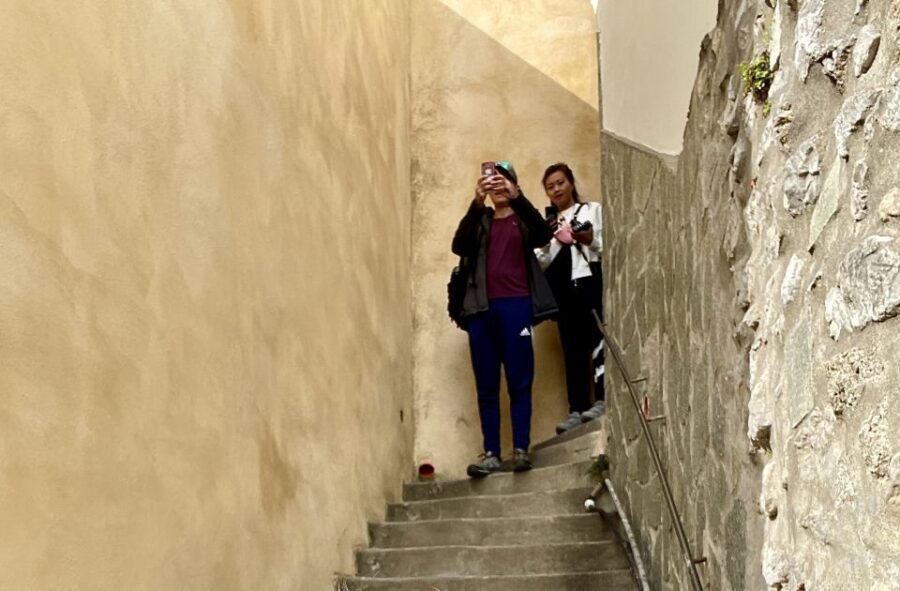
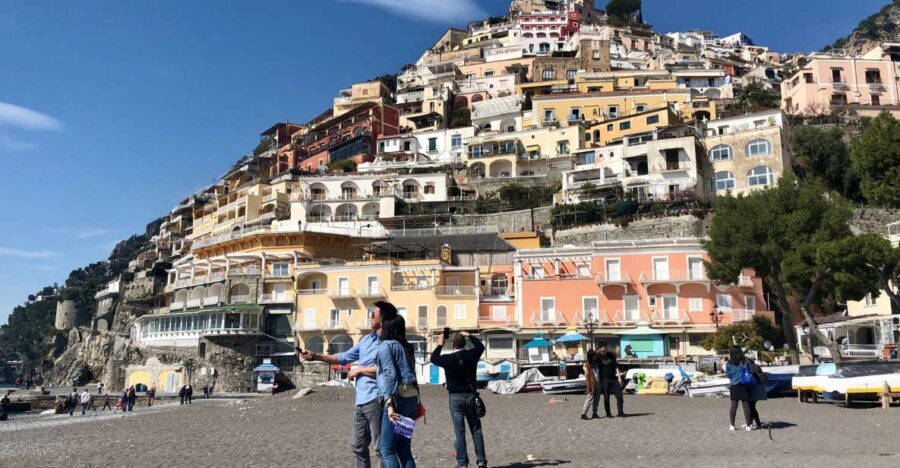
A walking tour in Positano can either feel like sightseeing-by-stairs… or like a story you can follow. This one leans hard into the town’s vertical logic. You’ll move from the higher Old Town areas down toward the beaches, then back up again through the working lanes where shops and crafts live.
What I like about this approach is that it helps you stop treating the town like a postcard and start understanding it like a place. Positano wasn’t built for flat strolls. It’s compact, steep, and made of steps, paths, and terraces. When your guide points out where you are in relation to landmarks, the town’s layout starts to click fast—especially when you’re watching the waterline shift in front of you.
The other reason this tour’s design works is the pairing of everyday life with archaeological context. You’ll go from fine shops and restaurant frontages to a site that was once a Roman villa underground. That contrast makes the town’s layered timeline easier to feel. One minute you’re noticing storefront details like ceramics, sandals, and shoemakers; the next you’re in a space where frescoes survive underground. It’s a simple format, but it lands.
If you’re short on time and you want “more than views,” this is the kind of tour that earns it.
You can also read our reviews of more walking tours in Positano



Start at Hotel Pasitea: getting oriented without the crush
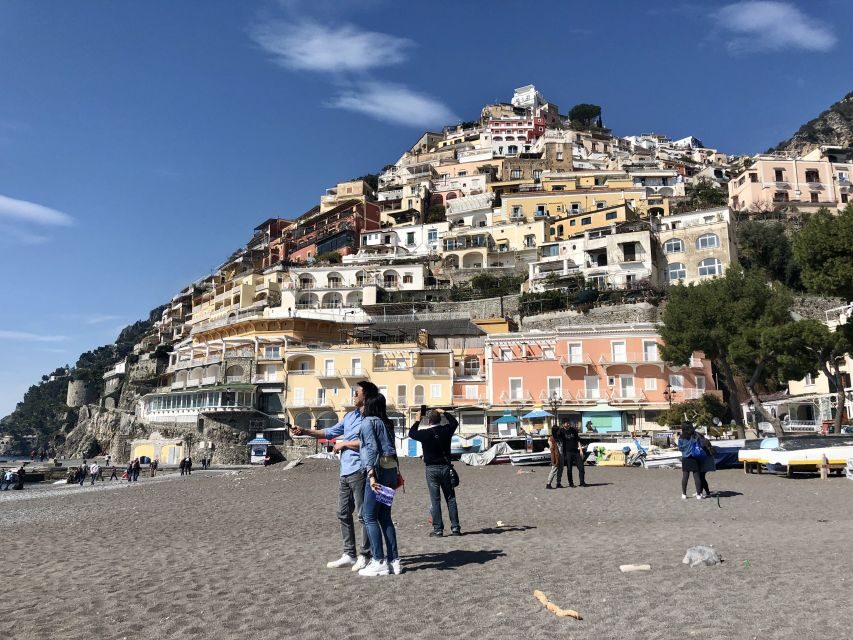
The tour begins at the main entrance of Art Hotel / Hotel Pasitea. From there, the focus is on helping you get your bearings quickly—before crowds and impatience take over.
The route is designed to help you leave the busier feel behind for a more thoughtful walk. You’ll follow your guide through hidden paths and staircases, which is where the tour earns its “small-group” claim. With up to 10 participants, you’re less likely to get swallowed up by the flow of people and more likely to hear what the guide is pointing out.
You’ll also pass key historical framing along the way, including mention of a 13th-century fort from the medieval age. Even if you don’t stop for a long photo-session at every viewpoint, just seeing that kind of landmark within the walking sequence helps you understand that Old Town Positano has always been about protection, movement, and vantage points—not just pretty lanes.
And yes, you’ll get photo moments, but the real value is orientation. Positano is famous, which means it can be easy to wander without direction. This walk gives you direction. It also gives you someone to ask questions to while you’re still fresh—before you’re too winded to think.
If you like tours that do more than repeat the obvious, this is that style.
Central beach viewpoints and the Fornillo break
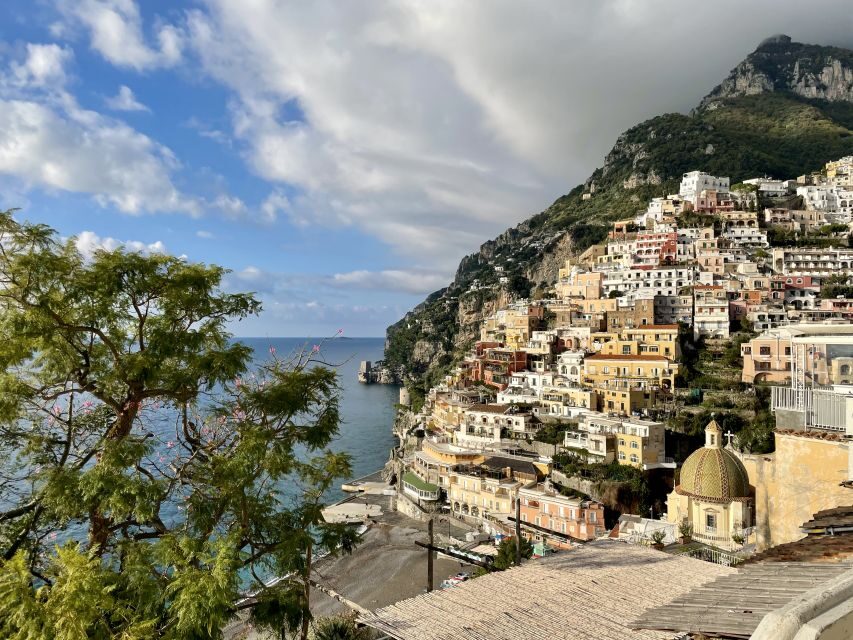
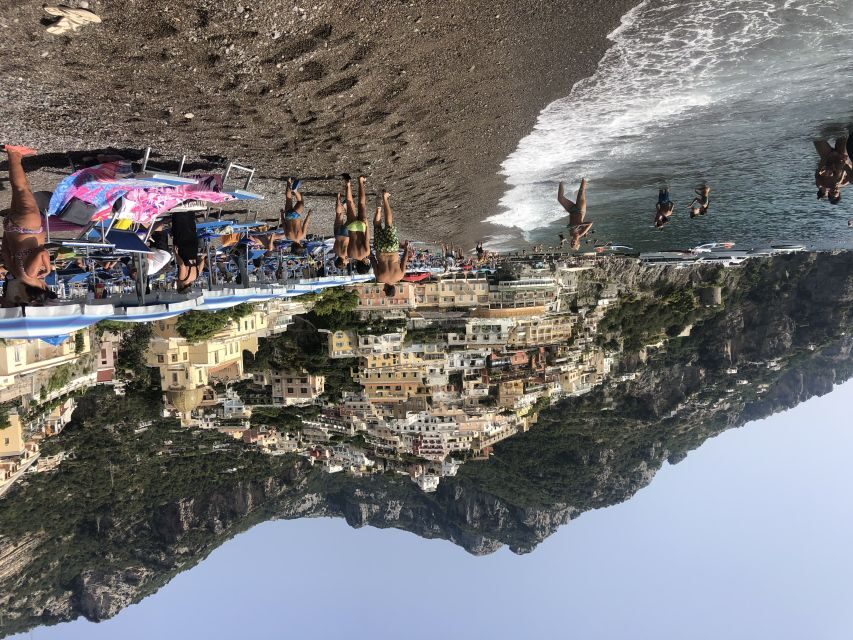
One of the tour’s highlights is the time spent looking out from the central beach area—where you can actually feel why Positano looks the way it does from shore. The route doesn’t just show you water; it shows you how the town steps down to it.
Then comes Fornillo Beach, highlighted as the place locals go to sunbathe. That detail matters because it changes how you experience the beach zone. Instead of treating the coastline like a single “main attraction,” you notice the character differences. Fornillo is framed as a quieter, more local rhythm—exactly the kind of contrast that makes a short tour feel worthwhile.
Also, the itinerary gives you a transition from viewpoints to beach-level reality. You’ll walk down toward the beaches (and those steps are part of the deal). Once you’re near the shoreline, you’ll feel the shift: cooler air from the sea, more sound, and that classic Positano mix of water views and tight streets above.
A practical note: if you go in expecting a leisurely promenade, you might be surprised. The beach break is built into a walking program, not a free day at the shore. Still, it’s enough time to enjoy the moment and keep your energy for the rest of the route.
If your day already includes beach time somewhere else, this tour still works because it adds context—how Positano’s neighborhoods relate to the water.
Downtown Positano crafts: ceramics, sandals, shoemakers
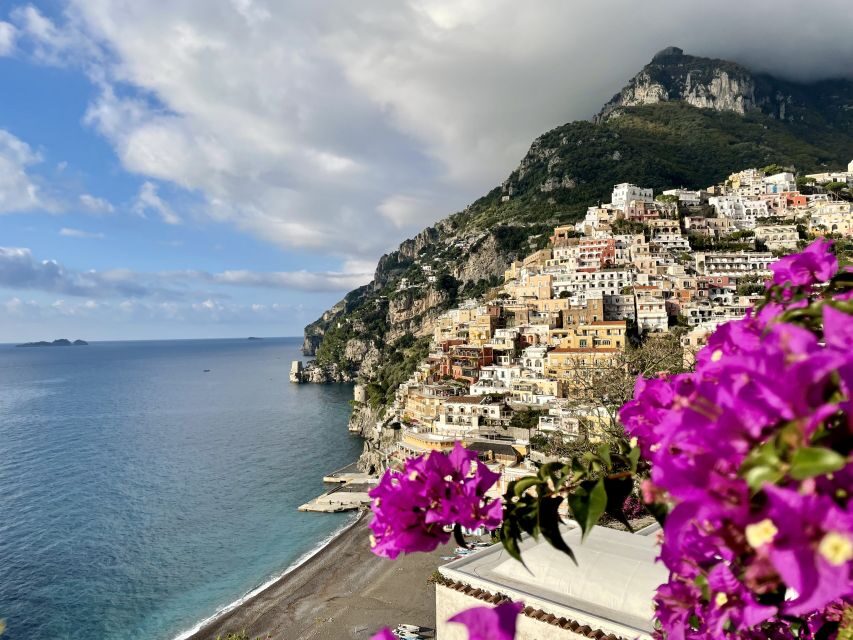
After the Old Town and beach-side portion, the tour shifts toward Downtown Positano, and this part is more than window-shopping. You’re guided through lanes where the details are the point: ceramic shops, sandal makers, shoemakers, and galleries featuring local artists.
Why I think this segment is valuable: it’s a different kind of authenticity. It’s not only about historic stone. It’s about current craft traditions and the everyday economy of the town. Positano may be famous for luxury, but it still functions as a working village with makers and trades.
You’ll also work your way uphill along these craft streets, and that’s part of why the guide matters. In a town like this, it’s easy to wander in circles. Your guide keeps the route purposeful—so the shopping area feels like a destination, not a random stretch of storefronts.
The route timing also helps. Instead of arriving downtown when everyone is tired and cranky, you’ll have the guide’s guidance in the moment when you’re most able to notice details. That’s when a ceramic shop’s displays can turn into an interesting conversation about materials and local design.
If you love souvenirs that aren’t mass-produced, this is a nice place to focus. Even if you don’t buy anything, you’ll leave with a better sense of what people actually do here—beyond hospitality and photos.
Santa Maria Assunta and the forts that frame the town
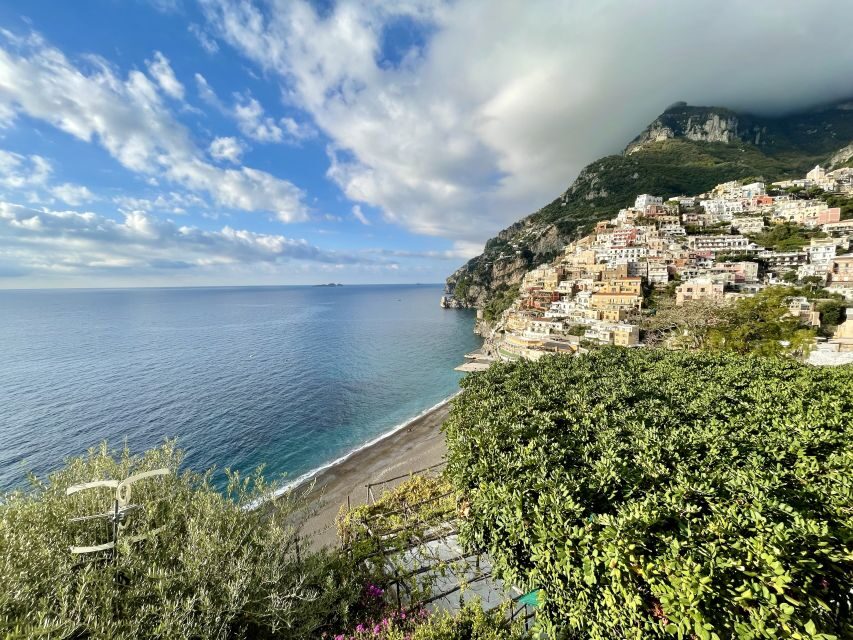
As you continue the uphill path, you approach the Church of Santa Maria Assunta. The tour highlights a key historical link: the church was originally the abbey of Positano’s 10th-century Benedictine monastery.
That’s a big deal because it turns the church from a single stop into a clue about how Positano’s social life evolved. Monasteries weren’t just religious spaces; they also shaped education, land use, and community structure in many places around Italy. Even if you don’t go deep into theology on the walk, the “10th-century origin” connection gives you a clear time anchor.
On top of that, earlier in the route you’ll encounter references to the 13th-century fort and the medieval framing it provides. The fort detail is practical. When a place has steep terrain, fortifications and vantage points stop being abstract history and start looking like necessary design.
When you string together fort + monastery-origin church + underground Roman site later in the tour, you get a timeline you can feel. You’re not just collecting places—you’re understanding why these places ended up where they did and what they were trying to accomplish.
At this stage, your legs will definitely be working. So this part is best enjoyed with a simple mindset: keep moving, stop when the guide asks, and let the viewpoints do the heavy lifting for your photos.
You can also read our reviews of more guided tours in Positano





The underground Roman Villa: frescoes under Positano
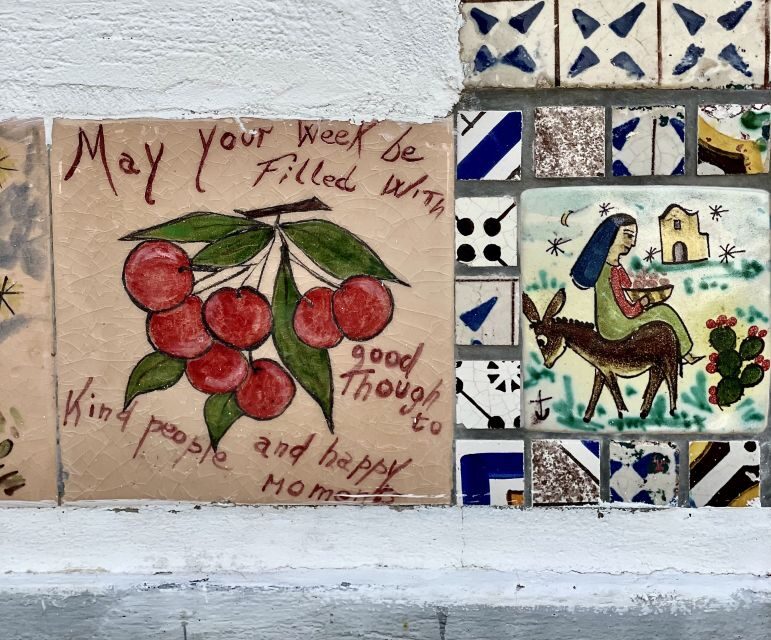
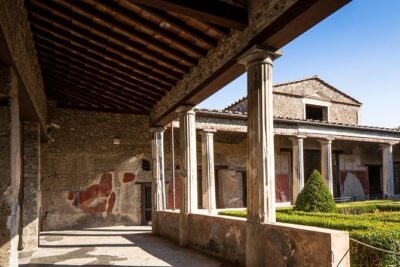
The headliner is the underground Roman Villa, recently discovered and open to the public with fresco paintings. This is where the “archaeologist guide” piece becomes more than marketing. You’re not just touring the idea of Roman Positano—you’re physically in a Roman-era space, learning what the discovery means.
Roman villas weren’t ordinary rooms. They were status spaces—places designed for living, gathering, and display. The tour’s focus on the frescoes helps you understand that visual storytelling was part of how wealth and culture were expressed.
Being underground also changes your experience. Light is different. Surfaces feel different. Even if you’re not an archaeology nerd, you’ll notice how the setting explains why frescoes can survive and why discoveries like this matter for understanding the area’s deeper past.
This stop is also a relief from the outdoor steepness. Yes, you’re still on a schedule, but the villa visit gives you a moment to slow down and absorb information in a more controlled environment. And because you have an archaeological guide, you’ll get explanations that connect what you see on the walls to the larger story the guide is building all along.
When you leave, you’ll likely notice the town differently. The lanes won’t feel random anymore. They’ll feel like the top layer of a much older place, stacked over time.
Price and value: what you’re really paying for
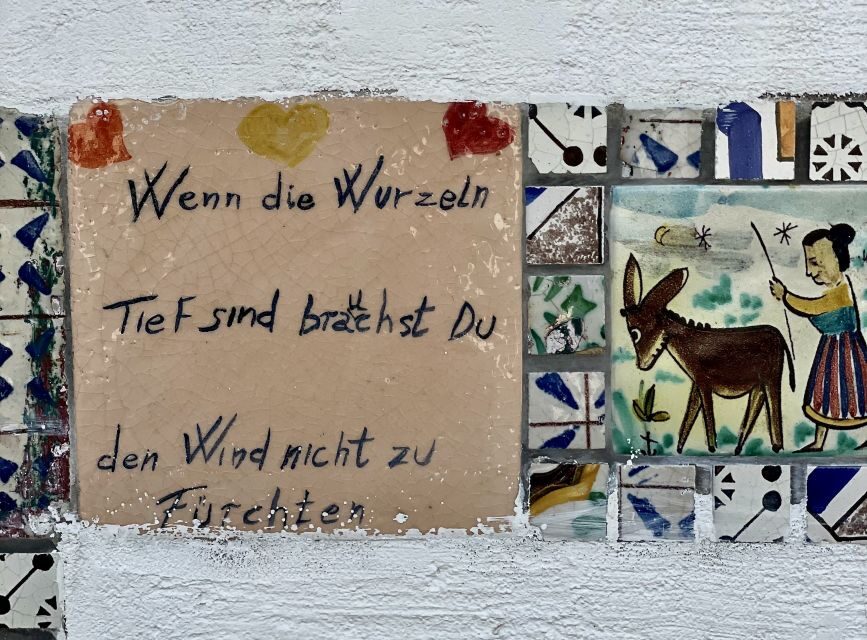
At $112.15 per person for about 2 hours, this tour isn’t a budget impulse buy. But it’s also not “just a stroll.” You’re paying for three things bundled together:
- a local licensed guide who can navigate Positano’s layout and context
- a Roman villa entrance ticket
- an archaeological guide for the underground site
Add up what those components usually cost on their own, and the price starts to make sense as value—not as a bargain, but as a fair package for a high-touch experience.
The other value factor is group size: limited to 10 participants. In a place like Positano, crowding can ruin tours. Small groups mean you spend less time waiting and more time walking purposefully with someone who can keep you oriented.
Also, rain or shine: the tour runs regardless of weather. That matters on the Amalfi Coast, where conditions can change quickly, and you still want a structured plan that isn’t derailed by a cloudy hour.
If you want Positano “in layers”—beach views, craft streets, church origins, and Roman frescoes—this price targets exactly that.
Pacing, stairs, and what to wear so you enjoy it
This tour involves significant walking, and the way down to the beach includes stairs. That’s not a side note—it’s the main physical reality of the day.
Here’s how to make it enjoyable:
- Wear shoes with traction. Stone steps can be slick, especially near the beach area.
- Bring water. The walk is short in duration, but it’s steady in effort.
- Plan for photo stops to be brief. The guide’s timing matters, and the route is designed to keep moving.
- If you’re sensitive to steep climbs, pace yourself on the uphill segments and use viewpoints as recovery moments.
Your goal isn’t to conquer the stairs heroically. Your goal is to keep enjoying what you’re seeing. When you accept that the town is steep and the tour is structured around that, the effort stops feeling like a penalty and starts feeling like part of the experience.
Also, it’s a small group with live guidance in multiple languages (English, Italian, German, Spanish). If language clarity matters for you, this is a nice sign of how the tour is meant to run.
Should you book this Positano walking tour?
Book it if you want more than scenery in a short time. This walk is a good fit when you like structure: beach viewpoints, craft streets, a landmark church with monastic origins, and the underground Roman Villa with frescoes and an archaeologist guide.
Skip it if you dread stairs. With steep lanes and steps down toward the beach, it’s not the kind of tour you can “power through” casually.
If you’re ready to trade a slow beach day for an active, story-driven route, you’ll likely find this an excellent way to understand Positano quickly—and leave with photos plus context, not just postcards.
FAQ
Where does the tour start?
You meet your guide in front of the main entrance of Art Hotel / Hotel Pasitea.
How long is the tour?
The tour is listed as 2 hours (starting times vary, so check availability).
How big is the group?
It’s a small group limited to 10 participants.
What’s included in the ticket price?
Included are a local licensed guide, an archaeological guide, and the Roman villa entrance ticket.
Is the tour guided in multiple languages?
Yes. Live tour guide languages listed are English, Italian, German, and Spanish.
Is the tour rain or shine?
The tour takes place rain or shine.
Does it involve stairs?
Yes. There’s a significant amount of walking, and the way down to the beach involves stairs.
Is it suitable for wheelchair users?
No. It is not suitable for wheelchair users.
Are baby strollers allowed?
No. Baby strollers are not allowed.
What is the cancellation flexibility?
It offers free cancellation up to 24 hours in advance for a full refund, and it also notes a reserve now & pay later option.