REVIEW · NAPLES
Pompeii and Herculaneum: Private Tour with Transportation
Book on GetYourGuide →Operated by Askos Tours · Bookable on GetYourGuide
Pompeii and Herculaneum in one day feels like time travel. What makes this tour click is the combo of private guiding plus door-to-door transportation, so you spend your energy on the ruins instead of logistics. I also love the contrast: Pompeii is big and intense, while Herculaneum is smaller and far better preserved. The one drawback to plan for is pace—this is a walk-heavy day, and Pompeii alone can feel like a full workout.
What I really value is how the guides translate the stones into people. Guides such as Alfredo, Francesco, and Gabriella are praised for turning the sites into stories you can follow, and that’s exactly what you want when you’re trying to understand a city that was buried in 79 A.D. With tickets included and a guide who can buy them fast, you also avoid the annoying waiting game. The other thing to keep in mind: food and drinks are not included, so you’ll want to budget for lunch.
In This Review
- Key things you’ll notice on this Pompeii + Herculaneum tour
- Two ancient cities, two very different burial stories
- The van plan: getting there without turning your day into a commute
- Pompeii’s western side: how the two-hour walk saves your sanity
- Lunch stop: why the timing works (and what to budget)
- Herculaneum: where the preservation makes the past feel close
- Price and logistics: what you’re paying for, and when it’s worth it
- The guides make it: names to look for and what good guiding changes
- Timing, tickets, and what to bring so the day runs smoothly
- Walking reality check: comfort tips for Pompeii plus Herculaneum
- Should you book this Pompeii and Herculaneum private tour?
Key things you’ll notice on this Pompeii + Herculaneum tour
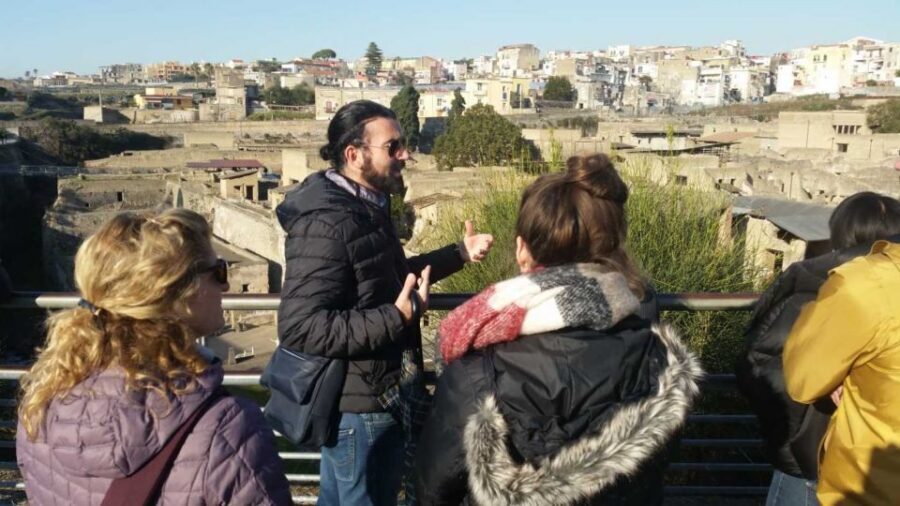
- Private guided time focused on major sights, not wandering around guessing
- Herculaneum preservation explained clearly, with examples like intact paintings, mosaics, and carbonized wood
- Pompeii’s western highlights covered in a structured two-hour walk that helps you pick what matters most
- Better use of your day thanks to included van transport from Naples, Salerno, Amalfi, Positano, or Sorrento
- Tickets included with a skip-the-line setup via your guide (about 10 minutes to handle)
Two ancient cities, two very different burial stories
You’re seeing two Roman towns that share one dramatic ending: Mount Vesuvius erupted in 79 A.D. Pompeii was buried under several meters of ash—about four to five meters is often cited—which helps explain why parts can feel more weathered and broken up. Herculaneum’s story is different: it was buried under mud from a landslide, reported at around 20 meters deep, which is a big reason the remains are so well preserved.
This matters for how you experience each place. Pompeii can feel like you’re walking through a whole living town that suddenly stopped, but you’ll also deal with crowds, uneven ground, and a lot to take in. Herculaneum tends to feel more intimate and “readable,” because the preservation includes details people often miss on the faster, less structured visits.
You can also read our reviews of more private tours in Naples



The van plan: getting there without turning your day into a commute
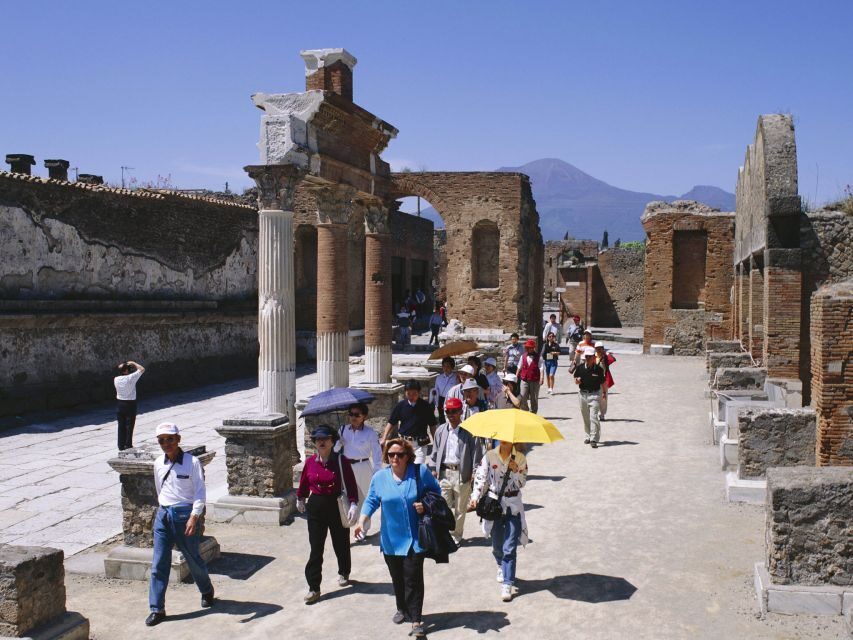
I like tours that protect your time, and this one does that by building in private transportation from your selected pickup point. You can start from Naples, Salerno, Amalfi, Positano, or Sorrento, and a driver handles the ride so you don’t have to puzzle out public transit or worry about parking.
Expect short transfer segments between the two archaeological sites. You’ll also have a break tied to lunch before you head to the second ruin. For most people, that rhythm is the difference between enjoying the day and feeling frazzled.
One practical note: the tour is not suitable for wheelchair users, and luggage or large bags are not allowed. If you’re traveling with a lot of stuff, plan to travel light.
Pompeii’s western side: how the two-hour walk saves your sanity
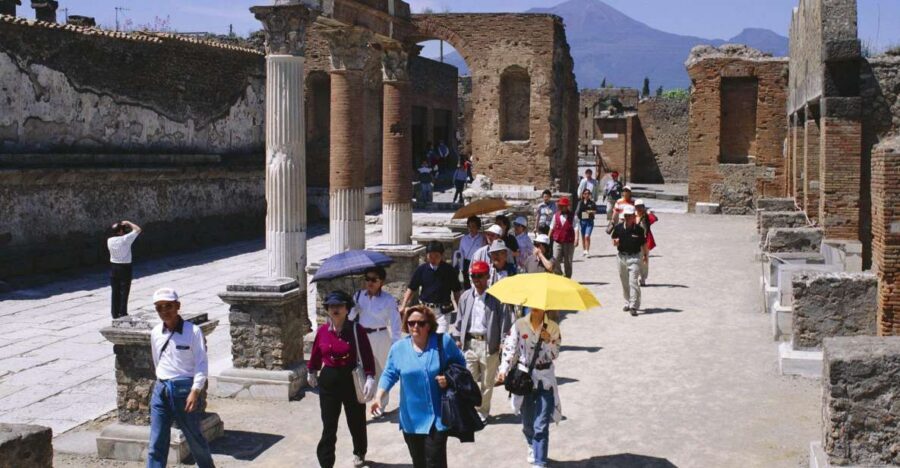
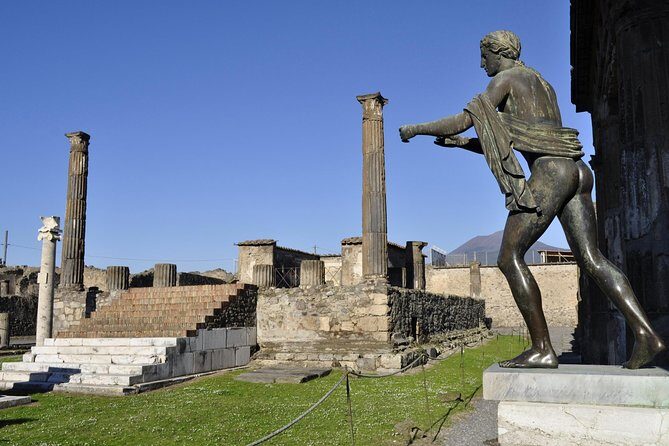
Pompeii is huge, so the real question is: how do you see the important parts without spending your whole life there? This tour tackles Pompeii with a two-hour guided walk focused on the western part of the ancient town.
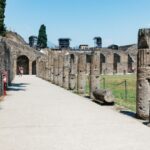
You’ll hit major anchors that help you understand how Pompeii worked as a city. Expect stops that shape your view of civic life and everyday routines, including:
- Marina Gate to orient you fast
- The Basilica and Forum, so you can picture the public center where people met, traded, and argued
- Forum baths, which connect the city to Roman ideas of health and social life
- The Lupanar, Pompeii’s famous brothel site
- The bakery, a reminder that food production wasn’t an “afterthought” in Roman cities
- A cluster of houses and landmarks, including the House of Faun and the House of the Tragic Poet
- The Termopolium Capuano, showing how quick meals and street-level eating fit into daily life
- The plaster casts, which bring the human side into sharper focus
Here’s my practical take: in Pompeii, it’s easy to get lost in “what is this building?” and “which street am I on?” A guided structure keeps you oriented, so the ruins feel like an organized town instead of a random spread of walls.
The one consideration is intensity. Pompeii is a lot—physically and mentally. Even with a guide, two hours can pass quickly, and you’ll likely wish you had more time for a deeper wander through the side streets.
Lunch stop: why the timing works (and what to budget)
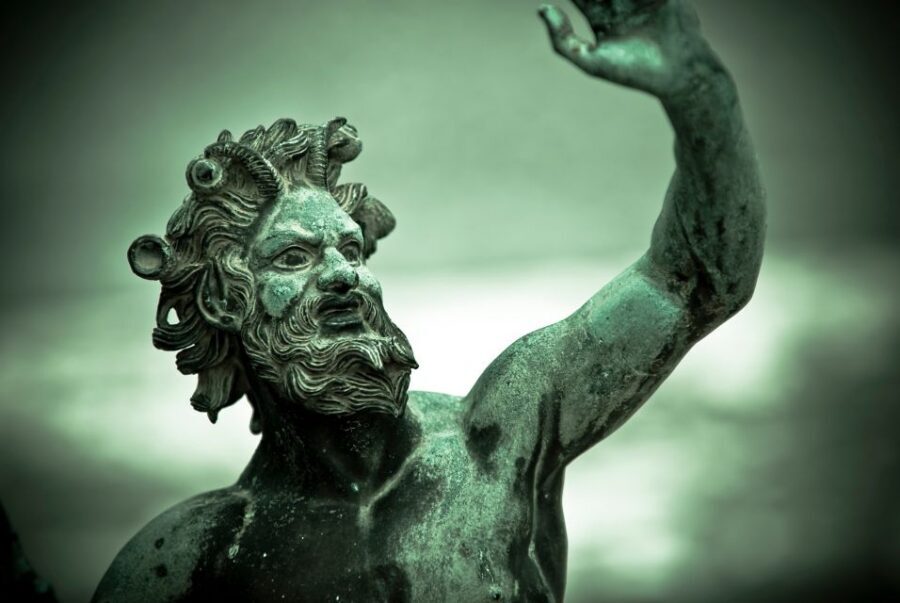
After Pompeii, you’ll take a scheduled break for lunch—about 30 minutes. Food and drinks aren’t included, but your guide can point you toward a good option, and the lunch stop can be at a typical restaurant, a winery, or a pizzeria.
This timing is smart because it breaks the day into two clear halves. You won’t go rushing into Herculaneum while hungry or drained.
Budget-wise, plan for lunch on your own. If you’re sensitive to timing, keep an eye on your energy level: that second site comes with its own walking.
Herculaneum: where the preservation makes the past feel close
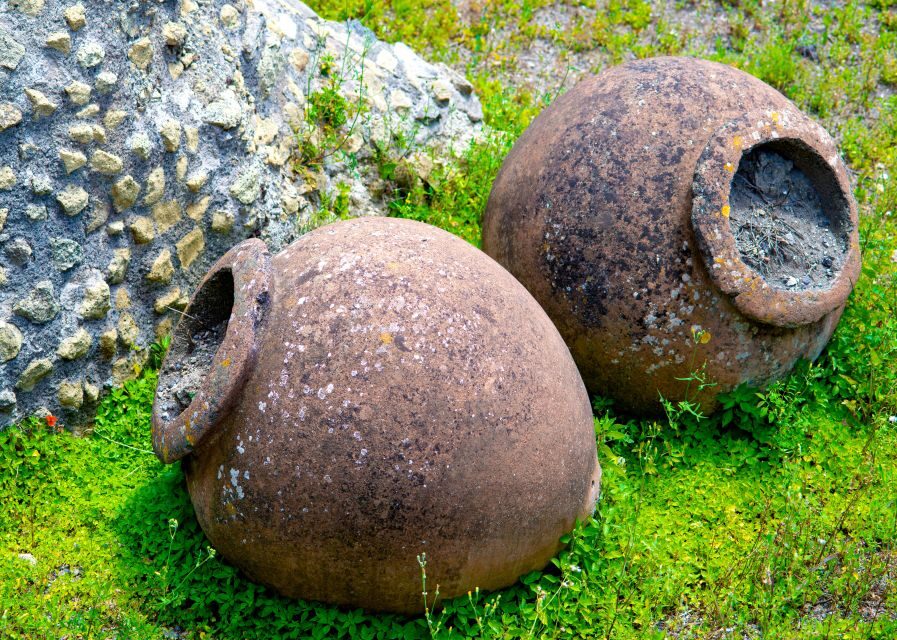
Herculaneum is smaller than Pompeii, but the tour leans into why it feels so powerful. Your two-hour guided visit helps you see the town as a lived-in place rather than just an archaeological label.
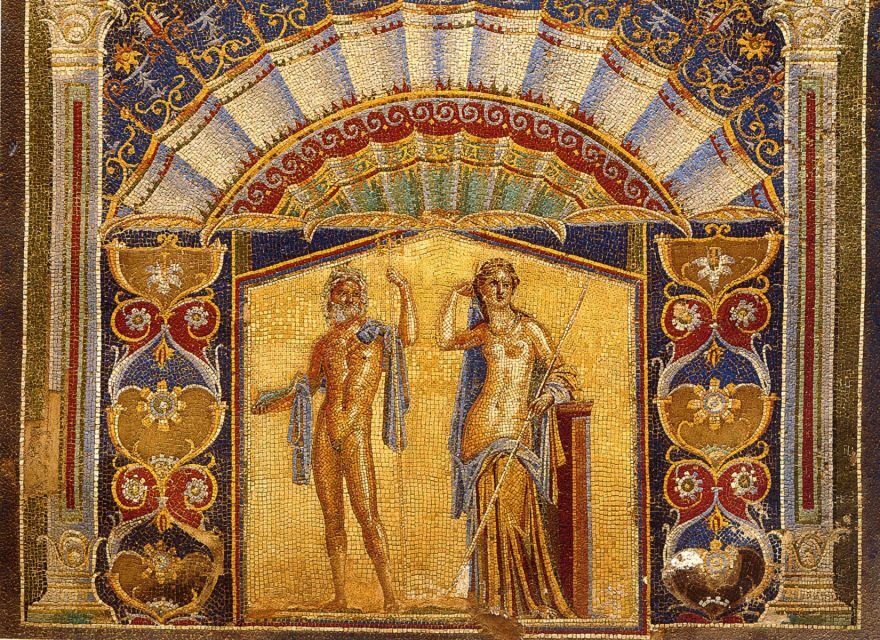
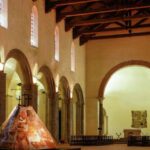
The big idea to know is the preservation. Because Herculaneum was buried in mud, many details survived that didn’t last the same way in Pompeii. You can encounter the story of carbonized wooden objects, intact paintings, and mosaics, which turns “Roman history” into something visual.
A few highlights you’ll likely connect with during the walk:
- The Temple of the Augustali, tied to religious life and the cult of Augustus
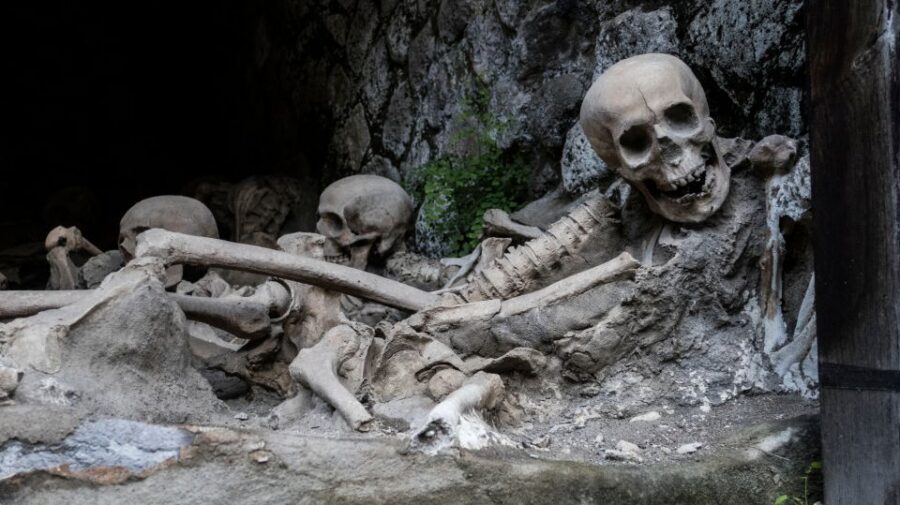
- The beach area where over 300 skeletons were discovered, which gives the eruption a heartbreaking human scale
- The thermal baths, showing how bathing and social routines mattered
- The forum, again helping you connect city life to civic space
- House of Neptune and Amphitrite, a standout for how homes were decorated and designed
- The Samnite house, plus other residential spaces such as the house of the Deers
- The gymnasium, which fits the Roman idea of public life mixed with physical culture
If Pompeii feels like the city that was stopped, Herculaneum feels like the moment was frozen. That’s why it makes such a strong ending after lunch: you leave with fresher images and details that stick.




Price and logistics: what you’re paying for, and when it’s worth it
At $623.90 per person, this tour isn’t cheap. The value isn’t just “convenience,” either—it’s the time you save and the expertise you get packaged together.
Here’s what your money covers:
- A private guide
- Private transportation with a driver
- Pompeii Express entry ticket
- Herculaneum entry ticket (16.00 euros each)
- Skip-the-line setup, since your guide can buy the tickets in roughly 10 minutes
What that means in real life: you’re not burning part of your day sorting tickets, lines, and routes. You also get a focused plan for Pompeii and Herculaneum that keeps your experience from turning into random walking.
It’s especially worth it if:
- You want expert interpretation rather than self-guided wandering
- You’re short on time and need two sites covered without chaos
- Your group values a smoother day more than chasing the cheapest option
It may not be worth it if you already know you want a long, independent deep dive into Pompeii—because this tour is built for smart coverage, not unlimited roaming.
The guides make it: names to look for and what good guiding changes
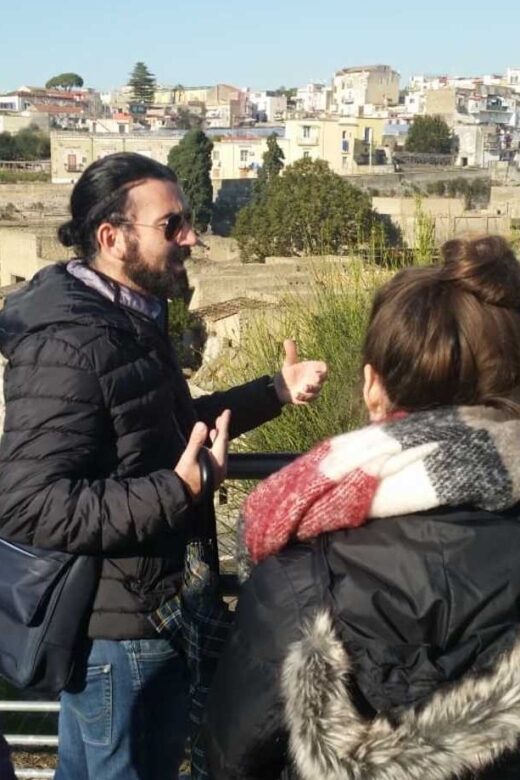
One of the most praised parts of this tour is the guiding. People highlight how the guide explains what you’re seeing and helps you understand why it mattered.
In the feedback you’ll hear names like Alfredo, Francesco, and Gabriella. The common thread is clarity and pacing: not just facts, but explanations that help you connect buildings, daily routines, and the eruption story into one coherent day.
This is where private guiding pays off. Pompeii and Herculaneum can overwhelm you with scale. With the right guide, you don’t just see walls and mosaics—you understand what they were used for and how Romans would have moved through that space.
Timing, tickets, and what to bring so the day runs smoothly
A few practical points can prevent stress.
Duration: plan on about 7 hours total. That includes the guided times and the short transport and break windows. The exact start time depends on availability.
Tickets: included, with a skip-the-line setup. Your guide can take care of purchasing tickets quickly (about 10 minutes).
What to bring: if you have children, bring a passport or ID card for children.
Restrictions: no luggage or large bags.
Language options: the guide can work in Spanish, English, French, German, Italian, Chinese, Japanese, Portuguese, and Russian. If you have a strong preference, confirm it when you book.
Walking reality check: comfort tips for Pompeii plus Herculaneum
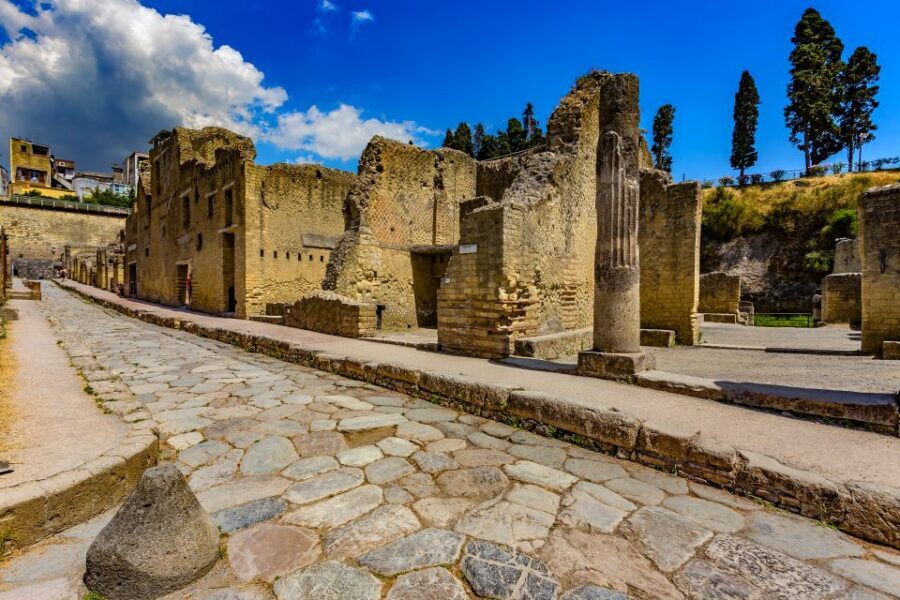
Even with good guiding, this day is still walking-heavy. Pompeii in particular can feel intense because you’re covering lots of key spaces in a limited time.
Wear shoes you trust on uneven ground. Bring a hat and sun protection if your day is bright—both sites are outdoors and you’ll spend time moving between stops. Water is on you since food and drinks aren’t included.
If you’re hoping for a very slow pace, you might find the two-site structure feels like a sprint. But if you want a day that hits the biggest emotional and architectural highlights, the pacing is built for that goal.
Should you book this Pompeii and Herculaneum private tour?
I think this tour is a strong choice if you want a guided, efficient Pompeii-to-Herculaneum day with smooth transportation from the Amalfi Coast or Naples area. The guides’ storytelling, the inclusion of tickets, and the private van plan are the reasons it feels worth the price—especially when you’re trying to make limited time count.
I’d reconsider if you prefer doing Pompeii slowly on your own for many more hours, or if mobility issues make a walking day hard. In that case, a more flexible self-guided plan might fit better.
If your goal is to understand both cities in one day without turning the trip into logistics homework, this is the kind of tour that makes the ruins land.