REVIEW · ISCHIA
Ischia: Pasta & Tiramisu Cooking Class at a Local’s Home
Book on GetYourGuide →Operated by Cesarine · Bookable on GetYourGuide
If you want the real taste of Italian food, start in someone’s kitchen. This Ischia pasta and tiramisu class happens in a local home, run through Cesarine, the long-running network of home cooks in 500+ cities. I like that you are not just watching from a seat. You roll dough, shape pasta, and build tiramisu with an expert host who cooks the way they learned it.
Two things I especially like: you learn fresh pasta by hand (rolling sfoglia) and you get direct guidance on tiramisu, the dessert people think they can wing until they try. You also eat what you make, with prosecco and nibbles at aperitivo and wines with your meal.
One drawback to consider: the experience depends on finding the right address in a residential area. You get the full location after booking, and GPS can be off, so you’ll want to be careful with navigation and timing.
In This Review
- Key highlights worth showing up for
- What this Ischia class is really about
- Entering a Cesarine home kitchen (and why that matters)
- The 3-hour flow: from aperitivo to the table
- Aperitivo with prosecco and nibbles
- Fresh pasta work: sfoglia by hand
- Tiramisu: the iconic finishing move
- What you actually make (and how it translates to home cooking)
- Fresh pasta: the main skill is dough handling
- Two pasta types: variety helps you cook again
- Tiramisu: practice makes it less scary
- Food, wine, and the kind of meal you remember
- Location and timing: the one thing you must get right
- Who this class suits best (and who may want to pass)
- Price and value: is $152.93 worth it?
- What to do to get the most out of your session
- Should you book this Ischia pasta and tiramisu class?
- FAQ
- How long is the cooking class?
- How much does it cost?
- Where does the class take place?
- What language is the instruction in?
- What’s included in the price?
- Is it wheelchair accessible?
Key highlights worth showing up for
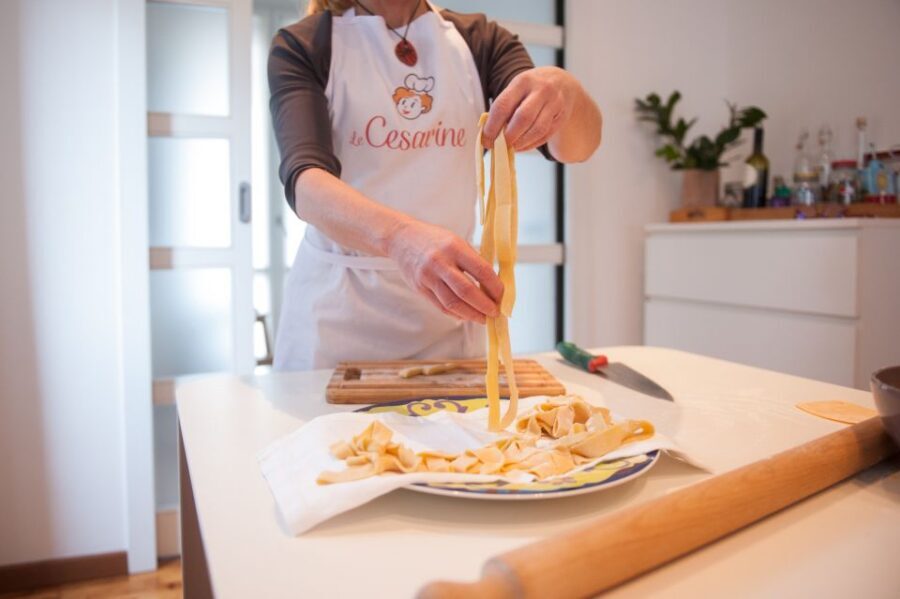
- Hands-on fresh pasta: roll sfoglia and make pasta from scratch
- Two pasta styles, not just one: you learn 2 simple different kinds
- Tiramisu training: the iconic finish, done properly
- Aperitivo plus wine: prosecco, nibbles, and wines with the meal
- Cesarine home-cook format: a family-kitchen approach using local specialties
- Small, conversational vibe: cook, taste, and swap stories around the table
What this Ischia class is really about
This is not a show. It’s a shared meal that starts with flour on your hands.
You’ll be taught two iconic dishes: fresh pasta and tiramisu. The goal is practical skills you can recreate later, not just a nice afternoon activity. Cesarine home cooks usually cook from family experience and regional traditions, and you feel that in how they explain ingredients and techniques. The setup is hands-on: you learn, you try, and you taste as you go.
You’re also eating in a normal home setting. That changes everything. The timing feels natural, the pace is less rigid than a demo, and you pick up details you might miss in a bigger classroom—like how dough should feel and how to adjust as you work.
You can also read our reviews of more cooking classes in Ischia

Entering a Cesarine home kitchen (and why that matters)
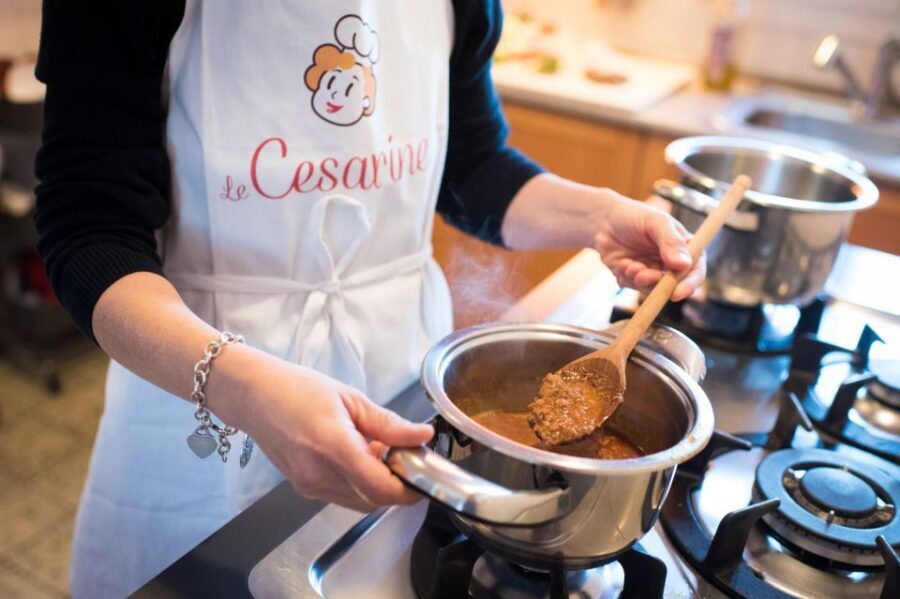
Cesarine means you’re getting a home cook, not a commercial kitchen. The network is built specifically for this kind of experience, where the host opens their own home and teaches their version of regional cooking. The class language can be English or Italian, and the instructor is listed as Italian/English, so you should be fine as long as you’re comfortable following spoken instructions.
What makes this format valuable is the context. You’re not memorizing steps out of order. You’re learning a workflow that a real person uses at home—mix, rest (when needed), roll, shape, then finish and plate. That’s the kind of knowledge that actually transfers to your own kitchen later.
The 3-hour flow: from aperitivo to the table
You’ll be in the home for about 3 hours, with the exact start time depending on availability. The core rhythm is steady: aperitivo, hands-on cooking, then eating what you made.
Here’s what you should expect, in the order that makes most sense for this kind of lesson:
Aperitivo with prosecco and nibbles
Before the flour flies, you’ll get Italian aperitivo: prosecco and nibbles, plus later beverages like water, coffee, and wines. It’s a friendly way to settle in, meet your host, and get the room comfortable. If you’re nervous about your cooking skills, this part helps. You’re not under pressure yet—you’re just getting the vibe and getting ready.
Fresh pasta work: sfoglia by hand
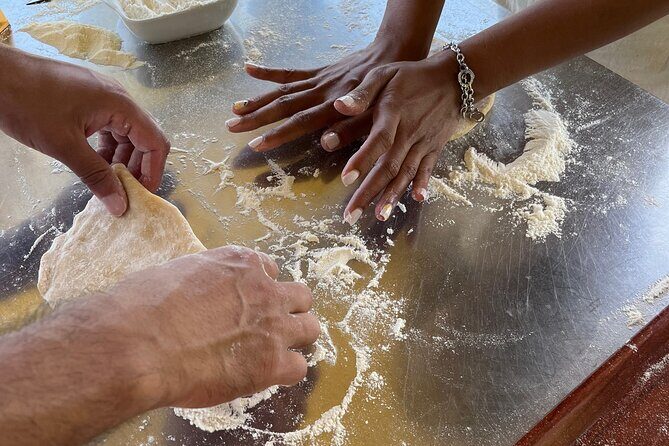
The class focuses on making fresh pasta from scratch. You’ll learn how to roll sfoglia by hand. That means you work the dough directly, not through shortcuts. It’s also where you learn the most transferable lesson: how dough behaves as you roll it. In a home setting, that feedback feels immediate—your host can correct technique right away.
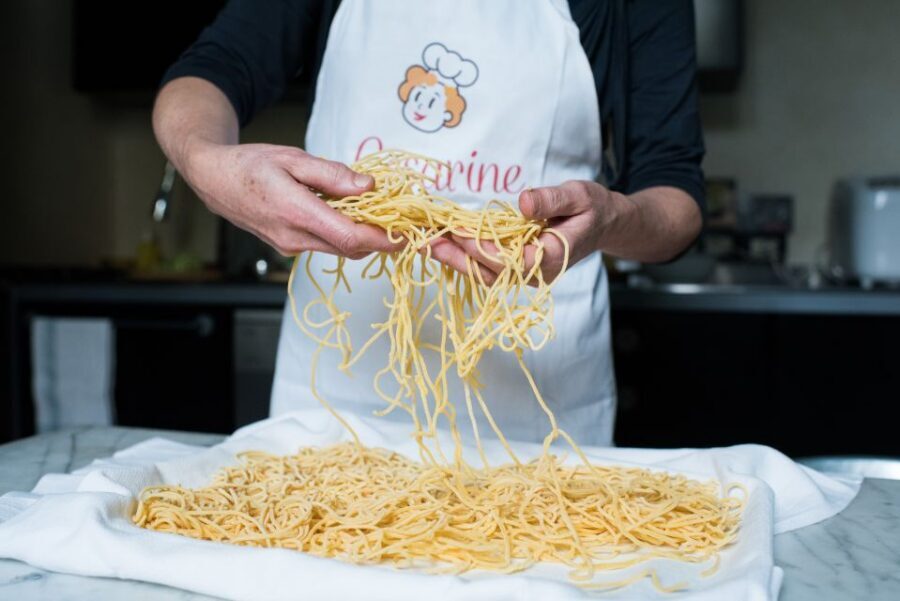
You’ll also learn 2 different types of pasta (described as simple). The class doesn’t list the exact shapes or regional names here, but the important takeaway is that you’re making two separate preparations, not just one variation. That gives you more ideas for what to cook later.
Practical tip: if you get stuck, watch how your host balances dough thickness and handling. Fresh pasta is all about feel. If your sheet tears or resists, it’s often a sign you need to adjust pressure, support, or timing rather than force it.



Tiramisu: the iconic finishing move
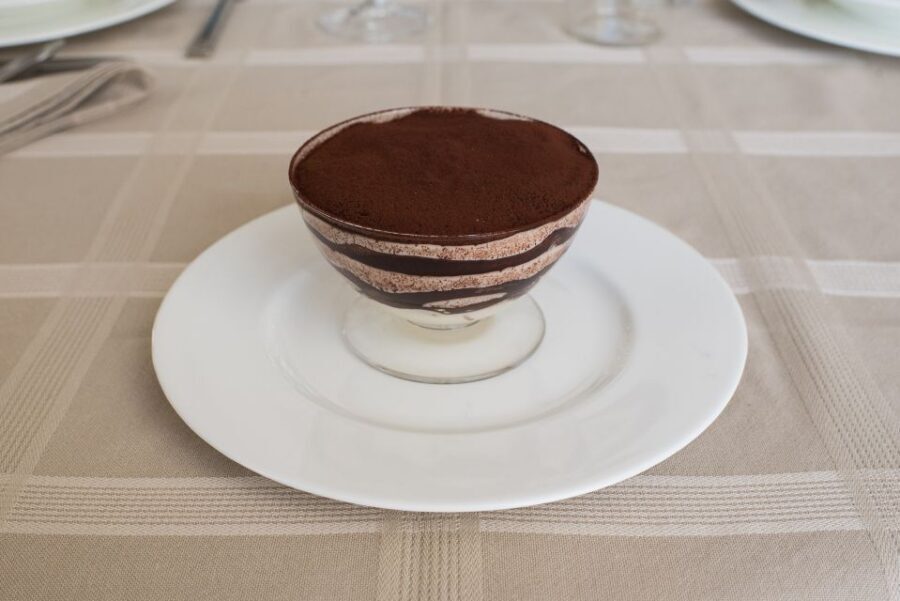
Then comes tiramisu, the dessert that shows up everywhere and disappoints people most when it’s rushed. You’ll learn how to prepare it during the session, and the class is built so you’ll taste what you make. Having the host there matters because tiramisu is sensitive to technique—what you soak, how you layer, and how it sets all play a role.
Again, you’re not just assembling. You’re being guided by someone who’s done it enough times to know what looks right.
What you actually make (and how it translates to home cooking)
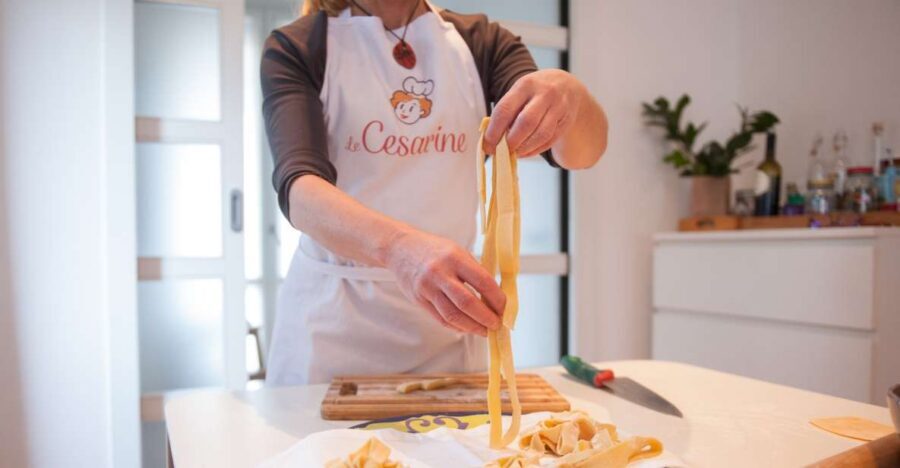
The highlight promise here is honest: pasta and tiramisu you can recreate. But value is not only in the recipes. It’s in the technique you learn while making them.
Fresh pasta: the main skill is dough handling
When you roll sfoglia by hand, you’re learning the basics that apply to many kinds of fresh pasta:
- how to get a smooth dough sheet
- how to manage thickness while keeping the dough workable
- how to handle the transition from sheet to shape
You’ll leave with a clearer idea of what fresh pasta dough should feel like, and that makes home attempts less intimidating.
Two pasta types: variety helps you cook again
Learning two pasta styles gives you more dinner options after the class. If one pasta turns into a favorite, you’ll still have a second base skill in your pocket. It’s a better way to spend 3 hours than a class that only teaches one dish end-to-end.
Tiramisu: practice makes it less scary
A lot of people avoid tiramisu because they think it’s complicated. In reality, it’s technique and timing more than difficulty. In a home class like this, you learn how to build it in stages and how to treat texture so the final result lands where it should.
Food, wine, and the kind of meal you remember
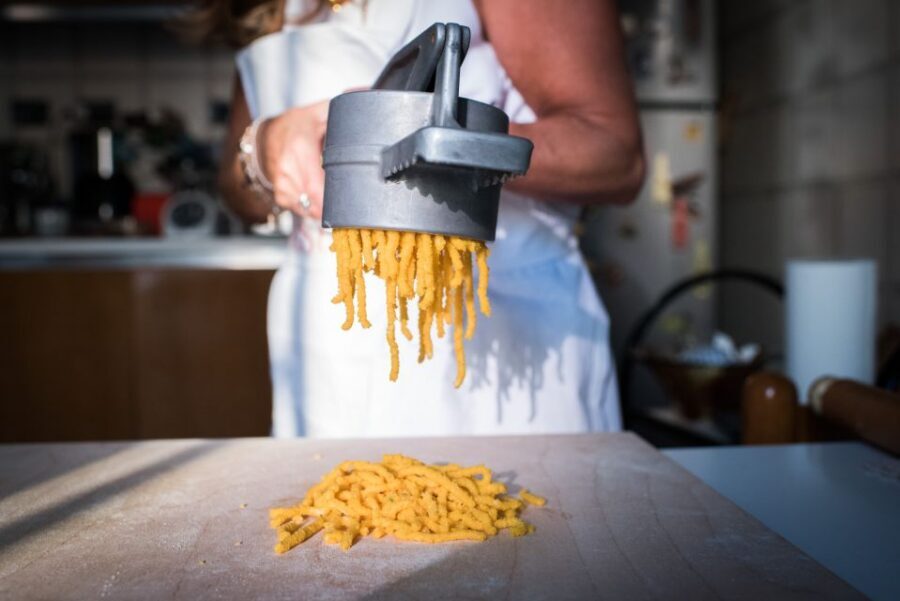
One of the best parts of this experience is that you eat what you prepare, not just taste a bite. Included in the experience are:
- the class itself (pasta and tiramisu)
- an aperitivo: prosecco and nibbles
- lunch/dinner of the 2 pasta recipes and tiramisu
- beverages: water, wines, and coffee
That matters for value. You’re paying for cooking instruction, but you’re also paying for a full meal and drinks in a private home setting. In places where food classes are more about entertainment than eating, you can feel shortchanged. Here, the experience is built around the meal.
Also, sipping local wines alongside food you made makes the “Italian cooking” part feel real. It ties the flavors to the culture instead of treating the class like a cooking workshop disconnected from the table.
Location and timing: the one thing you must get right
This is a home-based experience, so for privacy reasons you only receive the full address after booking. That’s normal for this kind of setup, but it does mean you need to plan for accurate navigation.
Here’s my practical advice:
- Save the contact details your host provides once you receive them.
- When you arrive, look carefully at house numbers on the street. GPS can be wrong in residential areas.
- Give yourself enough time to walk the last block if needed, especially if you’re using a taxi drop-off.
One more timing note: because address issues can waste time fast, don’t rely on last-minute certainty. Confirm where you’re going as soon as you get the full address.
Who this class suits best (and who may want to pass)
This is best for you if:
- You want hands-on cooking rather than watching.
- You like Italian food and want to learn technique, not just a recipe list.
- You enjoy a relaxed meal with a host and other friendly people.
It may not be ideal if:
- You need wheelchair access (this experience is listed as not suitable for wheelchair users).
- You’re the kind of traveler who hates address hunting and last-step instructions. The address is only shared after booking, and finding the right house is part of the reality here.
Price and value: is $152.93 worth it?
At $152.93 per person, this isn’t a budget activity. But it can still be good value because you’re getting more than a cooking lesson.
You get:
- instruction for fresh pasta (sfoglia) and two pasta types
- tiramisu-making
- an aperitivo with prosecco and nibbles
- a full lunch/dinner with the dishes you make
- wines, water, and coffee
If you compare that to paying separately for a cooking class plus a sit-down meal (and wines), the math starts to look more reasonable. Also, the home setting is part of what you’re paying for. You’re eating in a real local kitchen, not a rented space. That’s hard to replace with a standard restaurant meal.
What to do to get the most out of your session
A few small moves make a difference:
- Come hungry. You’ll taste and then you’ll eat.
- Ask questions early, during aperitivo when things are relaxed.
- Pay attention to dough feel and how your host corrects technique. Those cues are the secret sauce for recreating the dishes later.
- If you’re planning to cook at home, take mental notes on how the dough looks and how the layers of tiramisu should come together.
If you keep that mindset, you’ll leave with both confidence and a better sense of Italian cooking as a skill.
Should you book this Ischia pasta and tiramisu class?
I’d book it if you want a fun, food-first afternoon with real instruction and a meal built around what you cook. The hands-on sfoglia and the fact that you make both pasta and tiramisu, then sit down to eat, makes it a full-value experience.
I’d think twice only if you know you struggle with finding private home locations or you dislike anything that depends on careful address confirmation. If you can handle the navigation step and show up on time with the correct address, this class is exactly the kind of Italy experience that feels personal and practical—two skills you’ll actually use again at home.
FAQ
How long is the cooking class?
It lasts 3 hours.
How much does it cost?
The price is listed as $152.93 per person.
Where does the class take place?
It is held in a local’s home. For privacy reasons, you receive the full address only after you book.
What language is the instruction in?
The instructor is listed as Italian and English.
What’s included in the price?
You get the pasta and tiramisu cooking class, an aperitivo (prosecco and nibbles), lunch/dinner of the two pasta recipes and tiramisu, and beverages including water, wines, and coffee.
Is it wheelchair accessible?
No. The experience is listed as not suitable for wheelchair users.