REVIEW · NAPLES
History & Local Wines: Amphitheater, Mitrium and Winery Visit
Book on Viator →Operated by Events in Italy · Bookable on Viator
Ancient Capua still feels alive. This private 5-hour outing pairs Santa Maria Capua Vetere history with the rare Mitreum of Mithras, then finishes with a winery tasting near Mount Vesuvius. I love the chance to stand in ruins tied to gladiator-era stories, and I especially like how the Mithras temple gets explained in a way that makes it feel real, not just ancient decoration.
The main drawback is timing and cost. You’ll cover a lot in about five hours, and the price is premium—so it’s best if you want private pacing and a guided, high-impact day rather than a slow, self-guided wander.
In This Review
- Key highlights you’ll care about
- A Private Naples Day for Capua, Mithras, and Vesuvius Wine
- Santa Maria Capua Vetere: Etruscans, Rome, and an amphitheater older than Rome
- What to watch for at this stop
- The Mitreum of Mithras: one of the rare preserved temples
- A quick reality check on this kind of site
- Winery in front of Mount Vesuvius: wine tasting with traditional food
- How to get the most from the tasting
- Price and logistics: how this tour earns its premium cost
- How long it feels: five hours, two main chapters, one fast pace
- Who this Naples tour suits best
- Should you book this Capua and winery private tour?
- FAQ
- FAQ
- How long is the experience?
- Is hotel pickup offered?
- Is this tour private?
- What will I see in Santa Maria Capua Vetere?
- What is included in the Mitreum visit?
- Do we visit a winery near Mount Vesuvius?
- Are admission tickets included?
- Will I get a mobile ticket?
- What’s the cancellation and weather policy?
Key highlights you’ll care about

- Capua’s amphitheater built before Rome’s gives you a strong sense of scale and chronology
- Mitreum of Mithras is one of the few preserved examples, with a story shaped by Christianity’s spread
- Gladiator Museum and temple stops make the day feel like a connected theme, not random sights
- Winery tasting in front of Mount Vesuvius pairs history with real local food and wine
- Private guide + driver transfers help you move fast without stress
A Private Naples Day for Capua, Mithras, and Vesuvius Wine
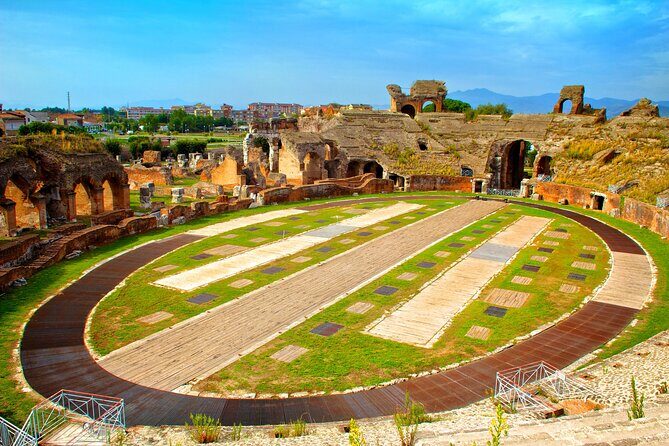
If your Naples trip list is already packed, this tour is a smart way to add depth without spending your whole day in transit. You start with ancient Capua-era sites around Santa Maria Capua Vetere, then you shift to the cult of Mithras at a preserved Mitreum, and finally you end with a winery tasting near Mount Vesuvius.
What I like about this kind of setup is simple: you get someone to connect the dots. You’re not just looking at stones—you’re learning what they meant and why the Romans, the early cults, and later Christianity all left their fingerprints here.
This is also one of those days where your photos will have something to hold onto. The amphitheater setting, the sacred temple space, and the vineyard-and-volcano finish are all naturally “stop-the-walk” moments. And because it’s private, your guide can pace things so you’re not constantly squeezed around other groups.
You can also read our reviews of more historical tours in Naples



Santa Maria Capua Vetere: Etruscans, Rome, and an amphitheater older than Rome
Your first stretch runs about three hours, with a private guided visit in Santa Maria Capua Vetere. You meet your guide at your hotel reception and head out with a driver. That hotel pickup matters more than people think: it saves you the mental work of planning buses, trains, or how to get there with limited time.
This town has a long paper trail for a reason. It was founded by the Etruscans in 600 BC and then conquered by Rome in 340 BC. When your guide walks you through that timeline, the ruins stop feeling like a blur of “old stuff.” You start noticing why certain places were important and how power shifted over centuries.
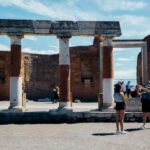
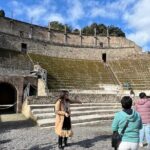
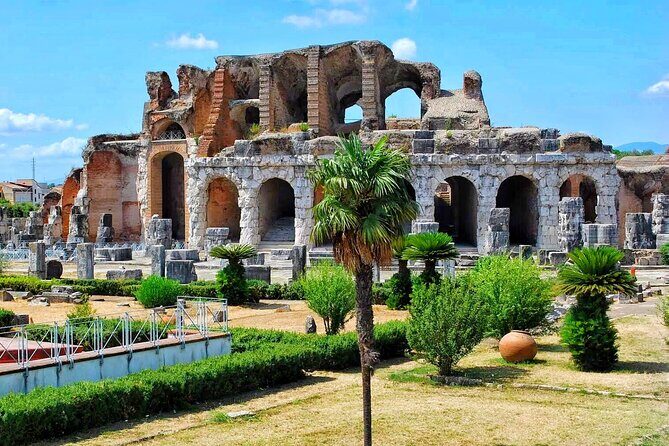
The big visual anchor is the amphitheater. You’re seeing an amphitheater that’s older than the famous one in Rome, built one century before the Roman version. That single detail changes how you read the building. It’s not a copy. It’s part of the earlier wave of Roman entertainment architecture.
And yes, the tour theme includes gladiator culture—specifically the amphitheater where Spartacus is linked in the story. Even if you treat that as historical legend versus hard proof (which is normal with ancient stories), it still helps you understand how Capua got its reputation as a place where spectacle mattered.
You also visit the Temple of Santa Maria Capua Vetere and the Gladiator Museum. This is where the tour goes from “walking among stones” to “understanding the human layer.” The museum time is helpful if you want your day to be more than a visual hit. You’ll leave with context you can carry into the rest of your Naples-area sightseeing.
What to watch for at this stop
Because the day is moving, you’ll want to be ready to walk. There’s no signposted “sit here for an hour and rest” guarantee. Comfortable shoes help a lot, especially if you’re visiting during warmer hours.
Also, if you’re the type who hates being rushed, treat this as a guided sprint. It’s designed to pack in key sites efficiently, not to be a slow stroll through every side street.
The Mitreum of Mithras: one of the rare preserved temples
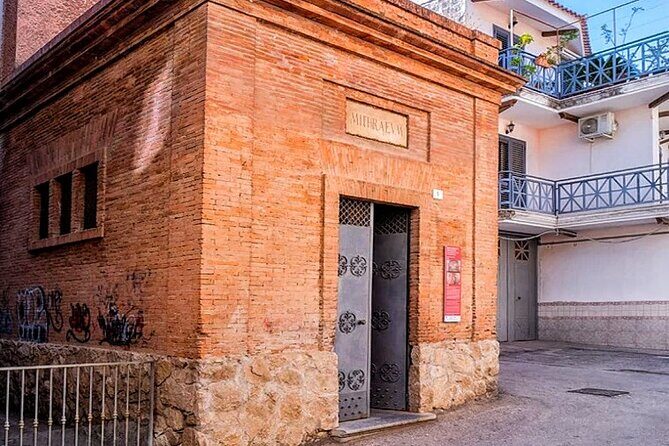
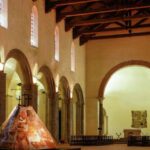
After Capua’s public entertainment world, the tour shifts to something more secretive and strange: a Mitreum, the temple of the cult of Mithras.
A Mitreum is one of those religious spaces where the “why it survived” question becomes part of the story. The tour explains that these temples were often destroyed with the rise of Christianity, which is why only a few are preserved. That detail matters because it changes your expectations when you stand there: you’re not just seeing architecture. You’re seeing evidence of a lost world.
Your guide will frame how the cult of Mithras worked and why the structure itself is so important. In practical terms, this stop tends to feel different from the amphitheater. It’s less about spectacle and more about ritual and belief. If you like ancient history that includes religion, symbolism, and cultural conflict, you’ll probably find this the most memorable part of the day.
A quick reality check on this kind of site
Temple spaces like these can be darker, cooler, and more enclosed than outdoor ruins. If you’re relying on great lighting for photos, bring patience. Think “atmosphere” rather than bright sunshine shots.
You can also read our reviews of more wine tours in Naples





Winery in front of Mount Vesuvius: wine tasting with traditional food

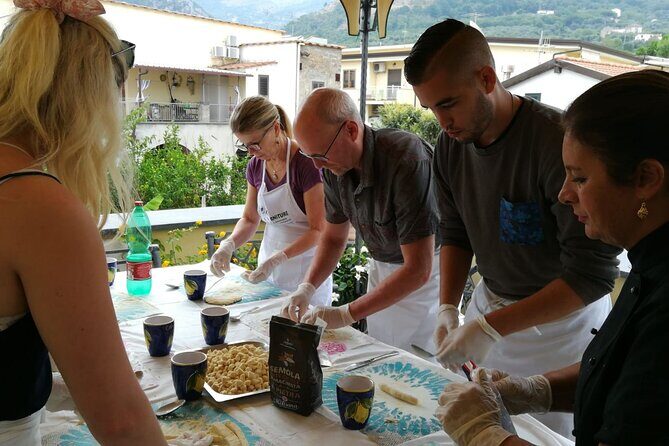
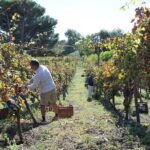
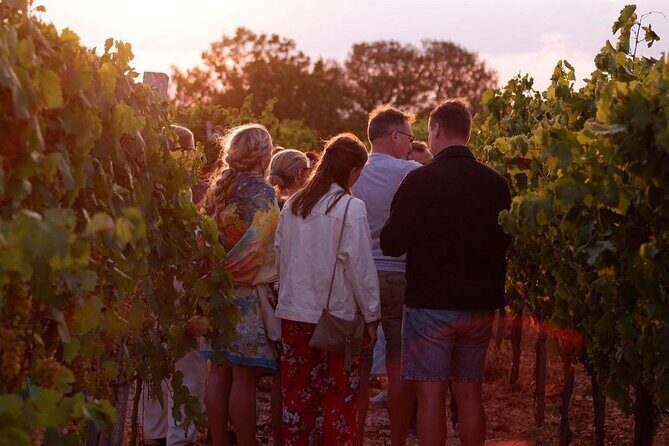
You end with about two hours at a winery in front of Mount Vesuvius. This is where the itinerary becomes more than history. You get time to slow down, taste, and take in the fact that Campania’s landscape still shapes the day-to-day lives of people here.
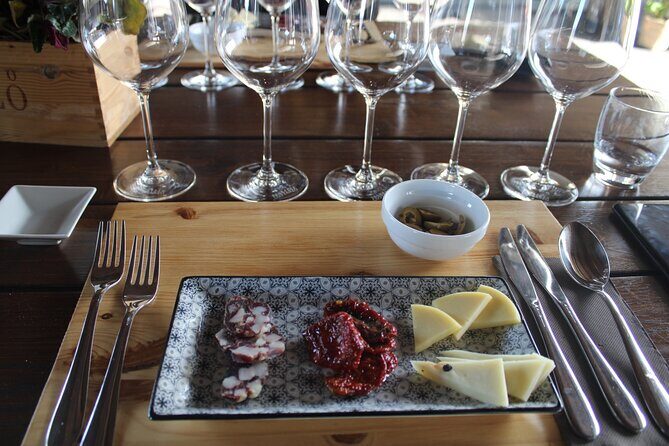
The winery portion includes wine tasting of different local wines, paired with traditional food. The pairing is key. Wine tastings can turn into a rushed “sip and move on” experience if the food doesn’t matter. Here, you’re given a reason to taste thoughtfully—so you get more out of each pour.
Also, finishing by Vesuvius is a smart emotional reset. Your brain has been dealing with ancient timelines, destroyed cult sites, and gladiator-era stories. Then suddenly you’re looking at working vineyards and eating something warm and local. It’s a clean closing act.
How to get the most from the tasting
Plan to pace yourself. Two hours sounds short, but tasting “different types of local wine” can add up quickly if you treat it like a flight at home. Eat slowly, ask questions, and if you’re driving yourself later, consider limiting how much you sample.
Price and logistics: how this tour earns its premium cost
At $868.20 per person, this is not a budget half-day. So the value question isn’t whether it’s expensive—it’s whether it saves you time, stress, and effort.
Here’s what you’re paying for, based on what the experience includes:
- Private tour setup: only your group participates, not a shared cattle-car format
- Hotel pickup and transfers with a driver
- Private guided visit in Santa Maria Capua Vetere
- Guided Mitreum visit focused on a rare preserved temple
- Winery tasting with traditional food, in a high-profile setting with views of Vesuvius
- Mobile ticket convenience
If your travel style is “I want the story, not just the stop,” private guiding is one of the best ways to upgrade a day. You don’t waste time figuring out routes or wondering what you’re looking at.
If you’re price-sensitive, compare your options like this: a DIY day can work, but you’ll trade away context. A guided private day buys you that context, plus the comfort of direct transfers.
How long it feels: five hours, two main chapters, one fast pace
The whole experience runs about five hours. Most of the weight lands in two chunks: around three hours in the Capua area sites, then around two hours at the winery.
Because it’s structured this way, you’ll feel like you’re in two different worlds. The first world is ancient—amphitheater, museum, temple stop, then the Mitreum. The second world is food-and-wine Campania, with the volcano acting like a constant backdrop.
The sweet spot for this tour is when you want a “high learning per hour” day. It’s not meant to be a slow wander. It’s meant to make sure you hit the anchors: the older-than-Rome amphitheater connection, the rare preserved Mitreum, and a tasting you can enjoy without thinking too hard.
Timing is also flexible within the day window listed as 8:00 AM to 8:00 PM (Monday through Sunday). Still, the experience is weather-dependent, so it’s worth planning your dates around stable conditions.
Who this Naples tour suits best
This one fits best if you:
- Like ancient history that includes religion and cultural change, not only famous ruins
- Want a private day with a guide who can keep the narrative flowing
- Enjoy a structured itinerary that still ends with a relaxing food-and-wine moment
- Prefer guided museum context so you don’t leave feeling like you only saw “old buildings”
You might skip it if you:
- Hate tight pacing and want hours to linger in one place
- Are trying to keep costs as low as possible
- Don’t enjoy wine tastings or food pairings (since that’s the final chapter)
Should you book this Capua and winery private tour?
I’d book this if you want one of your Naples-area days to feel “complete”: ancient spectacle, a rare Mithras temple story, and a Vesuvius-view tasting that lets you exhale. The private format and pickup are practical wins, and the itinerary themes connect in a way that makes the day more than a list of attractions.
Don’t book it if you’re looking for a minimalist, self-guided day. This tour is built for efficiency and guided meaning. If that’s your style, you’ll likely feel satisfied when you’re eating and tasting at the end—because the day has a clear arc from myth and ritual to local life.
FAQ
FAQ
How long is the experience?
It’s about 5 hours in total.
Is hotel pickup offered?
Yes, pickup is offered, with your private guide meeting you at your hotel reception.
Is this tour private?
Yes. It’s a private tour/activity, and only your group participates.
What will I see in Santa Maria Capua Vetere?
You’ll get a private guided visit to the town, including the amphitheater connection (older than Rome’s by about a century) and also stops connected to the Temple of Santa Maria Capua Vetere and the Gladiator Museum.
What is included in the Mitreum visit?
You’ll visit a preserved Mitreum, a temple connected to the cult of Mithras. The tour also explains that these temples were purposefully destroyed with the advent of Christianity.
Do we visit a winery near Mount Vesuvius?
Yes. After the historic portion, you’ll visit a winery in front of Mount Vesuvius for a wine tasting paired with traditional food.
Are admission tickets included?
The information provided lists admission tickets as free for both main parts of the experience.
Will I get a mobile ticket?
Yes, the experience uses a mobile ticket.
What’s the cancellation and weather policy?
You can cancel for a full refund up to 24 hours before the experience starts. The experience requires good weather, and if it’s canceled due to poor weather, you’ll be offered a different date or a full refund.