REVIEW · NAPLES
Full Day Tour Ravello-Amalfi-Positano
Book on Viator →Operated by The Naples Tours · Bookable on Viator
Cliffside Italy, without the driving stress. This full-day trip strings together three standout towns on the Amalfi Coast with an English-speaking driver and easy, air-conditioned transport. You get practical time in Ravello’s hilltop villas, Positano’s sea-gazing streets, and Amalfi’s cathedral and paper traditions.
I also like that the day is built to be flexible: the driver can adjust pacing if weather shifts and you need a better lunch window. One thing to plan for: entrance tickets aren’t included, so some key sights may cost extra on the spot, and there’s no separate authorized guide included.
In This Review
- Key highlights you’ll feel right away
- A well-paced 8-hour Amalfi Coast day (what that means for you)
- Ravello above Amalfi: villas, gardens, and lemon-tree views
- Positano’s steep streets and the Santa Maria Assunta moment
- Amalfi’s cathedral mix and the medieval paper industry
- Price and comfort: is $360.23 worth it?
- Making the most of the day: timing, weather, and pacing tips
- Who this tour suits best (and who might want a different plan)
- Should you book this Ravello–Amalfi–Positano day trip?
- FAQ
- How long is the Ravello-Amalfi-Positano full day tour?
- What’s included in the tour price?
- What’s not included?
- Do you offer pickup in Naples?
- Is the tour language English?
- What happens if the weather is bad?
Key highlights you’ll feel right away
- Three towns, one day, with realistic time on foot so you see a lot without feeling trapped in a bus all day
- Ravello’s villa stops like Palazzo Rufolo and panoramic viewpoints at Villa Cimbrione
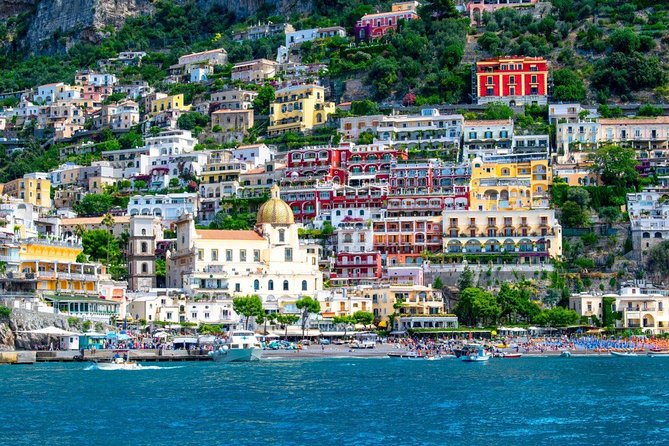
- Positano’s best photo routes from Piazza dei Mulini down toward Santa Maria Assunta
- Amalfi’s cathedral and paper museum focus—religion, maritime power, and medieval craftsmanship
- Comfort-first logistics: air conditioning plus tolls and parking handled by the driver
A well-paced 8-hour Amalfi Coast day (what that means for you)
This tour is about seeing the coast efficiently, not touring like a slow museum marathon. Plan on roughly 8 hours total, with about 1 hour at each main stop: Ravello, Positano, and Amalfi. That time structure is ideal if you want the big sights and signature streets, and you’re okay with moving at a city-to-city pace.
You’ll travel with air conditioning on board, and the driver speaks English, which matters on the Amalfi Coast where directions and parking can get complicated fast. Pickup is offered from common spots around Naples—port, airport, train station, B&Bs, private residences, and hotels—so you’re not piecing together multiple transfers.
One more practical point: this is set up as a private tour for your group. That’s usually where the value shows up—less waiting around, more control over how you spend your time once you’re dropped in each town.
You can also read our reviews of more tours and experiences in Naples.


Ravello above Amalfi: villas, gardens, and lemon-tree views
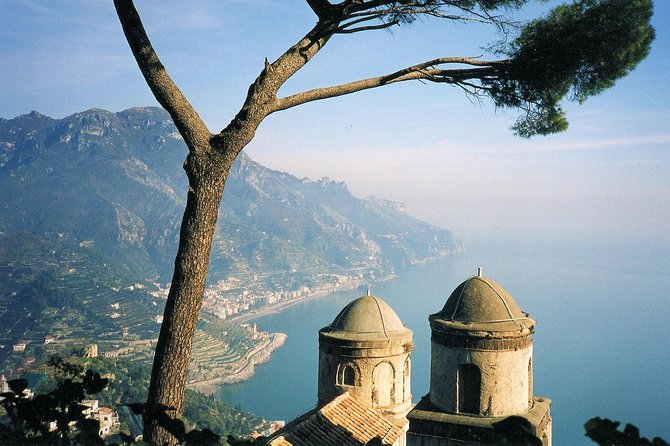
Ravello feels like it’s sitting above the world. It was founded in the 5th century as a refuge from raids, then grew through trade across the Mediterranean and the wool industry. Later, Ravello flourished under the Amalfi maritime republic era and the principality of Salerno—so when you walk its lanes, you’re really moving through layers of power and wealth.
What I love about Ravello on this kind of stop is that the highlights are very “on the way.” You can connect the story of the town to specific places without needing a long attention span.
Here are the Ravello anchors you’ll want to aim for:
- Palazzo (Villa) Rufolo: famous for its gardens, tied to one of Ravello’s major families
- Palazzo Tolla: the town hall, so it keeps the center feeling alive
- Villa Episcopio: built in 1944, used as the residence of King Vittorio Emanuele III
- Villa Cimbrione: a breathtaking viewpoint stop that’s made for photos
- The Auditorium: a recognizable civic landmark in town
Ravello’s character also comes from its everyday streets. Expect alleys lined with shops selling things like ceramics and limoncello juice, plus that classic lemon-coast feel thanks to the road connection with Amalfi—known for colorful character and lemon trees along the way.
The tradeoff? Ravello’s best moments often come from lingering. With about 1 hour, you’ll want to pick a few targets and enjoy the stroll between them, rather than trying to see every villa detail.
Positano’s steep streets and the Santa Maria Assunta moment
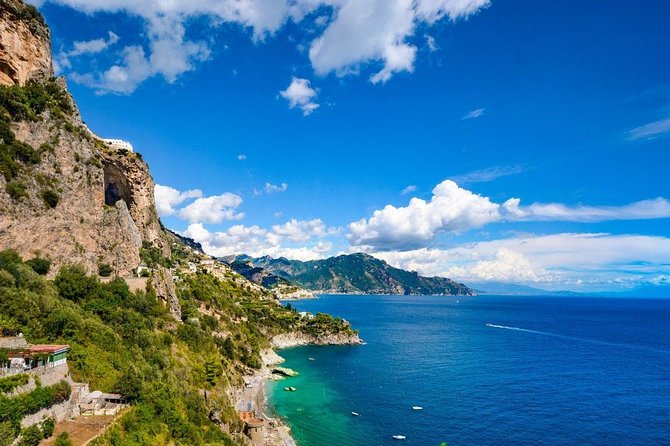
Positano is the Amalfi Coast on hard mode—in the best way. It’s often described as a vertical town where only the sea looks level, and you’ll immediately feel that once you start moving through the narrow lanes. The town is compact enough that when you arrive by car, you get the sense it’s built for walking and stairs, not big straight roads.
One practical advantage here: you’ll get dropped in a place where the main walk can flow. A common route is from Piazza dei Mulini down toward the beach, and then toward Santa Maria Assunta, which sits just above the shoreline. That church area is one of Positano’s strongest viewpoint zones because it’s close to both the sea and the town’s stair rhythm.
If you like Roman leftovers, Positano has a standout stop: the recently inaugurated Roman archaeological museum. It includes an archaeological site with two crypts and frescoes in imperial-era style. The information that matters to you is that these wall paintings are described as the only example of Roman villa wall paintings on the Amalfi Coast—so if your goal is “one thing I can’t get elsewhere,” this fits the bill.
Positano also offers a quick historical scan through its coastline defenses. In the Middle Ages the coast was fortified with watch towers:
- the oldest one mentioned is the Bank tower, with a cylindrical shape from the 13th-century Angevin era
- the Trasìta tower is between Fornillo beach and Marina Grande, described as from the viceregal age, and it’s been private since 1817
And if you’re the hiking type, you’ll hear about the Path of the Gods. It starts from Bomerano and ends in the upper part of Positano. With only about 1 hour in town, you probably won’t do the full walk today, but it’s useful if you want to plan a longer hike on a separate day.
The drawback to keep in mind: Positano’s charm comes with crowds and stairs. If you’re sensitive to steep walking, choose viewpoint breaks over long detours, and keep your pace steady.
Amalfi’s cathedral mix and the medieval paper industry

Amalfi is the history engine of the coast. Founded by the Romans, it became a maritime republic in the ninth century—competing for control of Mediterranean trade. Amalfi reached major splendor in the eleventh century, then faced a shake-up: conquests by the Normans followed by looting from Pisa later on. There’s also a dramatic turning point in 1343, when a storm-triggered tidal wave destroyed much of the city.
So where do you go first? The big anchor is the Cathedral of Sant’Andrea di Amalfi. It’s dedicated to the city’s patron saint, and it’s described as having Arabian and Sicilian style. What makes it more interesting than a single building is the way it functions like a complex: it’s flanked by other churches, and different eras overlap in the structure. In other words, you’re not just seeing one style—you’re seeing Amalfi’s layers.
If you like a hands-on cultural story, you’ll appreciate the paper museum connection. Amalfi is world renowned for high-quality paper made with medieval techniques. The museum is positioned as a place to understand that tradition, which gives you a different angle on the coast—less postcard, more “how this place actually worked.”
And for a fun cultural detail: Amalfi rowers take part in the traditional regatta of the ancient maritime republics, competing against teams from Venice, Pisa, and Genoa. It’s a good reminder that Amalfi’s maritime identity wasn’t just about ships—it became ritual and pride.
Time check again: with about 1 hour, you’ll likely focus on cathedral area + paper museum time, then leave space for a short wander. If you plan to shop or linger for photos, keep your priorities tight.
Price and comfort: is $360.23 worth it?
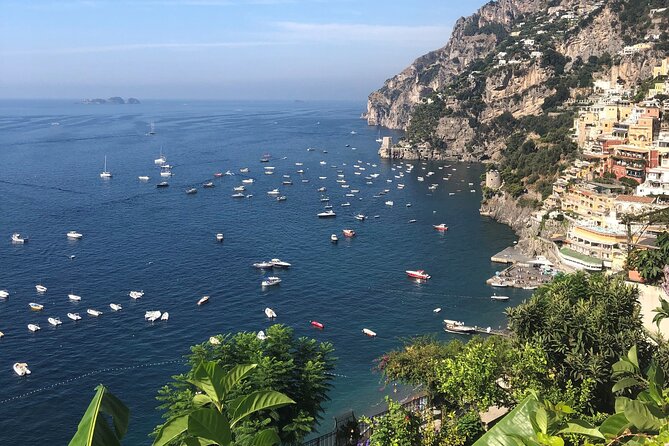
Let’s talk value in plain terms. At $360.23 per person for about 8 hours, you’re paying mostly for logistics and coverage: pickup options, air conditioning, and a driver who speaks English, plus tolls, parking, gasoline, and taxes. You’re also getting a mobile ticket, which removes some friction right before you go.
Where the money usually feels tight is where it’s not included:
- entrance tickets
- authorized guide (so your main “explainer” is the driver, not a separate licensed guide)
- meals and drinks
- gratuities, optional but generally appreciated
So is it worth it? For many people, yes—because the alternative is effort. DIY Amalfi Coast days mean driving the winding roads, paying for parking, and spending energy on figuring out timing between towns. Here, you shift that energy to walking and looking.
My practical recommendation: treat the base price as transportation + expert direction, then budget extra for entry fees and lunch so you aren’t doing math while hungry.



Making the most of the day: timing, weather, and pacing tips
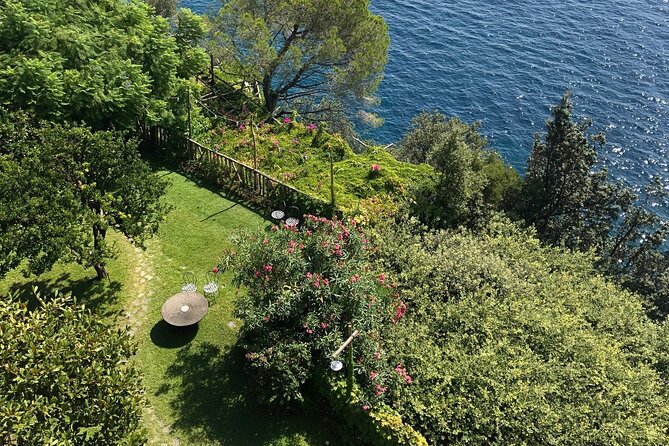
This tour runs best with good weather. The experience is explicitly described as weather-dependent, and if conditions are poor, you’ll be offered a different date or a full refund. That’s not small talk—Amalfi Coast roads and views are the point, so keep your expectations flexible.
I also like the way the trip handles real-world timing issues. In past situations with rain, the driver was proactive about adjusting lunch timing while waiting for sun. That kind of practical thinking matters more than perfect itineraries.
Here’s how I’d prepare so your day feels smoother:
- Bring comfortable shoes because Positano and Ravello are stair-and-slope towns
- Pack light layers: mornings can feel cooler even when midday is pleasant
- Plan to buy or bring snacks if you want to manage hunger between short stop windows
- Provide a precise pickup address and an Italian phone number, and ask if WhatsApp works for you—clear communication saves time
Also note: entrance tickets aren’t included, so decide in advance what you consider “must enter” versus “view from outside.” With only about an hour in each town, your choices will shape your day.
Who this tour suits best (and who might want a different plan)
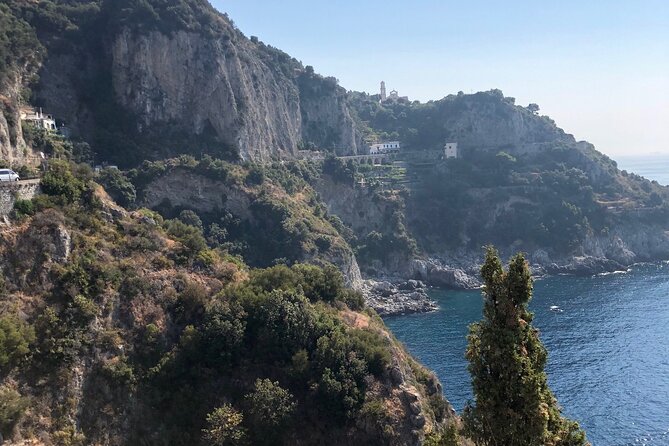
This is a strong fit if you want:
- a first-time Amalfi Coast day with major hits in three towns
- an easy way to avoid driving and parking stress
- a driver who can share the context as you go (the experience description includes English-speaking driving, and the named drivers in past trips—like Andrea and Paolo—were praised for service, humor, and adapting the day)
It may feel less ideal if you want:
- long, slow museum-style time in one town
- the full Path of the Gods hike (that’s more of a half-day to full-day commitment)
- a tour with a dedicated authorized guide inside venues (since that isn’t included)
In plain terms: this trip is for people who want the coast’s headline moments, not people who want every detail in depth.
Should you book this Ravello–Amalfi–Positano day trip?
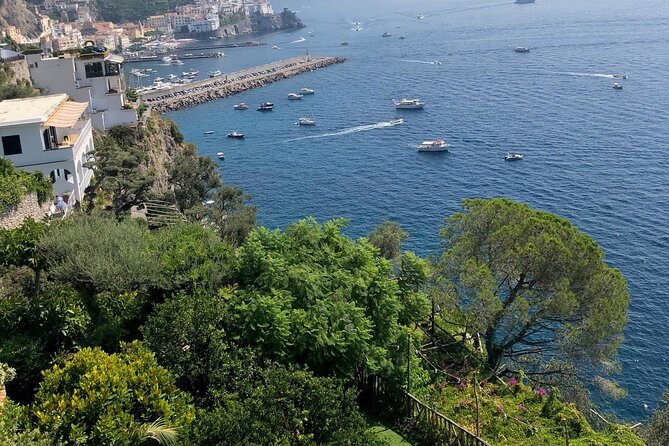
Yes, if you match the goal: see the main sights across Ravello, Positano, and Amalfi in one efficient day with a driver handling the hard parts. The value comes from comfort, timing, and logistics—especially when you’re starting from Naples and want to avoid the “where do we park” headache.
I’d say skip it or adjust your expectations if you strongly prefer museum-level guided time at each stop or you plan to rely on included entry fees and meals. Also, if weather looks rough, be ready to roll with a change of date since the experience is weather-dependent.
If you book, pick your priorities early (one villa in Ravello, one key church/view in Positano, and one or two highlights in Amalfi). With that mindset, you’ll come away feeling like you truly “got” this coast.
FAQ
How long is the Ravello-Amalfi-Positano full day tour?
It’s listed at about 8 hours.
What’s included in the tour price?
Included are air conditioning on board, a driver who speaks English, tolls and parking, and gasoline and taxes.
What’s not included?
Entrance tickets, an authorized guide, meals and drinks, and gratuities (optional) are not included.
Do you offer pickup in Naples?
Yes. Pickup is offered from the port, airport, train station, B&B, private residents, and hotels. You’ll need to provide full address information where applicable.
Is the tour language English?
Yes, it’s offered in English.
What happens if the weather is bad?
The tour requires good weather. If it’s canceled due to poor weather, you’ll be offered a different date or a full refund.