REVIEW · NAPLES
The Phlegrean Fields Discover the ruins of Baia, Cuma and Pozzuoli
Book on Viator →Operated by Askos Tours · Bookable on Viator
The Phlegrean Fields are not a quick photo stop. This day trip strings together Cuma, Baia, and Pozzuoli so you can see multiple layers of ancient life in one efficient route.
I especially like the way this tour handles the practical stuff: you get a private minivan with pickup and drop-off, plus full-day transport between sites. Second big win: you travel with a guide who can connect what you’re looking at to why it mattered, and one guide name that came up in feedback is Gennaro, praised for tying geology, history, and archaeology into the story.
The main thing to keep in mind is that openings can change. In at least one case, the Cuma acropolis and the Flavian Amphitheater at Pozzuoli were closed, and the day shifted more time toward Baia.
In This Review
- Key highlights that actually help your day
- Why the Phlegrean Fields are worth a full-day outing
- Getting there: pickup, a 9:30 start, and a private minivan
- Cuma acropolis: Apollo’s Temple ruins and the uphill reality
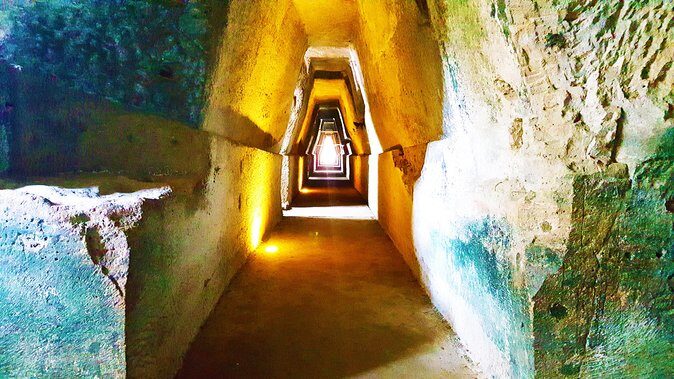
- The Cave of the Sybil: why the guide’s story time is the point
- Baia: Alfonso d’Aragona Castle, museum time, and terrace photos
- The Roman Baths in Baia: spotting what matters without getting lost
- Pozzuoli’s Flavian Amphitheater and the volcanic-lakes glimpse
- Pricing and what $618.08 buys you (and what it doesn’t)
- Who this tour suits best (and who should rethink it)
- Should you book this Phlegrean Fields tour?
- FAQ
- What time does the tour start?
- Where does pickup happen?
- Is the tour private?
- How long is the tour?
- What’s included in the price?
- Are meals included?
- Is there walking involved?
- What if I need cancellation?
- End note: your best move before you go
Key highlights that actually help your day
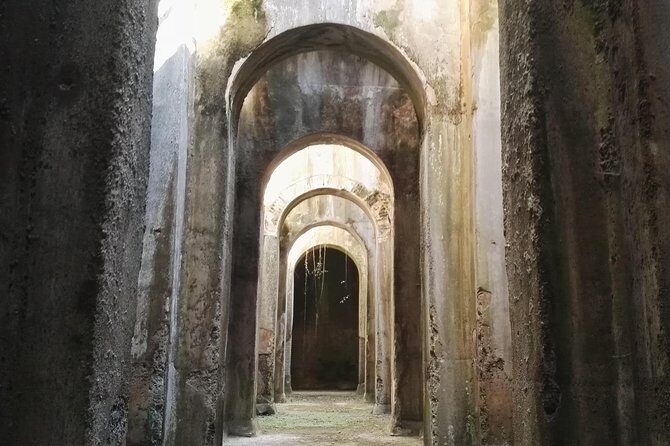
- Cuma first, so you hit the acropolis while your energy is still good
- A focused pairing at Cuma: Apollo’s Temple ruins plus the Cave of the Sybil
- Baia Castle terrace views with time to look out over the area and take photos
- Roman Baths at the archaeological park, where the ruins are the whole point
- Pozzuoli’s Flavian Amphitheater, described as one of the most important amphitheaters in the world
- Volcanic lakes glimpses of D’Averno, Fusaro, and Miseno, even if you’re short on time
Why the Phlegrean Fields are worth a full-day outing
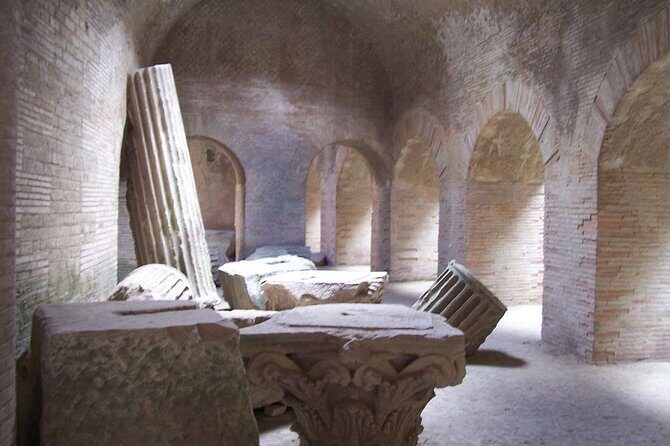
If you’ve been to the classic hits around Naples, you know the drill: big crowd, fast stops, tired feet. The Phlegrean Fields are different. This is a side of Campania where you can walk among ruins and also feel the volcanic character of the ground under your feet.
This tour works because it’s built as a single arc. You start at Cuma, move to Baia, then finish at Pozzuoli. That order matters: Cuma’s acropolis walk needs a bit of effort, and you’ll want to do that earlier, not after a long day of sightseeing.
You can also read our reviews of more tours and experiences in Naples.


Getting there: pickup, a 9:30 start, and a private minivan

Start time is 9:30 am, and you’re not left to figure out transit on your own. Pickup is offered at every cruise port in Campania, and also from your hotel or a meeting location in Naples, Salerno, and the Amalfi Coast.
The tour includes full-day transportation by a private minivan with a professional driver, plus local taxes, fuel, and parking. That sounds like boring admin, but it matters. Your day stays on schedule because you’re not bargaining with buses, taxis, or parking lots.
Language is English, and you’ll be with only your group since it’s private. That usually means less waiting around and more time spent looking.
Cuma acropolis: Apollo’s Temple ruins and the uphill reality
Your first stop is the acropolis of Cuma. The attraction here is pretty clear: you’ll see the ruins of Apollo’s Temple and the Cave of the legendary prophetess Sybil (more on that next).
The practical note you should take seriously: climbing the acropolis involves a 10-minute walk uphill. This isn’t a marathon, but it’s enough to matter if you hate uneven ground or you show up in shoes that belong in a city, not on a hillside.
What I like about doing this first is focus. When you arrive early, the site has less of that late-day fatigue. You’re better positioned to take in the scale and the layout, instead of just trying to survive the walk.
The Cave of the Sybil: why the guide’s story time is the point
At Cuma, you’re not just collecting ruins. The pairing of Apollo’s Temple with the Cave of the Sybil turns the visit into a narrative.
Even if you only remember one thing from the day, this part is designed to give you context: a legendary figure linked to a specific place, tied to the older world of temples and prophecy. A good guide makes that click. In feedback for this tour, Gennaro was praised for showing his love for the area and for connecting geology, history, and archaeology so the site feels real, not just ancient wallpaper.
You’ll also have time to move at a reasonable pace with guidance, rather than rushing between hotspots like you’re chasing a ticket clock.
Baia: Alfonso d’Aragona Castle, museum time, and terrace photos
Next comes Baia, and the setting changes the mood. You’ll visit a castle built by Alfonso d’Aragona, which now houses the archaeological museum of Baia. That means you get two types of viewing in one stop: what’s outdoors in ruins, and what’s interpreted or displayed indoors.
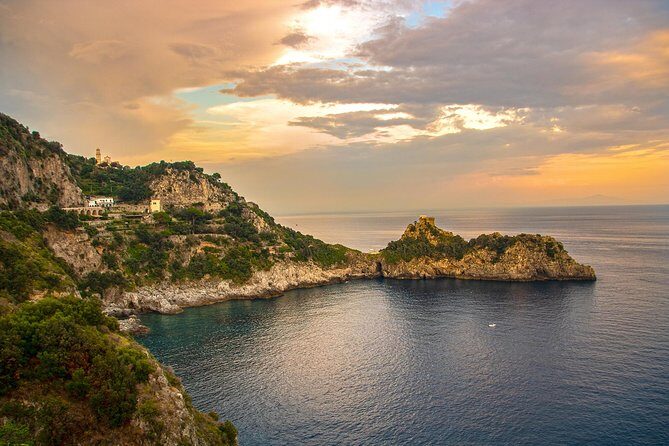
One of the best practical features here is the photo opportunity. The itinerary includes time for photos and a panoramic view from the terrace of the castle. That’s not a throwaway moment. It’s your chance to get oriented to the area before you start looking at more fragmented remains.


The Roman Baths in Baia: spotting what matters without getting lost
After the museum/castle area, you’ll also visit the archaeological park with the spectacular ruins of Roman Baths.
Here’s the trick for this kind of site: you don’t need a checklist of every wall and feature. You need a guide’s attention on what to look for and how to read the space. The value of a guided visit is that it helps you notice patterns—areas designed for gathering, bathing, or routine—without needing extra background reading.
The Roman Baths stop is also a good “gear switch” point. After the uphill at Cuma, you’re moving into a part of the day that’s built around walking ruins at a steadier pace, where you can slow down and look.
Pozzuoli’s Flavian Amphitheater and the volcanic-lakes glimpse
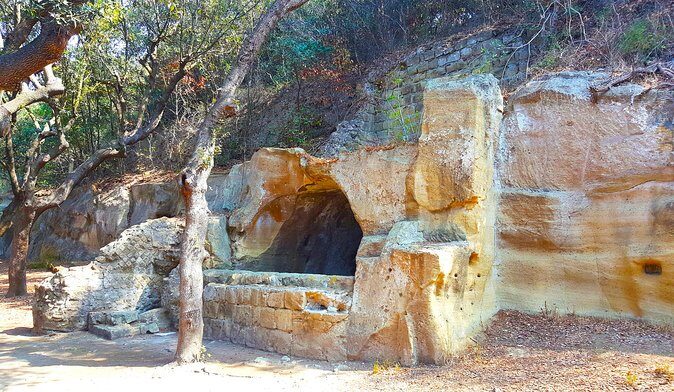
Your final anchor is Pozzuoli’s Flavian Amphitheater, one of the most important amphitheaters in the world. If you care about ancient entertainment, architecture, or scale, this is the emotional closer.
That said, there’s one real-world risk to accept up front: openings can vary by day. In one account tied to this tour, the Flavian Amphitheater at Pozzuoli was closed, while the driver and guide handled the schedule by spending more time at Baia.
Even with that uncertainty, the tour also includes glimpses of volcanic Lakes D’Averno, Fusaro, and Miseno. You’re not committing to a full hike here based on the info provided, but you do get the sense that this area is shaped by volcanic activity—one more way the Phlegrean Fields feel like a living geography, not just a museum map.
Pricing and what $618.08 buys you (and what it doesn’t)
At $618.08 per person for about 8 hours, you’re paying for convenience and coverage, not just a single admission ticket.
Here’s the value breakdown that matters for your wallet:
- Pickup and drop-off included, including cruise ports and multiple coastal areas
- Private minivan + professional driver for full-day transport across multiple sites
- Local taxes, fuel, and parking included (these add up fast in Italy)
- Admissions included for the Phlegrean museum and sites listed in the tour
- Guidance for the entire duration, which is the main reason these ruins connect into a coherent day
What you should budget separately: meals are not included.
So who does this pricing make sense for? If you’re a couple, a small group of friends, or anyone who hates wasting time with transit and ticket lines, the price starts to feel reasonable. If you’re traveling solo on a tight budget and you’re comfortable with trains, ferries, or frequent local transit, you might find cheaper options. But cheaper often means more friction.
Who this tour suits best (and who should rethink it)
This fits best if you want a one-day hit of Cuma, Baia, and Pozzuoli without planning logistics all morning.
You’ll likely enjoy it most if:
- You like guided explanations at ruins sites
- You want to see the Cave of the Sybil and Apollo’s Temple ruins in the same morning
- You appreciate a structured route with pickup and transport
- You can handle a short uphill walk at Cuma (about 10 minutes)
It may be a mismatch if:
- You’re visiting for one single must-see and closures would ruin your day (like the Cuma acropolis or the amphitheater)
- You need a very low-walking itinerary. The tour does include that uphill segment at Cuma.
On the plus side, service animals are allowed, and it states that most travelers can participate.
Should you book this Phlegrean Fields tour?
Book it if you want the Phlegrean Fields in one practical package. The strongest reasons: private transport with pickup, guided interpretation at multiple sites, and included admissions so you don’t waste time hunting down tickets.
I’d also book it if you’re the type who actually likes orientation moments—like the Baia terrace panorama—because the day has built-in stops that help you understand where you are.
Skip or at least weigh the risk if your entire trip hinges on one site being open. If you’re traveling during a period when closures happen often, you might want a backup plan for spending more time at Baia, since that’s what can happen when another major stop is unavailable.
If you go, wear comfortable shoes and expect that short uphill at Cuma. After that, it’s a rewarding day of ancient places you don’t see on the usual Naples rush.
FAQ
What time does the tour start?
It starts at 9:30 am.
Where does pickup happen?
Pickup is offered at cruise ports in Campania, and also from the traveler’s hotel or other meeting locations within Naples, Salerno, and the Amalfi Coast.
Is the tour private?
Yes. It’s private, and only your group participates.
How long is the tour?
It’s approximately 8 hours.
What’s included in the price?
Guidance, full-day transportation by a private minivan with a professional driver (including pickup and drop-off), local taxes fuel and parking expenses, and admission fees for the Phlegrean museum and the sites included.
Are meals included?
No. Meals are not included.
Is there walking involved?
Yes. You’ll climb the acropolis of Cuma with a 10-minute walk uphill, so comfortable shoes are recommended.
What if I need cancellation?
You can cancel for free up to 24 hours before the experience starts for a full refund.
End note: your best move before you go
Bring comfortable shoes, plan to stay flexible if one major site is closed that day, and don’t rush. In a place like the Phlegrean Fields, the real win is taking your time enough to connect Apollo’s Cuma to Baia’s castle-and-baths to Pozzuoli’s amphitheater-and-volcanic views.