REVIEW · NAPLES
Rione Sanità tour among baroque, revival, street art & food
Book on GetYourGuide →Operated by Napoli Official Tour · Bookable on GetYourGuide
Naples has a second face, and it is real. This Rione Sanità tour takes you through Naples’ oldest district using baroque architecture, street art, and everyday street life, then lands you at classic local tastes like fried pizza and a beloved Neapolitan sweet. It is not about rushing from one postcard to the next; it is about seeing how the neighborhood’s identity survives—and how it is being rebuilt, block by block.
I especially like how the guide connects what you see (palazzi, churches, murals, laundry lines, alley culture) to a clear story of pride and revival. And I like the pacing: two hours is long enough to get context, but short enough to keep your attention on the streets. One possible drawback: you’ll be moving through tight lanes and church stops without the comfort of big, open “viewpoints,” so it’s better for people who enjoy close-up street scenes.
In This Review
- Key moments to look forward to
- Porta San Gennaro: stepping into Rione Sanità’s real entrance
- Neapolitan Baroque without the museum feeling: Palazzo San Felice & Palazzo dello Spagnolo
- Murals, squares, churches, and the everyday theater of laundry and color
- The community story: cooperatives, street art culture, and books in the alleys
- Sansevero outside the walls: the Veiled Son and the theme of hope
- Santa Maria alla Sanità’s Nativity scene: why faith and community matter here
- Food stops that feel like Naples: fried pizza, fiocco di neve, and coffee
- Price and value for a 2-hour neighborhood art-and-food walk
- Who should book this tour, and who might prefer something else
- Should you book Rione Sanità: baroque, revival, street art & food?
- FAQ
- Where is the meeting point for the Rione Sanità tour?
- How long is the tour?
- How much does the tour cost?
- What languages is the live guide available in?
- What food is included in the tour?
- What does the tour include besides food?
- What are some main sights you’ll see?
- Is transportation included?
- How big is the group?
- Is there free cancellation?
Key moments to look forward to
- Porta San Gennaro as the symbolic start of Rione Sanità
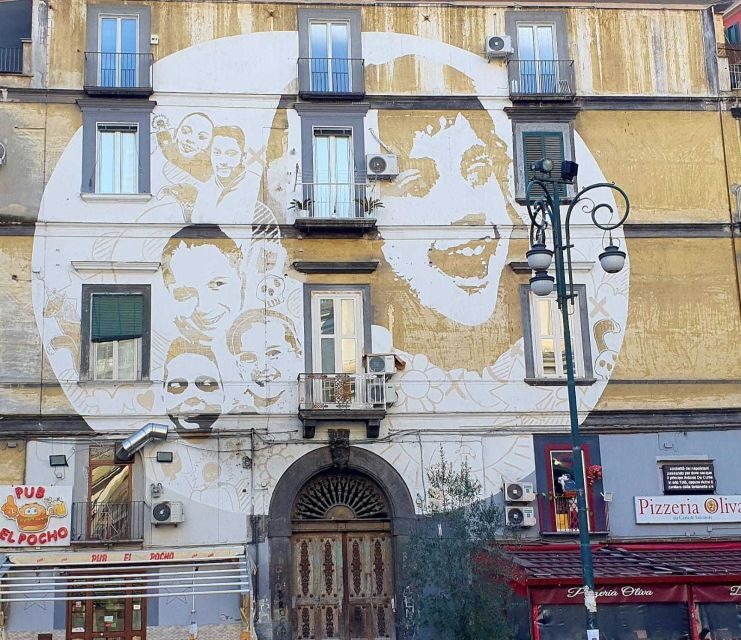
- Totò and Maradona murals that turn the streets into a gallery
- Twin palazzi stories around Palazzo San Felice and Palazzo dello Spagnolo
- Street art plus community culture, including books for everybody in the alley of culture
- Sansevero and the Veiled Son tied to themes of hope and belonging
- Fried pizza and fiocco di neve at Poppella, finished with real Neapolitan coffee
Porta San Gennaro: stepping into Rione Sanità’s real entrance
Your walk starts at Porta San Gennaro, the symbolic entrance point for Rione Sanità. It is a good mental setup: you are not just arriving somewhere; you are entering a neighborhood with its own identity. From there, the tour heads into the alleys, where you quickly see why this area feels so different from the Naples many visitors expect.
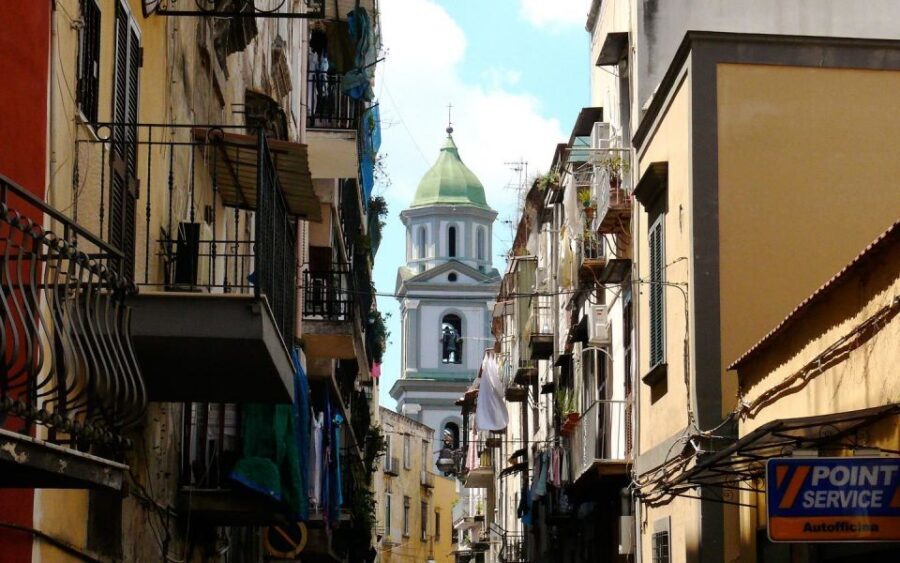
What I like here is the contrast you get from the first minutes. You see corners that feel rough and lived-in, then you turn and suddenly find something artistic—murals, church facades, small squares, and those everyday details like laundry hung to dry. That mix creates the tour’s main theme: beauty and contradiction in the same frame. It is not “pretty for the sake of it.” It is street life, and street art, and baroque forms sharing space.
Another thing to know: this is a guided experience with a live expert. The tour runs in English, Italian, and Spanish, and the group size is described as starting from 6 participants. In practice, that matters. You’re not stuck listening to a lecture from the back row; you can ask questions and keep up with the guide’s walking rhythm.
You can also read our reviews of more food & drink experiences in Naples

Neapolitan Baroque without the museum feeling: Palazzo San Felice & Palazzo dello Spagnolo
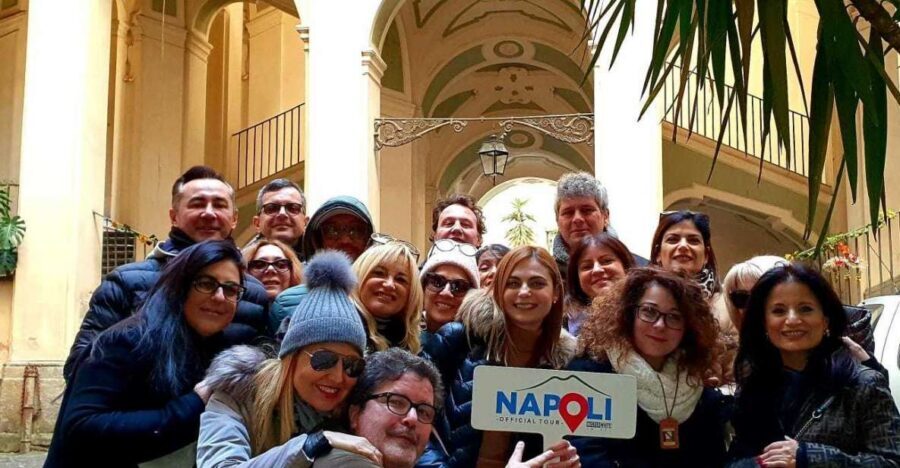
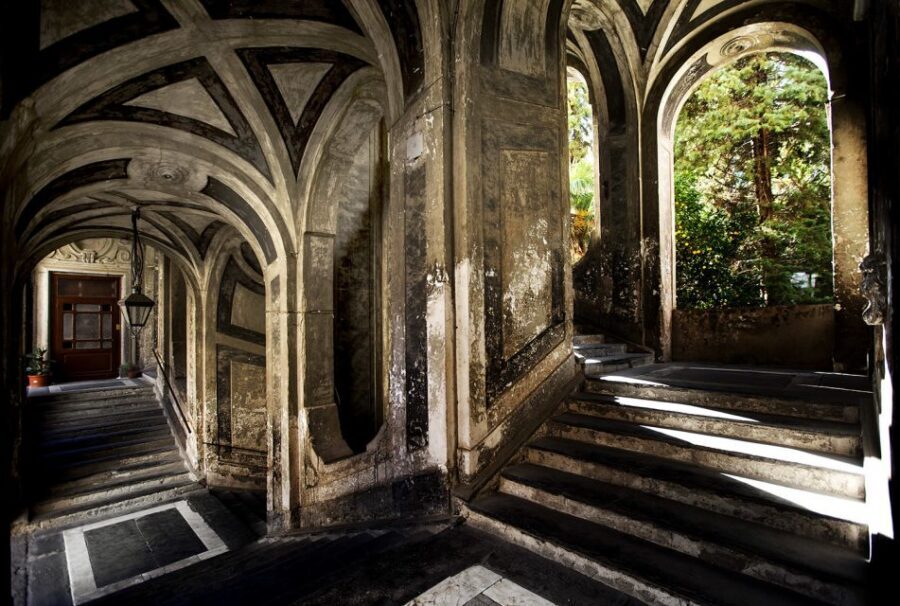
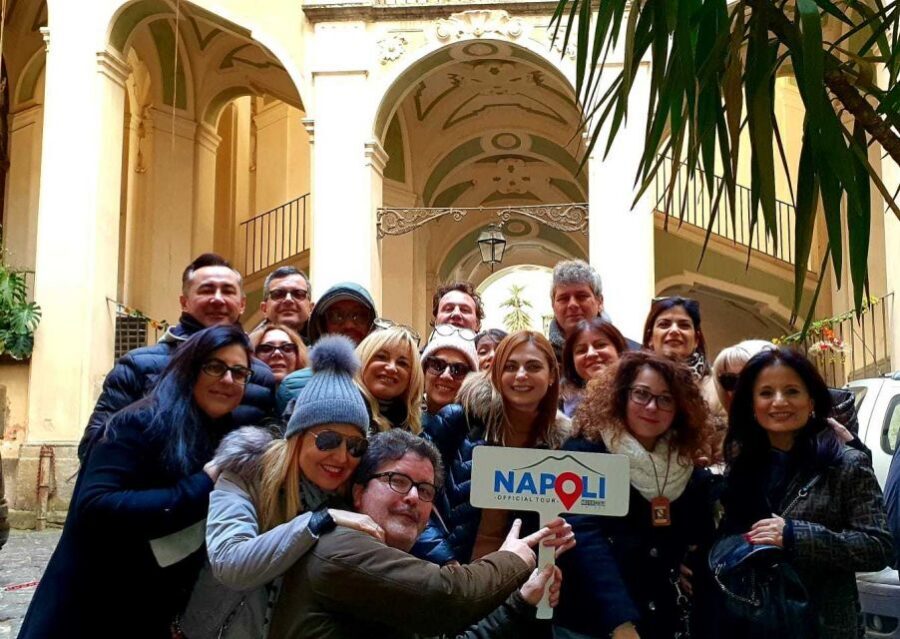
One of the main reasons to choose this tour is that it puts Neapolitan Baroque on the street, not behind velvet ropes. You get to admire two centerpiece works tied directly to the district’s “decay and rebirth” theme: Palazzo San Felice and Palazzo dello Spagnolo. They are presented as “twin architectures,” and the guide uses them to explain how the neighborhood’s architecture carries time in its stonework and layout.
Baroque in Naples has a specific energy: it tends to be theatrical, detailed, and emotional. Here, you’re not reading about it on a placard. You’re seeing it as part of a living streetscape. That’s a big value point for you, because you understand baroque as something that people built, used, and maintained (even when times were hard).
There’s also a practical benefit: these palazzi stops are visual anchors. When you’re walking through alleys full of murals and everyday life, it is easy to lose the “big picture.” The guide’s focus on these twin buildings helps you keep track of what the district used to be and what it is trying to become.
Murals, squares, churches, and the everyday theater of laundry and color
After the palazzi, the tour leans hard into street-level Naples. You’ll see squares and churches with Neapolitan baroque art, plus large murals dedicated to Totò and Maradona. That pairing is smart. It connects the formal, old-world artistry of churches with the modern, pop-culture imagination of the neighborhood.
The Totò and Maradona murals do more than add color. They show how Naples keeps its icons close, using public walls as memory boards. And because the tour is walking-based, you see how those murals sit alongside other real-life textures—painted building colors, narrow entrances, and small street corners.
I also like the attention to details that most “fast photos only” tours skip, like laundry hung out to dry. It sounds small, but it adds truth. You understand the neighborhood as a place where people still live, not a stage set for tourism.
If you’re the kind of person who prefers authenticity over polished itineraries, this part will click. If you hate walking in dense alleyways and prefer big, spaced-out sites, it may feel tight and busy—but it is exactly what makes the experience work.
The community story: cooperatives, street art culture, and books in the alleys
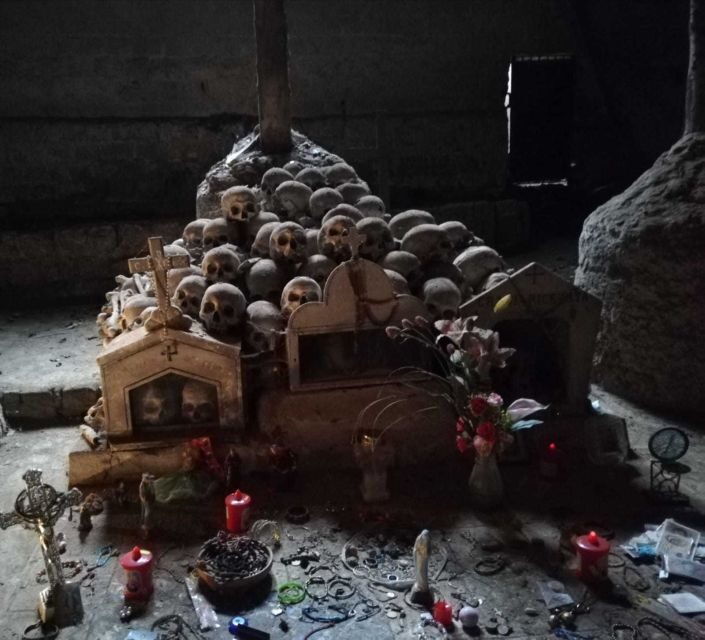
This tour is not just an art walk. The guide weaves in a neighborhood story of struggle and regeneration, centered on a social cooperative working to regenerate the area. You get a sense that rebirth here is not a slogan; it’s a process involving community effort and long-term change.
A memorable sign of that direction is the “alley of culture,” where you’ll find books for everybody. The idea is simple, but powerful: education and access are part of the neighborhood’s renewal. When you see that in the middle of alleys—where you might expect only decay—you realize how locals are shaping the future with tools that belong to daily life.
Street art also plays a big role in the message. The tour treats it like more than decoration. It becomes a public language: a way to say who belongs here and what the neighborhood wants to become.
If you choose this tour, bring a mindset shift. You are not only looking at beautiful things. You are learning how a neighborhood expresses hope, even when the setting is complicated.
Sansevero outside the walls: the Veiled Son and the theme of hope
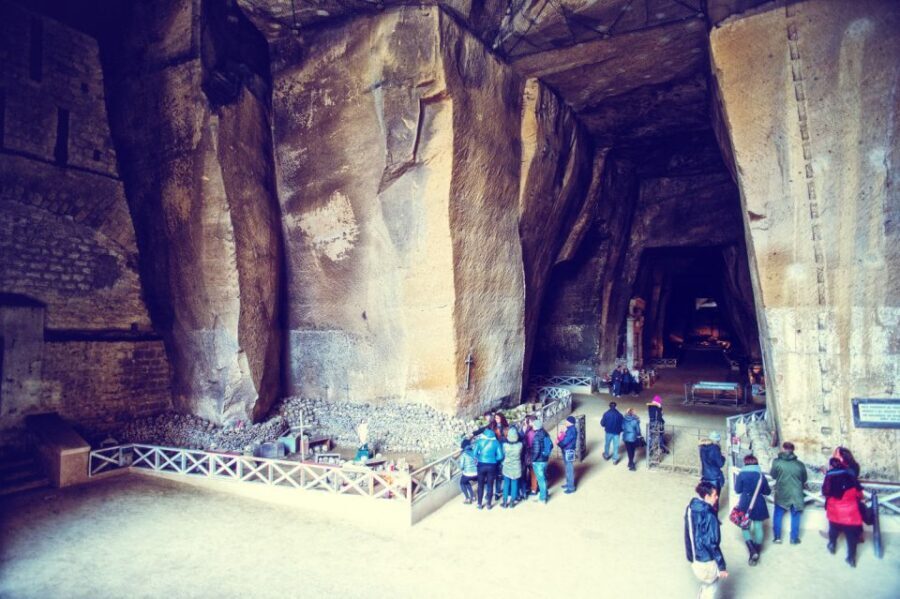
Next, the tour moves toward the basilica of Sansevero outside the walls, where you’ll see the sculpture of the Veiled Son. The guide uses this stop to reinforce the tour’s emotional thread: hope, universal belonging, and the idea that beauty can coexist with struggle.
The Veiled Son is famous enough that you might think you already know what it is. But in this context, it lands differently. You’re not seeing it as a standalone museum piece; you are seeing it as part of a neighborhood narrative about persistence and integration.
This is where the best guides make the biggest difference. In the feedback for this tour, guides such as Giovanni and Gianluca are highlighted for being thoughtful and passionate about their city—exactly the kind of guide who can connect an artwork to the streets around it without turning it into a dry lecture.
You’ll also notice that the pace stays human. This matters when you want to feel like you understand what you’re looking at, not just where you’re standing.
You can also read our reviews of more tours and experiences in Naples




Santa Maria alla Sanità’s Nativity scene: why faith and community matter here
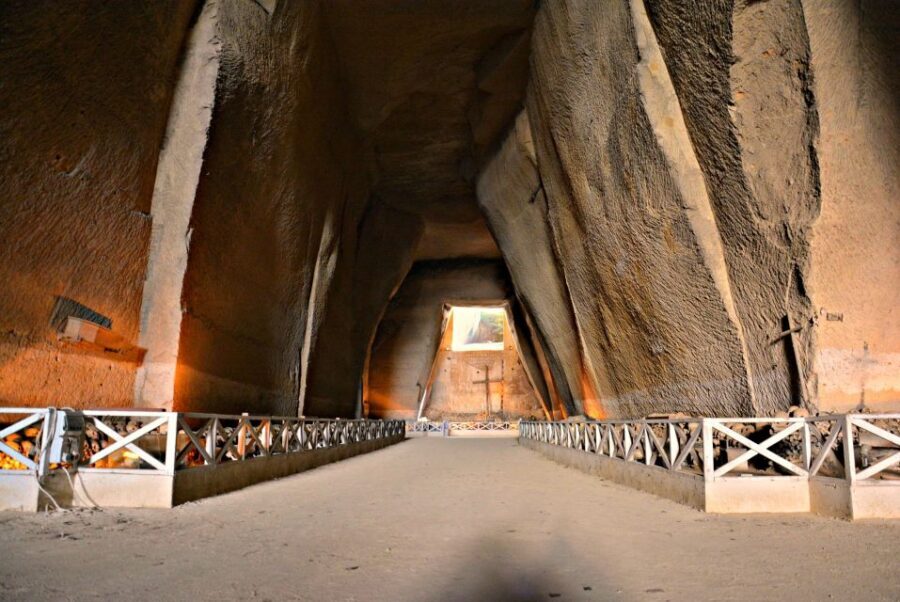
The tour’s “hope” theme comes to a strong point at the basilica of Santa Maria alla Sanità, home to a famous Nativity scene. It’s described as fabulous, and the important part is what the guide draws from it: it is presented as a symbol of hope and universal integration.
That framing changes how you look at religious art. You’re not treating it like a rigid tradition frozen in time. You’re seeing it as a living expression of community values—especially meaningful in a neighborhood that is actively working to transform itself.
This stop also helps you connect back to what you saw earlier: murals of modern Neapolitans, baroque palazzi architecture, and alley culture with books. All of it points to the same idea: the neighborhood’s identity is not one thing. It’s many things, including faith, art, and everyday resilience.
Food stops that feel like Naples: fried pizza, fiocco di neve, and coffee
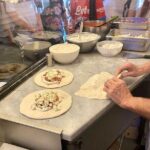
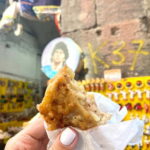
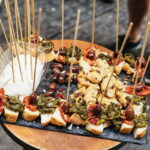
Let’s talk about the part that makes the walk enjoyable even when your feet start negotiating with you: the food. You get a typical street food tasting of fried pizza in a take-away format, followed by a sweet tasting of fiocco di neve from Poppella, plus real Neapolitan coffee.
What I like about this is how the food fits the neighborhood rhythm. Fried pizza is the kind of thing you eat on the move. It suits an alley walk where you’re stopping often to look at murals, architecture, and church details. You’re not stuck sitting in a formal setting. You get a taste of Naples the practical way.
The fiocco di neve stop adds balance. It’s not just sugar; it’s a named local specialty connected to a well-known pastry shop. And the coffee matters because Naples coffee culture is part of how locals slow down and talk. Having it right after the sweet tasting gives you a satisfying end-of-walk reset.
If you’re the kind of traveler who loves food but hates generic “tourist tastings,” this one is built from neighborhood cues: street pizza style, a signature Neapolitan dessert, and a local coffee finish.
Price and value for a 2-hour neighborhood art-and-food walk
At $47 per person for a 2-hour guided experience, this tour prices like an arts-and-street-walking activity, but with real added value: the tastings are included. You’re getting a local tour expert, a fried pizza take-away tasting, and a sweet tasting with fiocco di neve and coffee.
The value equation is simple for you. You are paying for context and access—storytelling that turns murals, palazzi, and churches into a coherent neighborhood narrative. Then you’re also getting food that otherwise would take planning: choosing where to eat, what to order, and how to fit it into the day.
Transportation is not included, so you’ll want to factor that into your day plan. But because the tour starts right at Porta San Gennaro (next to it, on via Porta S. Gennaro 35), the logistics can be straightforward if you’re already moving around Naples.
For your money, the biggest win is not only what you see. It’s how the guide ties it all together: architecture + street art + community change + local food.
Who should book this tour, and who might prefer something else

I think this tour is a great match if you want Naples with context. You like street art and baroque art, and you enjoy learning why a neighborhood feels the way it does. You also enjoy food stops that feel part of daily life, not just checkpoints.
It’s especially good for people who value storytelling and a guide who can make a small space feel meaningful. The guide names Rosa, Giorgia, Giovanni, and Gianluca show up with consistent praise for preparation, friendliness, and passion. That usually means you’ll get explanations that land, not just directions.
Who might look elsewhere? If your priority is major “icon only” sightseeing with lots of space and minimal walking, this may feel too neighborhood-focused. It’s built for alleys, churches, murals, and small scenes. That’s the point—but it is not the style for everyone.
Should you book Rione Sanità: baroque, revival, street art & food?
Yes, if you want a Naples experience that’s not trapped in postcard habits. The combination of Neapolitan Baroque (with Palazzo San Felice and Palazzo dello Spagnolo), community-focused storytelling, and real local tastings makes this feel worth the time.
Book it if you enjoy places where art and daily life overlap, and you like your history with a living heartbeat. Skip it if you’re only interested in the biggest headline monuments and you prefer quiet pacing with lots of open-air space.
If you do book: wear your curiosity like a comfortable jacket. This tour rewards attention, not speed.
FAQ
Where is the meeting point for the Rione Sanità tour?
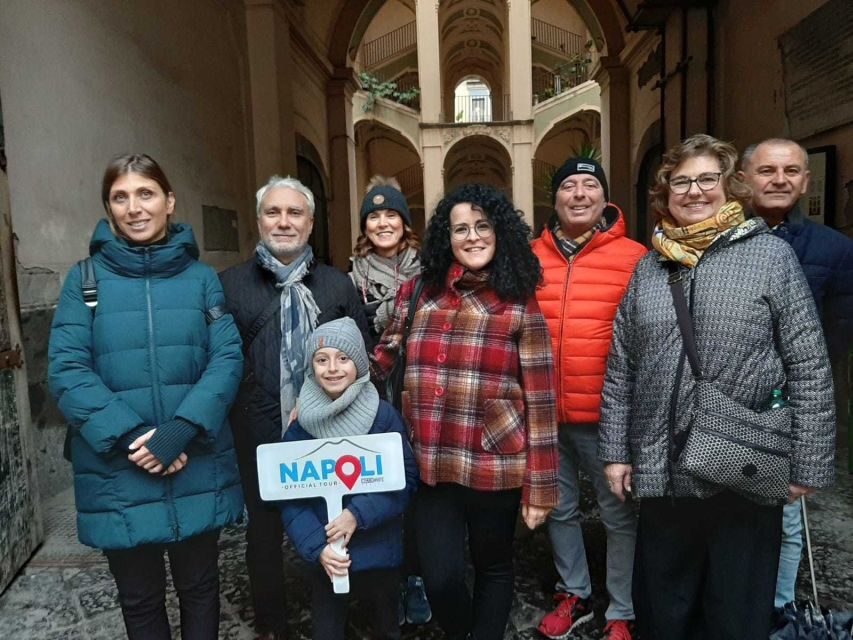
You meet next to Porta San Gennaro at Via Porta S. Gennaro 35. The tour expert will wait holding a sign with your name.
How long is the tour?
The tour lasts 2 hours.
How much does the tour cost?
The price is $47 per person.
What languages is the live guide available in?
The tour is offered with a live guide in English, Italian, and Spanish.
What food is included in the tour?
You get a take-away tasting of fried pizza and a sweet tasting of fiocco di neve (Poppella) with real Neapolitan coffee.
What does the tour include besides food?
It includes a local tour expert and a guided walk through key neighborhood sights, including baroque architecture, churches, and street art.
What are some main sights you’ll see?
You’ll start at Porta San Gennaro and see landmarks and art including Palazzo San Felice, Palazzo dello Spagnolo, murals dedicated to Totò and Maradona, the Veiled Son at the basilica of Sansevero outside the walls, and the Nativity scene at Santa Maria alla Sanità.
Is transportation included?
No, transportation is not included.
How big is the group?
The tour is described as a small-group style experience starting from 6 participants and on.
Is there free cancellation?
Yes. You can cancel up to 24 hours in advance for a full refund.