REVIEW · NAPLES NATIONAL ARCHAEOLOGICAL MUSEUM
Naples: National Archaeological Museum of Naples Guided Tour
Book on GetYourGuide →Operated by Askos Tours · Bookable on GetYourGuide
Naples gets easier when someone points things out. This 2-hour guided visit keeps you moving through the National Archaeological Museum with skip-the-line entry, so you spend less time stuck at the door and more time understanding what you’re seeing.
I love two things most: the Farnese Collection (Hercules, the Toro Farnese, and scenes of Greek gods and Roman power) and the Pompeii and Herculaneum frescoes and mosaics—art that survived the eruption of Mount Vesuvius in 79 AD. It’s the kind of tour where names, symbols, and sources start to make sense fast.
One catch: the museum is huge. With only 2 hours, you’re getting the best highlights, not a full floor-by-floor walk-through of everything inside.
In This Review
- Key highlights you’ll care about
- Where this museum tour pays off fast
- Meet at the ticket office, then walk in like you own the place
- The Farnese Collection: sculptures that set the tone
- Pompeii and Herculaneum mosaics: the 79 AD shock factor
- Corridors of gods, coins, and wall paintings
- Pacing, group size, and hearing support that can matter
- Price and value: what you’re really paying for
- Best order for planning: before Pompeii or after
- Who should book this Naples museum tour
- Should you book the National Archaeological Museum of Naples guided tour?
- FAQ
- Where is the meeting point for the Naples Archaeological Museum tour?
- How long is the guided tour?
- Does the tour include skip-the-line entry?
- What is included in the price?
- What languages are offered for the guide?
- What items are not allowed during the tour?
- Is this tour suitable for wheelchair users or mobility impairments?
Key highlights you’ll care about
- Skip-the-line entry so you start quickly at the ticket office
- Farnese Collection sculptures including Hercules and the Toro Farnese
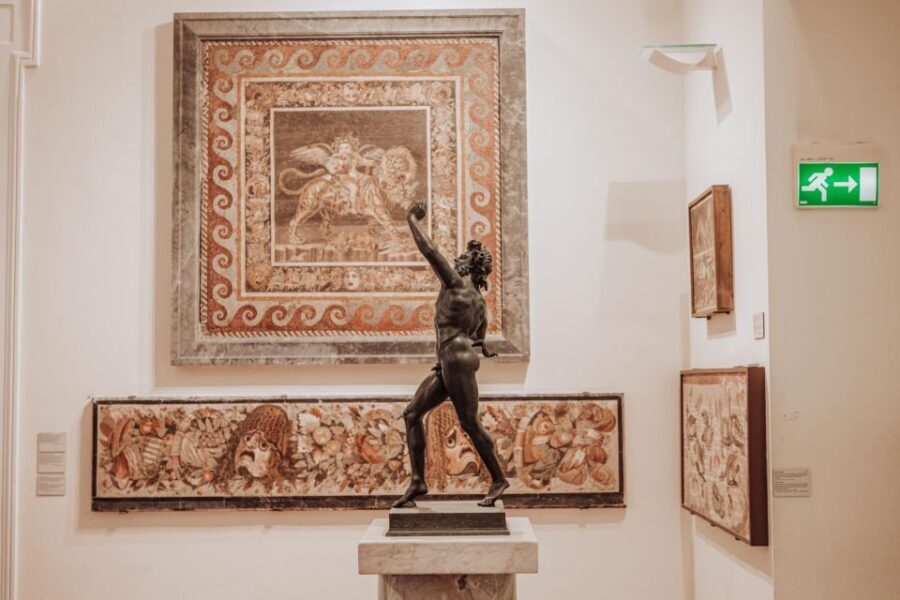
- Pompeii and Herculaneum frescoes and mosaics tied to 79 AD
- Greek and Roman gods in bust-lined galleries that help you orient fast
- A real archaeologist guide (including guides such as Sylvia and Nicoletta, based on past tours) who can answer your questions
Where this museum tour pays off fast
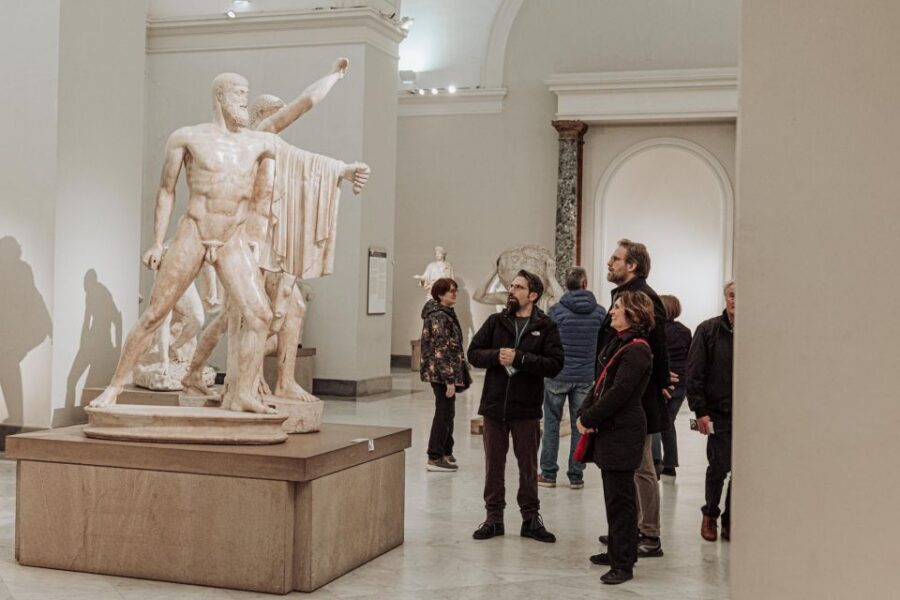
The National Archaeological Museum of Naples is one of those places that can feel overwhelming without a plan. The collections are deep, the building is impressive, and the sheer number of statues, mosaics, coins, and wall paintings can make a self-guided visit turn into a blur.
That’s exactly why this tour works. You get a focused route through the museum’s most important rooms, and your guide acts like a filter. Instead of staring at art and wondering what it is, you’re taught how to read it—myth, politics, daily life, and disaster, all in one building.
I also like that the tour is built around the Bay of Naples story. When you connect Pompeii and Herculaneum to what comes after (and what survives), the museum starts to feel less like a storage space and more like a map of the region.
You can also read our reviews of more guided tours in Naples National Archaeological Museum
Meet at the ticket office, then walk in like you own the place
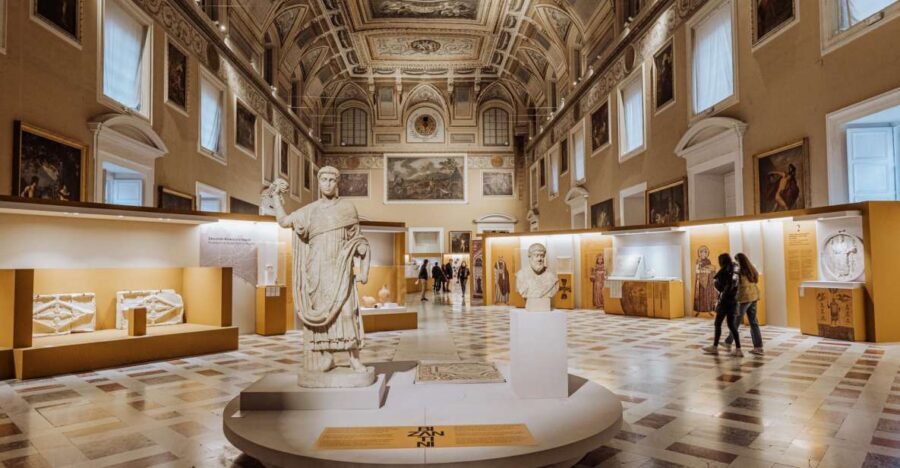
You meet outside the ticket office at Museo Archeologico Nazionale di Napoli. The guide holds an ASKOS TOURS sign, so you’re not wandering around guessing who starts the tour.
From there, you get skip-the-line access. In practice, that means less waiting and more time seeing the big objects that most people come for—especially helpful if you arrive during a peak hour when entry lines can be slow.
The tour runs 2 hours, with live guidance in English or Italian. That matters because the museum is complicated enough without language barriers. A clear explanation turns the museum from “cool stuff” into “I understand why this matters.”
The Farnese Collection: sculptures that set the tone
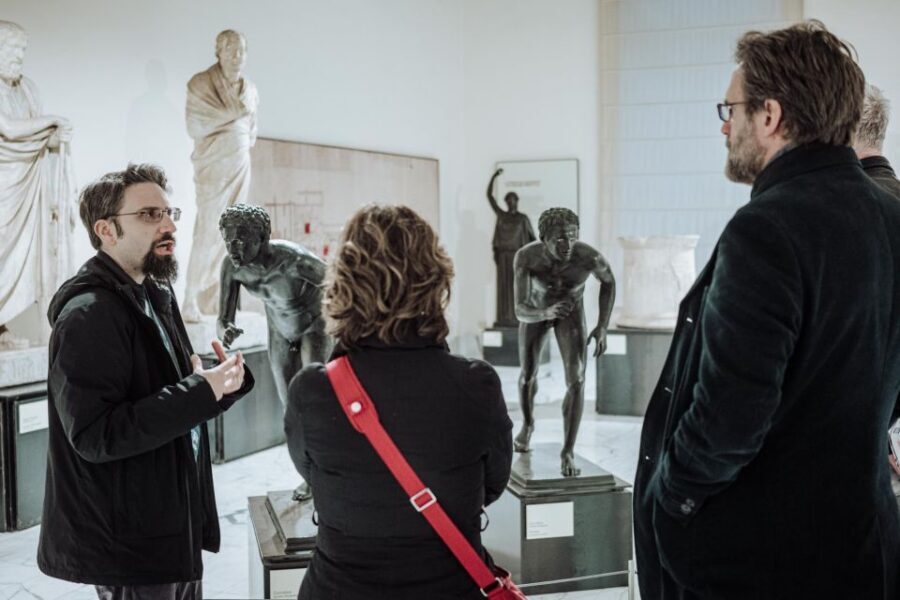
If you like classical sculpture, the Farnese Collection is the main event. This tour walks you through the core masterpieces tied to the collection, including famous works such as Hercules and the Toro Farnese.
What I like about focusing on Farnese first is how it trains your eye. You start learning what to look for: posture, drama, muscle tension, and the way sculptors conveyed emotion and power. Once those visual cues start clicking, you’ll spot them in other galleries too.
The Farnese rooms also help you connect art to belief systems. The museum isn’t only about Greek myths and Roman legends in isolation—your guide connects Greek gods and Roman emperors to what people wanted to see, how they wanted to think, and how they wanted to rule. That makes the later galleries of busts and wall art feel less random.
Past guides on this program have included people like Nicoletta, who explains Naples and Roman-era Campania with strong enthusiasm, and Sylvia, described as a senior archaeologist who also teaches and works on Pompeii-related work. Even if your guide isn’t the exact person, the format is consistent: you get context, not just dates.
Pompeii and Herculaneum mosaics: the 79 AD shock factor
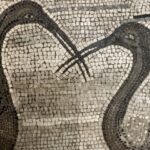
The part many people remember most is the Pompeii and Herculaneum section—especially the frescoes and mosaics. The tour’s framing makes the history hit harder: these are images that survived the eruption of Mount Vesuvius in 79 AD.
Mosaics are where that “how did this last?” reaction really kicks in. You’re seeing decorative scenes and real craftsmanship that doesn’t feel like a museum copy. It feels like a moment pulled out of time—still bright enough to communicate style and status.
Your guide helps you interpret what you’re seeing. That’s important because mosaics and frescoes can look beautiful but confusing when you don’t know the themes. With the explanation, you start seeing the pattern: myth, daily life, and the social signals of who could afford what.
One practical note: some artworks may be under restoration at certain times. If you notice a piece looking different than photos online, don’t panic. The tour still helps you understand what’s being restored and why that matters for the long-term survival of the art.
Corridors of gods, coins, and wall paintings
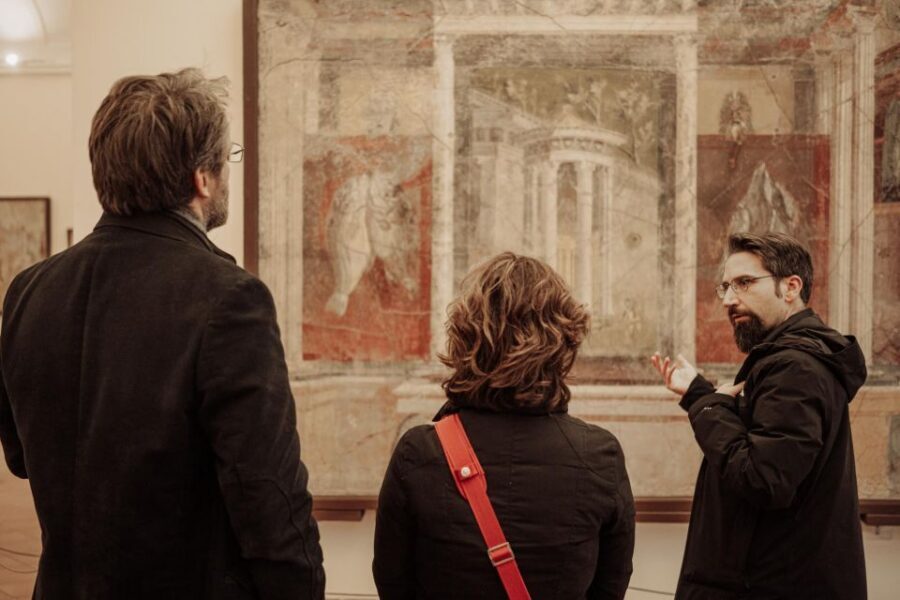
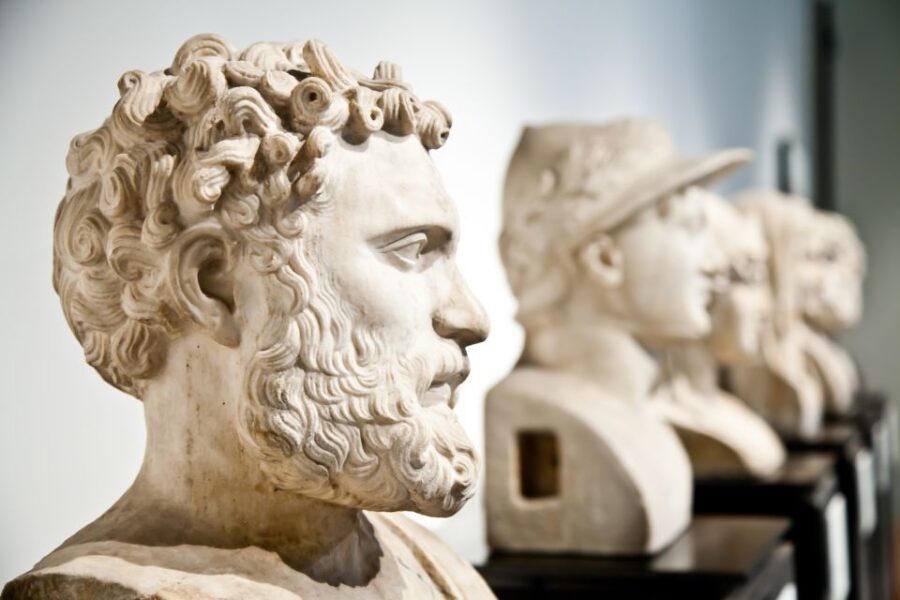
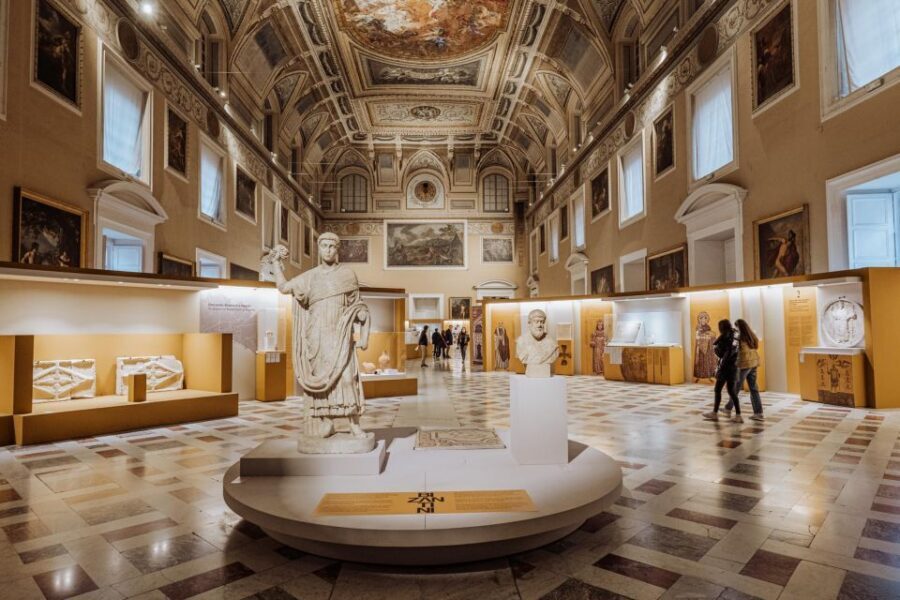
After you’ve built a foundation with Farnese and the Pompeii/Herculaneum finds, the museum’s corridors start to feel like a guided argument. The tour includes areas with busts and figures connected to Roman and Greek gods and major personalities.
That matters because the museum’s design can otherwise make you feel lost. You walk through rooms and wonder: What connects these? Why is this here? Your guide gives you the thread, so the busts and statues don’t feel like separate trophies. They start to read like a worldview.
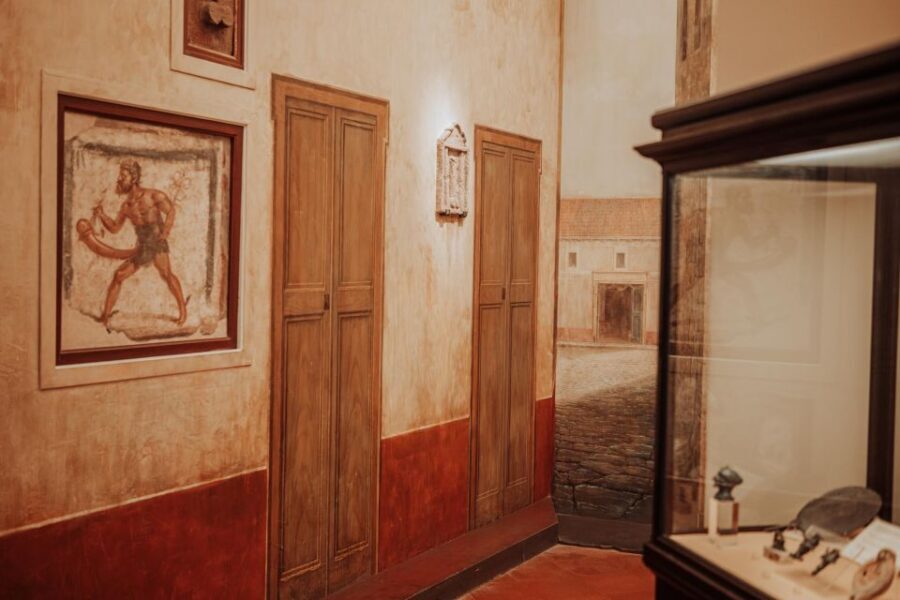
You’ll also encounter coins and wall paintings, and this is where a guide earns their keep. Coins and small objects are easy to ignore on your own. With context, you understand how they help tell the story of trade, power, and cultural mixture across the region.
Even if you don’t consider yourself a classics person, this section helps you slow down. You’ll look longer than you planned to, and that’s the best kind of museum time.
You can also read our reviews of more museum experiences in Naples National Archaeological Museum
Pacing, group size, and hearing support that can matter
This tour is 2 hours, and it moves. That’s good news if you’re short on time in Naples. It also means you should wear comfortable shoes and expect a steady pace through galleries.
Many people also appreciate the fact that the group can be small. Past groups have ranged from very small numbers to around 8 people, which helps with questions and keeping everyone together in a large building.
If you’re hard of hearing, pay attention to the tour’s sound setup. One person noted ear pieces/headsets made a big difference. Another person flagged that the sound system could be poor, especially if a guide had a sore throat. If audio is critical for you, I’d plan to position yourself where you can see the guide’s face and not rely only on volume.
Finally, don’t treat the tour as the end of your museum visit. After the guided portion, you can stay and keep exploring your favorites on your own. That’s the sweet spot here: guided highlights first, then a personal rerun of the statues or mosaics that got your attention.
A useful Naples tip: the museum is free on the first Sunday of the month (so long as you plan for crowds and lines). If you’re flexible with your dates, that can change the value equation a lot.
Price and value: what you’re really paying for
The listed price is $52 per person for a 2-hour guided tour with skip-the-line entry. The entry component is described as €20 for adults (and €2 for reduced EU citizens ages 18–25), and the tour includes the archaeologist guide plus museum access.
So what are you buying, beyond the ticket?
1) Time saved from skipping the ticket line
2) A guide who knows how to connect objects to the Bay of Naples story
3) A structured route through a huge museum so you don’t waste your limited time
For many people, that’s the real value. You could walk in alone, but you’d likely miss the interpretive connections that make Farnese, Pompeii, and Herculaneum feel like one coherent story.
Also, the live guide can make the art feel approachable. One person specifically said this tour helped complete the Pompeii and Herculaneum experience—because the museum explains what you’re looking at, not just that it exists.
Best order for planning: before Pompeii or after
This tour works either way, but the order changes what you notice.
If you visit Pompeii and Herculaneum first, you’ll come to the museum with a sense of place and scale. Then the frescoes and mosaics feel like “oh, that’s where that idea comes from,” and you’ll pick up extra context fast.
If you do the museum before Pompeii, you get a visual and cultural framework. A guide even suggested that seeing Pompeii first can be a helpful follow-up, which tells you the tour is designed to support the archaeology narrative rather than replace it.
My advice: if Pompeii and Herculaneum are on your agenda, try to keep some breathing space between them and this museum. Even a day gap can make your brain connect the dots more cleanly.
Who should book this Naples museum tour
This guided visit is ideal if you:
- Want high-impact highlights in a short window
- Care about how Greek and Roman culture shows up in Campania
- Enjoy learning through explanation, not just reading labels
- Plan to pair the museum with Pompeii and Herculaneum
- Appreciate expert-style guidance from archaeologists, including people described as working on Pompeii and teaching
It may be less ideal if you:
- Want to roam freely at your own pace for hours and hours
- Rely on mobility access needs (the tour is not suitable for people with mobility impairments or wheelchair users, based on the activity notes)
- Travel light is hard for you (large luggage and strollers aren’t allowed)
Should you book the National Archaeological Museum of Naples guided tour?
Book it if your goal is to understand the museum quickly. For $52, you’re paying for a strong route, skip-the-line entry, and an archaeologist guide who helps you connect Farnese sculpture, Pompeii/Herculaneum frescoes and mosaics, and the wider Greek-Roman world in one smooth sequence.
Skip it only if you’re the type who will spend the whole day independent anyway and you already know exactly what rooms you want to hit. In a museum this big, a good guide is often what turns a collection into a story you can remember.
If you want a smart Naples anchor between Pompeii/Herculaneum days, this is a practical choice. It’s short enough to fit, and focused enough that you’ll leave with your head full of details you can actually use.
FAQ
Where is the meeting point for the Naples Archaeological Museum tour?
You meet outside the ticket office of the Archaeological Museum of Naples. The guide holds an ASKOS TOURS sign to be recognized.
How long is the guided tour?
The duration is 2 hours.
Does the tour include skip-the-line entry?
Yes. The tour includes skip-the-line access to the Archaeological Museum of Naples.
What is included in the price?
The tour includes the guided experience, an archaeologist guide, and entry to the museum. Transportation and food/drinks are not included.
What languages are offered for the guide?
The tour is offered with a live guide in English and Italian.
What items are not allowed during the tour?
Oversize luggage, baby strollers, luggage or large bags, non-folding wheelchairs, and electric wheelchairs are not allowed.
Is this tour suitable for wheelchair users or mobility impairments?
No. It is listed as not suitable for people with mobility impairments and for wheelchair users.