REVIEW · NAPLES
Private Pompeii Herculaneum and Vesuvius Full-Day Shore Excursion
Book on Viator →Operated by city & tour soc coop arl · Bookable on Viator
That crater daydream starts here. This full-day private shore excursion strings together Pompeii, Herculaneum, and an Mt Vesuvius visit in about 8 hours, so you’re not stuck choosing just one. I like that the driver provides live commentary while handling the long transfers, and you get your own time to roam each site at a relaxed pace.
The biggest drawback is also the nature of the plan: entrances are not included, and you’ll need to manage timed entry and bring the required identity card to avoid stress.
In This Review
- Key points worth knowing before you go
- A smart way to hit Pompeii, Herculaneum, and Vesuvius in one day
- Price and what you actually get for $366.94 per person
- Getting started: Naples pickup, the morning window, and how to be ready
- Pompeii Archaeological Park: what you can realistically cover in about two hours
- Herculaneum (Parco Acheologico di Ercolano): smaller, calmer, and better preserved
- Mt Vesuvius National Park: the 30–40 minute climb and crater views
- The driver and live commentary: efficient moves without feeling rushed
- Tickets, ID, and entrance timing: the small details that can spoil the day
- Who this tour suits best, and who should consider a different plan
- Should you book this private Pompeii, Herculaneum, and Vesuvius shore excursion?
- FAQ
- How long is the Private Pompeii Herculaneum and Vesuvius full-day shore excursion?
- Is pickup from Naples included?
- Is this a private tour?
- What is the order of the stops?
- How long do we spend at Pompeii and Herculaneum?
- Are entrance fees included in the price?
- Do we need an identity card?
- Is there a guide inside the attractions?
- How challenging is the walk to the Vesuvius crater?
- Does the tour run in bad weather?
Key points worth knowing before you go
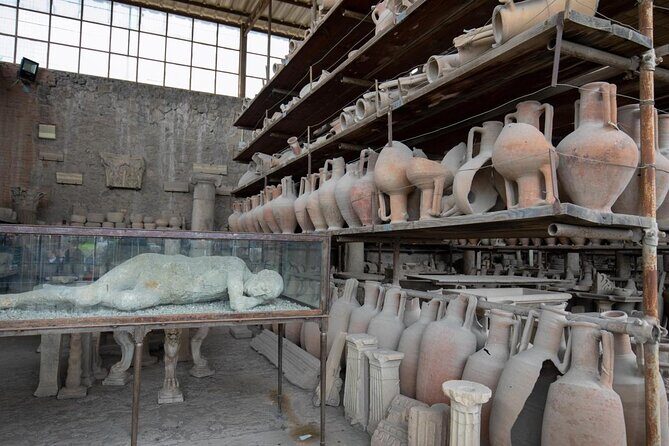
- One day, three major stops: Pompeii first, then Herculaneum, then Vesuvius, all in a tight but workable route.
- Your pace, your route: you get scheduled time at each site, but you decide what to linger on.
- Vesuvius is active travel: the path to the crater is about 30–40 minutes, described as tiring but accessible.
- Admissions are extra: plan ahead so entrance fees don’t eat into your sightseeing time.
- Driver-only during visits: the driver handles logistics, but you won’t have an escort inside the sites.
- Efficiency matters: the ride is set up to get you back on time, including for train connections out of Naples.
A smart way to hit Pompeii, Herculaneum, and Vesuvius in one day
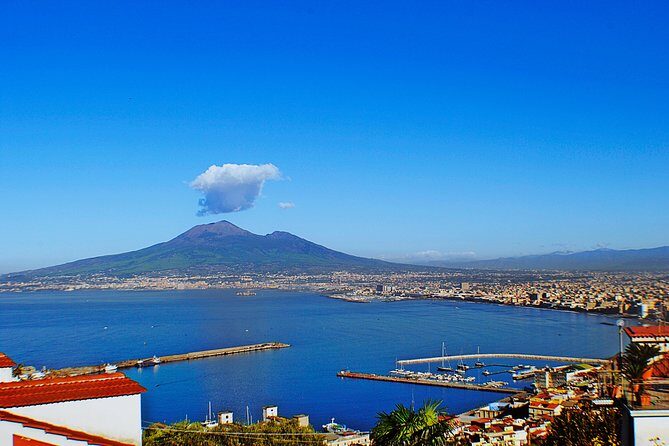
If you’re in Naples for a limited window, this is the cleanest way to do the “big three” of Campania without spending your day on local bus schedules and taxi negotiations. You start with transportation taken care of, then you get a human guide-style presence through live commentary on the ride. That matters because this area isn’t just ruins. It’s geography, volcano history, and city planning all stacked on top of each other.
I also like how the order of stops makes sense. You begin with Pompeii, the most famous of the two cities, then move to the smaller but very well-preserved Herculaneum, and end with Vesuvius for the dramatic payoff. It’s easier to understand the “why” of the eruption before you climb up to see the active crater area.
Yes, it’s a full day. But it’s built around a simple rhythm: ride, look, walk a bit, then ride again. When you’re paying for an 8-hour day, that rhythm is what keeps the day feeling like sightseeing instead of logistics.
You can also read our reviews of more private tours in Naples


Price and what you actually get for $366.94 per person
At $366.94 per person, you’re not just buying entry into three sites. You’re paying for a lot of the stuff that quietly costs time and money when you DIY it.
Here’s what’s included:
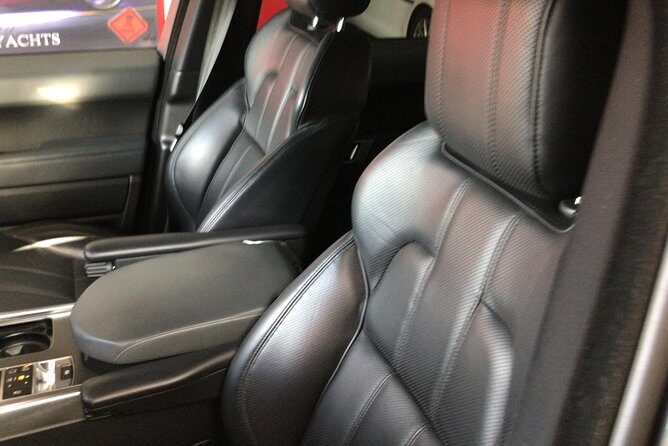
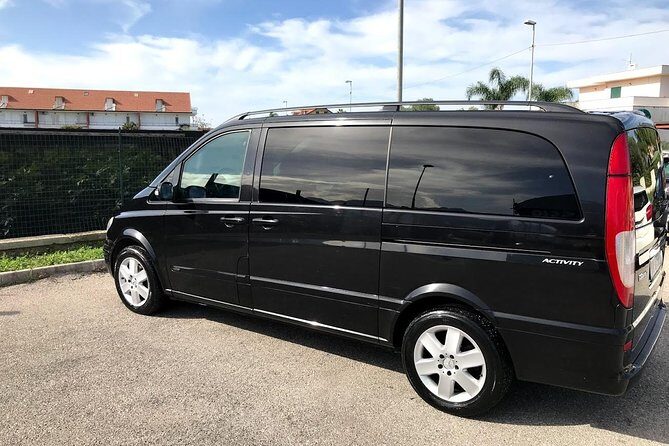
- Deluxe air-conditioned vehicle
- English-speaking driver/guide with live commentary on board
- Pickup and drop-off from designated meeting points
- All tolls, parking, petrol (gas) and taxes
What that means for you: your biggest expense is time, and this tour protects it. A private vehicle is what makes the Pompeii-to-Herculaneum-to-Vesuvius line possible in one go. With admissions extra, your total trip cost depends on ticket prices, but the transfers and narration are already handled.
I’d also point out the value angle for shore-excursion travelers: you’re told they will ensure your timely return to your port for this activity. That kind of timing discipline can be worth real money when you’re dealing with cruise schedules.
Getting started: Naples pickup, the morning window, and how to be ready

This runs as a morning tour out of Naples. Pickup time is tied to an opening window of 7:00 AM to 11:00 AM, and the meeting points are near public transportation. Practically, that means you should plan your morning like you would for a train: be ready early, not exactly on schedule.
Dress code is casual, and it operates in all weather conditions. Translation: pack layers. Naples can shift fast. Also, Vesuvius is described as tiring, even if accessible, so comfortable shoes matter more than style.
One more detail that’s easy to overlook until it becomes a problem: you need an identity card required to enter the site, and you should bring it with you the day of the tour. If you forget it, you can’t just charm your way through.
Pompeii Archaeological Park: what you can realistically cover in about two hours
Pompeii is huge. Two hours is not long enough to see everything, so you’ll want to focus and accept that you’re choosing highlights, not completing a checklist.
During your stop, you’ll spend about 2 hours at the Pompeii Archaeological Park. The tour plan highlights several high-impact areas that make Pompeii feel like a living city rather than a museum.
Key sights you can target inside your time window:
- Pompeii Forum: the political, religious, and commercial heart, including ruins of the Temple of Jupiter, Temple of Apollo, and the Basilica
- Pompeii Amphitheatre: one of the oldest Roman amphitheatres still in existence, with capacity up to 20,000 spectators
- House of the Vettii: known as one of the best preserved villas, with striking frescoes that reflect aristocratic life
- Stabian Baths: described as the oldest public baths in Pompeii, with well-preserved rooms
Here’s my practical tip: pick one “big emotional hit” and one “architectural hit.” For many people, the amphitheatre is the big emotional hit, because it shows scale. For architecture, the Forum and baths give you a feel for daily civic and public life. If you try to do all of it equally, you’ll end up brisk-walking everything.
One more thing to know: entrance fees for Pompeii are not included, and there’s an instruction to coordinate with the office entrance time in Pompeii/Vesuvius before buying tickets. If you’re the type who wants to buy tickets right away, do it in a way that still matches the schedule the tour requires.
Herculaneum (Parco Acheologico di Ercolano): smaller, calmer, and better preserved
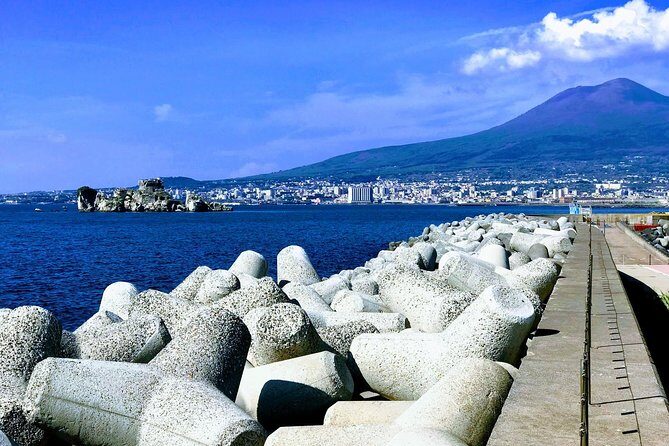
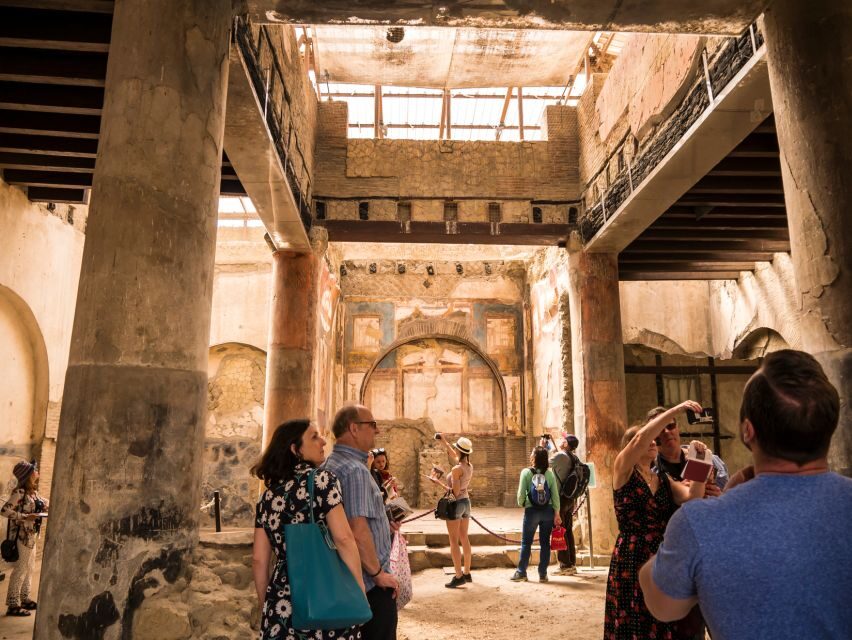
After Pompeii, Herculaneum feels like a gift. It’s smaller, and it’s described as less famous but extraordinarily well preserved thanks to being sealed in 79 AD by volcanic mud flow. That preservation changes the vibe: instead of rushing from sight to sight, you can slow down and notice structure, materials, and layout.
Your stop here is about 1 hour, so again, it’s not about covering every nook. It’s about absorbing what makes Herculaneum different.
The plan emphasizes:
- House of Neptune and Amphitrite: famous for mosaics, including the Neptune and Amphitrite depiction, plus a luxury nymphaeum decorated with shells and colored glass tiles
- Central Baths: well-preserved public baths with changing rooms, tubs, and mosaics that show how important bathing was to daily life
- House of the Deer: noted as one of the most sumptuous residences in Herculaneum
- A reminder of major discoveries: you can learn about Roman skeletal and physical remains found at the site in 1981
I like Herculaneum for the way it explains how Romans lived when you’re not overwhelmed by the scale of an entire city. Pompeii often hits you with size. Herculaneum hits you with clarity.
If you tend to get tired after intense walking, Herculaneum’s one-hour structure can be a real advantage. You still get quality time, without turning the day into a marathon.
You can also read our reviews of more tours and experiences in Naples



Mt Vesuvius National Park: the 30–40 minute climb and crater views

Then comes the part that turns history into a landscape you can stand next to: Mt Vesuvius. This is an active volcano in Campania overlooking Naples, Pompeii, and Herculaneum.
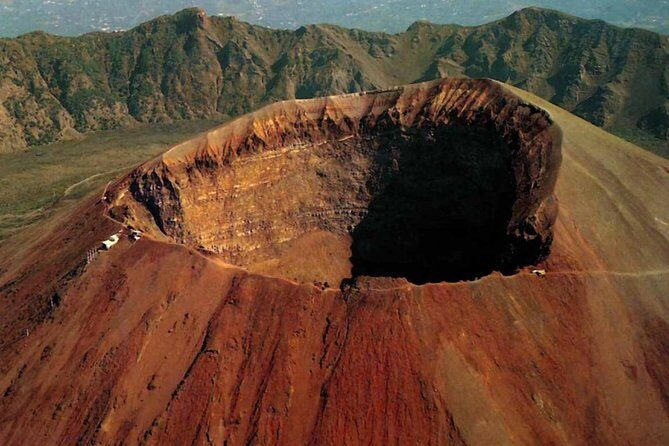
Your Vesuvius time is about 1 hour, including the hike portion. The climb to the crater is described as taking about 30–40 minutes. It’s called tiring but accessible to all, which is a useful distinction. You’re not expected to be an athlete, but you shouldn’t count on it being effortless.
What you’ll do and see:
- Path to the crater: along the way, views of Naples, the Amalfi Coast, and the islands of Capri and Ischia
- Crater of Vesuvius: from the edge you can observe fumaroles and volcanic soil that changes color depending on mineral composition
- Panorama of the Gulf of Naples: treated as a highlight of the visit
My practical advice: bring water, wear shoes with grip, and don’t treat the crater area as a quick photo stop. If you’re out of breath, pause. Let the views catch up to your lungs.
Also, entrance fees for the Vesuvius area are not included, and the tour stresses timing coordination for entrances.
The driver and live commentary: efficient moves without feeling rushed

This tour’s strength is that transportation and explanation are bundled together. You’re not left with a silent transfer between sites. Instead, you travel with an English-speaking driver/guide who provides live commentary and important local context along the way.
One detail from a previous group that really tells you what kind of operator this is: they had a driver and guide named Carmine, with excellent English and strong communication, plus efficient navigation between the sites. The key win there wasn’t just knowledge. It was pacing and timing, including getting the group back in time for a train.
That’s what you want in a shore excursion. You want someone who understands how to make the day work when you’ve got limited hours and fixed departure needs.
It’s also private, so you’re not stuck absorbing someone else’s pace. Only your group participates, and that tends to make the whole day feel smoother.
Tickets, ID, and entrance timing: the small details that can spoil the day
This tour is flexible inside the sites, but the “front-end” details are strict.
Plan around these points:
- Entrance fees are not included for Pompeii and the other sites where applicable.
- Coordinate entrance time for Pompeii/Vesuvius with the office before you buy tickets.
- Bring your identity card. It’s required to enter the site.
Another practical note: this is driver-only during the visits. That means there isn’t a guide walking you through Pompeii or Herculaneum. The tour says a Pompeii guide can be hired on site, if you want deeper interpretation, but it’s optional and separate.
For many people, the best approach is to use your time in Pompeii and Herculaneum as “look and learn by sight,” then hire a guide if you want a deeper layer on just one location. With only a couple of hours at Pompeii and an hour at Herculaneum, you don’t want to burn every moment listening to a lecture. You want to stand in front of the Forum, then choose your own path.
Who this tour suits best, and who should consider a different plan
This excursion is described as family friendly and “most travelers can participate.” The Vesuvius hike is the main physical element, and it’s described as tiring but accessible. If your group can handle 30–40 minutes of uphill walking, you’re in the target zone.
I think this works especially well if:
- You’re short on time in Naples and want three top sites in one day
- You prefer the comfort of a private vehicle rather than assembling public transit connections
- You like doing big places in a “highlights first” way, then returning later for deeper exploration
You might want to consider a different setup if:
- You’re the type who needs 4–6 hours per site to feel satisfied
- You dislike moderate climbing, even if it’s considered accessible
- You’re traveling without easy ticket coordination and might struggle with the identity card requirement
Also, if you’re doing this as a day tour from Rome, the plan suggests taking the Freccia Rossa fast train from Rome Termini to Naples Centrale, and then taking a return train around 6:30 PM. That’s a strong option if you want to turn one Rome day into Campania without eating into multiple nights.
Should you book this private Pompeii, Herculaneum, and Vesuvius shore excursion?
I’d book it if you want a structured day that’s still flexible inside each site. The included vehicle, live commentary, and efficient routing help you maximize a limited window, and the stops are chosen for meaning: Pompeii for scale and fame, Herculaneum for preservation, Vesuvius for the cause behind the story.
Book it with confidence if you can handle:
- About 2 hours in Pompeii, 1 hour in Herculaneum, and about 1 hour total for the Vesuvius stop with a 30–40 minute climb
- The need to buy or manage entrance tickets separately
- Carrying your identity card
- Being ready for pickup within the morning window
Skip it or look for an alternative if you’re expecting a slow, guided walkthrough of everything. This is best seen as a smart “big day” plan: transport solved, key sights covered, and time you control on site.
FAQ
How long is the Private Pompeii Herculaneum and Vesuvius full-day shore excursion?
The duration is approximately 8 hours.
Is pickup from Naples included?
Yes. Pickup and drop-off are included from designated meeting points.
Is this a private tour?
Yes. Only your group will participate.
What is the order of the stops?
You visit Pompeii first, then Herculaneum, and finally Mt Vesuvius.
How long do we spend at Pompeii and Herculaneum?
Pompeii is about 2 hours, and Herculaneum is about 1 hour. Vesuvius is about 1 hour.
Are entrance fees included in the price?
No. Entrance fees where applicable are not included.
Do we need an identity card?
Yes. An identity card is required to enter the site, so bring it with you.
Is there a guide inside the attractions?
No. The tour is driver only, and you do not have an escort during visits. A Pompeii guide can be hired on site.
How challenging is the walk to the Vesuvius crater?
The climb takes about 30–40 minutes. It is described as tiring but accessible to all.
Does the tour run in bad weather?
It operates in all weather conditions, so dress appropriately. Casual dress is fine.