REVIEW · PIANO DI SORRENTO
Piano di Sorrento: Cooking Class with Food Tasting and Wine
Book on GetYourGuide →Operated by Orto a tavola · Bookable on GetYourGuide
A farm-based cooking class in Sorrento is the good kind of chaos. You’ll meet at a villa entrance, tour a working citrus and produce space, and learn to make Italian favorites using what you pick right there. I love the small-group setup (up to 6 people) and the hands-on feeling that comes from cooking with fresh, garden-sourced ingredients. One thing to consider: this is a 3-hour experience, so you’ll get one solid lesson, then you eat, not a full day of cooking practice.
I also like how the hosts treat the class like a home visit rather than a performance. Names that show up in the welcome you might receive include Maria, Lea (Leah), Lena, and Mary, and the common thread is warm hosting and clear instruction, even for people who cook only occasionally. Expect a relaxed meal under the citrus trees, plus wine and house-made limoncello, but don’t come expecting a quick, casual snack and go.
In This Review
- Key things I’d circle before you book
- Meeting at the villa entrance and settling in
- Welcome drink and bruschetta on arrival
- Tour the farm: where your ingredients come from
- Picking citrus and produce actually changes the meal
- Handmade pasta lesson: what you learn
- The meal: lunch under citrus trees with wine and limoncello
- Wine, pacing, and how the 3 hours feel in real life
- Price of $135.94: what you’re paying for (and why it can be worth it)
- Who should book this cooking class in Piano di Sorrento?
- Practical tips that will help you enjoy the day
- Should you book this cooking class?
- FAQ
- Where do we meet for the cooking class?
- How long does the cooking class last?
- Is this a small group activity?
- What languages are used during the class?
- What’s included in the price?
- Is the experience wheelchair accessible?
- Can I cancel if my plans change?
Key things I’d circle before you book
- Pick your ingredients from home-grown produce, including Sorrento tomatoes, eggplants, zucchini, and apricots (when available).
- Handmade pasta lesson with a sauce built from the seasonal vegetables you just gathered.
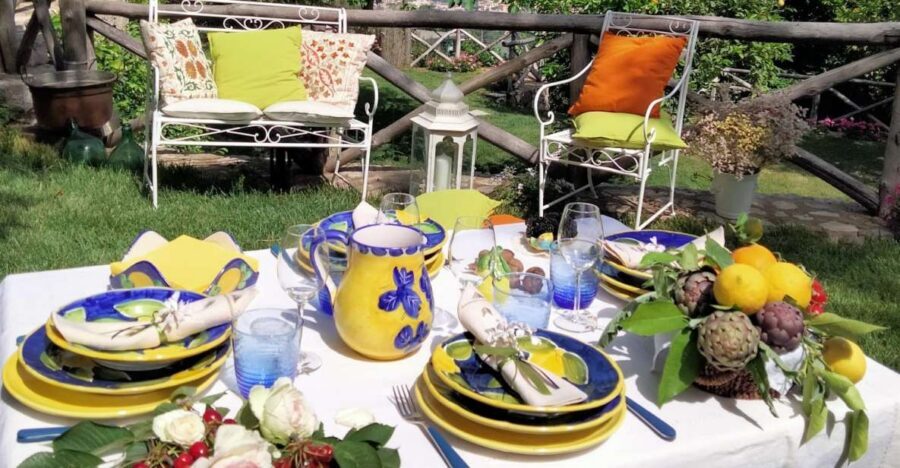
- Eat outdoors under citrus trees, with wine and homemade limoncello to wrap up the class.
- Warm, family-style teaching in English (with Italian support), usually with a local host guiding you through each step.
- Way more food than you expect, since multiple extra dishes and sides often show up at the meal.
Meeting at the villa entrance and settling in
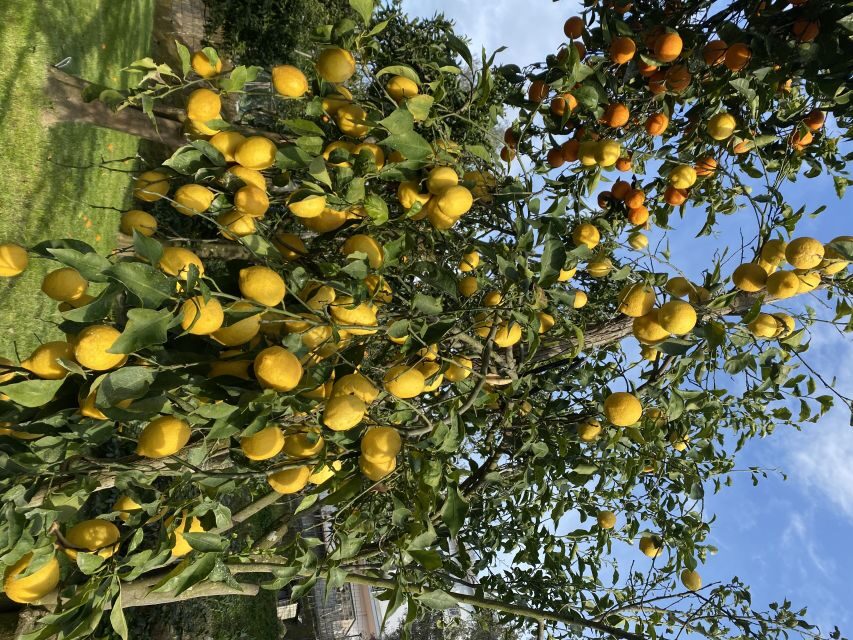
The experience starts at a villa entrance, where you meet the instructor and the hosting family. It’s the kind of start that helps you relax fast: you’re not wandering a huge facility, and you’re not waiting in a crowd.
This is a small group activity limited to 6 participants, and that matters. With fewer people, you can actually ask questions during the pasta lesson, and you’re more likely to get practical tips that fit your pace. The instructor works in Italian and English, which is ideal if your Italian is limited and you still want to understand what you’re doing.
Also note the timing: it runs about 3 hours, and starting times vary based on availability. Plan around that block so you can arrive hungry and not rushed.
You can also read our reviews of more food & drink experiences in Piano Di Sorrento
Welcome drink and bruschetta on arrival
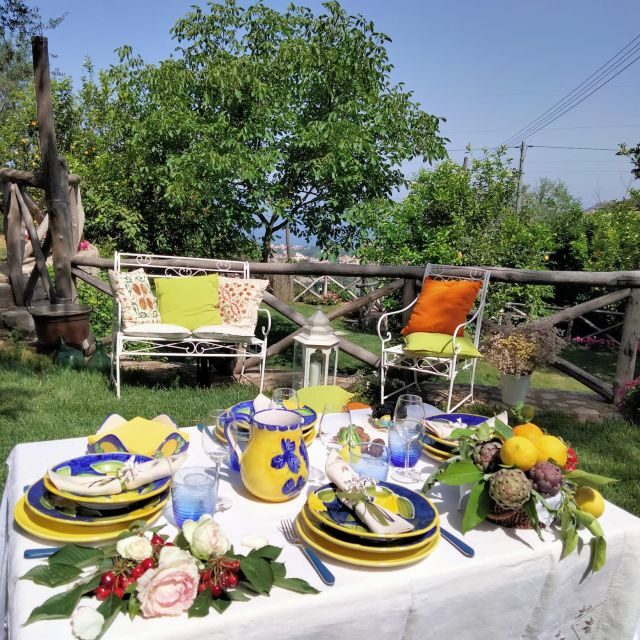
Before any chopping or rolling dough, you get a welcome drink and appetizers. You’re greeted with something to sip, plus bruschetta topped with olive oil right away.
In practice, this first bite does two useful jobs. First, it bridges the gap between travel mode and cooking mode. Second, it tells you the focus of the day: simple ingredients treated with care.
Depending on the host, you might also see extra snack-style items like biscuits with coffee or iced tea, plus other small treats offered during the garden walk. Either way, the arrival portion keeps things friendly and unpressured, even if you’re early.
Tour the farm: where your ingredients come from
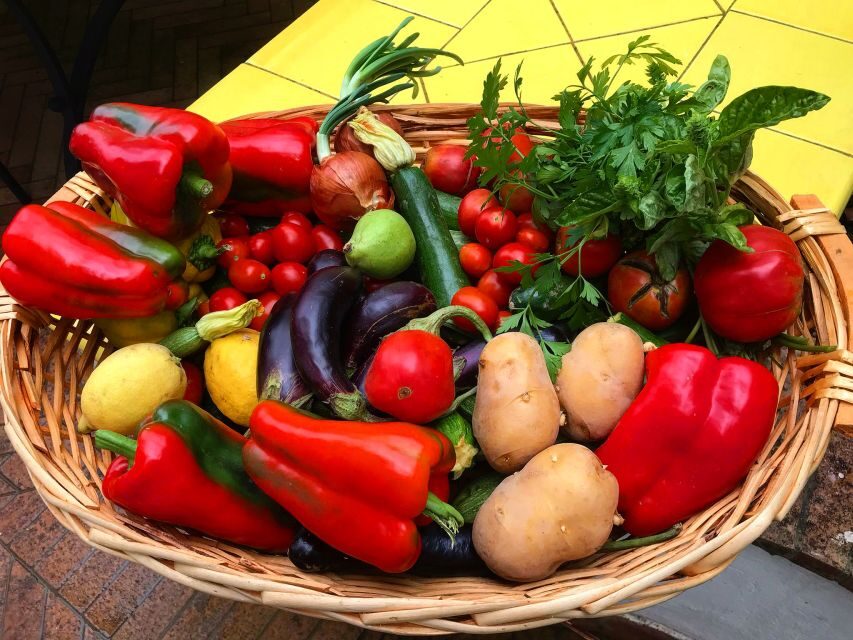
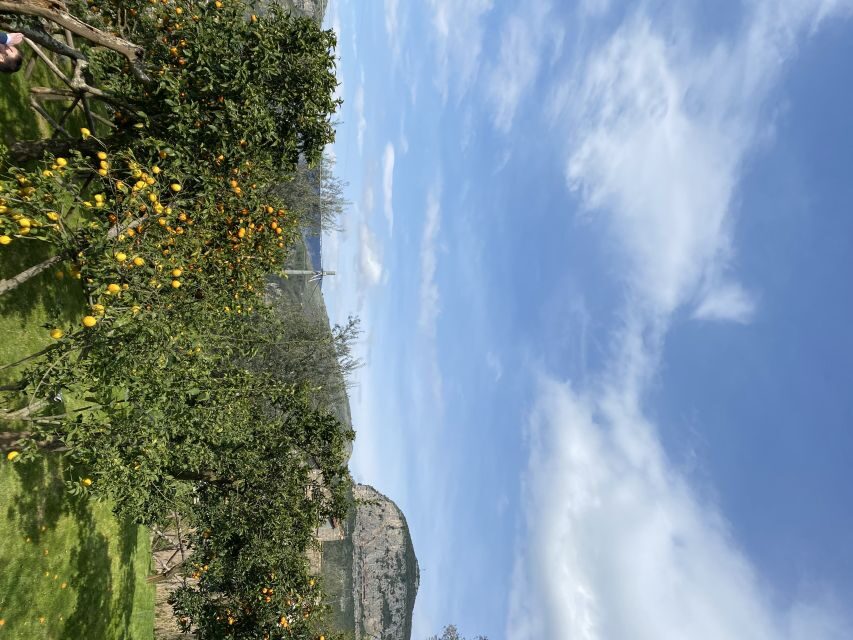
After the welcome, you tour the grounds, including the citrus and produce areas. This is not a “look but don’t touch” visit. You pick ingredients for your cooking class, so you’ll remember where each flavor came from.
Common ingredients you may pick include Sorrento tomatoes, eggplants, zucchini, and apricots. Availability can vary with the season and what’s ready to harvest, but the idea stays the same: you’re choosing what will end up in your food.
You’ll also get a feel for the property itself. Several people highlight terraced gardens and a scenic, hillside setting, which makes the walk feel like part of the experience instead of just an intro. If you like food photography, you’ll have plenty of chances, but the better payoff is noticing the colors and textures of what you’re cooking with.
One practical consideration: it’s a farm property, so expect some uneven ground during the tour. If you have mobility limits, you may still be fine because the activity is wheelchair accessible, but it’s smart to come prepared for a bit of outdoor walking.
Picking citrus and produce actually changes the meal
Here’s the thing I like most about this part: when you pick the vegetables yourself, you cook them differently. You pay attention to ripeness. You handle the ingredients more gently. You taste as you go, because you’re working with something you selected, not something that came pre-portion-packed.
When the vegetables are fresh, you can taste the difference fast. Tomatoes aren’t just a base; they’re the sauce mood. Eggplant and zucchini bring texture, and apricots (when available) hint at that Campanian sweet-sour flavor that shows up in a lot of regional cooking.
That choice-and-cook rhythm is exactly why people leave this class feeling like they got more than a recipe sheet.
Handmade pasta lesson: what you learn
The cooking starts in the kitchen area after you’ve gathered ingredients. The chef/instructor teaches you how to prepare traditional handmade pasta and a sauce using the seasonal vegetables you picked.
In plain terms, you’ll learn the steps behind the pasta shape and the sauce approach. The sauce is built from what’s in season, so you’re not stuck making one generic “tomato sauce” for the sake of tradition. It’s more flexible than that, and that’s useful if you want to recreate it later.
You may also make bruschetta types as part of the class, since some versions of the day include teaching for bruschetta you assemble together. One person even noted learning two bruschetta types. Since this experience can vary by what’s being taught at the time, treat it as a “you will make pasta, and you may also build bruschetta and sides” kind of day.
For beginners, the instruction tends to land well. Multiple accounts mention clear guidance, with hosts encouraging people who weren’t confident in the kitchen. Even if your cooking skills are basic, you should be able to follow along because the teaching is step-by-step and hands-on.

The meal: lunch under citrus trees with wine and limoncello
When your cooking wraps up, you move into the “eat what you made” phase. You’ll relax under the citrus trees and enjoy the fruits of your labor.
This is where the day turns from class to celebration. You sit down with wine, and you’ll also enjoy homemade limoncello. That combo is very Campania in spirit: bright citrus flavors with a grown-up, relaxed end.
And the portion side is real. People consistently describe leaving full, with plenty of food beyond the main dishes they cooked. Hosts sometimes prepare extra sides or additional dishes so you’re not just eating a single plate of pasta. If you’re the type who worries about food being “fine but small,” this is the kind of class that calms that worry quickly.
One more detail I like: the setting. Eating outdoors under citrus trees keeps it from feeling like a staged restaurant meal. It’s quieter, more natural, and you can actually talk while you eat instead of hurrying through course pacing.
Wine, pacing, and how the 3 hours feel in real life
The total duration is about 3 hours, and that pacing is tight enough to feel energetic but not rushed enough to feel stressful. The timeline usually flows like this: welcome drink and appetizers, farm tour and ingredient picking, cooking lesson (pasta and sauce, and possibly bruschetta/sides), then the meal with wine and limoncello.
Because it’s a small group, the instructor can keep everyone moving without ignoring the people who need a little extra time. That’s a big deal when you’re learning pasta by hand; timing matters, and the group size matters even more.
Also, starting times vary. If you’re planning other things around it, build in a buffer so you’re not sprinting from the class to your next stop. You want enough time after the meal to decompress, not just transfer straight into sightseeing mode.
Price of $135.94: what you’re paying for (and why it can be worth it)
At $135.94 per person, this isn’t a cheap “tour plus snack” style outing. But it isn’t just a cooking demo either.
Here’s what’s included:
- welcome drink and appetizers
- the cooking class with an instructor
- the meal you prepare
- wine
- and you’ll likely finish with homemade limoncello
That bundle adds up. You’re paying for time with the instructor, the farm-to-table component (picking produce), and the full experience of eating with wine in a family setting, not just taking a recipe home.
Is it expensive? It is by Italian standards for a group activity, yes. But compared with tours that charge a similar amount for a bus ride and a short tasting, you’re getting real skill practice and a sit-down meal that feels like it belongs to the property, not a commercial schedule.
If you’re trying to get good value on the Amalfi Coast/Sorrento area, this is one of the ways to spend money that actually changes what you can do at home.
Who should book this cooking class in Piano di Sorrento?
This is a great fit if you want:
- a hands-on cooking experience (not just watching)
- fresh ingredients sourced from the property
- a meal that feels like family hosting
- a small-group setting with enough attention to learn
It’s also a good choice if you don’t want to wrestle with complicated logistics. The activity meets at the villa entrance and ends back at the meeting point, which makes it easier to plug into your day.
It might be less ideal if you’re looking for strict Michelin-style formality. This feels human and warm, and the pace is teaching-forward. Think “kitchen day with a kind host,” not “professional workshop with no small talk.”
Practical tips that will help you enjoy the day
A few things can make the experience smoother:
- Wear comfortable shoes for a garden and farm walk.
- Come with a decent appetite. You’ll be fed well, and the meal is part of the value.
- If you’re nervous about cooking, you’re not alone. The instruction is designed to help people participate.
- Expect Italian hospitality energy. In multiple accounts, hosts offered extra snacks or extra dishes, and the warmth can feel personal.
One story detail worth noting: at least one host even helped someone who got turned around by picking them up and returning them to town. That’s not something you should plan on, but it does reflect the care style you can expect.
Should you book this cooking class?
Yes, if your idea of a good time in Campania includes fresh ingredients, hands-on cooking, and a real sit-down meal with wine. The small group limit, the farm tour where you pick what you cook, and the handmade pasta lesson are the core strengths that make this feel more like an experience than a transaction.
Skip it only if you want a quick tasting with minimal time in a kitchen, or if the idea of a farm walk (even a short one) sounds like too much for your comfort level. Otherwise, this is the kind of day that gives you a memory you can use again: you’ll take away techniques, not just photos.
FAQ
Where do we meet for the cooking class?
You meet your instructor at the villa entrance. The activity ends back at the meeting point.
How long does the cooking class last?
The experience is listed as 3 hours. Starting times vary based on availability.
Is this a small group activity?
Yes. It’s limited to 6 participants, so the class stays small.
What languages are used during the class?
The instructor speaks Italian and English.
What’s included in the price?
The package includes a welcome drink, appetizers, the cooking class, the instructor, your meal, and wine.
Is the experience wheelchair accessible?
Yes, it’s wheelchair accessible.
Can I cancel if my plans change?
Free cancellation is available up to 24 hours in advance for a full refund.