Paestum packs a lot of wow. This small-group tour (max 20) brings an archaeologist to the Parco Archeologico di Paestum e Velia and pairs temple ruins with a focused museum stop, all in about two hours. You also get skip-the-line admission, so you spend less time stuck at entrances and more time looking closely at stone that’s been standing since the Greek era.
Two things I like right away: first, the guide format. You’re not just wandering—you’re getting explanations while you’re standing in front of the ruins. Second, the mix of sights works. In one outing you’ll see the major temples outside and then shift indoors to the Museo Archeologico Nazionale di Paestum, where the standout is the frescoes in the Tomb of the Diver. One drawback: it’s still a short walking circuit with steps and ramps, and it’s not the best fit if you have mobility issues.
In This Review
- Key highlights you won’t want to miss
- Paestum’s temples: why this beats a hurried stop
- Two hours that stay on track (and why that matters)
- Where you start: Basilica Paleocristiana dell’Annunziata
- Stop 1: Parco Archeologico di Paestum e Velia with a licensed guide
- Stop 2: Temple of Hera II and the name-game lesson
- Stop 3: Temple of Athena (Temple of Ceres) in the shadow of bigger forms
- Stop 4: Museo Archeologico Nazionale di Paestum and the Tomb of the Diver
- Pace, listening, and how to get the best sound
- Price and value: what $47.79 buys you
- Who should book this Paestum tour (and who might skip it)
- What about the guides? Look for passion and clarity
- Should you book this Paestum Small Group Tour with an Archaeologist?
- FAQ
- How long is the Paestum Small Group Tour with an Archaeologist?
- Is the tour offered in English?
- What’s included in the ticket price?
- Do I need to arrange my own transportation to Paestum?
- Where is the meeting point?
- What should I bring?
- Is this tour suitable for people with mobility issues?
- Is there free admission for younger visitors?
Key highlights you won’t want to miss
- Skip-the-line Paestum ticket so the tour starts without the usual entrance hassle
- Archaeologist-led walking through the Parco Archeologico di Paestum e Velia with clear, stop-by-stop context
- Temple of Hera II and the story behind its old names
- Temple of Athena plus quick orientation so the site makes more sense fast
- Museo Archeologico Nazionale di Paestum and the Tomb of the Diver frescoes
- Small group size (up to 20) that leaves room for questions
Paestum’s temples: why this beats a hurried stop
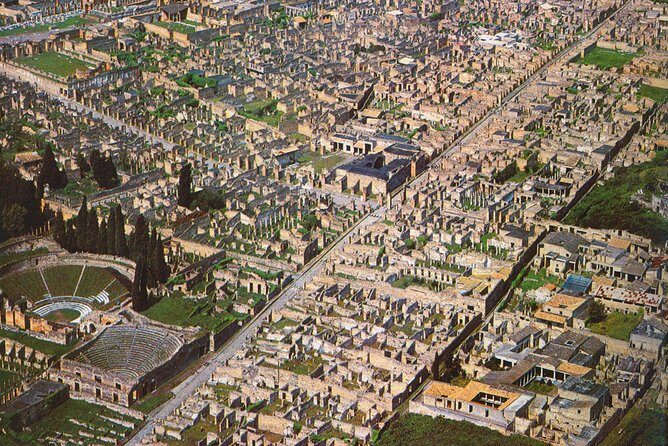
Paestum isn’t one of those places where you just take a few photos and move on. The temples have a weight to them—big shapes, strong lines, and details that make you slow down. And the setting helps. Even without any extra “production,” you can feel why this site gets called one of the best-preserved Greco-Roman urban areas.
The smart move here is going with an archaeologist. Left on your own, you can still enjoy the ruins, but you might miss the “why” behind what you’re seeing. With a guide, you get a cleaner timeline and a clearer sense of what changes from Greek to Roman use.
Also, if you’re coming from the Naples/Pompeii circuit, Paestum feels like a calmer choice. It’s ancient history, but it doesn’t have that nonstop circus energy.
You can also read our reviews of more tours and experiences in Salerno.


Two hours that stay on track (and why that matters)
This tour runs about two hours, which is a gift if your schedule is tight. You get:
- 1 hour on the archaeological park circuit
- 15 minutes at the Temple of Hera II
- 15 minutes at the Temple of Athena
- 30 minutes at the museum
That pacing isn’t random. It’s designed to help you absorb the big picture without turning your day into a marathon. And since entrance tickets are included, you’re not stuck making decisions about what you can afford to see.
Small groups help, too. Up to 20 people means you’re not disappearing into a crowd. You should still expect walking and short climbs, but the format is built for engagement rather than just motion.
Where you start: Basilica Paleocristiana dell’Annunziata
Meet at Basilica Paleocristiana dell’Annunziata, Piazza Della Basilica, 84047 Capaccio Paestum SA. The good news: the meeting point is close enough to public transportation that you should be able to plan your arrival without too much stress.
Practical tip: arrive a bit early and get your bearings before the group forms. It’s a guided walk, so you want to start fresh rather than hunting for everyone at the last second.
Stop 1: Parco Archeologico di Paestum e Velia with a licensed guide
Your main walking time is at Parco Archeologico di Paestum e Velia. This is the heart of the experience: the best-preserved Greco-Roman city area, taught as a story as you move from point to point.
Here’s what this stop does well for you:
- It gives you orientation in a place with multiple structures and zones.
- It helps you connect what you see outside to what you’ll see later in the museum.
- It’s structured for learning in the moment, not learning afterward from a pamphlet.
One hour can feel short when you love ruins. But it’s long enough to notice how the site reads as both Greek and Roman space. And once the guide sets the context, the temples don’t look like random rocks anymore—they start looking like a whole urban plan that evolved.
Stop 2: Temple of Hera II and the name-game lesson
At Tempio di Hera II, the tour slows down just enough for a key lesson: misidentification happened. This temple is earlier and is often linked to the old mistaken labels like the Temple of Poseidon or Temple of Neptunus. It’s also referred to as more northern and more recent of the two Hera temples in Paestum.
Why this matters: archaeology isn’t only about ancient builders. It’s also about modern interpretation—what we think we know, and how that can change when new evidence comes in.
In 15 minutes, you won’t become an expert on every debate. But you will understand why names you might have heard from older sources can be confusing. That alone helps you read the site more accurately as you look.

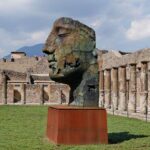

Stop 3: Temple of Athena (Temple of Ceres) in the shadow of bigger forms
Next is Temple of Athena, also known as the Temple of Ceres, around c. 500 BC. This temple sits near the so-called Basilica—bigger, and hard to miss once you’re aware of it.
This stop works best if you’re willing to use your eyes. The point isn’t just to “see a temple.” It’s to understand placement and scale. When you notice how this temple relates to the larger structure beside it, the whole area clicks into a more believable layout—Greek religious architecture shaped into a space that later Romans could understand and reuse.
Stop 4: Museo Archeologico Nazionale di Paestum and the Tomb of the Diver
The museum stop is 30 minutes, and it’s the place where you’ll get the most “inside the culture” payoff. The Museo Archeologico Nazionale di Paestum holds local Greek artworks going back to the 7th century BC. That’s a wide time range for a compact visit.
The highlight is specific: the frescoes found in the Tomb of the Diver. If you’re the kind of person who likes proof—like, show me what people actually made—you’ll enjoy how the museum gives you objects to match the stones you’ve been staring at outside.
How to get value from only 30 minutes:
- Look first for the Tomb of the Diver frescoes.
- Then connect what you see in art to what the guide explained outside (Greek religious life, then shifts as Romans took over).
Even if you’re not an art-historian, frescoes tend to do a good job of making a place feel human. It’s a different kind of connection than reading carved stone.
Pace, listening, and how to get the best sound
This is a small group, but not a private tour. A few practical notes so you don’t lose details:
- Wear comfortable shoes. You’ll walk the site.
- In summer, bring sunglasses and sunscreen and plan for heat.
- Bring a small bottle of water. There’s no food stop included.
- Stand nearer the front if you want the clearest audio.
I also suggest a “question mindset.” Several guides on this kind of tour are praised for being able to answer questions and build explanations around what the group cares about. If you ask one good question early, you’ll often get the kind of follow-up that makes the rest of the visit easier to understand.
Price and value: what $47.79 buys you
At $47.79 per person, this tour costs less than what many people expect for a timed, guided archaeological visit. The key value isn’t just the guide—it’s that you get:
- a guided tour with an archaeologist
- a skip-the-line Paestum ticket
- admission tickets built into the major stops
So you’re paying for structure. You’re not spending your time deciding which entrance line is shorter. And you’re not trying to translate ruins alone with a phone screen and wishful thinking.
The time matters too. In about two hours, you cover the park, two temple stops, and the museum highlight. If you’re doing a tight itinerary around Salerno and the surrounding area, this is the kind of tour that helps you see the “main parts” without ballooning your day.
Who should book this Paestum tour (and who might skip it)
Book it if:
- You want a guided story rather than self-guided wandering
- You care about how archaeology explains the past, not just that old buildings exist
- You want both temples outside and a museum payoff in one trip
- You’ll ask questions and enjoy explanations in real time
Consider skipping or switching to a different format if:
- You have mobility limitations. This tour isn’t recommended due to steps and ramps and a bit of climbing.
- You prefer long, free exploration with no structure. This tour ends back at the meeting point after the guided portion, so you might feel time is “just enough” rather than endless.
If you’re traveling in high season, I’d book ahead. This one averages being reserved about 39 days in advance, so it’s not the kind of plan you want to hold too close to your travel dates.
What about the guides? Look for passion and clarity
The names Mario and Maria show up in past experiences, and the common thread is engagement. Guides are praised for clear explanations, staying tuned to the group, and being able to answer lots of questions without making people feel rushed.
You’ll also likely get a more connected narrative than you’d guess from the short timeline. A good guide ties together how Paestum read as Greek and then how it shifted under Roman influence. That “cohesive story” is one of the reasons people rate this tour so highly.
Should you book this Paestum Small Group Tour with an Archaeologist?
If Paestum is on your list—and it should be—this is a strong choice for a first visit. The combination of skip-the-line entry, a licensed archaeologist guide, and an efficient pairing of temples plus the museum’s Tomb of the Diver makes the two hours feel productive.
I’d especially recommend it if you want your visit to feel guided and understandable without turning into a full-day commitment. Just be honest about mobility needs, and go in expecting a short guided route—not an open-ended roam.
FAQ
How long is the Paestum Small Group Tour with an Archaeologist?
The tour is about 2 hours.
Is the tour offered in English?
Yes, the tour is offered in English.
What’s included in the ticket price?
The tour includes a guided visit with an archaeologist and a skip-the-line Paestum ticket. Admission tickets are included for the listed stops.
Do I need to arrange my own transportation to Paestum?
Transportation is not included, so you’ll need to make your own way to the meeting point.
Where is the meeting point?
The meeting point is Basilica Paleocristiana dell’Annunziata, Piazza Della Basilica, 84047 Capaccio Paestum SA, Italy. The tour ends back at the meeting point.
What should I bring?
Wear comfortable shoes. In summer, bring sunglasses and sunscreen, and take a small bottle of water.
Is this tour suitable for people with mobility issues?
It’s not recommended for travelers with mobility issues or impairments due to steps and ramps and some steep climbing. If you need a different setup, you should contact the provider and ask about a suitable private tour.
Is there free admission for younger visitors?
Travelers under 18 are advised to bring a passport or ID to qualify for free admission.