REVIEW · NAPLES
Naples: Walking Tour of the Historical Center
Book on GetYourGuide →Operated by Insolitaguida · Bookable on GetYourGuide
Naples wakes up on foot.
This 2-hour walk through the historical center turns Spaccanapoli into a food-and-stories route, starting with a classic Neapolitan coffee and a warm sfogliatella before you head into the city’s older lanes. You’ll hit major landmarks like San Gregorio Armeno and the Pietrasanta bell tower, but the real draw is how a local guide connects the spots with real-life craft, street-level legends, and quick cultural context.
I love the start: that coffee and pastry setup makes the whole morning feel grounded and fun, not museum-y. I also love the way the route points you to places that don’t usually get attention unless someone on the ground knows where to look. One possible drawback: with just 2 hours, you’ll see a lot, but you won’t have long linger time at every stop—come ready for a steady pace.
If you like Naples for its details—church corners, old streets, and the people who keep traditions alive—this tour fits. And if you hate walking in tight city areas, this may feel like too much in too little time.
In This Review
- Key things you’ll notice on this tour
- Price and schedule: Is it worth $226.57?
- Where you meet: Obelisco di San Domenico (San Domenico Square area)
- First stop energy: coffee and sfogliatella before you even tour
- Spaccanapoli: walking Naples’s famous decumanus
- San Gregorio Armeno: the craft street with a real working shop
- Church time: San Gregorio Armeno, also known as Santa Patrizia
- San Lorenzo Maggiore: legends of coronation, consecration, and forbidden love
- Via dei Tribunali to Santa Maria delle Anime del Purgatorio ad Arco
- Ending at Pietrasanta bell tower: the oldest bell tower in Naples
- Who this tour is for (and who should skip it)
- How to get the most out of the 2 hours
- Should you book? My take
- FAQ
- What is the duration of the Naples historical center walking tour?
- How much does the tour cost?
- What days does this tour run?
- What time does the tour depart?
- Where do we meet for the tour?
- What food and drink are included?
- What sights are included in the route?
- Is the tour wheelchair accessible and private group?
- What languages are available for the guide?
Key things you’ll notice on this tour
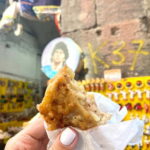
- Coffee first, then pastry: a Neapolitan start built around the famous three Cs and warm sfogliatella (riccia or frolla)
- Spaccanapoli as your backbone: you’ll walk one of Naples’s best-known decumani through the heart of the old center
- San Gregorio Armeno craft focus: a stop inside a shop lets you see a living tradition through the eyes of a working artisan
- Santa Patrizia (San Gregorio Armeno) inside: Neapolitan Baroque church details you can’t spot from the street
- Via dei Tribunali to the purgatory cult: stories around Santa Maria delle Anime del Purgatorio ad Arco and pezzentelle souls
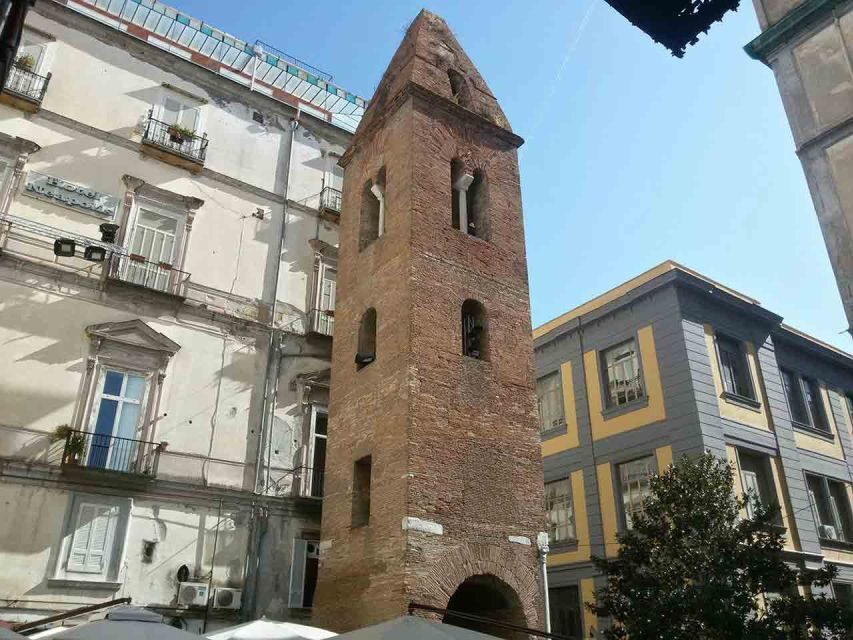
- Finish at Pietrasanta bell tower: the oldest bell tower in the city makes a strong end point
Price and schedule: Is it worth $226.57?
This tour costs $226.57 per person and runs for 2 hours. That price makes sense if you value a local guide who can translate what you’re seeing into something you actually remember—especially here, where the day’s focus isn’t just sights, it’s coffee culture, pastry, and the living side of Naples.
You also don’t have to guess when it runs. This walk is offered every Monday, Wednesday, and Friday, departing at 10:00. If you’re planning a first-time visit to Naples and want a compact way to get oriented in the historical center, the timing is ideal: late morning, not too early, and enough daylight for church interiors and photo stops.
Languages include Italian, Spanish, and English, and the guide is live (not audio-only). It’s also wheelchair accessible, and it’s run as a private group, so you’re not stuck in the kind of crowd-control rhythm that can make city walking feel rushed.
You can also read our reviews of more walking tours in Naples


Where you meet: Obelisco di San Domenico (San Domenico Square area)
You start next to the spire of San Domenico at San Domenico Square (listed meeting area in Largo Corpo, Naples). This matters more than it sounds. Meeting right where landmarks cluster means you can get your bearings fast and don’t lose the first part of the tour searching for the group.
From there, you walk into the historical center with a guide doing the heavy lifting: pointing out what’s worth noticing, setting context before you enter churches, and keeping the pace realistic for a 2-hour format.
First stop energy: coffee and sfogliatella before you even tour
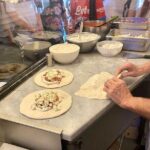
The morning’s tone is set right away with something simple: coffee, followed by a warm sfogliatella (riccia or frolla). The tour description even frames it with the famous “three Cs” reaction, which tells you what they’re aiming for—flavor that hits immediately, not a polite sip you forget five minutes later.
Why I like this approach for a Naples walk: it gets you thinking like a local. Naples isn’t only about stone buildings. It’s about daily rituals—how people eat, where they pause, and what they treat as normal pleasure. This kind of food-and-coffee opener helps the rest of the route click into place.
Practical note: because you’ll have both coffee and pastry early, plan your next meal with that in mind. This tour is better if you’re not trying to squeeze in a heavy breakfast right before the 10:00 start.
Spaccanapoli: walking Naples’s famous decumanus
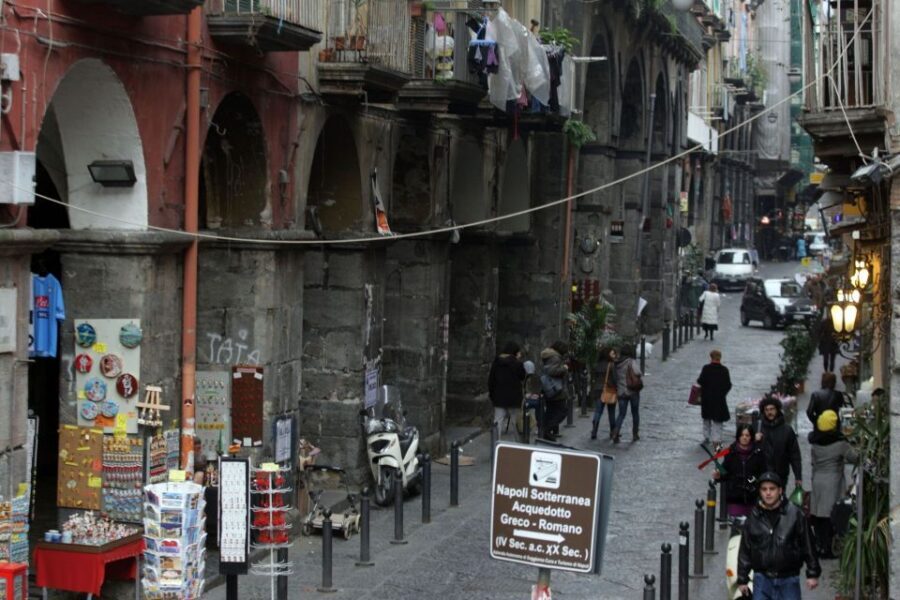
Once the tour starts moving, the backbone is Spaccanapoli, one of Naples’s most famous decumani. Think of it as a spine of old Naples—long enough to feel like a real walk, but structured enough that the guide can “read” the street to you as you go.
This is where the experience earns its “unusual Naples” promise in a good way. You’re not just seeing a straight line of buildings. The guide’s job is to make Spaccanapoli feel like a living timeline: what this corridor meant historically, what it represents now, and why certain buildings matter.
If you only do one self-guided stroll through the old center, you’ll miss the point. With a guide, that same corridor becomes a route where small details feel meaningful.
San Gregorio Armeno: the craft street with a real working shop

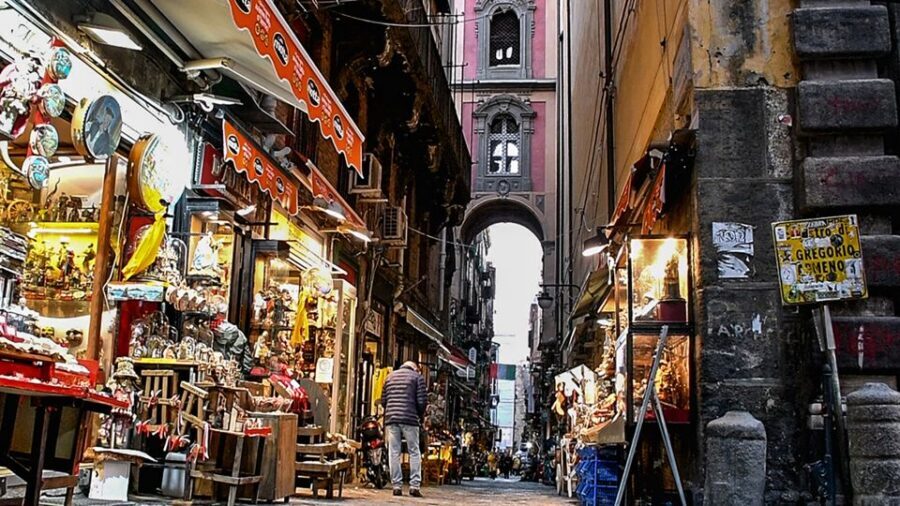
You’ll head up San Gregorio Armeno, a street famous for craftsmanship. The tour does something smarter than quick photo stops: you step into a shop so you can understand the craft from inside the process.
That’s one of the most praised parts of the experience: the guide focuses on unexpected corners and shares stories that feel specific and grounded, not generic talking points. In practical terms, you leave knowing what to look for the next time you pass the same area on your own.
What you get from a shop stop is different from a museum display. You see how tradition continues—how someone’s hands, tools, and shop routine connect to what you see in the street outside. Even if you’re not a big “craft person,” this stop works because it makes the neighborhood feel human.
You can also read our reviews of more historical tours in Naples

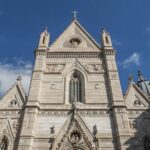
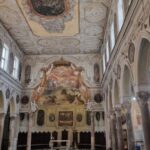
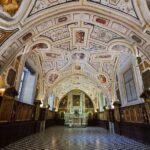
Church time: San Gregorio Armeno, also known as Santa Patrizia
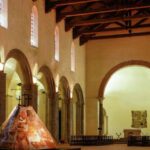
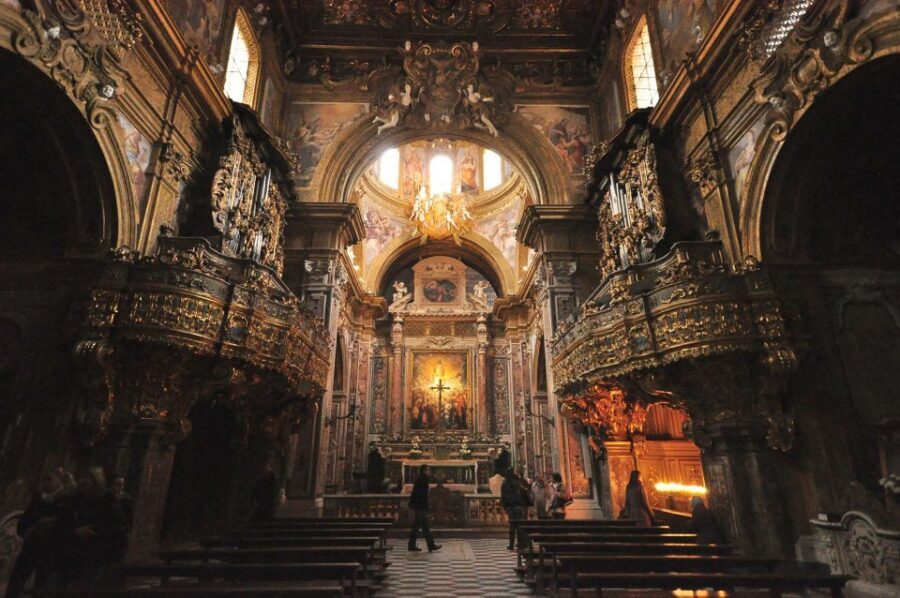
Next you visit the Church of San Gregorio Armeno, locally known as Santa Patrizia. This is presented as an excellent example of Neapolitan Baroque, and that label matters. Baroque architecture isn’t just decoration; it’s a visual language—shapes, drama, and religious symbolism designed to pull your attention inward.
A guided stop here is especially valuable because churches like this can look similar from the outside. Inside, a good guide helps you notice what you’d otherwise breeze past: the style cues, the way space guides your eye, and why this church has its own identity within Naples religious life.
San Lorenzo Maggiore: legends of coronation, consecration, and forbidden love
From there you go to San Lorenzo Maggiore, described as a church connected to stories that include a coronation, a consecration, a secret burial, and even a forbidden love. You should treat these as local lore—stories attached to sacred space—rather than something you can confirm like a timeline in a textbook.
But that’s exactly why a guided tour works. When you hear the stories before you look, you start seeing the building through the lens locals have carried for generations. It becomes less about facts you might forget and more about meaning you can carry with you as you walk.
Via dei Tribunali to Santa Maria delle Anime del Purgatorio ad Arco
The route then moves along via dei Tribunali toward Santa Maria delle Anime del Purgatorio ad Arco. This is where the tour leans into the stranger side of Naples—cults, legends, and the emotional geography of religion.
At this church, you’ll discover the cult of pezzentelle souls. That name alone is a clue: the tour isn’t only showing you grand monuments; it’s pointing you to the beliefs and practices that shaped daily attitudes. When you understand the “why” behind a place, the visit feels less like sightseeing and more like learning how a city thinks.
Ending at Pietrasanta bell tower: the oldest bell tower in Naples
You finish in front of the Pietrasanta bell tower, described as the oldest in the city. Ending here is a smart choice because a bell tower gives you a vertical reference point. After walking the horizontal maze of the old center, the tower helps you reset your sense of place.
If you want a practical takeaway: at the end of the tour, you’ll likely feel more comfortable navigating the area on your own. A landmark finish does that. It gives you a “home base” feeling, even if you still wander off in different directions.
Who this tour is for (and who should skip it)
This walking tour is a great fit if:
- you want a fast, guided way to get oriented in Naples’s historical center
- you enjoy food as part of culture, not as a side quest
- you like religious art, but also want the surrounding stories explained
- you want your guide to point out small details and share real-feeling anecdotes
It may not be your best match if:
- you prefer long, slow time inside buildings and don’t like a schedule
- you’re looking for a full-day deep dive at only one or two sites (this is compact by design)
Because it’s a private group and wheelchair accessible, it can work for more travelers than a typical tight-group walking tour. Still, keep in mind it is a walk, so plan for time on your feet.
How to get the most out of the 2 hours
Here’s how to make this tour feel worth the money:
- Show up hungry enough for the coffee and warm pastry to feel special, not like an obligation.
- Wear comfortable shoes. Even with good pacing, Naples streets around this area are not designed for slow cruising.
- When the guide points out a detail, don’t just take a photo. Ask what it means or why it’s there. This tour is built for those questions.
- Take a moment at the finish near Pietrasanta bell tower. Use it as your map anchor before you head off to explore further.
Should you book? My take
Book it if you want a high-impact introduction to Naples that mixes Spaccanapoli, church interiors, and the city’s food rituals in one tight route. The cost isn’t low, but the value is in the guide-driven experience: a living craft stop, a strong church narrative, and a fun coffee-and-pastry start that helps you enjoy the day right away.
Skip or consider another option if you hate walking for a set 2-hour block or you need lots of downtime between stops. This tour is built to move, taste, and learn fast.
FAQ
What is the duration of the Naples historical center walking tour?
The tour lasts 2 hours.
How much does the tour cost?
The price is $226.57 per person.
What days does this tour run?
It runs every Monday, Wednesday, and Friday.
What time does the tour depart?
The departure time is 10:00.
Where do we meet for the tour?
Meet next to the spire of San Domenico, at San Domenico Square (in Largo Corpo, Naples).
What food and drink are included?
You get a Neapolitan pastry (sfogliatella, riccia or frolla) and the tour includes the best coffee.
What sights are included in the route?
The tour includes Spaccanapoli, San Gregorio Armeno (Santa Patrizia), San Lorenzo Maggiore, Santa Maria delle Anime del Purgatorio ad Arco, and it ends in front of the Pietrasanta bell tower.
Is the tour wheelchair accessible and private group?
Yes. It is wheelchair accessible and run as a private group.
What languages are available for the guide?
The live guide is available in Italian, Spanish, and English.