REVIEW · NAPLES
Naples Historic Center: Traditions, Legends & Folklore Tour
Book on GetYourGuide →Operated by Raphael Tours & Events · Bookable on GetYourGuide
Naples has a knack for storytelling. This 2-hour Historic Center walking tour weaves together Duomo legend, street art, and a stop or two that feels straight out of a folk tale. I especially like how it explains Saint Gennaro’s blood liquefaction right where the story matters, and I also love the playful bit about touching the Statue of Pulcinella for good luck.
One possible drawback: you’ll be on foot in a very busy historic area, and it’s not suitable for wheelchair users, so wear shoes you trust and be ready for the usual city footwork.
Key Takeaways (what you’ll love)
- Start at the Duomo and learn the Saint Gennaro miracle that people still talk about.
- Street-art and folklore in the same route, including Jorit’s famous graffiti on Via Duomo.
- A hands-on stop for the strange: the Complesso Museale Santa Maria delle Anime del Purgatorio ad Arco with the skulls and legend.
- Shopping-and-crafts energy on Saint Gregorio Armeno, known for nativity scene artisans.
- Big architectural drama at Port’Alba, plus the mood-shift of the Gothic church of Saint Chiara.
- Small-group feel with a maximum of 20 people and an English-speaking live guide.
In This Review
- Why This Naples Historic Center Tour Feels Different Than a Typical Walk
- Meeting Point at the Duomo: Where the Stories Start
- Via Duomo and Jorit’s Graffiti: Naples’ Modern Voice on Ancient Streets
- Spaccanapoli: The Spine of Old Naples and a Detour to the Dolls Hospital
- Saint Gregorio Armeno: Nativity Art and the Work Behind the Tradition
- Via dei Tribunali and Pizza Territory: Famous Names, Simple Context
- Santa Maria delle Anime del Purgatorio ad Arco: Skull Legend and a Quiet Chill
- Touch Pulcinella: The Small Ritual That Feels Very Neapolitan
- The Oldest Conservatory in Italy: A Stop You Might Hear, Not Just See
- Port’Alba: A 17th-Century Gate with Mystical Legends
- Saint Chiara Church: Gothic Naples and a Meaningful Symbol
- Gesù Nuovo Square: The Story Behind the Front Wall
- Group Size, Comfort, and Timing: How to Plan Your Day
- Price and Value: Is $51.24 Worth It?
- Who This Tour Suits Best (and Who Might Want Something Else)
- Should You Book Naples Historic Center: Traditions, Legends & Folklore?
- FAQ
- Is this tour a walking tour?
- Where does the tour start?
- How long is the tour?
- What language is the tour guide?
- What’s included in the price?
- Are food and drinks included?
- Is the tour suitable for wheelchair users?
- What is the group size?
- Cancellation and pay-later options
Why This Naples Historic Center Tour Feels Different Than a Typical Walk
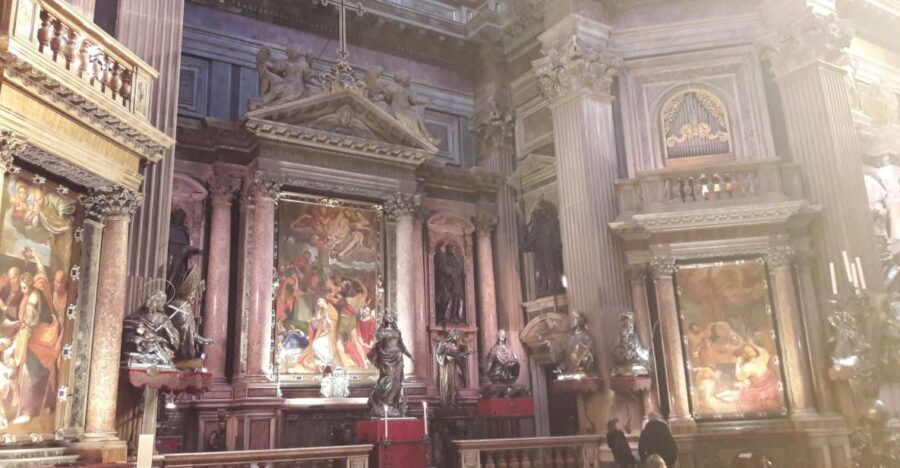
This tour works because it gives Naples context fast. Instead of just pointing at famous buildings, you’re walked through the stories people attach to them: church legends, neighborhood traditions, and the kind of local humor that shows up even at solemn sites.
You also get a nice mix of sights that you might not stitch together on your own. The route links major landmarks like the Duomo and Saint Chiara with offbeat stops such as the Dolls Hospital and the Complesso Museale Santa Maria delle Anime del Purgatorio ad Arco. That blend is a big reason the tour tends to satisfy people who want more than photos.
Finally, it’s practical. It’s only 2 hours, it’s led by a local professional guide in English, and the group stays small (up to 20). That matters in Naples, where the historic center can feel like sensory overload if you’re not grounded in what you’re seeing.
Meeting Point at the Duomo: Where the Stories Start
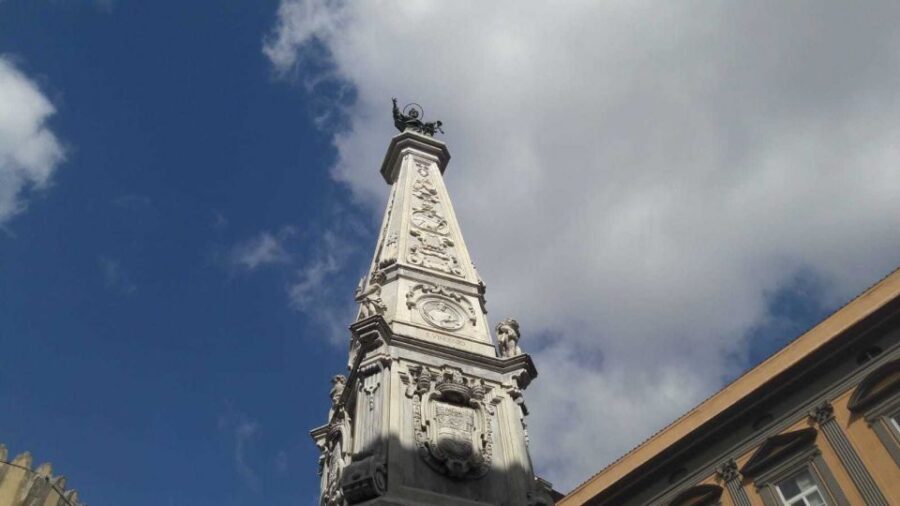
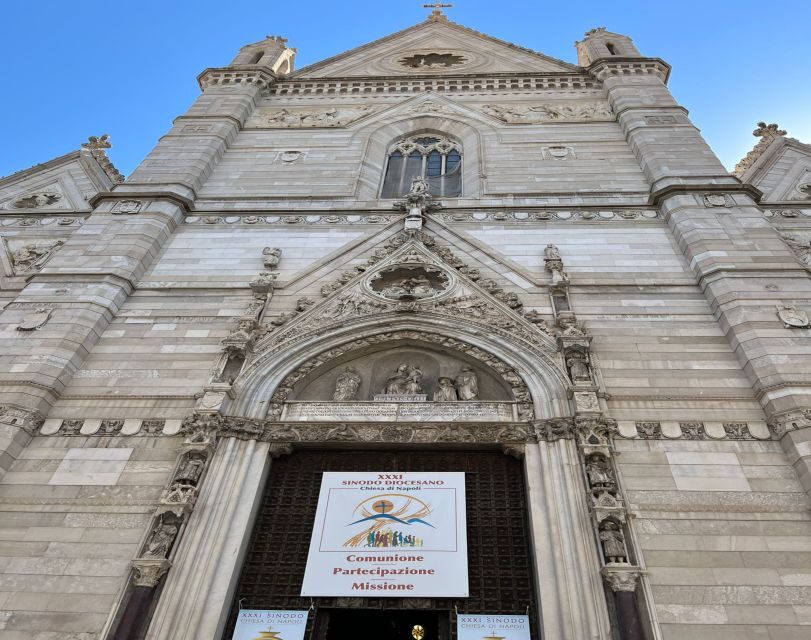
Your tour starts outside the Duomo (Cattedrale di Santa Maria Assunta). This is the right opening move. You’re not starting at a random corner—you’re starting where Naples funnels its main religious energy and where one particular legend has real staying power.
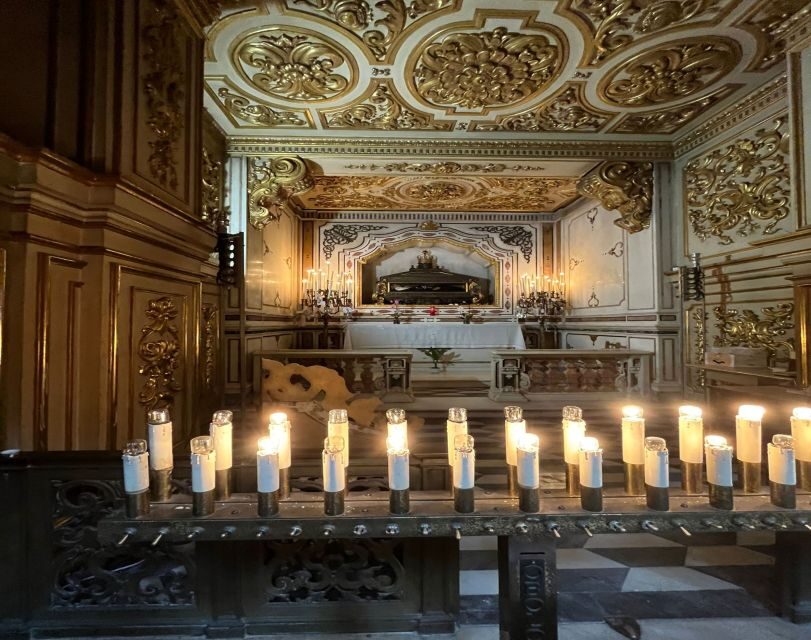
From there, the guide sets the tone with the miracle of Saint Gennaro’s blood liquefaction. Even if you’ve heard the name before, you’ll understand why this story has such cultural weight. The explanation also helps you read the rest of the day. Once you get how Neapolitans connect faith, tradition, and daily life, the other stops click into place.
Practical tip: get there a few minutes early so you can orient yourself around the Duomo area before the walk begins.
You can also read our reviews of more historical tours in Naples



Via Duomo and Jorit’s Graffiti: Naples’ Modern Voice on Ancient Streets
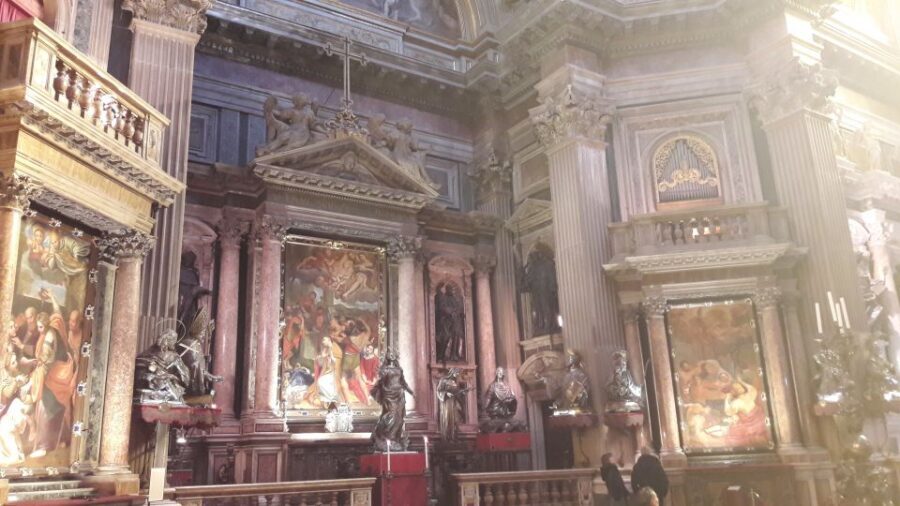
After the Duomo, the tour continues along Via Duomo. This stretch gives you a quick reality check: Naples is not just old stone. It’s also present-day street culture layered onto historic streets.
You’ll pause to see the renowned San Gennaro street graffiti by artist Jorit. This stop is more than sightseeing. The guide’s framing helps you notice the contrast: sacred legend on one side, contemporary street expression on the other. If you like art stories explained in a clear way, this is one of the easiest moments to appreciate during the whole tour.
Spaccanapoli: The Spine of Old Naples and a Detour to the Dolls Hospital
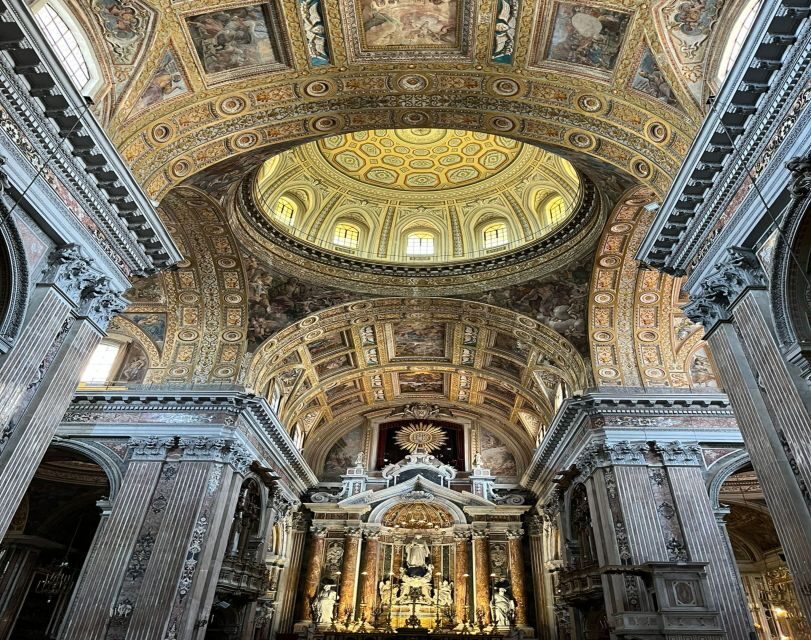
Next up is Spaccanapoli, one of the historical center’s main streets. It’s a “spine” street—long enough to feel like you’re walking through a whole slice of the city at once. The guide uses this section to keep the walk flowing while still pausing for key moments.
Then you hit a stop called the Dolls Hospital. It’s the kind of place that breaks the rhythm in a good way. Instead of staying only in the grave-and-solemn lane, this is a quirky cultural interruption that shows how everyday life and nostalgia live alongside bigger monuments.
Saint Gregorio Armeno: Nativity Art and the Work Behind the Tradition
From Spaccanapoli, the tour moves toward Saint Gregorio Armeno, known for skilled artisans who craft beautiful nativity scenes and more. This is where Naples shows its seasonal creativity year-round, and you start to see the city’s tradition as something made by people, not just something you inherit.
If you’re the type who likes to understand how craft becomes culture, this part is a win. You’re not just walking past shops. You’re learning why the artisans are concentrated here and how the tradition connects to community identity.
Via dei Tribunali and Pizza Territory: Famous Names, Simple Context
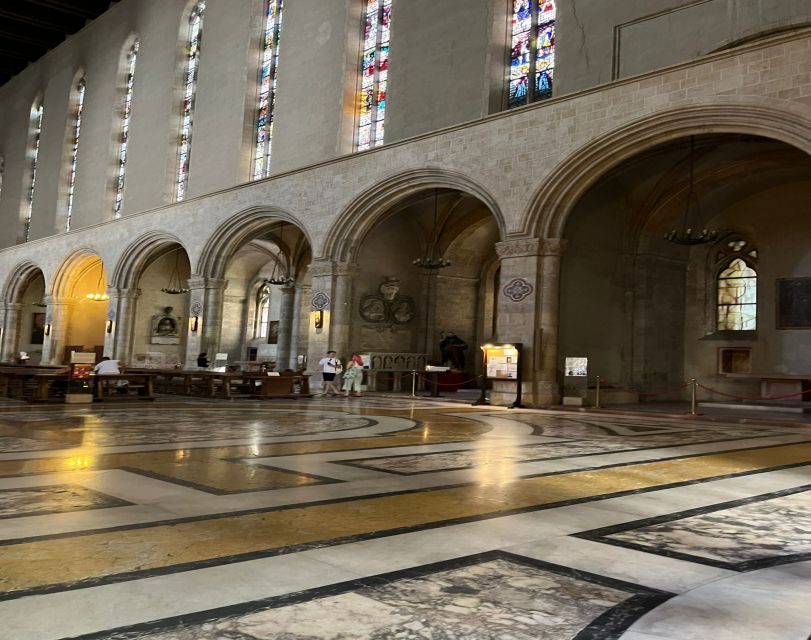
The walk continues to Via dei Tribunali, home to some of the most famous pizzerias in Naples. You won’t need a food tour to get something out of this section. The guide helps you connect the neighborhood’s identity to why people come here in the first place.
Even if you don’t stop for a slice during the tour (food isn’t included), this is useful. It gives you a sense of where the city’s culinary gravity is pulling from, so you can make smart choices later.




Santa Maria delle Anime del Purgatorio ad Arco: Skull Legend and a Quiet Chill
This is one of the most memorable stops on the route: the Complesso Museale Santa Maria delle Anime del Purgatorio ad Arco. The guide introduces it as the home of famous skulls, often described as the souls of purgatory, and you’ll hear the associated folk legend.
This stop works for two reasons. First, the subject matter is unusual. Second, the guide’s explanations keep it from turning into pure shock value. You get the cultural meaning behind the display, so it feels like part of Naples’ story instead of just a strange tourist photo.
What to do with it: slow down mentally. Let the setting and the legend change your tone for a moment. The best way to enjoy this stop is to treat it like folklore that has survived into the present, not like a horror attraction.
Touch Pulcinella: The Small Ritual That Feels Very Neapolitan
Don’t skip this detail: there’s an opportunity to touch the Statue of Pulcinella for good luck. It’s a small act, but it’s exactly the kind of local tradition that makes this tour feel human rather than museum-like.
Pulcinella is part of Naples’ identity, and the guide’s quick explanation helps you understand why the ritual sticks. It’s also a good emotional reset after the heavier skull story.
If you’re the type who likes authentic superstition without turning it into a joke, this is one of the tour’s best “keep the day fun” moments.
The Oldest Conservatory in Italy: A Stop You Might Hear, Not Just See
Later, the route passes by the oldest conservatory in Italy. The information is simple, but the potential payoff is real: if you’re fortunate, you may hear music along the way.
This isn’t a scheduled concert stop with guaranteed performances. It’s more like Naples giving you an extra layer if the timing works out. Either way, it’s a nice reminder that the city’s traditions aren’t only religious or folkloric. They’re also musical.
From a practical perspective, this kind of pass-by stop is useful because it adds atmosphere without eating up time from the core highlights.
Port’Alba: A 17th-Century Gate with Mystical Legends
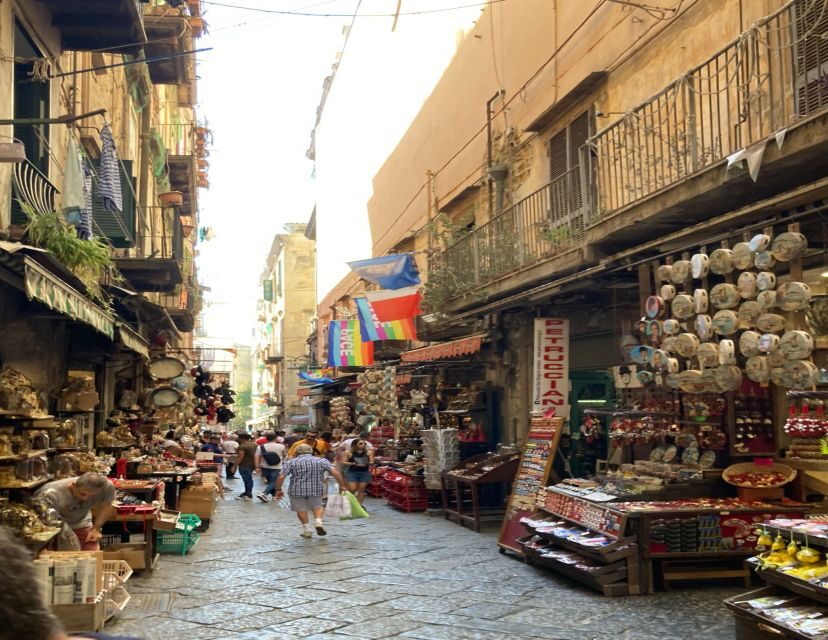
Next you reach Port’Alba, known for being one of Europe’s most beautiful seventeenth-century gates, famous for its size and architecture and tied to mystical legends.
This is where the tour shows off another talent: connecting “architectural landmark” with “story people tell.” You’re not just looking at a structure. You’re given reasons why locals attach meaning to it.
If you like visual drama, this is a strong stop. Big gate energy works well in photographs, but the legend is what makes it worth lingering for instead of simply passing through.
Saint Chiara Church: Gothic Naples and a Meaningful Symbol
The final major landmark is the austere Gothic church of Saint Chiara, presented as a significant symbol of Naples. This is a shift in tone after the gate and the folklore energy.
The guide helps you see why the church matters beyond its appearance. “Symbol” is the key word here. You’re looking at a place that represents a Neapolitan way of expressing faith and identity, not just a beautiful building.
This stop also works well for travelers who want one more concrete anchor before the tour wraps up.
Gesù Nuovo Square: The Story Behind the Front Wall
The tour ends at Gesù Nuovo Square, where you learn about the history beyond the front wall of the Church of Gesù Nuovo. That phrasing matters. The tour isn’t content with only the visible façade; it nudges you to think about what a front wall can hide—changes over time, and the way Naples preserves and repurposes meaning.
Finishing here also makes sense spatially. It’s a natural place to reorient and continue exploring on your own afterward.
Group Size, Comfort, and Timing: How to Plan Your Day
With a maximum group size of 20 people, you’re more likely to get a personal-feeling walk and clearer explanations than you would on huge bus-style tours. The duration is 2 hours, so it’s a good add-on even if you have a packed itinerary.
That said, it’s a walking tour and it isn’t suitable for wheelchair users. Expect you’ll be on your feet for most of the experience. If you’re planning this on the same day as other attractions, keep the rest of your schedule lightly paced so your feet don’t revolt before the end.
Also note: it’s English only, with a live guide. If you prefer fast, conversational explanations, this format tends to work well.
Price and Value: Is $51.24 Worth It?
At $51.24 per person for a 2-hour walking tour, you’re paying primarily for expertise and time. The included component is a local professional guide, and food and drinks aren’t included.
So the question is simple: do you want help turning Naples into a story you understand, or do you prefer wandering independently with your own reading? If you want the guide’s explanations—especially for Saint Gennaro’s blood liquefaction, the skull-and-legend stop, and the way Naples connects superstition, art, and architecture—this price can feel fair for what you get.
If you’re the type who enjoys museums and sites without needing context, you might spend less by doing a self-guided historic center route. But you’ll miss the connective tissue that makes this day memorable.
Who This Tour Suits Best (and Who Might Want Something Else)
This tour fits you if you want:
- A focused 2-hour introduction to the Historic Center
- A mix of major landmarks (Duomo, Saint Chiara) and unusual folklore stops (skulls of purgatory, Pulcinella)
- An English-speaking guide who keeps the route moving while explaining what matters
It may be less ideal if you:
- Need wheelchair access (the tour is not suitable for wheelchair users)
- Dislike crowded historic areas and prefer quiet, spread-out sights
- Want a deep, slow art-history seminar with long museum-style time (this is a walking route, so explanations are structured for walking pace)
Should You Book Naples Historic Center: Traditions, Legends & Folklore?
I’d book it if you want a fast, story-driven way to get oriented in Naples. The itinerary is built around meaning, not just motion: Saint Gennaro’s legend at the Duomo, the Jorit graffiti pause, the unsettling-but-explanatory skull museum stop, and the symbolic finish at Gesù Nuovo Square.
One thing to pay attention to before you go: the quality of your experience will hinge on the guide and their ability to explain art, symbols, and folklore clearly. The strongest feedback I saw centered on guides who were funny, helpful, and easy to follow—so if you see a guide name listed as Ludovica, that’s a reassuring sign of the kind of guiding style people respond to.
FAQ
Is this tour a walking tour?
Yes. It is a walking tour through Naples’ historic center.
Where does the tour start?
The meeting point is outside the Duomo/Cattedrale di Santa Maria Assunta.
How long is the tour?
It lasts about 2 hours.
What language is the tour guide?
The tour is guided in English.
What’s included in the price?
A local and professional guide is included.
Are food and drinks included?
No. Food and drinks are not included.
Is the tour suitable for wheelchair users?
No, it is not suitable for wheelchair users.
What is the group size?
The tour has a maximum of 20 people.
Cancellation and pay-later options
You can cancel up to 24 hours in advance for a full refund, and you can reserve now and pay later.