REVIEW · NAPLES
Naples Attractions Walking and Sightseeing Tour
Book on Viator →Operated by Food Tours of Naples · Bookable on Viator
Naples can feel chaotic at first. This tour helps you get your bearings fast, with a local guide steering you through the layers of the city’s story. You’ll walk the heart of southern Italy’s biggest metropolis without wasting your limited vacation hours on logistics.
I like that the pace is efficient and the stops are carefully chosen. You get major squares and street-level history in about 2 hours, plus a small-group size that makes it easier to ask questions. Two things I really appreciate: the walk connects you directly to Naples’ identity, and the route hits both famous landmarks and everyday streets like Spaccanapoli and Via San Gregorio Armeno.
One drawback to keep in mind: because it’s a walking tour, you should have a moderate fitness level and be comfortable covering city streets for the full time. Also, one past guest noted an issue with guide focus, so you’ll want a guide who keeps the energy on the street, not on the phone.
In This Review
- Key Things You’ll Notice on This Naples Walking Tour
- Starting at Piazza Municipio: Where the Walk Gets Its Meaning
- Piazza del Plebiscito and the Southern Kingdom Vibe
- A practical note
- Galleria Umberto I and Via Toledo: More Than Just a Pretty Walk
- Spaccanapoli: The Street That Cuts Through the City’s Layers
- The black diamond story
- Why the small group matters here
- Piazza del Gesù Nuovo: Santa Chiara and the New Jesus Church
- Via San Gregorio Armeno: The Nativities Street
- Piazza Dante: Ending at a Doorway to the Greek Urban Core
- Price and Value: What $84.58 Buys You in Real Terms
- Who This Tour Suits Best (and Who Might Skip It)
- Quick Tips to Get the Most Out of Every Stop
- Should You Book This Naples Walking Tour?
- FAQ
- Where does the tour start?
- Where does the tour end?
- How long is the walking tour?
- How big is the group?
- What’s included in the price?
- What isn’t included?
- Do I get a mobile ticket?
- What stops and sights are part of the route?
- Is the tour suitable for kids?
- What should I wear?
- Is the tour accessible if I’m not very fit?
Key Things You’ll Notice on This Naples Walking Tour
- Small group (max 14): you’re less likely to get stuck in the back and more likely to get real answers.
- A tight 2-hour route: big-name squares plus the lanes you’d miss on your own.
- Street-level culture stops: Spaccanapoli and Via San Gregorio Armeno are where Naples feels like Naples.
- Landmarks with backstory: Piazza del Plebiscito, Galleria Umberto I, and the churches at Piazza del Gesù Nuovo come with context.
- Smart walking logistics: the tour runs from Piazza Municipio to Piazza Dante, so you finish near another core area.
Starting at Piazza Municipio: Where the Walk Gets Its Meaning
You’ll meet at Piazza Municipio, a solid launching point for understanding Naples as more than a collection of sights. This is where the tour starts by framing the city’s deep sense of belonging—how Neapolitans connect to their “native soil” through centuries of change, including different dominations, wars, and diseases.
What makes this opening valuable is that it sets your lens. Before you even reach the showy spots, you learn how to read the street-level energy. Naples has a reputation for being loud and intense, but with this intro, it feels less random and more like a long-running civic identity.
Expect the guide to pull you into the historic center right away, not just point at monuments. That’s the difference between sightseeing and understanding where you are. If you end up with a guide like Mario (one guest praised his knowledge and made the history feel alive), you’ll likely get that extra layer that turns corners into stories.
If you’re new to Naples, start mentally ready to walk and listen. The best payoff comes when you treat the tour as a map for your next hours on your own.
You can also read our reviews of more walking tours in Naples


Piazza del Plebiscito and the Southern Kingdom Vibe
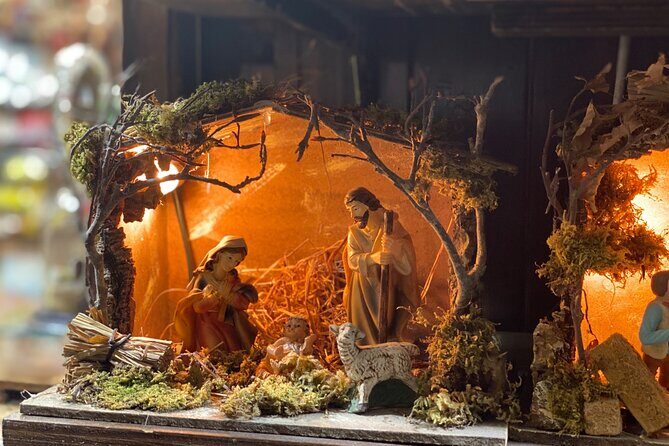
Next you’ll head toward Piazza del Plebiscito, one of the most iconic open spaces in the city. This stop isn’t only about the square’s scale—it’s also about how the city has represented power over time.
As you move through the area, you’ll see Maschio Angioino, also known as the New Castle. The tour frames it as the fortress wanted by the French family Angio, which later became a symbol of Naples’ status as capital of the Kingdom of the South Italy.
That matters because Naples’ top attractions often look like they’re simply built to impress. Here, you get a stronger sense that they were built to signal authority—and that authority has shifted through the centuries.
You’ll also pass through key streets and sights linked to this grand zone, including Galleria Umberto I and via Toledo. Even if you’ve seen photos of these places, the guide’s pace helps you connect them as part of one big urban story instead of separate photo stops.
A practical note
This segment is part of a short overall itinerary. If you’re the type who wants to linger for photos or for atmosphere, plan to take your main “slow time” after the tour. During the guided portion, the value is in getting the overview and context quickly.
Galleria Umberto I and Via Toledo: More Than Just a Pretty Walk
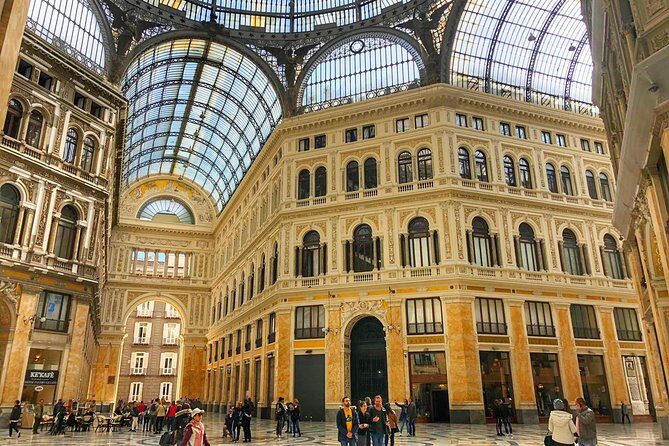
The walk through this central corridor is where Naples shows its theatrical side. You’ll be moving between major civic landmarks and the kind of urban spaces that locals use as routes, not just scenery.
Galleria Umberto I is a highlight many people want to see, but the real win on a tour like this is not just standing there—it’s being told how to interpret what you’re looking at while you’re still moving. You catch the logic of the city layout and where the energy concentrates.
Via Toledo, similarly, becomes more meaningful when you understand what surrounds it and why it matters. This is one of those stretches where you can easily wander for an hour on your own without learning much. The guided timing keeps you moving, but with enough context to make the area click.
If you’re planning a later day of museum time or church hopping, this is the part of the tour that helps you place those experiences in the wider Naples map.
Spaccanapoli: The Street That Cuts Through the City’s Layers
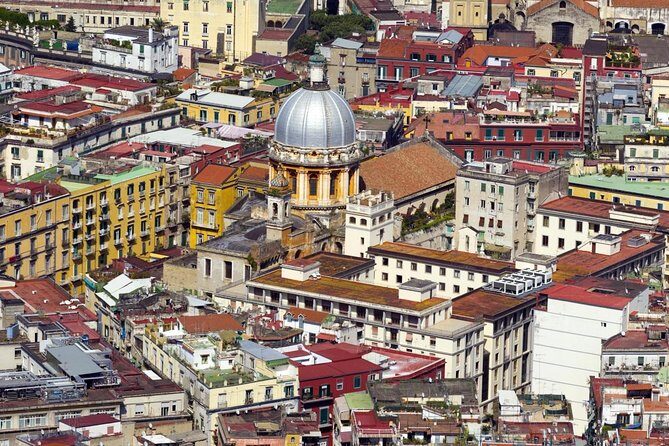
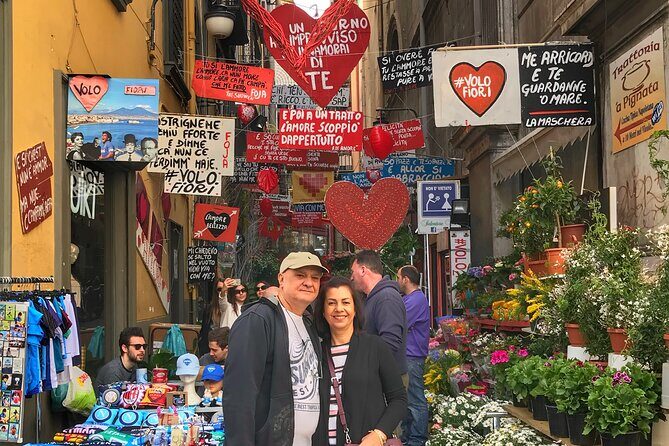
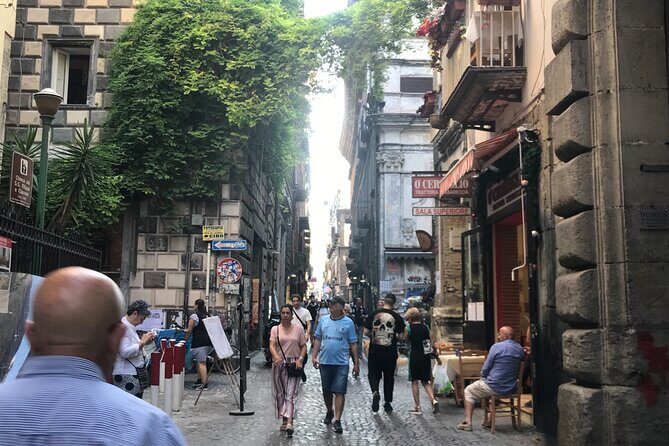
Then you reach Spaccanapoli, and this is where the tour starts to feel more like an immersion in daily Naples life. Spaccanapoli is the famous cut-through street that helps you understand how the historic center is stitched together.
You’ll also pass by piazzetta Nilo and piazza san Domenico Maggiore, plus Palazzo Venezia. The itinerary ends this cluster around Piazza del Gesù Nuovo, where you’ll see two church highlights: the Santa Chiara Monastery and the New Jesus Church.
What I like about bringing you here is that Naples isn’t just grand squares. It’s narrow streets, layered buildings, and sacred spaces tucked into the city’s fabric. This is the part you’ll remember when you later walk the same streets on your own.




The black diamond story
You’ll hear about the legend tied to the façade and the mystery behind the black diamond stones at the New Jesus Church area. Even if you’re not the type who collects architectural trivia, this kind of story helps you look closer at details you might otherwise ignore.
Why the small group matters here
In tighter lanes and around church façades, groups can feel crowded fast. With up to 14 participants, you’re more likely to hear the guide clearly, and you’re less likely to get shoved into a photo-only bottleneck.
One guest review called out that the tour was easy walking. That matches what a short, structured stop-by-stop route is supposed to feel like: enough time to look, not so long that you lose your attention.
Piazza del Gesù Nuovo: Santa Chiara and the New Jesus Church

Piazza del Gesù Nuovo is a strong capstone for this mid-route section. You get a concentrated view of two churches, which is convenient because Naples churches can be time sinks if you’re on your own without context.
The Santa Chiara Monastery (Italian Gothic style) gives you a clear visual direction for the architecture, and the New Jesus Church adds personality with its façade legend and black diamond stone intrigue. Together, they show you how Naples mixes styles and storytelling into its religious spaces.
This is also a good moment to reset your pace. If your feet are starting to protest, this pause point gives you time to stand, watch, and take a breather while staying within the guided timing.
If you’re taking photos, this is one of the best areas to do it. You’ll get more than one landmark without moving constantly.
Via San Gregorio Armeno: The Nativities Street

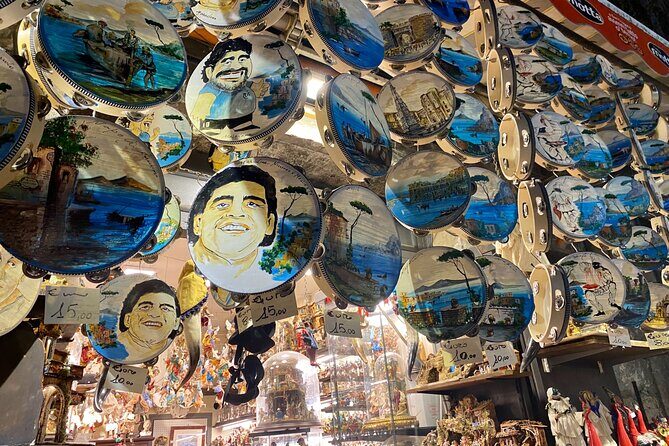
Now you hit one of Naples’ most playful, easy-to-love attractions: Via San Gregorio Armeno. This is the street known worldwide for small nativity shops.
The route gets you there through via dei Tribunali and the Agora, which is also known as the Forum in Roman times. That Roman connection helps you connect the city across eras: Naples isn’t just a medieval-feeling maze—it sits on top of older urban roots.
Then the street transition matters. You go from ancient urban history into a living craft tradition—shops that keep a Naples holiday identity alive through detailed figures and scenes. If you like souvenir hunting that’s not plastic-and-mass-produced, this is a better place to look than most big tourist streets.
A short stop length can make this feel quick, but quick here is useful. You can glance at the shopfronts, understand what’s distinctive, and then decide if you want to come back later.
Piazza Dante: Ending at a Doorway to the Greek Urban Core
The tour wraps at Piazza Dante. The ending point is useful because it connects you to the idea of the old city center as a gateway to the core of the Greek urban settlement, established during Spanish government.
That phrasing is important. Many city walks stop at a major monument and call it done. Ending here gives you a sense of where Naples’ earliest urban logic sits, so you can continue exploring intelligently after the guided portion.
If you want an easy next step, think of Piazza Dante as a launchpad. You’ll finish in an area that makes it straightforward to keep walking, rather than feeling stuck far from everything.
Price and Value: What $84.58 Buys You in Real Terms
At $84.58 per person for about 2 hours, you’re paying for three things: a local guide, a structured route, and time saved. That doesn’t always mean the tour should be worth it for every traveler, but it can be strong value if you’re using it to replace a chunk of wandering you’d otherwise do without context.
Here’s the practical way I’d judge the cost before booking:
- If you want Naples orientation plus specific sights (Piazza del Plebiscito, Galleria Umberto I, Spaccanapoli, San Gregorio Armeno), the itinerary matches that goal tightly.
- If you’re the kind of traveler who hates slow lines and long detours, the quick, efficient timing is aligned with your style.
- If your ideal day is pure flexibility with no listening, you might feel the price more sharply because guided walking takes your attention.
Also, the group size helps justify the price. With a maximum of 14, you’re not paying for a crowd—you’re paying for access to a human guide who can actually point and explain.
One other value signal: guests praised the guide experience when it’s done well, especially with Mario—knowledge that made the history feel real rather than like a script. That’s the kind of guide performance you want for a paid walking tour.
Who This Tour Suits Best (and Who Might Skip It)
This Naples walking tour fits best if you:
- Want a fast overview of the historic center in a short time window
- Enjoy street-level culture and quick landmark context
- Prefer small groups where you can actually hear explanations
- Like guided storylines, not just photo stops
You might consider skipping or pairing this with other independent time if you:
- Hate walking even when it’s described as easy (you’ll still cover multiple areas)
- Want a tour with lots of free time at each stop
- Are looking for heavy ticketed attractions or museum-style interiors, since most stops are exterior and street-based
The dress code is smart casual, so you don’t need formal gear. Just wear shoes that handle uneven old-city pavement.
Quick Tips to Get the Most Out of Every Stop
You’ll enjoy this more if you come mentally ready for both squares and lanes. Naples’ magic is often in the small details, so give yourself permission to slow down briefly when something catches your eye—even if the tour moves on.
A few practical ideas:
- Bring water for a 2-hour walk, especially if your day runs warm.
- If you want great photos, plan to take them during the church and square stops, not during the tighter transit moments.
- Use the tour to learn where things are. After it ends at Piazza Dante, follow the route logic the guide gives you so you’re not guessing.
Should You Book This Naples Walking Tour?
I’d book it if your goal is smart Naples orientation with real context and you like the idea of a small group covering the core highlights fast. The route makes sense: it blends major squares, central city architecture like Galleria Umberto I, the distinctive cut through Spaccanapoli, the cultural craft street of Via San Gregorio Armeno, and a historically themed ending at Piazza Dante.
I’d be more cautious if you’re extremely detail-oriented and want long time inside buildings, or if you’re sensitive to guide distractions. One past review flagged a guide who spent too long on his phone and didn’t show as many exciting monuments as expected. That’s not something you can fully predict, but it’s a reminder to choose tours where the guide stays present.
If you want a guided “get the city in your head” walk, this is a solid choice.
FAQ
Where does the tour start?
It starts at Piazza Municipio (P.za Municipio, 80133 Napoli NA, Italy).
Where does the tour end?
The tour ends at Piazza Dante (Dante, 80135 Naples, Metropolitan City of Naples, Italy).
How long is the walking tour?
It’s about 2 hours.
How big is the group?
Maximum group size is 14 travelers.
What’s included in the price?
A local guide and a professional guide are included.
What isn’t included?
Transportation to and from attractions, and hotel pickup and drop-off are not included.
Do I get a mobile ticket?
Yes, the tour uses a mobile ticket.
What stops and sights are part of the route?
You’ll see Piazza del Plebiscito, Galleria Umberto I, Spaccanapoli, Via San Gregorio Armeno, and end at Piazza Dante, with mentions of Maschio Angioino and churches at Piazza del Gesù Nuovo.
Is the tour suitable for kids?
Children must be accompanied by an adult.
What should I wear?
Smart casual dress code is recommended.
Is the tour accessible if I’m not very fit?
It requires a moderate physical fitness level. It also stays near public transportation.