REVIEW · NAPLES
From Naples: Herculaneum, Vesuvius, and Pompeii Trip
Book on GetYourGuide →Operated by VISITING CAMPANIA S.R.L. · Bookable on GetYourGuide
Three stops, one big story of 79 AD.
I really like how this trip combines a comfortable Naples transfer with skip-the-line tickets, so you spend your time at the sites instead of wrestling schedules. The main trade-off is the pace: in 8.5 hours you’ll have enough time to see a lot, but not enough to study Pompeii or Herculaneum like a day-trip on its own.
You’ll follow the classic eruption route—Vesuvius, then Herculaneum, then Pompeii—while keeping a self-paced feel at each stop. The setup is designed for World Heritage sites with planned transfers and breaks, but it’s not a “slow tour with a lecturer” style day.
In This Review
- Key highlights to know before you go
- A smart one-day hit of Pompeii, Herculaneum, and Vesuvius
- Getting from Naples: pick-up and meeting points that prevent morning chaos
- Mount Vesuvius: 1,000 meters up and crater time
- Herculaneum: the “less chaotic” eruption site
- Pompeii with audio help: seeing the big sights without waiting all day
- What’s included in the price—and what you’ll likely add
- Timing and pacing: the trade-off built into “three UNESCO stops”
- Who this tour fits best (and who should pick something slower)
- Should you book the Naples to Herculaneum, Vesuvius, and Pompeii trip?
- FAQ
- How long is the trip?
- Where do I meet the bus in Naples?
- Does the tour include tickets for Pompeii and Vesuvius?
- Is an audio guide included?
- What language is spoken by the driver?
- Is food included?
- What ID do I need to bring?
- Is this tour suitable for people with mobility impairments?
- Can I bring big luggage?
Key highlights to know before you go

- Naples pick-up is clearly set at Via Galileo Ferraris 40, with the Around Vesuvio bus logo.
- Vesuvius includes a dedicated climb approach with a stop around 1,000 meters and time to reach the crater area.
- Self-guided time windows: about 2 hours at Herculaneum and 2 hours at Pompeii.
- Audio guide focus is Pompeii only, with multiple languages available (including English).
- Round-trip transfers keep logistics simple, with coached travel between stops.
A smart one-day hit of Pompeii, Herculaneum, and Vesuvius
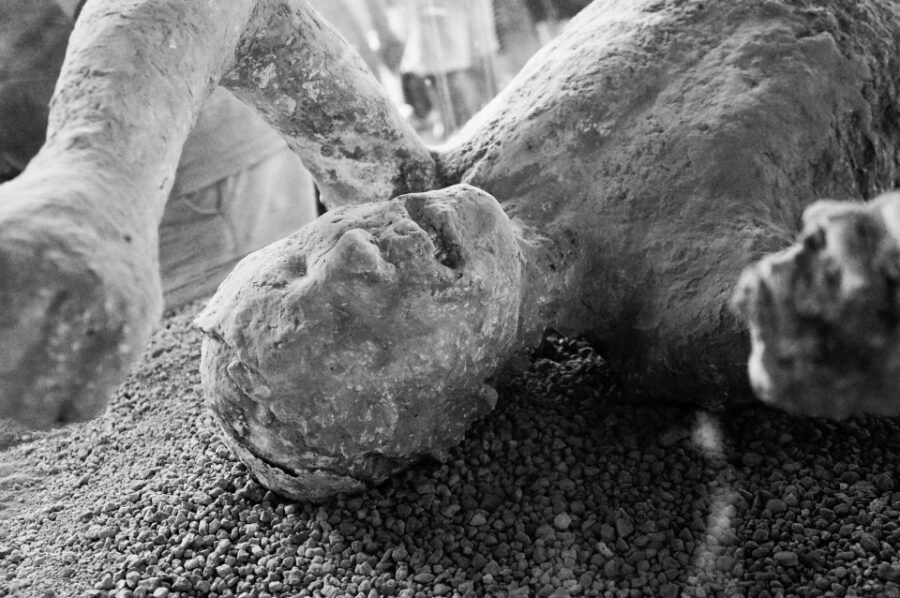
This is a classic Campania day: you start in Naples, head to Vesuvius, then visit the two eruption-tied sites that make the 79 AD tragedy feel immediate. The good part about doing all three in one go is that the geography clicks—volcano up top, preserved everyday life on the slopes and streets below, then the larger Pompeii layout for context.
I like that the tour is built for autonomy. At each archaeological site, you get real time to wander and decide what you care about. No constant herding, no pressure to keep up with a fast-moving guide group.
The drawback, plain and simple: Pompeii needs time. Two hours is enough to get your bearings and see major highlights, but if you’re the type who wants to read every inscription or trace every street corner, you may feel rushed.
You can also read our reviews of more tours and experiences in Naples.


Getting from Naples: pick-up and meeting points that prevent morning chaos

The day starts with pick-up in Naples at the Hotel Ramada area (Via G Ferraris n.4), and the meeting point is also mapped at Via Galileo Ferraris 40. If you’re using GPS, the coordinates given are 40.8505189, 14.2747942—handy if you’re staying somewhere that’s a maze of smaller streets.
Your bus is marked with the logo Around Vesuvio. Having that visual cue matters because these Naples departures can be busy, and you don’t want to spend your first hour guessing where everyone is lined up.
This part matters more than you’d think. A comfortable coach ride and a planned departure cut down on the classic day-trip problems: late starts, scattered meeting points, and waiting for people who arrived with the wrong ticket or the wrong time. Here, the itinerary is structured with transfers between sites, so the day flows.
Mount Vesuvius: 1,000 meters up and crater time
Vesuvius is where the story becomes physical. This trip includes a transfer up to about 1,000 meters, then you get about 1.5 hours of free time to visit the volcano and reach the crater area inside the park.
What I like about this approach is that it gives you enough time to walk and still feel like you actually climbed something. You’re not just parking at a viewpoint and heading back. The stop at height also helps you get that dramatic, high-exposure feel—big views, cooler air than the lower city, and the sense that you’re near the engine of the whole region’s history.
A realistic consideration: 1.5 hours can feel short if you want slow sightseeing plus photos plus a long trek to the crater edge. If you know you’re going for maximum views, plan your route quickly once you arrive—pick your must-see viewpoint first, then roam.
Also, remember this is a volcano day. Wear shoes you trust, and keep your bag compact. Oversize luggage is not allowed, and you’ll want your hands free for walking.
Herculaneum: the “less chaotic” eruption site
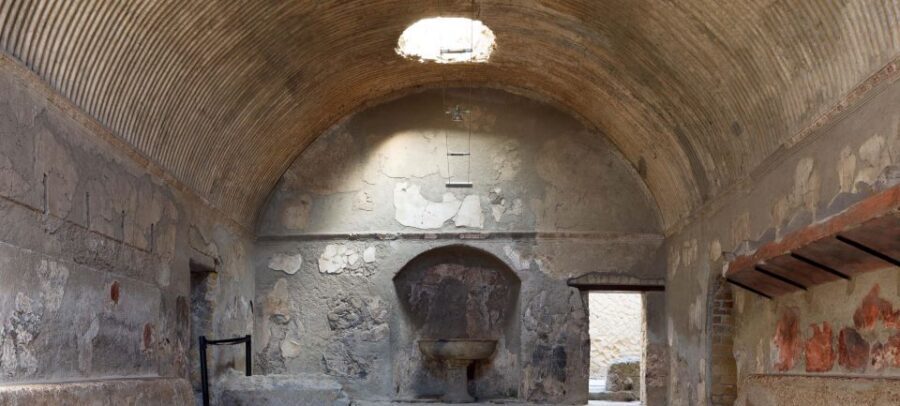
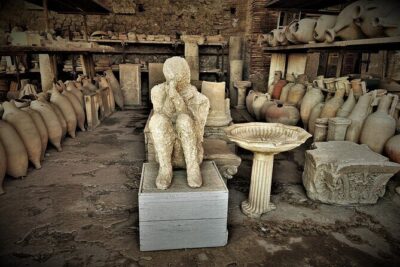
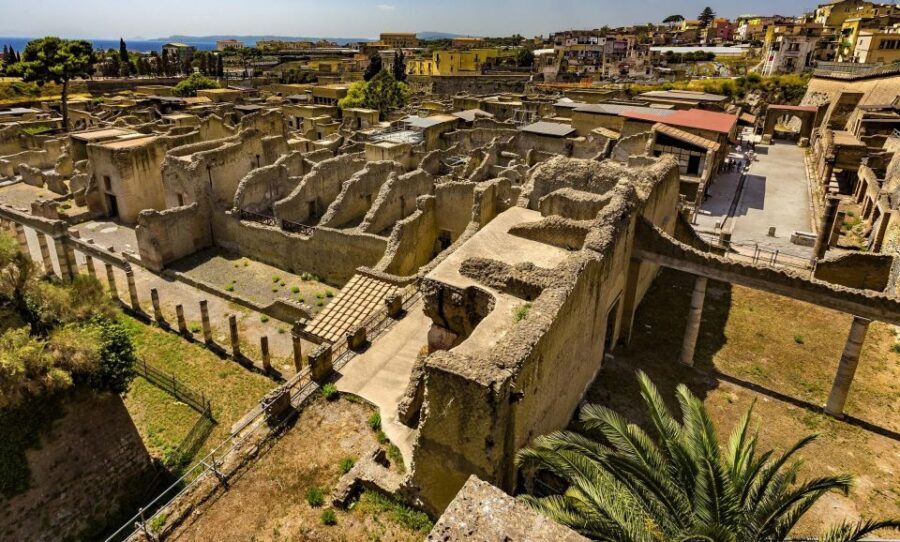
After Vesuvius, you’ll transfer to Herculaneum for around 2 hours of free time. This stop is one of the strongest parts of the day if you like archaeology that feels intimate: smaller scale than Pompeii, but loaded with preserved structure and vivid reminders that real people lived here.
I like Herculaneum for the way you can still see rooms rather than just streets. The eruption didn’t just erase walls—it helped preserve details that make the site feel unusually human. That’s the magic of these UNESCO-listed places: you don’t just learn history, you can recognize daily life patterns.
What to watch for during your time there:
- Go in with a simple goal, like finding a cluster of houses and comparing how rooms and architecture change.
- Take a moment early to get your bearings, then slow down for the details.
- Don’t try to sprint the whole site. You’ll remember more if you linger around the parts that grab you.
The tour keeps things simple with a planned transfer in and out, but you’ll still be doing a lot of walking. The activity also isn’t suitable for people with mobility impairments, which tells you to expect uneven ground and a site that doesn’t “fit” a slow roll.
Pompeii with audio help: seeing the big sights without waiting all day
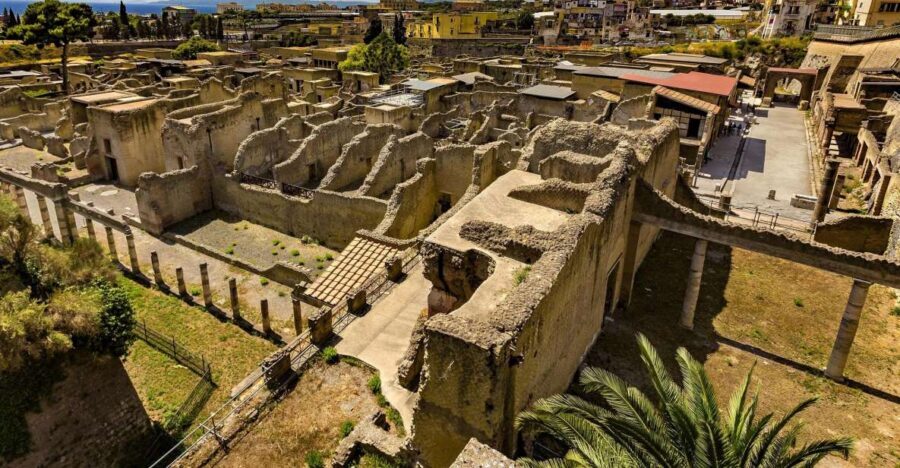
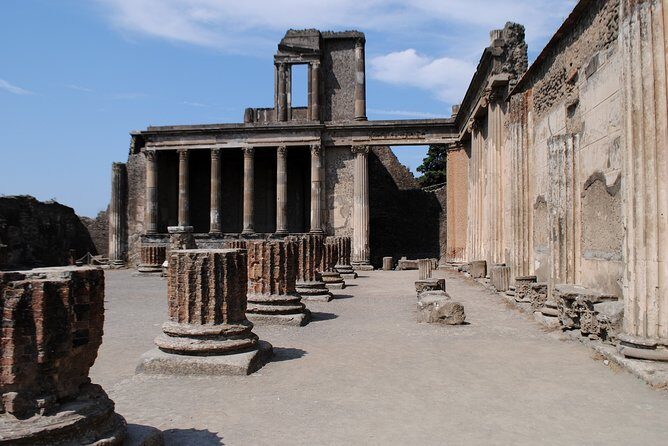
Pompeii is the headline. You’ll arrive for about 2 hours of free time, and you’ll have an audio guide included only for visiting the Pompeii ruins. The audio guide languages listed include English, Spanish, French, German, Italian, Portuguese, Russian, Hebrew, Dutch, and Chinese.
That language range is useful if you’re traveling with family or friends, but even if you’re solo, audio changes the game. Pompeii is enormous, and a self-paced audio route can help you move through the highlights without losing time. You’ll get enough structure to understand what you’re looking at, while still deciding where to pause.
I also appreciate the practical side of the setup: the tour includes entrance tickets and is designed to avoid ticket-line hassle. That means more time inside the site and fewer hours outside in weather.
Still, two hours is two hours. If you want to go beyond the famous stops, you’ll need to pick priorities before you arrive. Here’s a good strategy:
- Spend the first portion orienting yourself.
- Save your favorite area for the last stretch, when you’ll have less temptation to keep moving.
- If you’re there for photos, build in a quick buffer for crowds in the main areas.
And yes, you can climb into a more intense interpretation of the eruption here—Pompeii is where the scale hits hardest. But the day’s time limits mean you’ll get “overview plus key highlights,” not a full research visit.


What’s included in the price—and what you’ll likely add

The price is $152.93 per person for an 8.5-hour day, starting in the Naples area and returning there. When I look at value, I focus on what’s bundled versus what you still need to plan on your own.
Included:
- Pick-up and return transfer in Naples (Hotel Ramada area / Via Galileo Ferraris 40)
- Transfers between stops so you’re not coordinating buses yourself
- Entry tickets for the Pompeii archaeological site and the Vesuvius National Park
- Vesuvius National Park entrance ticket is listed as €11.68
- Pompeii entrance ticket is listed as €20.00
- An included booking fee
- An audio guide for Pompeii (with multiple languages)
- Vesuvius stop includes a transfer up and time to reach the crater area
Not included:
- Food and beverages
- A person guide (there’s no dedicated human guide included—this is a driver-led day with audio support for Pompeii)
So the value question becomes: you’re paying for convenience plus paid access plus transportation. If you were trying to do this solo, you’d spend time figuring out the right tickets, dealing with staggered arrival times, and managing transit between sites. This tour removes a lot of that stress and replaces it with a set, timed flow.
The likely extra cost is food. Plan on buying something simple on-site or bringing snacks if that works for you. Even if you don’t want a full meal, you’ll burn energy climbing Vesuvius and walking through ruins.
Timing and pacing: the trade-off built into “three UNESCO stops”
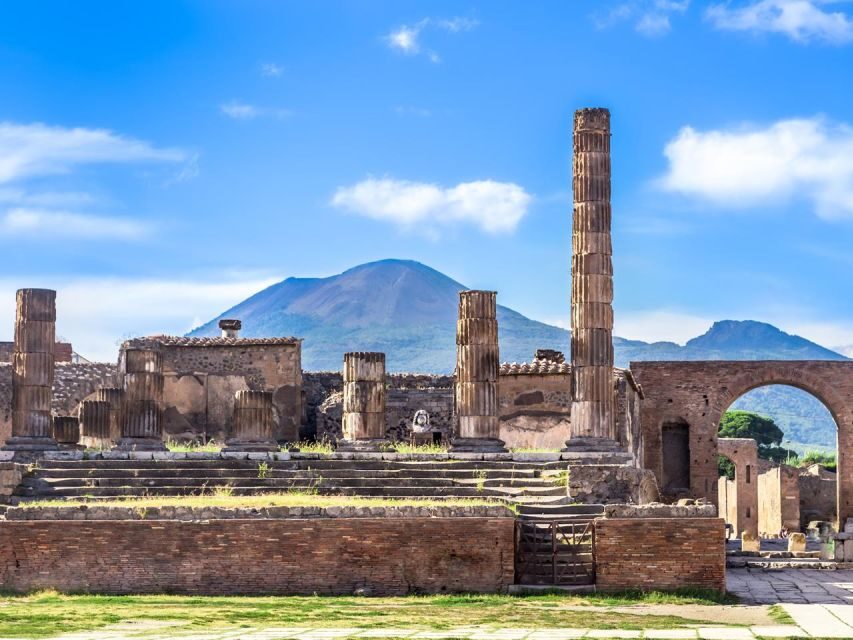
The day is built around quick transfers and meaningful time blocks. You’ll ride by coach between each major segment, and your site time windows are about:
- Vesuvius: ~1.5 hours
- Herculaneum: ~2 hours
- Pompeii: ~2 hours
That’s enough to enjoy each place and catch key areas, but it’s also why the tour works best for travelers who want to see the highlights without turning the trip into a multi-day project.
One more practical note: audio guide rental requires an ID document. You’ll need to bring a passport or ID card for that. It’s explicitly mentioned as important, so don’t treat it like a suggestion. Also, oversize luggage isn’t allowed—bring a small bag you can manage easily through crowds and uneven paths.
Who this tour fits best (and who should pick something slower)

This makes sense for:
- First-timers who want the “big three” eruption experience in one day
- People who like independence—wandering at your own speed once you’re inside each site
- Travelers who want transportation handled and don’t want to fuss with logistics
It may not be ideal for:
- Anyone who needs a human guide to explain everything across all stops (audio is only listed for Pompeii)
- People who want slow, detailed study at Pompeii or Herculaneum
- Those with mobility impairments, since the activity is not suitable
If you’re a “see it all, read it all” type, you might prefer an itinerary that lets you spend more time per site or adds a person guide. But if you want a well-run day that still lets you choose your pace, this is a solid option.
Should you book the Naples to Herculaneum, Vesuvius, and Pompeii trip?
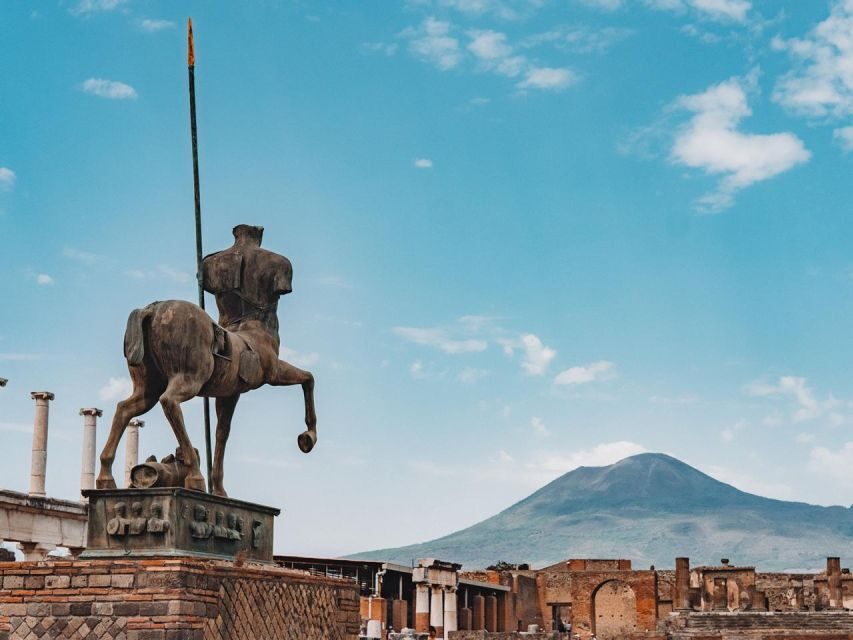
I’d book it if your goal is a high-impact day with minimal logistics. The combination of coached transport, paid site access, and self-paced time at Herculaneum and Pompeii makes it a good value for limited time in Naples.
I wouldn’t book it if you know you’ll struggle with time pressure or you need a full guided explanation at every stop. In that case, you might feel shortchanged at Pompeii, even with the audio guide.
Quick decision checklist:
- You want Vesuvius + both major eruption sites in one day: yes.
- You’re okay with 2-hour blocks and a “highlights first” plan: yes.
- You want a person guide included for the whole day: no (audio support for Pompeii is provided, not a human guide).
FAQ
How long is the trip?
The duration is listed as 8.5 hours.
Where do I meet the bus in Naples?
Pick-up is in Naples at the Hotel Ramada area, Via G Ferraris n.4, and the meeting point is also given as Via Galileo Ferraris 40 (coordinates: 40.8505189, 14.2747942).
Does the tour include tickets for Pompeii and Vesuvius?
Yes. Entrance tickets are included for the Pompeii archaeological site and the Vesuvius National Park (including the Vesuvius park entrance ticket and the Pompeii ticket).
Is an audio guide included?
Yes. Audio guides are included for Pompeii ruins in multiple languages.
What language is spoken by the driver?
The driver is listed as English.
Is food included?
No. Food and beverages are not included.
What ID do I need to bring?
You should bring a passport or ID card, and it’s important for using/renting the audio guide.
Is this tour suitable for people with mobility impairments?
No. It is listed as not suitable for people with mobility impairments.
Can I bring big luggage?
No. Oversize luggage is not allowed—only a little bag is allowed.