REVIEW · SORRENTO
Discovery Tour of Sorrento Lemon in Massa Lubrense
Book on Viator →Operated by Rita Ruocco · Bookable on Viator
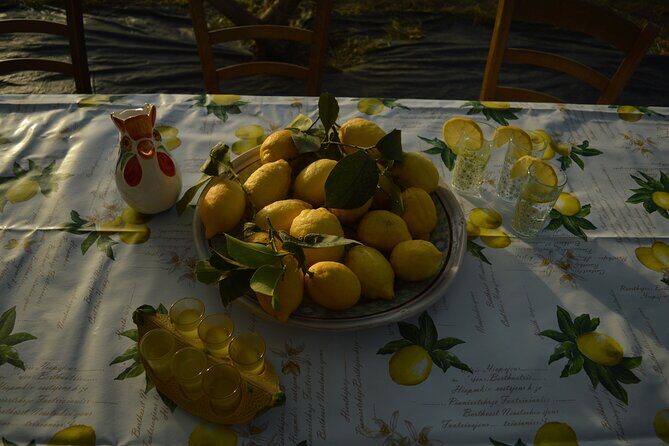
Lemons here grow like a family story. This two-hour visit starts with homemade lemonade and lemon slices, then moves into the hands-on parts of citrus farming. What I love most is the grafting walkthrough and the panoramic tasting stop where you can take photos and learn how lemons are made here.
I also like that the whole tour feels personal and unhurried, guided by Rita Ruocco’s third-generation perspective on how the grove works year after year. One possible drawback: it’s an outdoor farm experience and it depends on good weather, so plan for a sunny day.
You’ll be with a small group (up to 30) and the tour is offered in English. Come with questions, because Rita answers them in plain talk, not farm-tour fluff.
In This Review
- Key highlights you’ll actually care about
- First stop: Chiesa ex Cattedrale and the lemon-farm welcome
- Bitter orange seedbeds: where lemon stories begin
- Adult citrus trees and rootstock logic you can follow
- The panoramic tasting point: liqueurs, photos, and the birth story
- Watching grafting happen: the moment it all clicks
- Pergolas and a walk under the Sorrentine shade
- Jams, marmalades, and citrus tastings to close the loop
- What the price includes, and why it can be worth it
- Logistics that can make or break your day
- Who should book this lemon tour
- Should you book the Discovery Tour of Sorrento Lemon?
- FAQ
- How long is the Discovery Tour of Sorrento Lemon?
- What language is the tour offered in?
- Where do we meet for the tour?
- Are tastings included?
- How big is the group?
- Is confirmation provided after booking?
- Is the activity suitable for most people?
- What happens if the weather is bad?
- Can I cancel for free?
Key highlights you’ll actually care about
- Lemon starts with bitter orange seedlings and you’ll see the nursery where young plants begin
- Mother plants and rootstocks get explained in a way that makes grafting click fast
- A live grafting demonstration shows how new fruit characteristics are created
- Panoramic break for liqueurs and photos overlooking the Sorrento coastline and bay
- Typical Sorrentine pergola walk gives you shade while you connect the farming steps
- End-of-tour tastings include jams and lemon products (plus more citrus extras)
First stop: Chiesa ex Cattedrale and the lemon-farm welcome
Your tour day begins at a bus-stop meeting point at the Chiesa ex Cattedrale di Santa Maria delle Grazie area. From there, you link up with the guide and head to the farm, which sits up in the Massa Lubrense hills. It’s a nice way to start—less “walk to a ticket booth,” more “morning on real working land.”
Before the tour gets technical, you’re offered lemonade and lemon slices with sugar. It sounds simple, but it matters. A citrus farm tour works best when your senses are awake early, and this sets the tone: you’re not just tasting a product. You’re tasting the starting point.
Also, the group size stays manageable (maximum 30). That means you’re usually not yelling over 100 people, and questions land better. The guide (Rita Ruocco) leads in clear English, so you’re not stuck guessing what you’re looking at.
You can also read our reviews of more tours and experiences in Sorrento.
- Sorrento Farm and Food Experience including Olive Oil, Limoncello, Wine tasting
★ 5.0 · 2,524 reviews



Bitter orange seedbeds: where lemon stories begin
The first “farming phase” focuses on young plants. You’ll visit the seedbed where bitter orange seeds are planted. Why bitter orange? Because citrus farming often uses one plant as the foundation (rootstock) and another for the desired fruit traits. When you see the seedbed in person, the rest of the tour stops feeling like a textbook.
Then the tour moves toward the next stage: mother plants, also called adult plants used for grafting. You’ll see how growers think ahead. A lemon grove isn’t built in a week. It’s built over seasons, and the choices happen long before you ever get a slice of fruit on your plate.
If you like understanding how things work, this section pays off. You’ll start noticing how the grove is organized by function, not just by trees looking pretty. That makes the later grafting demo feel earned, not random.
Adult citrus trees and rootstock logic you can follow
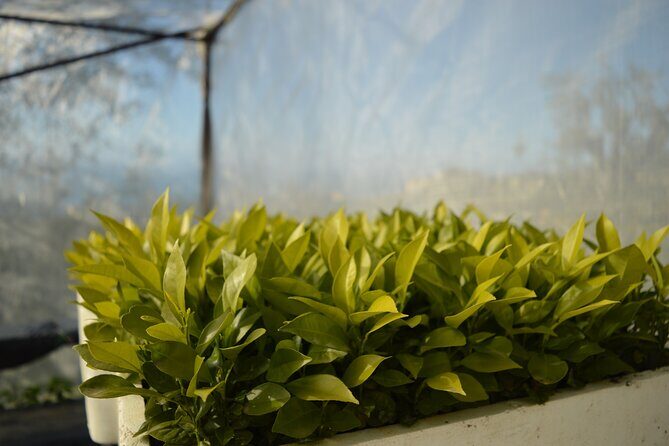
At the farm, you’re guided through how adult plants are used to create new growth. This is where citrus cultivation can sound complicated—until Rita makes it practical. She explains the purpose of these mother plants and shows how a small twig gets taken for grafting later.
This is one reason the tour feels better than many “see trees, take photos” experiences. You’re not only looking at lemons. You’re learning the system behind them: the nursery, the plant choices, and the reason a grove has different types of citrus in different roles.
You’ll also get a feel for the grove’s scale. Even if the tour is only about two hours, you get enough context to understand why citrus growers talk about patience. The trees are working on their own timetable, and you’re watching the steps that guide that process.
The panoramic tasting point: liqueurs, photos, and the birth story
Then you reach a panoramic point. This is your scenic reward and a learning moment at the same time. You can relax while tasting the farm’s liqueurs, take photos, and listen to the story of the birth of the lemon.
What I like here is the pacing. The tour could easily turn into back-to-back technical stops, but this break gives your brain room to absorb. You also get a sense of why this region is ideal for citrus: the slope, the air, and the view that stretches out toward the sea.
If you’re planning your day around photos, this is the part to focus on. The best moments usually happen when you’re not rushing. So slow down, let your camera rest, and use this stop to get your bearings over the Gulf.
Watching grafting happen: the moment it all clicks
After the panoramic pause, you get shown how a graft is made and how the plants produced through that method are grown. This is the tour’s core skill lesson. Once you see grafting demonstrated, you understand how growers reproduce specific fruit traits while keeping the practical benefits of the rootstock.
Grafting can seem like magic from far away. Up close, it’s more like careful woodworking mixed with horticulture. Rita’s explanation makes the process feel logical: you’re not forcing a tree to change overnight. You’re combining parts that already do what they’re meant to do.
You may also hear extra practical details, like how different trees play different roles, and how a single plant setup can lead to different citrus outcomes over time. (Some tours in this setting include comparisons like male vs. female tree roles, and you may see examples of multiple citrus types grown in one system.)
Either way, don’t rush this part. The grafting section is where you’ll remember the tour later—because it’s the step that turns “lemon growing” into a real, repeatable process.
- Sorrento Farm and Food Experience including Olive Oil, Limoncello, Wine tasting
★ 5.0 · 2,524 reviews



Pergolas and a walk under the Sorrentine shade
Once grafting and plant production have been explained, the tour continues with a walk under typical Sorrentine pergola structures. This isn’t just aesthetic. Pergolas help manage sun exposure and create conditions that keep the trees healthier as they grow.
It’s also a good transition from the hands-on learning outdoors to the tasting stage. You get a slower pace, more walking time, and a chance to ask follow-up questions without feeling like you’re standing in one spot the whole time.
As you move through the grove, you’ll start recognizing the way trees are arranged and protected. That’s the hidden benefit of these shaded walks. They help you connect the visible results to the earlier steps in the tour: seedlings, mother plants, grafting, and then production.
Jams, marmalades, and citrus tastings to close the loop
The tour ends back at the first step with jams tastings and more relaxation. This is where you connect the farming you learned to what you can actually take home—or taste one more time.
Expect lemon-focused products like jams and citrus preserves, plus liqueurs. Several visitors also highlight limoncello as a standout, along with limoncello cream. Some descriptions from the tour experience also point out that the farm produces other staples like extra virgin olive oil, which pairs nicely with the idea of Mediterranean farming beyond citrus.
If you’re shopping for gifts, this is the moment to do it. You’ve seen the process, learned why the grove is built the way it is, and now you’re holding a product that comes from the same hands and the same logic.
Tip: if you plan to buy, take your time right here. It’s easier to choose when you remember what you just learned about seedbeds and grafting.
What the price includes, and why it can be worth it
At about $54.07 per person for roughly two hours, you’re paying for more than a quick guided walk. The value comes from three things:
- You get multiple tasting moments (lemonade and lemon slices early, liqueurs at the panoramic point, and jams at the end).
- You see real cultivation steps (seedbed, mother plants, grafting demonstration, and how plants are produced).
- You get a small-group setting (maximum 30) with a guide who talks through the why, not only the what.
Many tours charge similar prices but focus mainly on views or quick snapshots. Here, you’re getting the middle layer: how lemons actually get made in a working grove. That’s why the experience feels educational without turning into a lecture.
Logistics that can make or break your day
This is designed to be easy to join. You’ll receive confirmation at booking, the tour is available in English, and the experience uses a mobile ticket. It also runs near public transportation, which helps if you’re already in the Sorrento area.
Still, it’s a farm in hilly terrain. Even if you don’t need to worry about major stairs, you should expect outdoor walking and uneven ground. Dress for sun and wind. Bring water if you tend to run dry on warm days.
One more practical note: the tour requires good weather. If conditions are poor, you’ll be offered a different date or a full refund. That flexibility is important in this part of Italy, where weather can turn quickly.
Who should book this lemon tour
This is a strong fit if you want:
- a family-run farm feel rather than a crowded bus-stop production line
- hands-on horticulture explanations you can actually repeat
- scenic stops that don’t steal the whole show from the farming
It’s also a good choice for couples and small groups who like food and agriculture. If your vacation style is short on long museums and heavy on real local processes, this hits that sweet spot.
If you’re the type who wants only panoramic views with zero focus on process, you might find the grafting sections more than you expected. But even then, the visual payoff is strong.
Should you book the Discovery Tour of Sorrento Lemon?
If you want a lemon experience with substance, I’d book it. This tour links taste to technique: seedbeds, mother plants, grafting, and then the products that come from that work. You’ll leave with a better sense of why Sorrento-area lemons have their reputation, and you’ll also have citrus gifts you can feel good about buying.
Book it if you’re comfortable with outdoor walking and you can pick a good-weather day. If weather is unpredictable, don’t panic—just plan for the possibility of a date change.
One last thought: arrive curious. Rita Ruocco’s whole thing is talking about a living, working grove. Bring questions about how citrus farms work, and you’ll get far more out of it than just tastings.
FAQ
How long is the Discovery Tour of Sorrento Lemon?
It’s about 2 hours.
What language is the tour offered in?
The tour is offered in English.
Where do we meet for the tour?
You meet your guide at the bus stop near Chiesa ex Cattedrale di Santa Maria delle Grazie before heading to the company.
Are tastings included?
Yes. You’ll have lemonade and lemon slices with sugar, plus liqueurs during the panoramic point and jams tastings near the end.
How big is the group?
The tour has a maximum of 30 travelers.
Is confirmation provided after booking?
Yes, you’ll receive confirmation at the time of booking.
Is the activity suitable for most people?
Most travelers can participate.
What happens if the weather is bad?
The tour requires good weather. If it’s canceled due to poor weather, you’ll be offered a different date or a full refund.
Can I cancel for free?
Yes. You can cancel up to 24 hours in advance for a full refund.
You Might Also Enjoy



More Tours in Sorrento



More Tour Reviews in Sorrento
- Sorrento Farm and Food Experience including Olive Oil, Limoncello, Wine tasting
★ 5.0 · 2,524 reviews