REVIEW · SALERNO
Discover Salerno: Walking Tour with an Expert Local Guide
Book on Viator →Operated by Tours with an archaeologist · Bookable on Viator
Salerno becomes readable on foot. This 90-minute walk through the historic center is built around stories: Lombard and Norman layers, major squares, and the big-ticket sites like Saint Matthew Cathedral and the baroque crypt area. I love that the guidance is archaeology-first, not just postcard descriptions.
I also love the practical side. Guides often share real-time ideas for where to eat and what to do after the walk, so you leave with more than trivia—you leave with a plan. One thing to think about: the crypt visit is optional and costs 7 euros, so decide in advance if that extra stop matters to you.
Key points I’d plan around
- Small group (up to 15): easier questions and a more conversational pace.
- Major squares + public gardens: you get a true orientation of Salerno’s center.
- Lombard and Norman buildings explained: the old city makes more sense when someone points out the layers.
- Saint Matthew Cathedral and the Saint Peter monumental complex: big sights, explained at human walking speed.
- Optional crypt with a ticket: budget the 7 euros if you want it.
- English tour with a mobile ticket: simple to use and easy to get started.
In This Review
- Walking tour basics: what you’re really buying for $42.17
- Meeting at Piazza Matteo Luciani and finishing at Piazza Gioia Flavio
- Stop 1: the historic center—squares, gardens, and “readable” street corners
- Lombard and Norman buildings: how to spot the past in plain sight
- Monumental complex of Saint Peter: more than a quick photo stop
- Saint Matthew Cathedral and the baroque crypt area
- The crypt option: plan for 7 euros if it’s your thing
- Optional requests that can deepen the experience
- Your guide: where the tour feels personal
- Group size, pace, and the kind of walking you should expect
- When to book during your Salerno trip
- Value check: why the price feels fair for what you get
- Who this walking tour suits best
- Should you book this Salerno walking tour?
- FAQ
- How long is the Discover Salerno walking tour?
- Where do I meet the guide, and where does the tour end?
- Is the tour offered in English?
- What’s included in the price, and is there an optional ticket cost?
- How big is the group?
- What happens if the weather is bad or I need to cancel?
Walking tour basics: what you’re really buying for $42.17
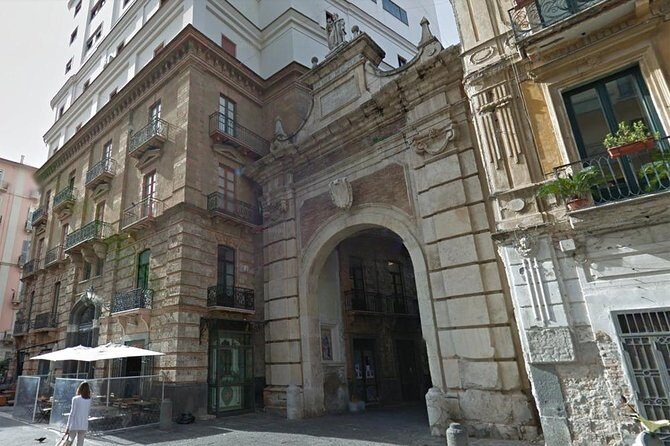
At $42.17 per person for about 1 hour 30 minutes, this isn’t a long, slow sightseeing grind. It’s a focused orientation walk—think of it as the map lesson you wish you had before you explore the rest of Salerno on your own.
You’re paying for two main things. First, you get a licensed local guide who knows how to connect buildings to time periods. Second, you get a guided route that hits the important landmarks without making you play “figure it out” in narrow lanes at dusk.
The timing also helps. A 6:00 pm start gives you that late-day feel in the historic center, when the streets are calmer and your brain is ready to connect details instead of just snapping photos.
Meeting at Piazza Matteo Luciani and finishing at Piazza Gioia Flavio
You’ll meet at Piazza Matteo Luciani, 1, 84121 Salerno SA. The tour starts at 6:00 pm, and it ends at Piazza Gioia Flavio.
That end point matters. Piazza Gioia Flavio sits in the center of things, so you can transition naturally into dinner plans or a second walk without trekking back across town. If you’re trying to fit Salerno into a tight schedule, this routing is a smart setup.
The tour also uses a mobile ticket, and it’s offered in English. Confirmation comes within 48 hours of booking, if space is available.
You can also read our reviews of more walking tours in Salerno


Stop 1: the historic center—squares, gardens, and “readable” street corners
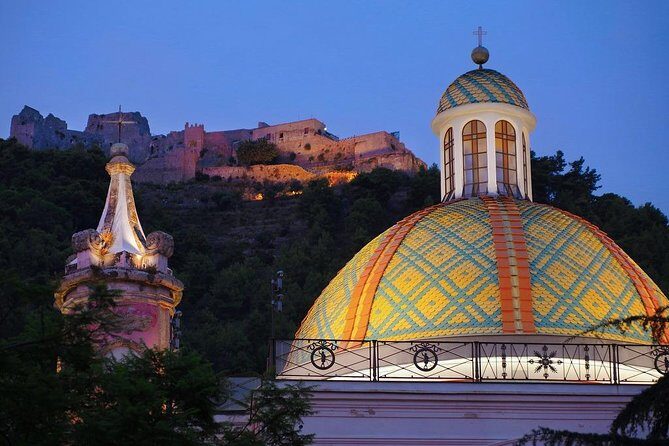
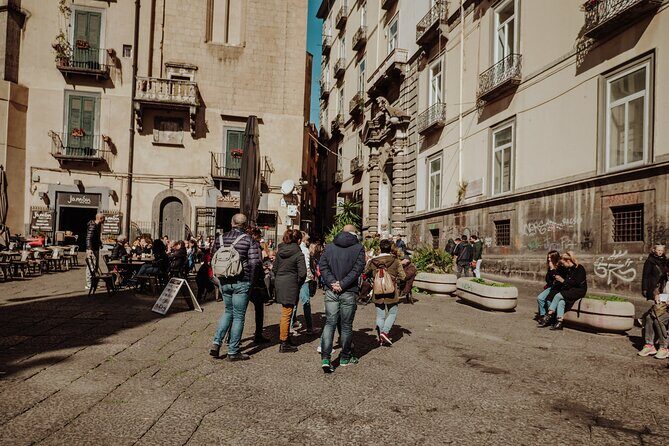
The heart of the experience is the historic center, guided in a way that makes the city feel legible. Instead of wandering randomly, you move from landmark to landmark and the guide explains what you’re seeing as you go.
You’ll visit several key public spaces:
- Public gardens
- Piazza Sedile del Campo
- Piazza Abate Conforti
- Piazza Flavio Gioia
Why this works: squares and gardens aren’t just pretty stops. In a historic center, they’re where daily life happened and where power and culture showed up in stone. When someone points out why these spaces mattered, the architecture you pass next starts to click.
This is also where the narrow, older streets become less intimidating. With a guide handling the “where are we and why does it matter” part, you can focus on noticing details—inscriptions, building shapes, and how different eras sit side by side.
Lombard and Norman buildings: how to spot the past in plain sight

A big highlight is the walk through Lombard and Norman buildings. These aren’t just labels. The value is in the explanations—how the styles differ, and what you’re likely seeing because Salerno sat in the middle of changing powers.
When you walk these streets without context, old buildings can blur together. With this route, the guide helps you separate them: which parts feel more connected to earlier rule, which elements reflect later rebuilding, and how the city’s “layers” show up in real architecture.
I like this approach because it turns your sightseeing into pattern recognition. You stop thinking, I’m just looking at facades, and start thinking, Oh, that’s evidence of a shift in time.
Monumental complex of Saint Peter: more than a quick photo stop
You’ll also see the Monumental complex of Saint Peter. Even if you’re not the type who plans every church visit, this stop is useful because it sets the religious and cultural tone of the walk.
What’s important here is the pacing. You’re not rushing through as if it’s a checklist. Instead, the guide connects what you’re looking at to the larger story of the city—why Salerno’s historic center became so important over time, and how major sites shaped what came next.
This is a good reminder for your own exploring later. If you decide to return to the area on another day, you’ll understand what to prioritize because the guide gives you a starting framework.
Saint Matthew Cathedral and the baroque crypt area
The center of the tour’s attention is Saint Matthew Cathedral and its baroque crypt.
The cathedral stop is the kind of landmark that usually demands attention—high visual impact, clear historical weight, and enough architectural variety that you can keep noticing details for longer than you expect. Guided help keeps you from missing the point. You’re there to learn what’s significant, not just to stand in front of a big building.
You can also read our reviews of more guided tours in Salerno

The crypt option: plan for 7 euros if it’s your thing
The crypt is optional. If you want to include it, there’s an entry ticket cost of 7 euros (it’s not included in the base tour).
Should you add it? If you enjoy architectural details that reward close looking, it’s a great add-on. If you’re short on time or you prefer to keep your spending light, you can still get plenty from the cathedral and the rest of the historic center without the crypt.
My practical advice: if you’re curious enough to consider it, ask your guide during the walk when it fits best. That way you’re not deciding in the moment while you’re trying to keep up with the group rhythm.
Optional requests that can deepen the experience
If you want extra depth, you can ask for additional visits. These are built in as optional add-ons:
- Gardens of Minerva
- Medieval castle
- Diocesan Museum
- Archaeological Museum
This is a nice feature because it lets you match the tour to your travel style. If you’re the type who likes to keep things moving, you might stick to the core historic-center route. If you love history and want more context around what you just saw, those optional stops give you a stronger bridge into deeper sites.
Just keep in mind the tour is about 1 hour 30 minutes. Optional requests may shift how much time you spend at each core landmark, so it helps to decide what matters most to you before the walk.
Your guide: where the tour feels personal
This is one of those experiences where the guide really shapes the quality. The walk is led by a licensed local guide, and when the guide is an archaeologist or a history specialist, you get sharper explanations and more specific connections between architecture and time periods.
In the past, guides such as Roberto have been singled out for combining history and archaeology with local, practical advice. Others like Giada and Alessandra have also been praised for making Salerno feel personal and easier to explore afterward.
I also love the tone that shows up in strong guides: they don’t talk at you. They answer questions, adjust the route to what you care about, and give real guidance for dinner and nearby plans. That’s the difference between a walk that informs and a walk that helps you travel smarter.
Group size, pace, and the kind of walking you should expect
This tour caps at 15 travelers, which keeps the experience from turning into a rushed line. It’s small enough that you can ask questions, and it’s structured enough that you won’t waste time staring at street signs.
The walk is outdoors and in an older part of town, which means you’ll do plenty of typical historic-center walking—some uneven pavement and narrow passages. Comfortable shoes matter more than anything else.
The good news: people who want highlights without a half-day commitment tend to love a route like this because it hits key sights and still leaves energy for dinner.
When to book during your Salerno trip
I’d book this early in your visit if you can. You’ll get orientation fast: which squares matter, where the cathedral sits in the broader story, and how the different historic layers connect.
Then, later, you can explore at your own pace with a much better sense of what you’re looking at. You won’t just see the buildings—you’ll recognize the reason they’re there and what changed over time.
If you’re in Salerno for just a day or two, this is also a smart “anchor activity.” It gives your time structure, then you can build the rest around your interests.
Value check: why the price feels fair for what you get
Let’s be real about the price: $42.17 for about 1.5 hours isn’t the cheapest thing you can do in a day.
But you’re not just buying a walk. You’re paying for:
- a licensed guide
- a route focused on major historic sites and squares
- archaeology and architecture context that saves you time and guesswork
- optional additions if you want deeper museum-style content
- a capped group size (up to 15)
Add in the optional crypt cost (7 euros) and you’re still in line with how guided cultural experiences usually price out in Italy: the guide is the product, not just the entry ticket.
If you tend to enjoy guided interpretation, this price works. If you hate walking with a schedule or you don’t care about architecture and archaeology explanations, you may feel it’s more guided than you want.
Who this walking tour suits best
This is a strong fit if you:
- want an early orientation before you roam on your own
- like architecture, cathedrals, and how styles reflect time
- enjoy archaeology-style explanations that connect buildings to history
- want local restaurant and activity tips that actually help tonight, not just someday
- prefer small groups rather than large tour herds
It’s also a good option for couples and solo travelers who like guided time but don’t want a full-day commitment.
Should you book this Salerno walking tour?
Book it if you want Salerno to make sense quickly. The combination of major squares, public gardens, landmark sites, and archaeology-based commentary makes this more than a casual stroll. And the fact that the walk ends in a convenient central spot helps you turn the learning time into real plans for dinner.
Skip it only if you’re the type who prefers self-guided sightseeing and you don’t want to pay for interpretation. Also consider the crypt option: if it matters to you, budget the extra 7 euros.
If you like guided history that stays practical and conversational, this one is an easy “yes” for an evening kickoff in Salerno.
FAQ
How long is the Discover Salerno walking tour?
It lasts about 1 hour 30 minutes.
Where do I meet the guide, and where does the tour end?
You meet at Piazza Matteo Luciani, 1, 84121 Salerno SA, Italy. The tour ends at Piazza Gioia Flavio, Salerno SA, Italy.
Is the tour offered in English?
Yes. The tour is offered in English.
What’s included in the price, and is there an optional ticket cost?
The tour includes a licensed local guide. Most site admissions are free, but the crypt visit is optional and costs 7 euros if you want to include it.
How big is the group?
The tour has a maximum of 15 travelers.
What happens if the weather is bad or I need to cancel?
The experience requires good weather. If it’s canceled due to poor weather, you’ll be offered a different date or a full refund. You can also cancel for a full refund if you cancel at least 24 hours before the start time.