REVIEW · ARCHAEOLOGICAL SITE OF HERCULANEUM
2-Hour Private Tour of the Ruins of Herculaneum
Book on GetYourGuide →Operated by Leisure Italy · Bookable on GetYourGuide
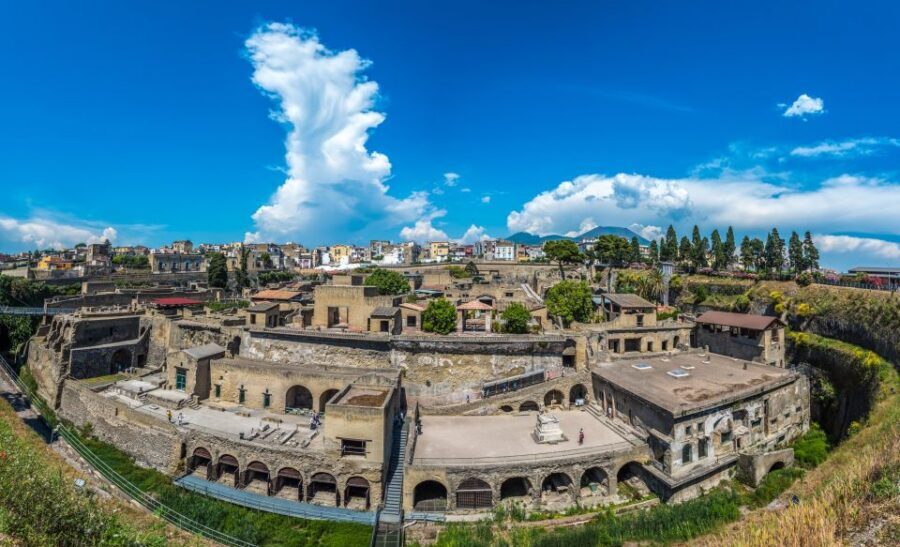
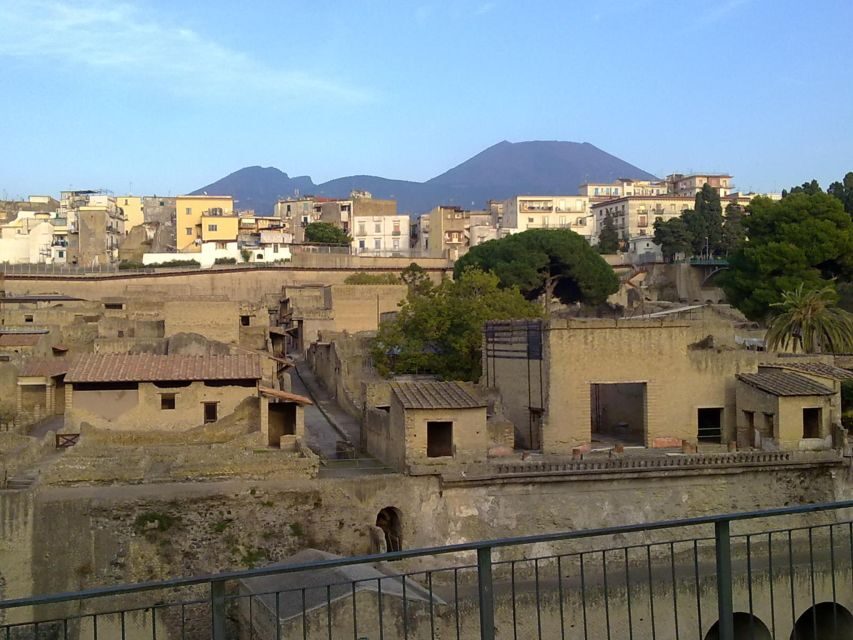
Herculaneum hits you like a time capsule. This compact Roman town was buried by the eruption of 79 AD and kept its buildings—down to floors and walls—almost stubbornly intact. You’re touring a place that literally sits at the bottom of an archaeological hole, about 75 feet down, where volcanic ash froze daily life in place.
I love the way this private guide makes the ruins feel legible. Two things I especially liked: the mosaic-and-fresco stops (House of Neptune and Amphitrite, Council Hall of the Augustali, and the big finale at Villa dei Cervi) and the chance to see the volcanic evidence up close, including the Grande Palestra and the spa spaces covered with Roman mosaics.
One thing to weigh: it’s only about 2 hours, so you’ll want to be focused rather than expecting a slow, wandering “see everything” day. Also, it’s not suitable for wheelchair users or people with mobility impairments, and you can’t bring luggage or large bags.
In This Review
- Key highlights you’ll actually care about
- Why Herculaneum Works So Well in Only Two Hours
- Meeting the Guide at the Only Ticket Office
- The Marina Area: Skeletons, the Story of the Eruption, and a Display Detail
- House of the Albergo Garden: Quince Trees Replanted from Ancient Evidence
- Council Hall of the Augustali: Frescoes of Hercules and Civic Life
- House of Neptune and Amphitrite: Mosaics, Floor Art, and the City’s Taste
- The Carbonized Food and Wine Containers: A Strange, Specific Detail
- Grande Palestra (Big Gym): Archaeologist Mode, Volcanic Evidence, and Roman Training
- The Ancient Spa: Saunas, Hot Rooms, Cold Tubs, and Mosaic Floors
- Villa dei Cervi: The Big Finish of Luxurious Mosaics and Statues
- Price and Value: Is $167.66 Per Person Worth It?
- Who This Tour Fits Best (and Who Might Prefer Something Else)
- Should You Book This Private Tour of Herculaneum?
- FAQ
- How long is the 2-Hour Private Tour of the Ruins of Herculaneum?
- Where do we meet the guide?
- What languages are offered?
- What should I bring, and what can’t I bring?
- Is the tour wheelchair accessible?
- What’s special about the first Sunday of the month?
Key highlights you’ll actually care about
- Two thousand years frozen in ash: preserved buildings and room details that make the city feel real
- Skeletons and a boat area: you’ll pass the marina where 300 human skeletons were found (boat on display at weekends)
- Quince apple trees returned: you’ll see the House of the Albergo garden replanted using evidence from ancient carbonized roots
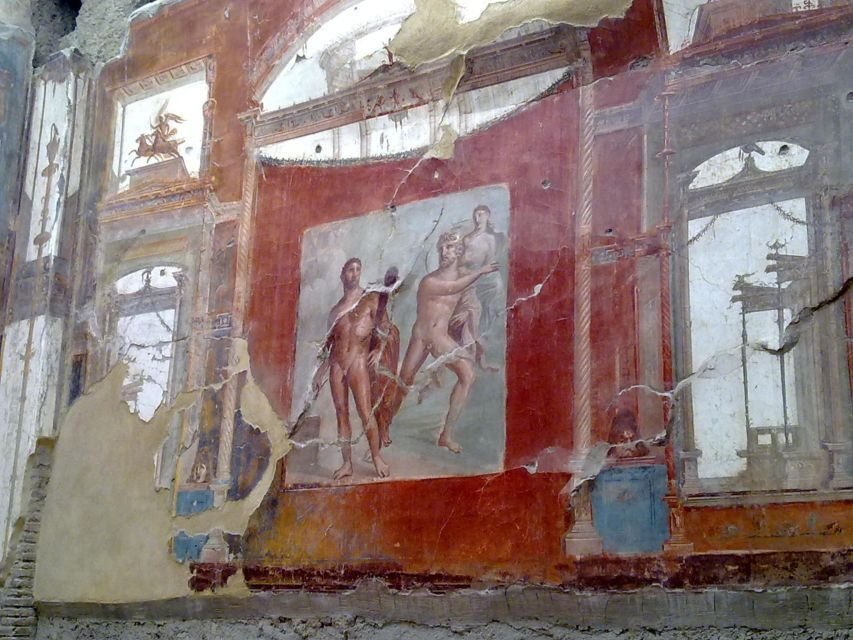
- Hercules frescoes at the Augustali Council Hall: art that tells you what mattered to the city
- The Big Gym and the Roman spa in mosaics: workout zones plus hot/cold rooms, all still visibly laid out
- Villa dei Cervi as the grand finish: luxurious mosaics, frescoes, and statues
Why Herculaneum Works So Well in Only Two Hours
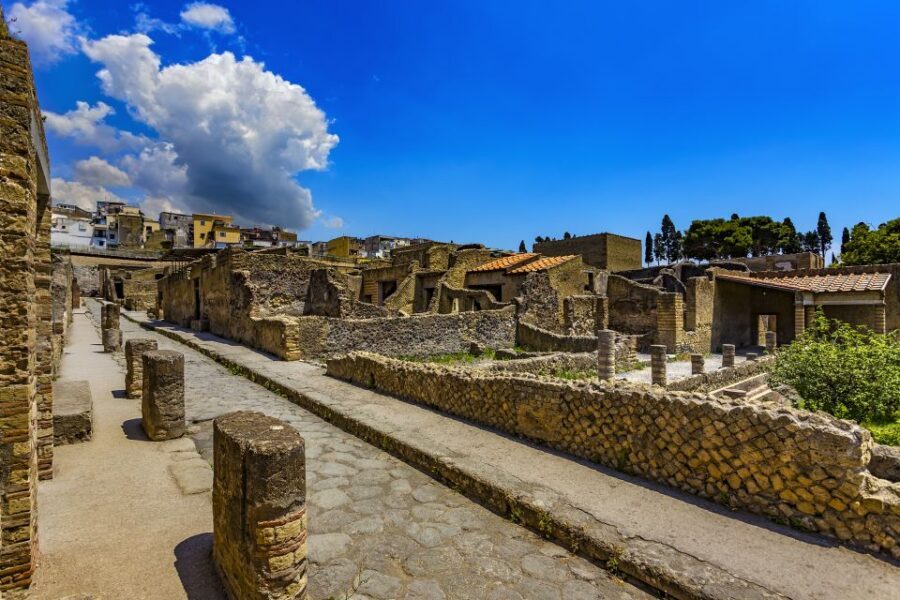
If you’ve got a tight schedule around Naples and the Bay of Naples, Herculaneum is a smart choice. It’s the smaller sister of Pompeii, but it can feel even more powerful because so much is preserved where it counts: floors, wall surfaces, and the shapes of rooms.
In a private tour format, the time window matters. You don’t lose 2 hours to crowd shuffling or long waiting for ticket lines. With the expert guide doing the heavy lifting—pointing out what to look at and why—you can leave with a clear sense of how Romans lived here, not just a checklist of pretty ruins.
And yes, it’s a little eerie. Seeing how volcanic material sealed a town makes your brain slow down. You’re not looking at “ruins” from a distance; you’re stepping through spaces that once functioned like homes, meeting halls, gyms, and baths.
You can also read our reviews of more private tours in Archaeological Site Of Herculaneum
Meeting the Guide at the Only Ticket Office
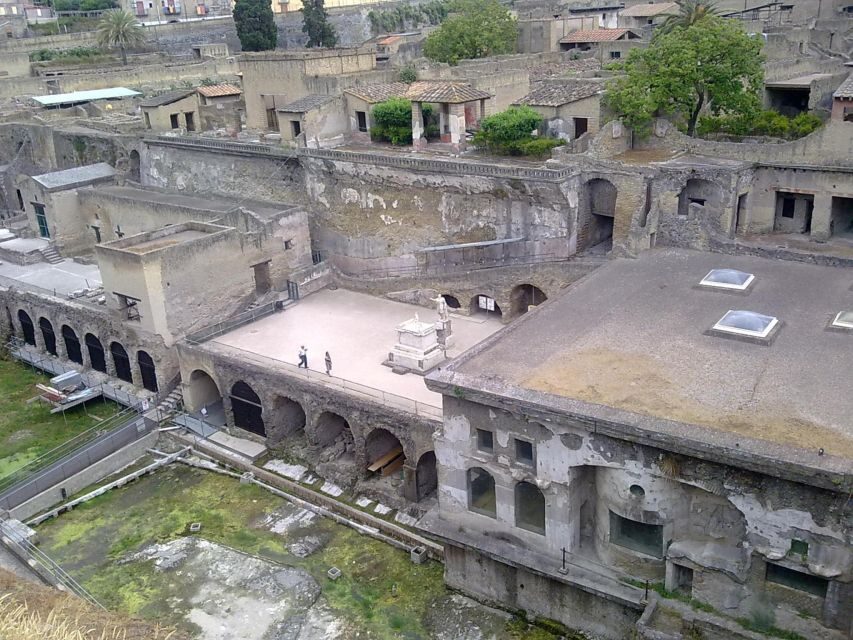
You’ll start at the only ticket office in the Herculaneum Archaeological Park. Your guide will be holding a sign with your name, and the tour ends back at the same meeting point.
This matters because the park can feel like a maze the first time you’re there. A private guide helps you get your bearings fast, especially since the visit is time-focused.
The tour is a private group, and the guide speaks Spanish, English, French, or Italian. Admission is included, and the tour is designed to skip the ticket line, which saves real time (and energy) on-site.
Tip: wear comfortable shoes. The ruins aren’t a museum carpet situation, and you’ll do enough walking that you’ll be glad you didn’t choose “cute but questionable.”
The Marina Area: Skeletons, the Story of the Eruption, and a Display Detail
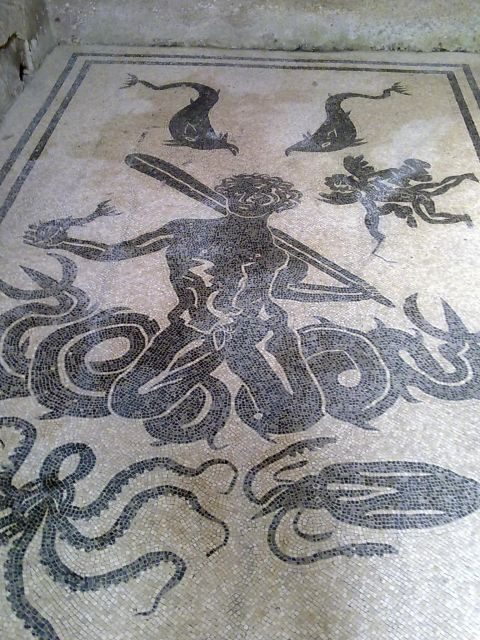
The tour’s tone becomes very real when you’re near the marina area. This is where archaeologists found 300 human skeletons, along with a boat that’s displayed at weekends.
Even if you’re not into disaster history, this stop is one of the reasons Herculaneum hits harder than many ruins. You’re reminded that this wasn’t a slow abandonment. It was fast, violent, and final for people who were simply living their normal day.
The guide’s job here is crucial: you’ll connect what you see in the ground and structures with what it likely meant in Roman life. You’ll also learn how the volcanic event preserved details that later ages might have erased.
If your goal is to understand why this site is such a big deal among Roman archaeology, this is where it starts clicking.
House of the Albergo Garden: Quince Trees Replanted from Ancient Evidence
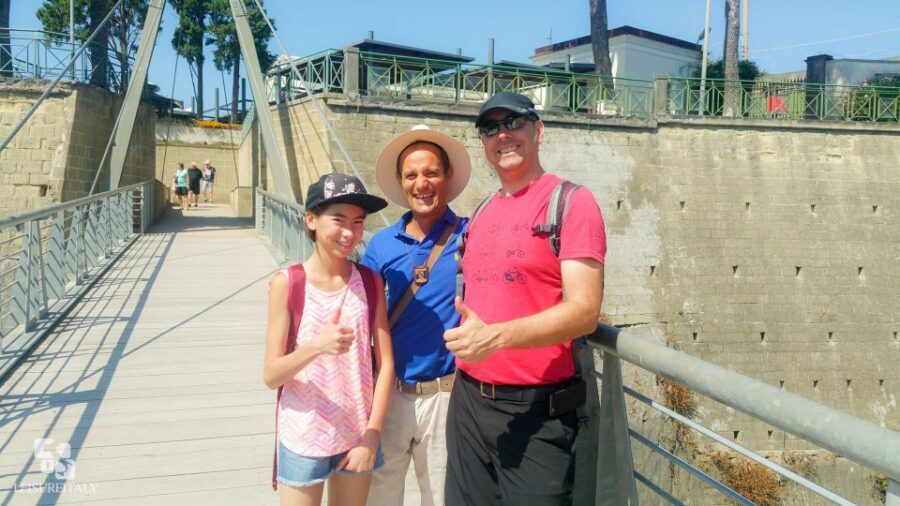
Next, you’ll visit the garden of the House of the Albergo. This stop has a lovely, practical payoff because it links archaeology to something you can almost picture: fruit trees.
What’s special is that quince apple trees have been reintroduced. The replanting is based on evidence of carbonized roots from the ancient fruit tree. That’s not just a cute story; it shows how the eruption didn’t just bury architecture. It trapped organic clues too.
From a visitor perspective, it makes the whole experience feel more grounded. Instead of thinking about volcanoes only as a dramatic headline, you see how evidence helps recreate pieces of everyday life—like the plants people tended.
If you like small, human-scale details, you’ll appreciate this garden stop more than you expect. It also gives you a pause point in the tour, which is helpful during a 2-hour visit.
Council Hall of the Augustali: Frescoes of Hercules and Civic Life
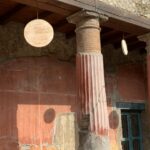
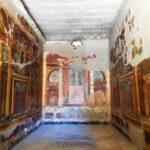
Your next key stop is the Council Hall of the Augustali. Here you’ll see frescoes that depict Hercules.
This is one of those art moments that can be more than decorative. A guide can frame what Hercules would have signaled in a Roman setting—strength, hero myths, and cultural identity—so the frescoes become a window into values, not just wall paint.
And because it’s in Herculaneum rather than a modern gallery, it feels different. You’re seeing artwork in the space it belonged to, which helps you understand how Romans used visual storytelling to make public life feel meaningful.
House of Neptune and Amphitrite: Mosaics, Floor Art, and the City’s Taste
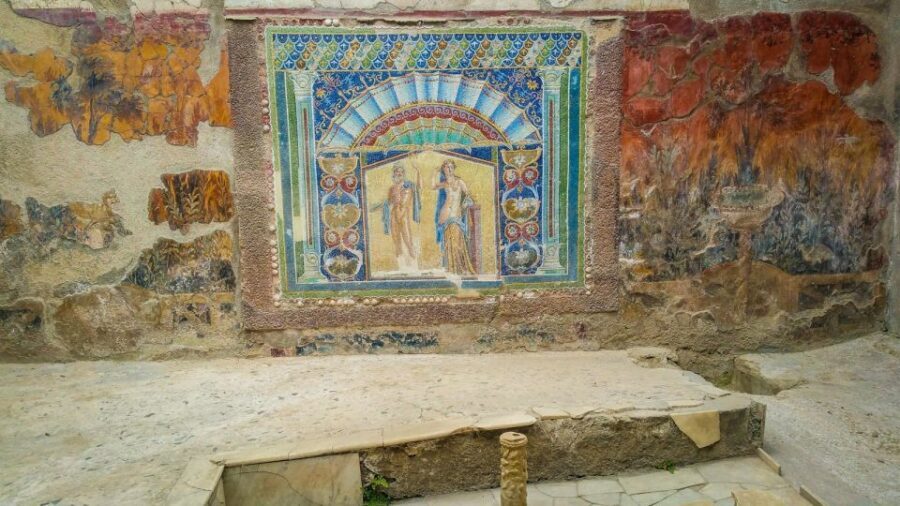
Then you’ll see the mosaics in the House of Neptune and Amphitrite. These are the kind of floor artworks that can make you stop walking for a minute. The designs weren’t just for beauty; they were part of how the home communicated status and sophistication.
What I like about including the Neptune and Amphitrite mosaics in a short private tour is that you get a strong “wow” without losing time. It’s a compact site, so a good guide can concentrate your attention where the restoration and preservation are strongest.
If you love art that’s tied to place, this stop will be a highlight. You’re not viewing a pattern in isolation. You’re seeing the floor in the context of a living space.
The Carbonized Food and Wine Containers: A Strange, Specific Detail
Right near those mosaic houses, you’ll also visit a neighboring store where food and wine containers are still visible on the walls. They were carbonized by the volcano and remain displayed in place.
This is a detail that can feel almost unbelievable at first. It turns the story of the eruption from abstract tragedy into something tangible: storage, trade, and daily routines frozen mid-function.
A good private guide helps you read the scene without sensationalizing it. You’ll come away thinking in terms of Roman supply chains—people didn’t just live in homes; they bought, stored, and served goods.
It’s one of those stops that adds texture to the whole visit. You’ll feel you saw more than “pretty ruins.” You’ll feel you saw infrastructure.
Grande Palestra (Big Gym): Archaeologist Mode, Volcanic Evidence, and Roman Training
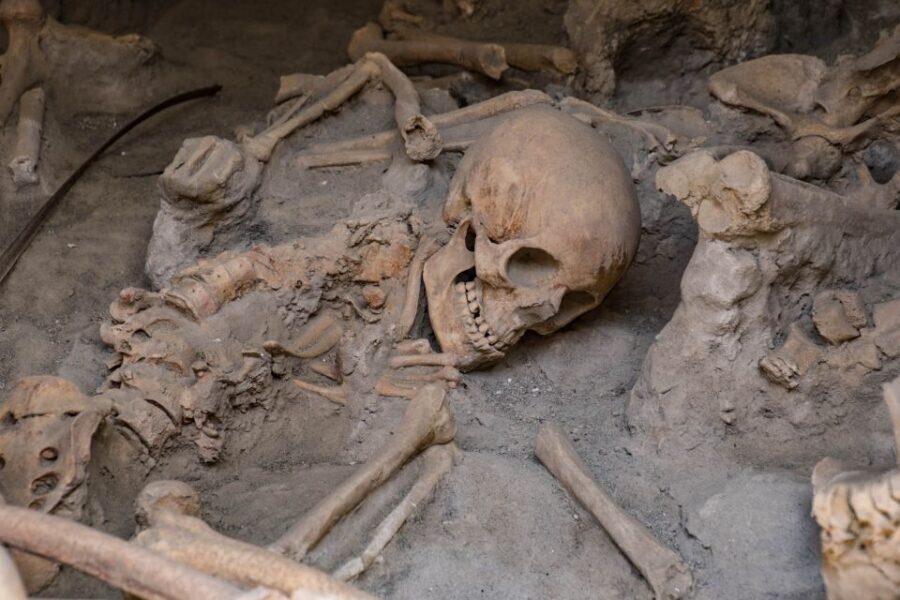
One of the most memorable parts of this tour is time spent at the Grande Palestra, also called the Big Gym. This is where you really get a sense of the volcanic evidence and how the layout of the city survives under all that ash.
In Roman culture, training spaces were not optional. Gyms were social centers, workout zones, and part of the rhythm of daily life. Seeing the Grande Palestra in Herculaneum gives you a vivid idea of how people used public buildings for both body and community.
The guide’s stories matter here. They connect architecture and “hard evidence” to how Romans likely moved, trained, and met others. You’re basically doing mini fieldwork with explanations guiding what to notice.
If you’re a “show me the why” person, this is where you’ll feel the tour earn its price.
The Ancient Spa: Saunas, Hot Rooms, Cold Tubs, and Mosaic Floors
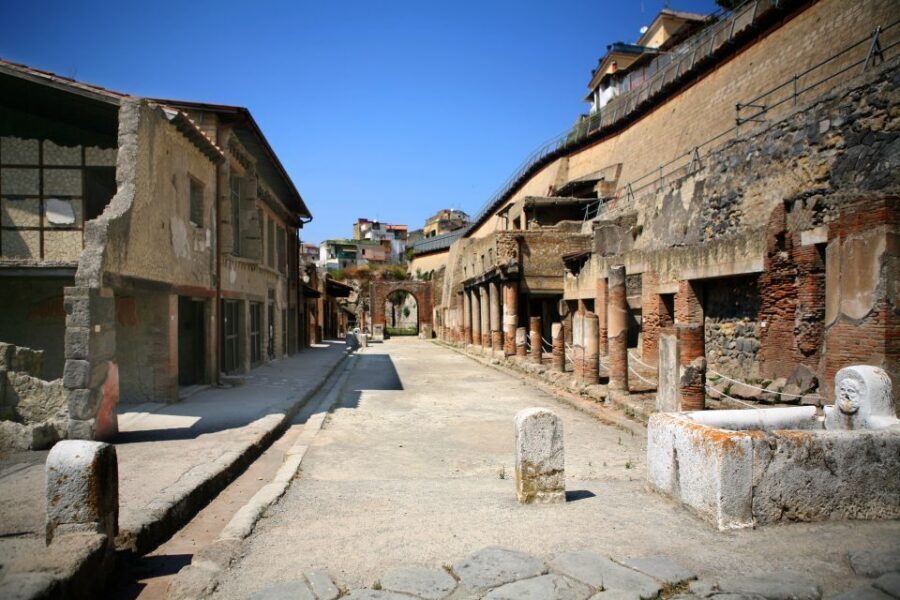
After the gym, you’ll go to the ancient spa area, still covered with mosaics from the Roman saunas, gyms, hot rooms, and cold tubs. It’s the kind of place where the rooms are laid out in a way that makes you understand the logic of Roman bathing.
What makes it special is that it’s not just one chamber. You’re seeing multiple temperature stages—hot to cold—and the mosaics help you visualize the experience even though the heat is long gone.
From a visitor standpoint, it’s also a great change of pace. After mosaics and art in homes, the spa is about movement through systems. You can almost map the day in your head: train, bathe, cool down, and socialize.
If you like travel that gives you a full sensory model of daily life, this stop will do that work in a short time.
Villa dei Cervi: The Big Finish of Luxurious Mosaics and Statues
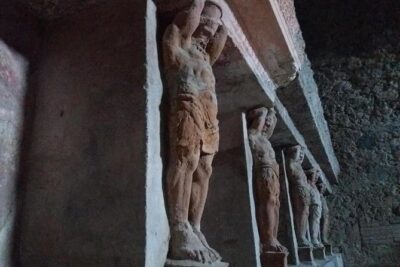
Finally, the tour rounds out at the Villa dei Cervi, which is described as the site’s most spectacular villa. Here you’ll see luxurious mosaics, frescoes, and statues.
This is the moment when the whole tour’s theme becomes crystal clear. Herculaneum wasn’t only homes and streets; it included wealth and display. The villa puts that on full view.
In a 2-hour private tour, your last stop needs to land with impact. Villa dei Cervi does. You’ll feel like you’re closing with the strongest “Roman lifestyle at the high end” picture—without turning the visit into an all-day marathon.
If you’re the kind of person who likes a tour finale that you can remember clearly days later, make sure you’re ready to linger a bit here. It’s the sort of place you’ll want a final look before your mind switches back to modern streets.
Price and Value: Is $167.66 Per Person Worth It?
At $167.66 per person for a 2-hour private tour, the price isn’t small. You should judge it based on what you gain: time, guidance, and the difference between seeing ruins and understanding ruins.
Here’s how I see the value:
- Private guide + admission included: you’re paying for interpretation plus entry, not just access.
- Skip the ticket line: in a 2-hour visit, saved time is real value.
- Compact route: because Herculaneum is compact, the tour can cover major spaces without long transit.
- High-impact stops in one run: mosaics, frescoes, a gym, a spa, the marina area, and the standout villa.
Where it can feel less worth it is if you’re expecting a slow, sprawling “see everything at your own pace” day. This is not that. It’s a focused run through major anchors of the buried city.
Also, it’s worth noting the tour may feel short if you’re paying a premium and hoping for extra time at each room. If you’re the type who wants to linger in every mosaic panel for 15 minutes, you’ll want to plan a separate self-guided visit afterward—or choose a longer format if one is available.
Who This Tour Fits Best (and Who Might Prefer Something Else)
I’d point this tour toward people who want a high-quality introduction to Herculaneum without the hassle of crowds and guesswork. It’s a strong fit if you:
- like Roman art and want mosaics and frescoes explained in context
- enjoy archaeological stories tied to what’s preserved (including volcanic evidence)
- want a route that prioritizes the most important spaces in a short window
- prefer private guidance so you can ask questions as you go
It may not be ideal if you:
- need wheelchair access or have mobility limitations (the tour is not suitable for wheelchair users and people with mobility impairments)
- want to bring large bags or luggage (not allowed)
- want a long, relaxed pace rather than a concentrated 2-hour experience
Should You Book This Private Tour of Herculaneum?
If you want the best odds of leaving Herculaneum feeling like you truly understood it, I think this is a good booking. You’ll hit the most memorable anchors—marina area skeletons, the House of the Albergo garden with its returned quince apple trees, Hercules frescoes at the Council Hall of the Augustali, mosaics in the House of Neptune and Amphitrite, the Grande Palestra, the Roman spa, and a finale at Villa dei Cervi.
Book it if your goal is clarity and impact in a short time. Skip it (or plan differently) if you need mobility support or you want a longer, unstructured wander.
One extra practical note: on the first Sunday of each month, entrance is free, but tickets can’t be reserved ahead of time, so entry isn’t guaranteed. If you want certainty, a guided tour is the safer way to make your schedule work.
FAQ
How long is the 2-Hour Private Tour of the Ruins of Herculaneum?
The tour lasts about 2 hours.
Where do we meet the guide?
You meet the guide at the only ticket office in Herculaneum Archaeological Park. The guide will hold a sign with your name.
What languages are offered?
The private guide is available in Spanish, English, French, and Italian.
What should I bring, and what can’t I bring?
Bring comfortable shoes. Luggage or large bags aren’t allowed.
Is the tour wheelchair accessible?
No. It isn’t suitable for wheelchair users or people with mobility impairments.
What’s special about the first Sunday of the month?
On the first Sunday of each month, entrance is free, but tickets can’t be reserved ahead of time, so entry isn’t guaranteed.
If you tell me your travel month and whether you’re pairing Herculaneum with Pompeii, I can suggest the best order and timing to keep your day smooth.