REVIEW · SORRENTO
Tour privato a Pozzuoli Bacoli
Book on Viator →Operated by Taxi tour Pozzuoli Bacoli · Bookable on Viator
Campi Flegrei in one tidy car ride. This private tour strings together some of the most cinematic corners of Pozzuoli and Bacoli, with Roman structures, volcanic landscapes, and the kind of history you can almost point at. I like the way it mixes big-stone landmarks (like the Flavian Amphitheater) with story-heavy stops tied to Cuma and Baia.
What I really like: you get a small, private group (up to 4) in an air-conditioned, comfort-forward vehicle, plus pickup can be arranged from places across Campania. You’ll spend your time walking around the sites, not wrestling schedules—there’s even a mobile ticket involved, so the day feels smoother than most add-on excursions.
One thing to consider: tickets for the main archaeological cluster are not included (you pay 7€ on site for the set of 4 places), and like many popular areas, parking can be a weak link. Keep valuables out of sight, and don’t leave anything in the car.
In This Review
- Key things to know before you go
- Why this Pozzuoli–Bacoli route works (and saves your time)
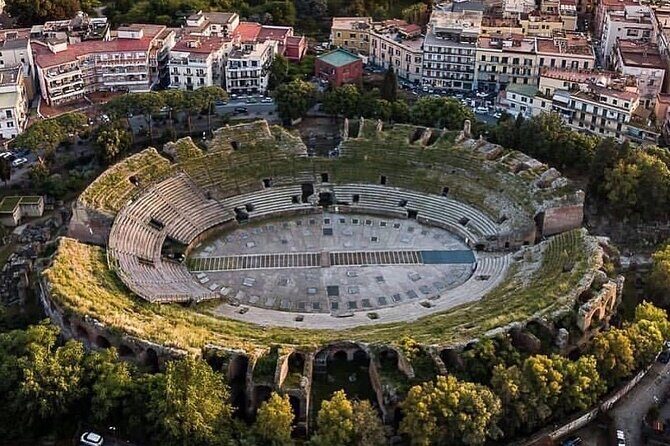
- The first stop: Flavian Amphitheater at Pozzuoli
- Cuma and Baia: the main archaeological story in one stop
- Acropolis of Cuma and the Temple of Apollo zone
- Baia: Alfonso d’Aragona’s castle and the panorama
- Roman baths and the layered park area
- Volcanic lakes: D’Averno, Fusaro, and Miseno
- Terme di Baia: using one entrance to cover multiple sites
- Castello Aragonese di Baia: a second angle on the same complex
- Piscina Mirabilis: the Roman cistern that still feels weirdly modern
- Lago d’Averno: quick photos, volcanic mood
- Price and value: what you’re paying for (and what you’re still paying)
- Logistics that make the day easier
- Pickup coverage
- Private group comfort
- Mobile ticket
- A note on parking and valuables
- Who this tour suits best
- The big picture: what you’ll actually take away
- Should you book this Pozzuoli–Bacoli private taxi tour?
- FAQ
- FAQ
- How long is the tour?
- What’s included in the price?
- Are admission tickets included?
- How many people can join?
- Where can pickup happen?
- When does this tour operate?
Key things to know before you go
- Private group up to 4 for a day that feels like yours, not a bus shuffle
- Pickup across Campania including hotels and ports in Naples, Salerno, and the Amalfi Coast area
- Cuma + Baia in one run: Apollo area, Sibyl Cave, Roman baths ruins, and viewpoints
- One 7€ ticket set for multiple sites (paid on the spot at the archaeological office)
- Two quick free photo stops at Piscina Mirabilis and Lago d’Averno
- Parking fees included, but still treat parking like it’s public—because it is
Why this Pozzuoli–Bacoli route works (and saves your time)
If you only have one half-day and you want Campi Flegrei to actually happen, this route makes sense. Instead of picking one site and staring at the rest from afar, you’re guided through a concentrated loop between Pozzuoli and Baia. The scenery alone helps: volcanic lakes, coastal light, and ruins that sit right in the real landscape—not in a museum case.
The pacing is the key. The stops aren’t rushed to the point of nonsense, and they’re short enough that you can still absorb what you’re seeing. You’re looking at Roman-era engineering, religious legends around Cuma, and the dramatic coastal setting of Baia—all in roughly five hours.
And you’ll appreciate the “less stress” part: an air-conditioned vehicle, parking fees handled, and pickup offered. That matters on the Campania coast, where getting around on your own can mean more time figuring out logistics than seeing sites.
You can also read our reviews of more tours and experiences in Sorrento.
- Sorrento Farm and Food Experience including Olive Oil, Limoncello, Wine tasting
★ 5.0 · 2,524 reviews


The first stop: Flavian Amphitheater at Pozzuoli
You start with the Anfiteatro Flavio di Pozzuoli, often described as a smaller sibling of the more famous Colosseum. The point here isn’t just the big name—it’s the feeling of Roman entertainment built into the landscape.
Expect about 30 minutes on site. That’s long enough to walk the perimeter, take in the structure, and get your bearings without turning the visit into a marathon. Admission isn’t included, so you’ll want to keep the paid ticket bundle in mind for the rest of the day.
Why it’s a good opener: it gives you a baseline for Roman architecture right away. When you move on to Cuma and Baia, you’ll notice patterns—construction style, scale, and how Romans used public spaces to control crowds and create spectacle.
A practical tip: wear shoes you can trust. This area is outdoors, and you’ll be moving on real ground, not gallery flooring.
Cuma and Baia: the main archaeological story in one stop
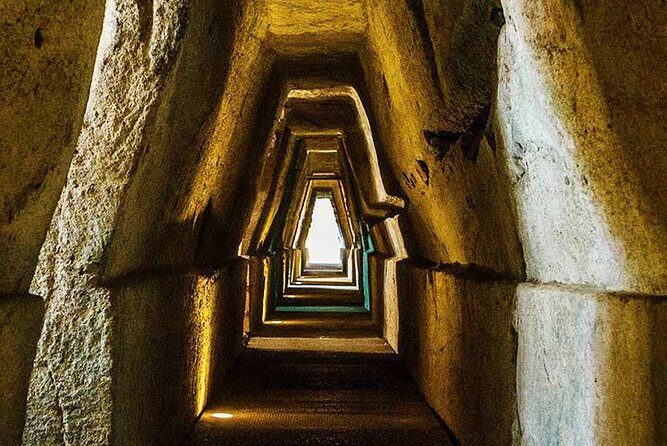
The heart of the tour is the Parco Archeologico di Cuma, with a planned sweep that covers more than one “wow” moment. You’re not just seeing ruins—you’re following a path that links legend, religion, and daily life in Roman times.
Acropolis of Cuma and the Temple of Apollo zone
You’ll see the remains tied to the Tempio di Apollo and the area around it. This is where the atmosphere starts to shift from “Roman stones” to “Roman stories.” You also visit the Grotta della Sibilla, connected to the legendary Sibyl—one of those cultural threads that makes Cuma feel different from a typical ruin stop.
Baia: Alfonso d’Aragona’s castle and the panorama
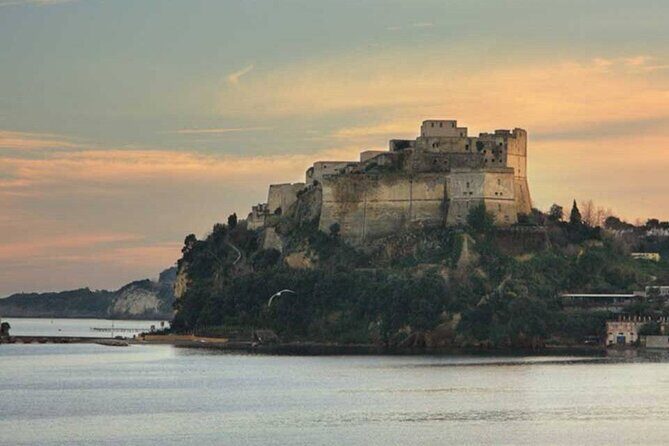
Then you move toward Baia, where the tour includes the Castello built by Alfonso d’Aragona. Today, that castle is tied to an archaeological museum, and you also get the chance to enjoy a viewpoint from the terrace.
This is the stop where photos tend to work really well because you’re higher up and looking out over coastline and air. If you’re the type who wants your pictures to feel like they came from the place—not from a parking lot—this terrace time is worth it.
- Sorrento Farm and Food Experience including Olive Oil, Limoncello, Wine tasting
★ 5.0 · 2,524 reviews


Roman baths and the layered park area
You’ll also cover the parco archeologico with the spectacular remains of Roman baths in the area. Baths weren’t just “places to get clean.” They were social centers, leisure zones, and places where people spent serious time.
Volcanic lakes: D’Averno, Fusaro, and Miseno
The tour also takes in views connected to the volcanic lakes—D’Averno, Fusaro, and Miseno. Even if you don’t go deep into interpretation at each lake, the landscapes do a lot of work. They show you how nature shaped human settlement here.
One practical note: the stop is listed at about one hour, so you’ll get a sampling. That’s not a drawback if your goal is “see the big things, not every last meter.” It’s perfect for a first visit and a great way to decide what you want to return to later.
Terme di Baia: using one entrance to cover multiple sites
After the Cuma/Baia sweep, you’ll spend time at the Parco Archeologico delle Terme di Baia. Here’s the value move: you can cover several related components with one entrance.
The tour data specifies that with a single ticket you can visit areas like:
- Castello di Baia
- Terme di Baia
- the amphitheater and related scavi di Cuma areas
The catch is important: this set costs 7€ total per person and is paid on the spot at the archaeological office. Admission isn’t included in the package price, so plan for that small extra cost as part of your day.
At about one hour, you’re likely to focus on the most readable features: the scale of the baths remains and the way the complex relates to the surrounding terrain. This is also where you’ll get a better sense of why Baia mattered to Romans: it wasn’t random ruins in a field. It was designed for comfort, gathering, and display.
Castello Aragonese di Baia: a second angle on the same complex
The itinerary also includes time at the Castello Aragonese di Baia Napoli. Inside the castle is an archaeological museum. The tour notes that with the same ticket you can visit four sites of the Campi Flegrei.
So what you’re really doing here is seeing the “inside” and the “outside” of the same story—castle + museum context + the broader archaeological footprint.
Expect about one hour for this stop. In practical terms, this is where you can slow down if the museum helps you connect the physical ruins to what you’re seeing. If you’re more “walk and look” than museum-reader, you can still benefit from the perspective this stop gives you.
Piscina Mirabilis: the Roman cistern that still feels weirdly modern
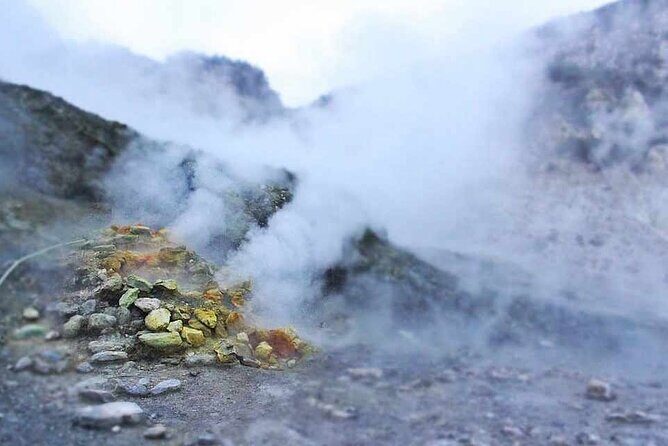
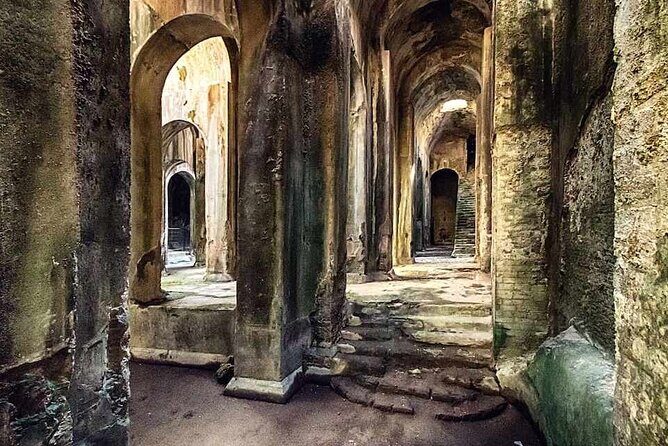
Next up: Piscina Mirabilis, a Roman cistern. It functioned as water storage for naval operations and villas of Romans—so yes, the Romans were thinking like logistics planners.
You’ll have around 20 minutes here. Admission is listed as free, which makes this a great payoff stop. It’s also the kind of structure that turns into a mental map later. After you’ve seen it, you’ll start noticing how Roman infrastructure made daily comfort possible.
What I like about this stop: it shifts your attention from “entertainment and baths” to the behind-the-scenes work—water, supplies, and engineering that made everything else possible. It’s the Roman version of making sure the lights stay on.
Lago d’Averno: quick photos, volcanic mood
Finally, you get a short stop at Lago d’Averno. The time is brief—about 5 minutes—and it’s listed as free.
This is the “glance and breathe” segment. It’s ideal if you want the volcanic-lake feeling without turning your afternoon into a long nature detour. Use the time for a couple photos, but also take a moment to look around at the setting. The Campi Flegrei landscape makes more sense once you’ve seen ruins sitting next to volcanic features.
Price and value: what you’re paying for (and what you’re still paying)
The tour price is $465.43 per group up to 4 people for about 5 hours. That means you’re paying for convenience and a private vehicle, not just entrances to ruins.
Here’s the real value math:
- You get air-conditioned transportation and parking fees included
- You get pickup options across Campania (including hotels and ports)
- You cover multiple major sites in a single half-day
What’s not included:
- Tickets for the 4 main places (7€ total per person), paid on site
- Lunch
So if you compare it to the cost of hiring transport yourself and piecing together entrance tickets and timing, this can feel like a bargain—especially for families or small groups. The “private taxi” format matters because it compresses travel time and reduces the chance that you miss one stop because of a connection problem.
My practical advice: budget for the 7€ per person and bring a light snack or plan your meal separately, since lunch isn’t included.
Logistics that make the day easier
A few practical details can make or break a day in this part of Italy, and this tour is built to reduce friction.
Pickup coverage
Pickup is described as available from every tourist port in Campania, from the client’s hotel, or other meeting points, including areas like Napoli, Salerno, and the Costiera Amalfitana. That flexibility is the difference between doing Campi Flegrei “on schedule” versus trying to coordinate everything yourself.
Private group comfort
You’re traveling in an air-conditioned vehicle with parking fees covered. Also, the provider frames the car choice as luxury with comfort. Even if you’re not a car-snob, the comfort matters after driving coastal roads and waiting for your group to gather.
Mobile ticket
A mobile ticket is included. In real life, that can save time and avoid last-minute “where did we put that paper?” stress.
A note on parking and valuables
One negative incident in the feedback involved a car parked near the site and theft of items from inside. The provider response emphasized that the event was outside the tour’s control—but I’d still treat this as a serious reminder: keep bags close or out of sight. Don’t assume the parking feels safe just because it’s convenient.
Who this tour suits best
This is a smart fit if:
- You want Campi Flegrei in one day without overplanning
- You’re traveling in a small group (up to 4) and want privacy
- You like your history tied to places with drama—coastline, volcano mood, and Roman engineering
It’s also good for first-time visitors to the area who want a fast, guided route through the biggest highlights. If you’re already deeply obsessed with Roman archaeology and want a slower pace with more time inside every museum room, you might prefer a longer or more specialized outing.
The big picture: what you’ll actually take away
By the end of the tour, you’ll have a connected mental map of the region:
- how Roman entertainment worked at Pozzuoli’s amphitheater
- how Cuma blends built ruins with legend (Apollo area and Sibyl Cave)
- why Baia became a Roman destination (baths + castle + museum context)
- how Roman engineering supported daily life at Piscina Mirabilis
- how volcanic landscapes frame the whole experience at Lago d’Averno
It’s the kind of route that makes you want to come back for a second pass—because once you’ve seen the main shapes of the story, you’ll start spotting what you want to learn more about.
Should you book this Pozzuoli–Bacoli private taxi tour?
Yes—if you value time, comfort, and a compact route through multiple major Campi Flegrei sites, this is a strong choice. The private format and pickup options help you spend less energy on logistics and more on seeing the places that define the area.
Just go in with two practical expectations: you’ll pay a 7€ per person ticket on site for the main cluster, and you should treat parking like a public setting. If you can manage those points, you’ll get a memorable half-day of Roman scale, Cuma legend, and volcanic scenery—without turning your schedule into a second job.
FAQ
FAQ
How long is the tour?
The tour lasts about 5 hours.
What’s included in the price?
The package includes an air-conditioned vehicle and parking fees, plus pickup offered and a mobile ticket.
Are admission tickets included?
Admission tickets for the main 4 places are not included. You pay 7€ total per person on site. Piscina Mirabilis and Lago d’Averno are listed as free.
How many people can join?
It’s a private tour for your group only, up to 4 people.
Where can pickup happen?
Pickup is offered from tourist ports in Campania, from the client’s hotel, or other meeting points in Naples, Salerno, and the Amalfi Coast area.
When does this tour operate?
The opening hours listed are Monday to Sunday from 9:00 AM to 1:00 PM.
You Might Also Enjoy
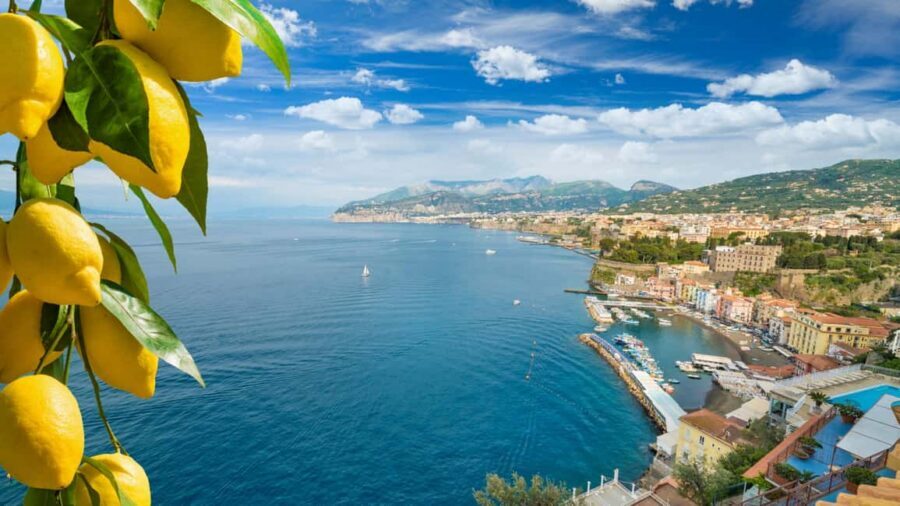
More Tours in Sorrento


More Tour Reviews in Sorrento
- Sorrento Farm and Food Experience including Olive Oil, Limoncello, Wine tasting
★ 5.0 · 2,524 reviews