REVIEW · SORRENTO
Sorrento: Pasta Making Class
Book on GetYourGuide →Operated by Sorrento Coast-Cooking School · Bookable on GetYourGuide
Fresh pasta starts with a great mood.
This Sorrento cooking class in the hills of Campania mixes real technique with an easygoing, at-home vibe. You’ll taste your way through the ingredients first, then roll up your sleeves for classic Neapolitan dishes, guided in English with plenty of help along the way.
What I like most is how hands-on it feels from start to finish. You’re not just watching: you prepare the eggplant parmigiana and make the pasta dough yourself for ravioli caprese filled with ricotta and mozzarella. The other big win is the meal at the end: you sit down to enjoy what you cooked, with local wine. One possible drawback is value for money: a few people felt it was a bit pricey and wished it cost less, so it’s best when you genuinely enjoy cooking and eating the results.
In This Review
- Key highlights worth planning for
- Where Sorrento’s hills shape the whole cooking mood
- The start: wine, olive oil, focaccia, and mozzarella prep
- Eggplant Parmigiana: the lesson that makes Neapolitan comfort food click
- Making fresh pasta dough for ravioli caprese
- The caprese filling: how to get ricotta and mozzarella right
- Lunch and wine: the point where it all makes sense
- Homemade tiramisu: the sweet finish that actually feels earned
- Instructor style and teaching quality: the Maria effect
- Price and value: what you’re really paying for
- Practical tips so you enjoy it more (and waste less time)
- Who should book this Sorrento pasta class
- Should you book? My straight answer
- FAQ
- How long is the Sorrento pasta making class?
- Where is the meeting point for the class?
- Is the class taught in English?
- Do you get a shuttle from Sorrento Centre?
- What dishes do you make during the class?
- What do you taste during the experience besides your meal?
- Is tiramisu included?
- Is the class wheelchair accessible?
- Is cancellation free?
- Can I reserve and pay later?
Key highlights worth planning for
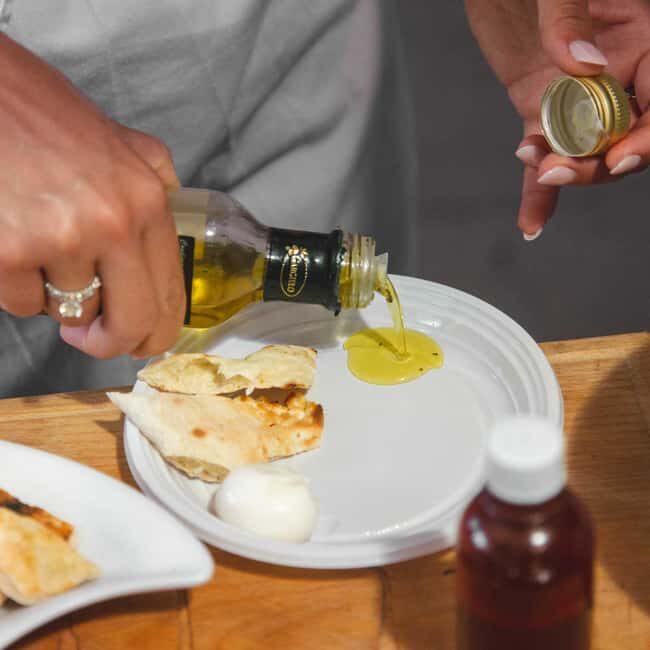
- Start with ingredient tastings like olive oil and mozzarella to set you up for the recipes
- Hands-on eggplant parmigiana where you learn the steps, not just the idea
- Fresh pasta dough making that leads into ravioli you can fill yourself
- A caprese-style ravioli filling using ricotta and mozzarella
- Lunch with local wine so the cooking payoff is part of the experience
- Homemade tiramisu as the sweet finish to the class
Where Sorrento’s hills shape the whole cooking mood
This class is based on the hills of Sorrento, where the air feels lighter and the day has a slower rhythm. It’s not a cramped kitchen behind a wall. The setup is built around a full sensory meal: good local products, Italian hospitality, and time to actually sit down and eat what you made.
Logistics are refreshingly simple. You meet at via Fuorimura 3 in Sorrento (coordinates: 40.62537384033203, 14.37596321105957) and then you can use the shuttle from the Sorrento Centre meeting point to get to the cooking location. That matters because in Sorrento, getting from A to B can be the annoying part—this removes it so you can focus on food.
The class runs 3 hours. That’s short enough to fit into a busy itinerary, but long enough to learn a couple of real techniques and finish with a full tasting/lunch moment.
You can also read our reviews of more cooking classes in Sorrento

The start: wine, olive oil, focaccia, and mozzarella prep
You don’t jump straight into dough. The beginning is about getting your palate ready and meeting the ingredients like an insider.
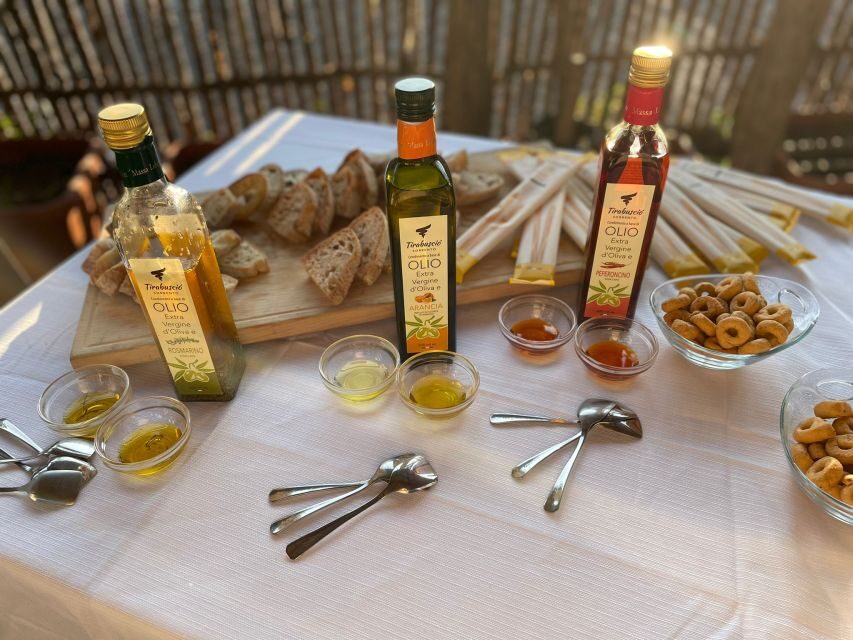
From what’s described, the session kicks off with a relaxed welcome including red wine, plus olive oil and focaccia. Then there’s a mozzarella-focused moment—often framed as a mozzarella-making demonstration—so you understand what makes the cheese taste the way it does. If you’ve had mozzarella in tourist settings, this kind of start helps you notice the difference in freshness and texture.
Even if you’ve never made anything at home, this “ingredient warm-up” is smart. When it’s time to build your own dishes—eggplant parmigiana and ravioli filling—you’re not guessing. You’re responding to flavor you already tasted.
Also, the instruction is in English, and the teaching style is practical. One review specifically called out Maria for careful guidance step by step. That’s what you want in a short class: someone who can help you fix the moment you’re stuck rather than waiting until the end.
Eggplant Parmigiana: the lesson that makes Neapolitan comfort food click
Eggplant parmigiana sounds simple until you’re standing there trying to do it. This class treats it like a teachable process.
You’ll learn to prepare a classic eggplant parmigiana using local products. The value here isn’t only the final pan of food—it’s the habits you pick up while making it. Eggplant-based dishes are all about timing and texture, so you learn how to handle the eggplant so it supports the sauce and doesn’t turn watery or flat.
What you’ll likely appreciate most is the structure. You’re guided through what to do first, what to watch for, and when to step in with help. In short sessions, that kind of coaching prevents the most common beginner failures: uneven results, sauce that doesn’t set the way it should, or ingredients prepared in the wrong order.
This is also a dish that “translates” to home cooking. If you want to impress family later, parmigiana is a great one to master. It’s familiar enough to serve proudly and detailed enough that your friends will think you worked hard.
Making fresh pasta dough for ravioli caprese
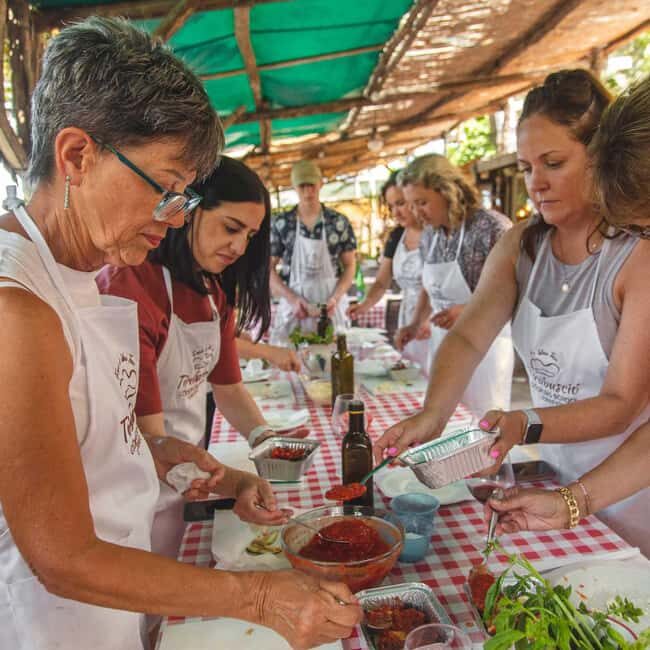
The heart of the experience is making fresh pasta by hand. This is where the class earns its keep.
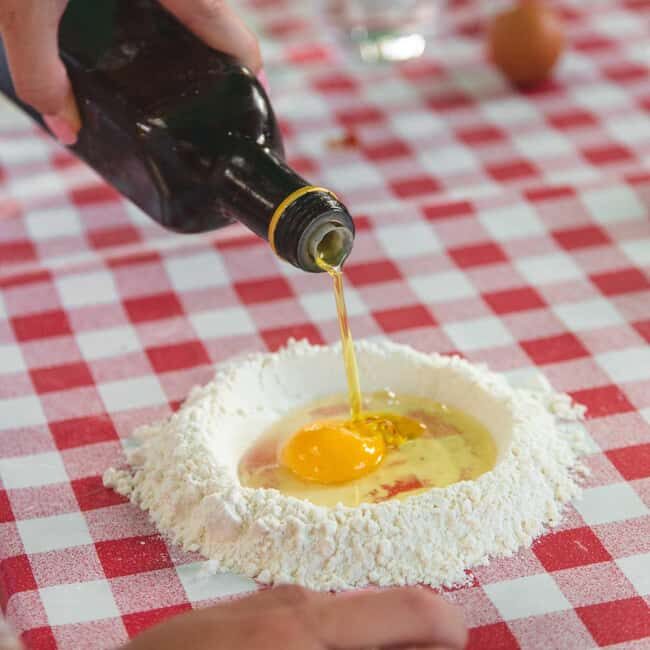
You’ll prepare homemade pasta dough yourself, then use it to make ravioli caprese. The filling is key: ricotta and mozzarella. That matters because a caprese-style filling isn’t just about cheese—it’s about balance. Ricotta brings softness; mozzarella brings stretch and flavor.
There are two practical lessons baked into this part. First, you learn how dough feels and behaves. Second, you learn the workflow for shaping ravioli so they actually cook well.
One of the most praised aspects is that you get to eat what you make, rather than feeling like your pasta got swept into a communal pile. That difference changes the whole experience. It’s more personal, and you get a real sense of how your technique affected the final taste.
If you’ve ever tried making pasta at home and ended up with dough that’s too thick, too thin, or frustrating to handle, a class like this gives you a faster route to the right feel.
The caprese filling: how to get ricotta and mozzarella right
The ravioli filling is the flavor payoff that keeps showing up in the final meal. Even though the filling ingredients sound straightforward, the results come down to texture and portioning.
With ricotta and mozzarella, you’re working with two different personalities: one creamy and mild, one richer and more elastic. The instructor’s role is to keep you from overcomplicating it. In a good class, you’re not handed a list of “rules.” You’re shown what the filling should look like and how to assemble it so the ravioli closes properly.
This is also where the earlier tasting moments help. Since you’ve already had mozzarella and olive oil experience at the start, the filling doesn’t feel like a blind ingredient swap. You taste and connect the dots.
And since you’re making ravioli as part of a short, guided 3-hour session, you’re learning the practical “why.” If something is too wet, it affects sealing. If it’s too dry, it affects richness. That’s the kind of hands-on feedback you can’t get from a recipe alone.
You can also read our reviews of more tours and experiences in Sorrento


Lunch and wine: the point where it all makes sense
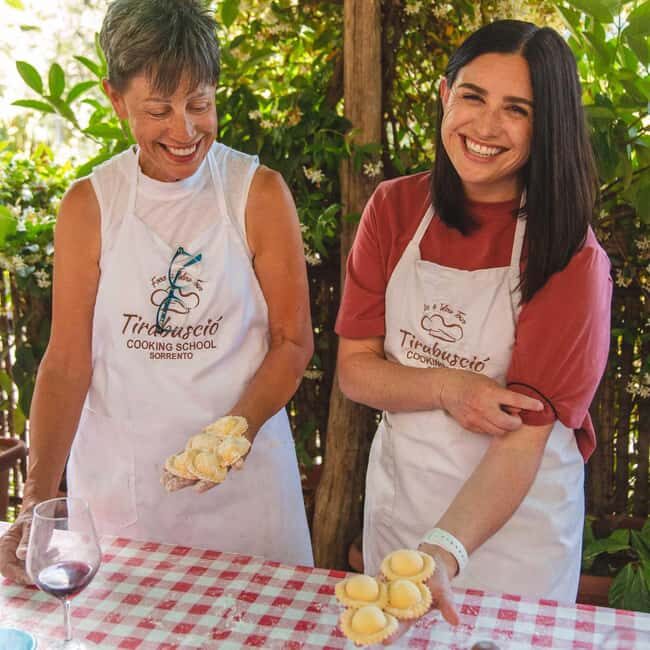
The best cooking classes don’t end when the cooking ends. This one builds in time to eat what you prepared.
You’ll enjoy the lunch you’ve made, accompanied by good local wine. That’s more than a perk. Eating your own food right away turns the day into a feedback loop. You remember how the dough worked, how the eggplant tasted as it cooked, and how the filling held together.
Wine also helps you notice flavor balance. Tomato-based or cheese-heavy dishes can feel heavy if you’re not paying attention. A few sips of local wine can make the meal feel cleaner and more layered, helping you understand how Neapolitan cooking balances richness with acidity.
One review also highlighted that the class experience felt interactive and fun, which matches the structure: cooking, tasting, eating. You’re not trapped in a lecture. You’re part of the process.
Homemade tiramisu: the sweet finish that actually feels earned
After the savory work, you close with homemade tiramisu. That’s a strong ending choice because tiramisu is forgiving in the sense that you’re enjoying the finished result, not performing a complicated “final technique” at the last second.
It’s also a satisfying bridge between the cheese-forward dishes and dessert. You already handled dairy ingredients throughout the meal, so the tiramisu feels like a natural continuation rather than a random afterthought.
The best part of this kind of finale is pacing. You finish while you’re still warm from the day’s work, not rushing out to catch something else. It leaves you with a complete memory: ingredients, hands-on skills, a meal, then dessert.
Instructor style and teaching quality: the Maria effect
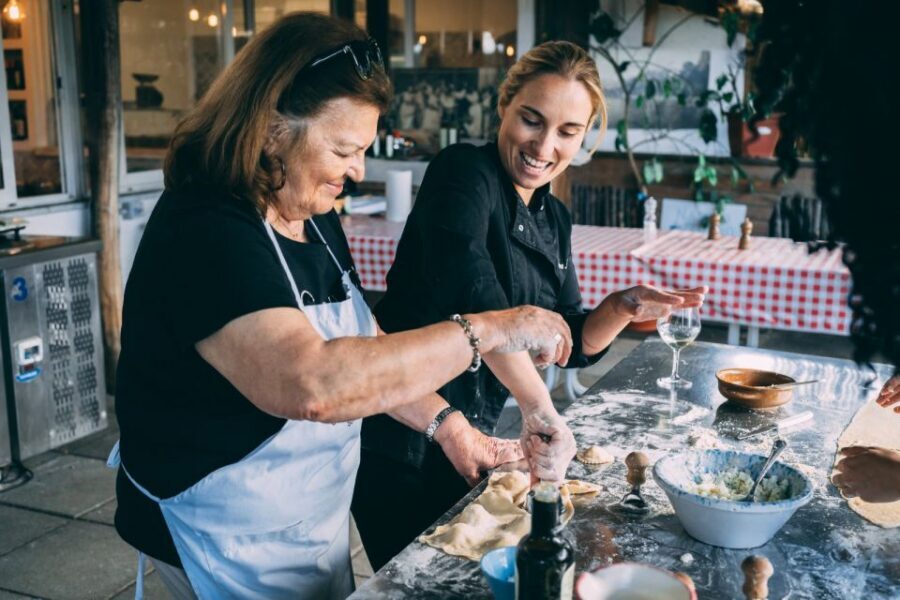
In short classes, the teacher can make or break the experience. Here, the instruction is in English, and guidance is described as friendly and careful.
One review singled out Maria, praising how she guided participants through each step and helped where needed. That matters because pasta and parmigiana are not “one-size-fits-all” tasks. If your dough feels off, or your assembly is uneven, you need someone to point you toward the fix while you’re still in the process.
So if you like structured help—clear steps, quick corrections, and a supportive pace—this class fits that style.
Price and value: what you’re really paying for
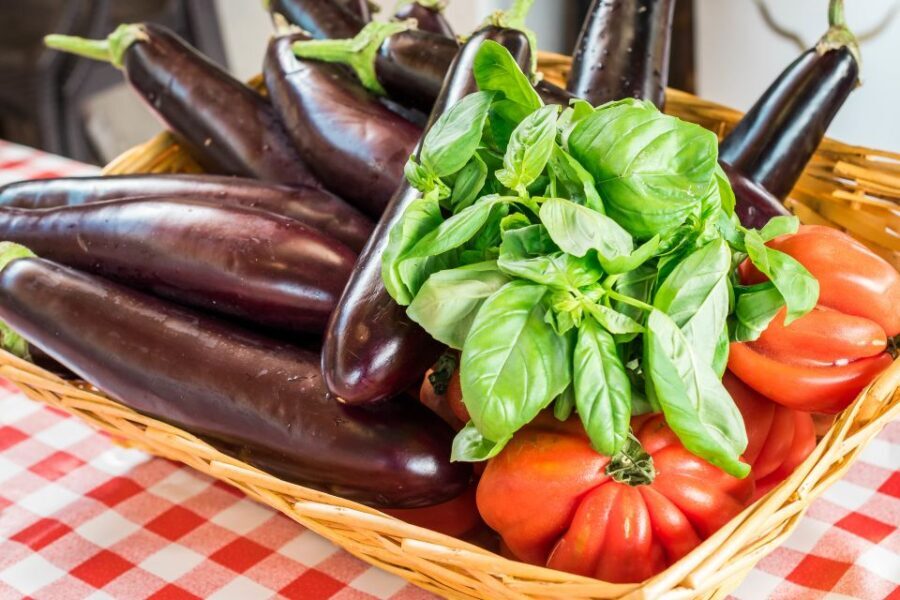
No one can see your budget, but here’s the value logic to use.
You’re paying for three things at once:
- Hands-on cooking time (eggplant parmigiana and fresh pasta/ravioli)
- A sit-down payoff meal with local wine
- A full dessert finish with homemade tiramisu
That bundled experience is why some people call it worth every penny. When you’re actively making and then eating your own work, you’re not just buying a ticket—you’re buying a complete food moment.
At the same time, it’s a 3-hour class, so you’re not getting a huge multi-course day. And since a few people wish it was a little cheaper, you should be honest with yourself: if you’re only looking for a quick snack and a photo, this might feel steep. If you genuinely want the skill and the meal, it tends to feel fair.
Practical tips so you enjoy it more (and waste less time)
Since the class is cooking-heavy, show up ready to focus on food and hands.
I’d plan on comfy clothes you can move in and an attitude that says mistakes are part of learning. Pasta dough can be temperamental at first. Eggplant parmigiana can be messy. That’s normal.
Also, treat the beginning tastings as part of the curriculum. The olive oil and mozzarella tasting isn’t just an intro snack. It sets expectations for flavor, especially for the ravioli filling.
Bring a little curiosity. Even if you’ve made pasta once before, you’ll likely learn a workflow adjustment—how to pace yourself, how to assemble ravioli, and how to aim for a finished result that’s meant to be eaten right then.
Finally, arrive at the meeting point on time: via Fuorimura 3. If you use the shuttle, the timing still matters because the cooking plan is tight for a 3-hour session.
Who should book this Sorrento pasta class
This experience is a great match if you:
- Want a hands-on Sorrento food activity rather than a passive tour
- Like classic Neapolitan cooking—eggplant parmigiana, ravioli caprese, tiramisu
- Enjoy eating as part of the lesson, with local wine
- Prefer instruction in English with step-by-step help
It may be less ideal if you:
- Only want a quick, low-effort experience
- Are extremely price-sensitive, since some people felt it should be cheaper
- Expect a very long day (it’s 3 hours)
Should you book? My straight answer
If you want something that feels authentically Italian, tastes like Campania, and gives you a real chance to cook—not just watch—then yes, I’d book it. The standout strength is that you learn multiple dishes and then eat the results, including the sweet finish.
The only real “pause” is value. This isn’t a free demo class. If you’re excited about cooking and want a meal that you helped create, the time and structure make sense. If you’re lukewarm about cooking skills and just want a taste, you might want to compare alternatives.
FAQ
How long is the Sorrento pasta making class?
The duration is 3 hours.
Where is the meeting point for the class?
The meeting point is via Fuorimura 3, Sorrento. Coordinates are 40.62537384033203, 14.37596321105957.
Is the class taught in English?
Yes. The instructor language is English.
Do you get a shuttle from Sorrento Centre?
Yes. The experience offers a shuttle that can pick you up from the Sorrento Centre meeting point.
What dishes do you make during the class?
You prepare eggplant parmigiana and make fresh pasta to prepare ravioli caprese with a filling made from ricotta and mozzarella.
What do you taste during the experience besides your meal?
The experience includes tastings such as olive oil and mozzarella. It also includes local wine with lunch.
Is tiramisu included?
Yes. At the end, you taste homemade tiramisu.
Is the class wheelchair accessible?
Yes, it is listed as wheelchair accessible.
Is cancellation free?
Cancellation is free up to 24 hours in advance for a full refund.
Can I reserve and pay later?
Yes. You can reserve now and pay later.
You Might Also Enjoy




More Workshops & Classes in Sorrento
More Cooking Classes in Sorrento

More Tour Reviews in Sorrento
- Sorrento Farm and Food Experience including Olive Oil, Limoncello, Wine tasting
★ 5.0 · 2,524 reviews