REVIEW · POZZUOLI
Private car tour among the treasures of the Campi Flegrei in Naples
Book on GetYourGuide →Operated by Sibilla Tour 2023 · Bookable on GetYourGuide
Campi Flegrei feels worlds away from Pompeii.
On a private car tour, you zip between Baia, Cuma, Pozzuoli and Monte di Procida with a guide who keeps things friendly and adjusts if you ask for extra stops or better photo spots. I also love the volcanic scenery—Lakes Miseno, Lucrino, Fusaro and D’Averno make the whole area feel like a living chapter of nature and myth. One consideration: site tickets can add up depending on the day, so don’t assume everything is included.
You can pick a morning drive, an evening drive, or a 3-hour walk-and-food option from Fusaro Cumana. Guides explain what you’re seeing in English, Spanish, French and Italian, and the route is built for a small private group—not a long cattle-car schedule.
In This Review
- Key things to know before you go
- Why Campi Flegrei is worth your time (even if you’ve seen Naples already)
- Morning by car: Baia, Cuma area, and the Roman-temple hits
- Aragonese Castle of Baia and the museum setting
- Thermal Baia and the Roman “vacation” vibe
- Cuma area: the jump from coast to ancient ruins
- Casina Vanvitelliana, then the Venus and Diana temples
- Tickets on most days: plan for the €10 cumulative pass
- Evening by car: Pozzuoli and Bacoli at night (with lake and port views)
- Bourbon Park and the Casina Vanvitelliana on Fusaro’s volcanic lake
- Temples under night skies
- Rione Terra and the old-town feel of Pozzuoli
- Mount Procida panorama: Capri, Ischia, Procida in one viewpoint
- Volcanic lakes and Capo Miseno
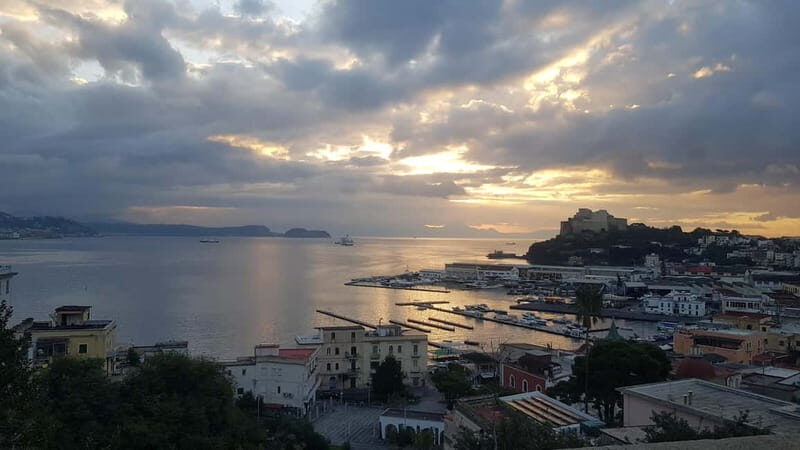
- Ports of Pozzuoli and Baia (plus the sunken-city option)
- Evening admissions: usually free (check the day, but this is a big plus)
- Walk and food (3 hours from Fusaro Cumana): Bourbon Park, temples, and VR
- Breakfast with coffee or a Neapolitan sweet
- Bourbon Park and Casina Vanvitelliana details
- Columbarium: a Roman necropolis stop
- Baths of Baia park (Roman emperors’ summer retreat)
- Port of Baia + Temple of Diana and Temple of Venus
- Lunch snack: typical Neapolitan pizza
- BaiaExperience VR: a short 3D tour of the submerged city
- Ticket rules and the real cost of “free entrance”
- Morning by car: ticket rules depend on the day
- Evening by car: admissions are generally free
- Museum timing: Monday closure detail
- Walk and food: the Baths of Baia ticket is extra
- Optional sunken city 3D add-on
- Pickup, private group sizing, and how to make it smooth
- One small caution: walking comfort
- Who should book (and who should skip)
- Should you book this Campi Flegrei private tour?
- FAQ
- What tours are available (morning, evening, or walk)?
- When do the morning car tours run?
- When does the evening car tour run?
- Where does pickup happen?
- What sites are included on the morning car tour?
- Are site entrances included in the tour price?
- How much is the optional sunken-city 3D experience?
- What’s included on the walk and food tour?
- How long is the walk and food tour?
- Is the tour refundable if plans change?
Key things to know before you go
- Private, flexible route: meeting points can be Bacoli, Pozzuoli, Phlegraean Fields, or Monte di Procida.
- Morning and evening options: Saturday and Sunday by car, plus a separate walk-and-food tour Thursday to Sunday.
- Big views without big crowds: panoramic stops over Monte Procida and across the islands area.
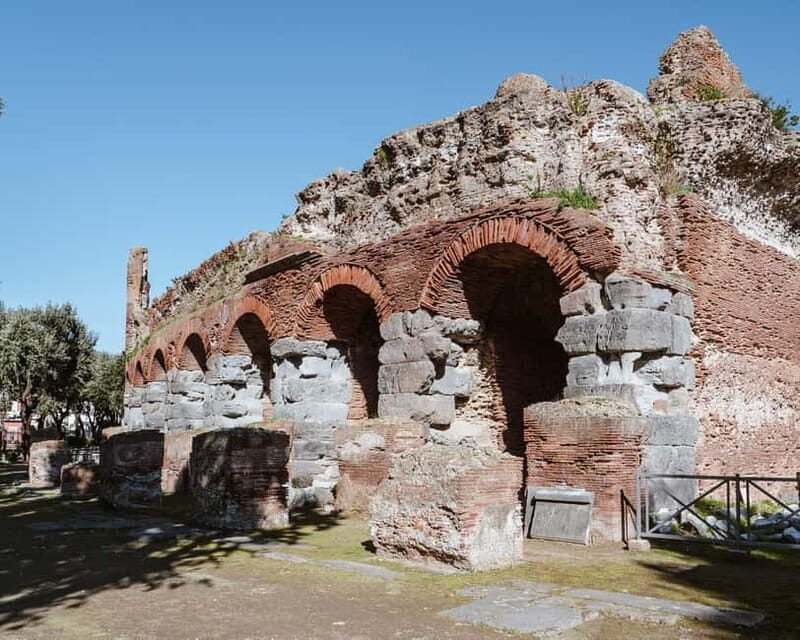
- Roman sites + volcanic lakes: Baia ports, temples, and the crater-lakes of Campi Flegrei side by side.
- Tickets depend on the calendar: free on the first Sunday of the month; otherwise a cumulative pass applies for many sites.
- Optional 3D sunken-city VR: a short add-on for the submerged Baths of Baia experience.
Why Campi Flegrei is worth your time (even if you’ve seen Naples already)
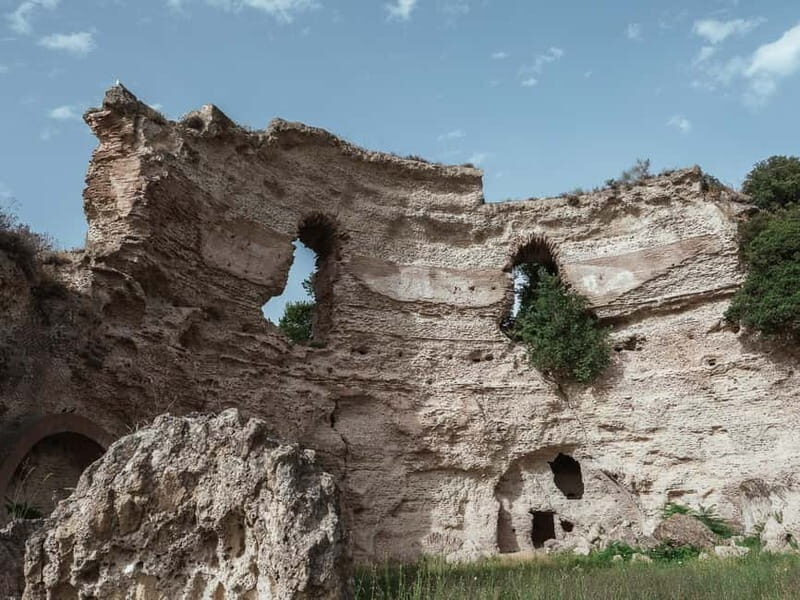
Campi Flegrei is one of those places where Naples’ “nearby” reputation doesn’t do it justice. You’re in a volcanic zone with crater lakes, cliffs, and bays that look straight out of a postcard—then, suddenly, you’re standing near Roman remains that feel just as real as anything else in southern Italy.
The tour format matters here. Instead of trying to piece together buses, ferries, and parking, you get a private car and an actual plan. That means you can spend your energy on the scenery and the sites, not on transit math.
And the guide approach is practical. One review highlighted a guide named Antonio for being especially kind and flexible—exactly the kind of person who can help you time viewpoints for the light and fit in what you care about. It’s not just sightseeing; it’s learning without a lecture vibe.
You can also read our reviews of more tours and experiences in Pozzuoli.
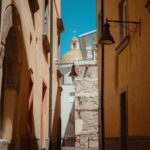
Morning by car: Baia, Cuma area, and the Roman-temple hits
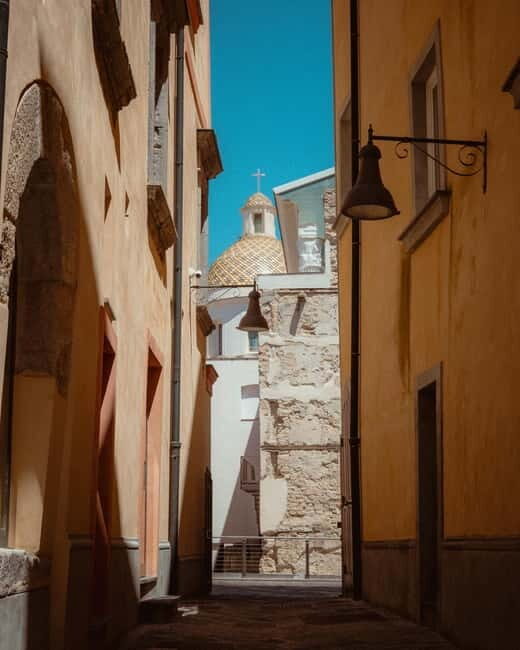
If you want the clearest daytime look, the morning car tours are the sweet spot. They run on Saturday and Sunday, with departures around 8:30 a.m. and 12:30 p.m. (ending roughly at 12:15 or 4:30). The schedule is flexible, and the meeting point can be at Pozzuoli subway, Fusaro, Pozzuoli Cumana, or your accommodation in the Flegrea area (Pozzuoli, Bacoli, Monte di Procida).
What you’ll see is the core Campi Flegrei story: Roman power, Greek-and-Roman myth, and the coast that made the whole area strategically important.
Aragonese Castle of Baia and the museum setting
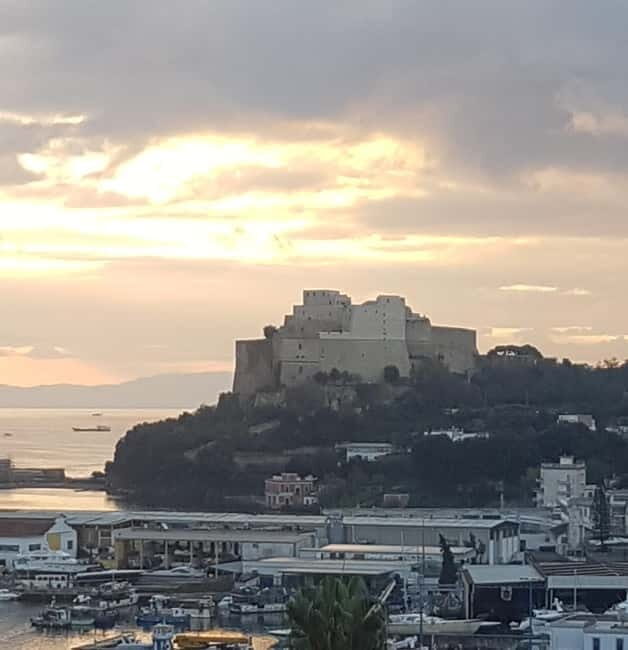
One of the first major stops is the Aragonese Castle of Baia, which houses the Archaeological Museum of the Phlegraean Fields. Even if you’re not a museum person, castles help you get your bearings. You’re looking at the layers—fortification on top of ancient importance—so the coast makes sense in one glance.
Thermal Baia and the Roman “vacation” vibe
Baia is famous for its thermal complex, and this tour aims straight at that idea: Romans came here for leisure as much as for politics. You’re not just collecting facts; you’re putting together why emperors and high aristocracy would care about this place.
Cuma area: the jump from coast to ancient ruins
The Excavations of Cuma are part of the morning drive. Cuma matters because it’s not just “another ruin.” You’re stepping into a site tied to myth and early Greek/Roman presence, and the route connects that historical weight to the surrounding volcanic terrain.
Casina Vanvitelliana, then the Venus and Diana temples
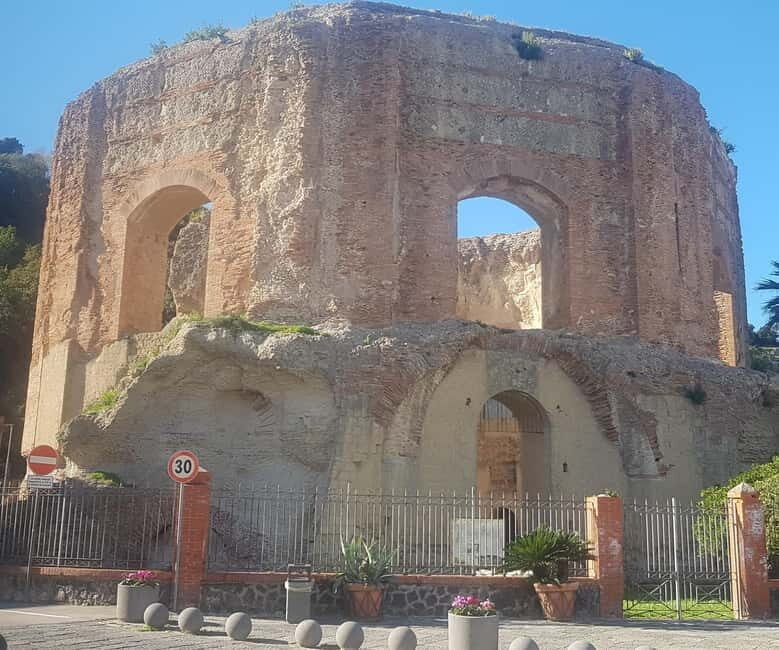
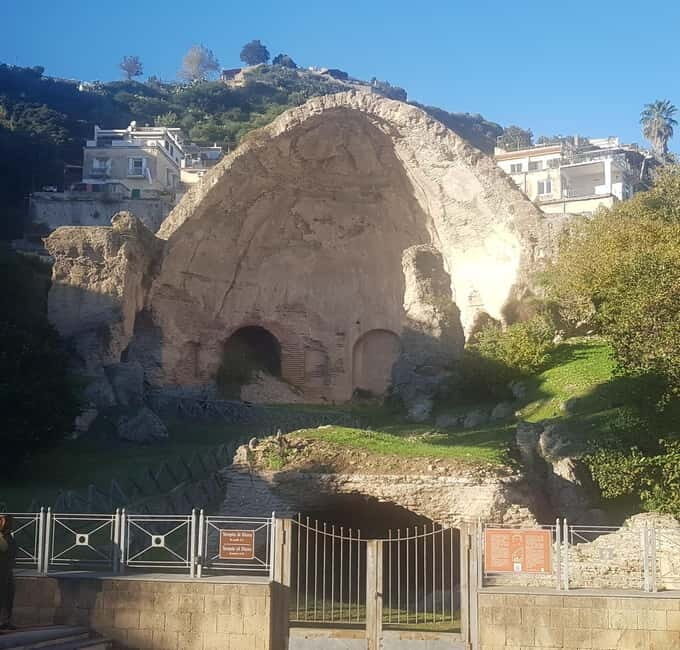
You’ll also reach the Casina Vanvitelliana within the Bourbon Park, plus the Roman temple pair: Temple of Venus and Temple of Diana. The temples are compact but powerful. Stand close enough and you start to feel how Romans built for both ritual and spectacle.
Tickets on most days: plan for the €10 cumulative pass
Morning admissions can cost extra. The information you should rely on is simple:
- First Sunday of the month: sites are free
- Other days: a cumulative ticket (~€10) covers entry to all sites
- EU citizens ages 18–25: reduced cumulative price ~€5
- Minors: free
So, the “value math” works like this: you’re paying a fair per-person tour price for the private driving and multilingual guiding, and you’re then adding the day’s site fees.
Evening by car: Pozzuoli and Bacoli at night (with lake and port views)
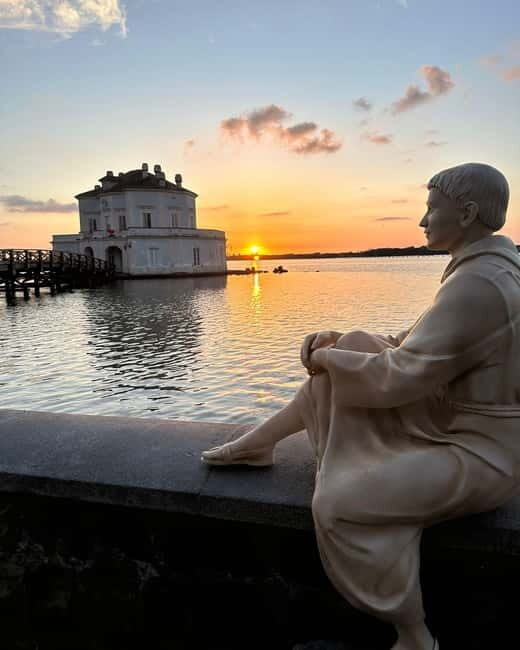
If you like atmosphere, the evening drive is the crowd-pleaser. It starts around 5:30 p.m. and runs until about 9:00 p.m. (the schedule is flexible). Another detail to hold onto: it can start around 18:00 and finish around 21:30.
The evening itinerary is designed for changing light. You get:
- dramatic views over the bay
- temples lit by night ambience
- crater-lake scenery
- port areas that feel connected to the sunken-city legends
Bourbon Park and the Casina Vanvitelliana on Fusaro’s volcanic lake
A highlight is the Bourbon Park, with the Casina Vanvitelliana sitting above the volcanic lake of Fusaro. This is the kind of setting where the car ride feels like part of the experience—turning corners to reveal the water and sky.
Temples under night skies
You’ll visit several temple sites at night, including:
- Temple of Diana
- Temple of Venus
- Temple of Serapis
- and the Aragonese Castle of Baia area, plus the archaeology museum in some cases
One practical note: the Archaeological Museum of the Phlegraean Fields is closed on Mondays, and then there’s an extra €5 per person cost. If you’re choosing a date, that matters.
Rione Terra and the old-town feel of Pozzuoli
Rione Terra is included for evening viewing. This is where you get that “historic Naples edge,” but with an extra layer—Roman-era forms in a place that still feels lived in.
Mount Procida panorama: Capri, Ischia, Procida in one viewpoint
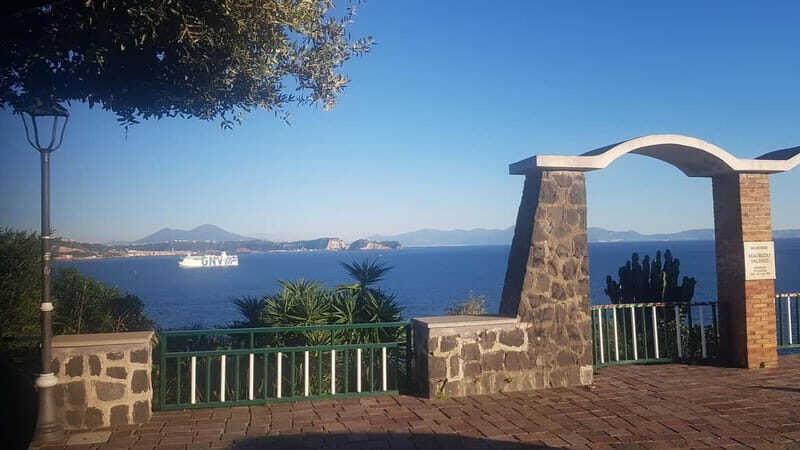
A major payoff is the panoramic view from the area of Monte di Procida, where you can see Capri, Ischia and Procida. Even if the islands are partly hidden by haze, the viewpoint still does its job: it anchors you in geography. And geography makes history stick.
Volcanic lakes and Capo Miseno
You’ll also see Capo Miseno and the volcanic lakes: Lake Miseno, Lucrino, Fusaro and D’Averno. These aren’t just named for fun—they explain the shape of the coast, the ports’ importance, and why the area has such a strong sense of myth.
Ports of Pozzuoli and Baia (plus the sunken-city option)
The evening drive includes visits to the ancient ports of Pozzuoli and Baia. Baia is especially known for the sunken city area. There’s an optional add-on: the archaeological park experience of the sunken city of Baia can be seen in 3D by reservation, costing €14 per person for about 25 minutes.
One good reason to consider this add-on: it bridges the gap between “ruins you can touch” and “an underwater city you can’t.” If you like stories with visuals, it helps.
Evening admissions: usually free (check the day, but this is a big plus)
Evening touring is positioned as site-free in general: admissions on the evening tour are free. That makes it one of the better deals if you’re trying to control your total budget.
Walk and food (3 hours from Fusaro Cumana): Bourbon Park, temples, and VR
This is a different style of experience. It’s a 3-hour walk and food tour starting at 9:00 a.m. (flexible timing), available Thursday to Sunday.
Pickup and return are very clear: you start and finish at the Fusaro Cumana railway station.
Breakfast with coffee or a Neapolitan sweet
The day begins with breakfast: coffee and a croissant or a typical Neapolitan sweet. It’s a small thing, but it changes the vibe. You’re not just rushing between stops; you’re starting calmly.
Bourbon Park and Casina Vanvitelliana details
You’ll spend time at Bourbon Park, built in 1782 by the same architects behind the Royal Palace of Caserta. Then it’s on to the Casina Vanvitelliana, again tied to the volcanic lake setting of Fusaro.
Columbarium: a Roman necropolis stop
A standout included stop is the Columbarium, a Roman necropolis reserved for the burial of the dead. It’s the kind of site that’s easy to miss if you only do “big” attractions, and it adds a human scale to the Roman world.
Baths of Baia park (Roman emperors’ summer retreat)
You’ll visit the Archaeological Park of the Baths of Baia, described here as a summer seat for Roman emperors and high aristocracy. The ticket for this part is €5.00 per person (not included).
If you’re the type who likes understanding why wealthy people went somewhere, this stop lands well. It’s not just the ruins—it’s the idea of lifestyle and power.
Port of Baia + Temple of Diana and Temple of Venus
Then you move to the ancient port of Baia, plus the Temple of Diana and Temple of Venus—two Roman structures that work well both for photos and for learning how the Romans used space.
Lunch snack: typical Neapolitan pizza
For food, you get a snack of typical Neapolitan pizza. This is not a formal lunch, but it keeps the walk-and-sight pace realistic.
BaiaExperience VR: a short 3D tour of the submerged city
The walk tour includes BaiaExperience, a virtual reality stop that lets you see a 3D reconstruction of the sunken city of Baia, especially the submerged Baths at Punta dell’Epitaffio in Baia. It lasts 25 minutes and has audio guidance in Italian or English. Reservations are typically for 1 to a maximum of 8 people.
If you’re worried VR will feel gimmicky, think of it as a storytelling tool. You’re looking at a place that’s literally underwater, and VR helps you picture what was there.
Ticket rules and the real cost of “free entrance”
Here’s the part that can quietly surprise you, so I’m spelling it out.
Morning by car: ticket rules depend on the day
Morning tours include the main sites, but admission is not always free. You’ll pay based on when you go:
- First Sunday of the month: admissions are free
- Other days: you’ll buy a cumulative ticket (~€10) for entry across the sites
- EU 18–25: reduced cumulative ticket (~€5)
- Minors: free
This makes your planning easier: pick the day first if budget matters, then decide morning vs evening.
Evening by car: admissions are generally free
For evening tours, the sites are described as free. That’s a real advantage if you want to keep total costs predictable.
Museum timing: Monday closure detail
If your date includes Monday, remember the Archaeological Museum of the Phlegraean Fields can be closed, and then there’s an extra €5 cost per person. If Monday is on your calendar, you’ll want to confirm which stops are adjusted.
Walk and food: the Baths of Baia ticket is extra
On the walk-and-food tour, the Baths of Baia park ticket is €5.00 (not included). Everything else listed for the walk is part of the experience with the food and VR elements.
Optional sunken city 3D add-on
On the car-based evening route (and also as part of your overall Baia interest), there’s an optional 3D sunken city experience at €14 per person for 25 minutes. It’s separate and needs reservation.
Pickup, private group sizing, and how to make it smooth
This is a private group, which is a big deal in Campi Flegrei. The roads, viewpoints, and timing rewards don’t always line up with public transport.
You’ll get pickup at:
- Pozzuoli subway station or Fusaro/Pozzuoli Cumana station
- hotels in the Flegrea area (Pozzuoli, Bacoli, Monte di Procida)
- and meeting options mapped to Bacoli, Pozzuoli, Phlegraean Fields, Monte di Procida
The driver also explains the sites in English, Spanish, French and Italian, so you’re not stuck guessing.
A smart move for your first day in the area: tell your driver what you care about. If you want views, ask for photo stops. If you want archaeology connections, ask for extra context. The whole setup is built to be flexible on schedules and meeting points, and that flexibility is repeatedly emphasized.
One small caution: walking comfort
The experience is not suitable for wheelchair users. Even with a car tour, you’ll be stepping around viewpoints and site entrances.
And for any morning or walk option, bring comfortable shoes—you’ll want to move without thinking about your feet.
Who should book (and who should skip)
This tour works best if you want:
- a private way to explore Campi Flegrei without transit stress
- a mix of Roman sites and volcanic scenery
- English/Spanish/French/Italian narration that actually explains what you’re seeing
- flexibility if you care about extra viewpoints, or if your timing is tight
It’s also a great choice for people who’ve done Naples main sights and want something less “theme-park” than the most famous names.
I’d skip it if you hate paying site tickets on most days and you’re only available during non-free museum periods. In that case, the evening option often fits better because it’s positioned as free admissions.
Should you book this Campi Flegrei private tour?
Yes, if you want Campi Flegrei to feel manageable and meaningful at the same time. The private car format makes the distance and the timing worth it, and the mix of places—Baia ports, temples like Venus and Diana, Casina Vanvitelliana, and the volcanic lakes—gives you a full picture instead of a scattershot day.
Before booking, do two quick checks:
- Choose your date with the free first-Sunday rule in mind if you’re doing the morning by car.
- Decide whether you want the VR/3D sunken-city element. If that idea clicks for you, you’ll likely enjoy the extra layer it adds to a place you can’t see underwater.
FAQ
What tours are available (morning, evening, or walk)?
You can choose a morning car tour (Saturday and Sunday) or an evening car tour (with flexible hours), and there’s also a walk and food tour starting at 9:00 a.m. from Thursday to Sunday.
When do the morning car tours run?
The morning tours run at 8:30 a.m. and 12:30 p.m., ending around 12:15 p.m. or 4:30 p.m., with schedule flexibility.
When does the evening car tour run?
The evening tour starts around 5:30 p.m. and ends around 9:00 p.m. (noted as about 18:00–21:30), with flexible hours.
Where does pickup happen?
Pickup can be at Pozzuoli subway station, Fusaro, or Pozzuoli Cumana railway station, and you can also be picked up at hotels in the Flegrea area including Pozzuoli, Bacoli, and Monte di Procida.
What sites are included on the morning car tour?
The morning route includes major stops around Baia and the Phlegraean Fields and also points such as Cuma, Casina Vanvitelliana, and the Temple of Venus and Temple of Diana, along with Baia areas like the thermal complex.
Are site entrances included in the tour price?
Morning tour admissions are free only on the first Sunday of the month. Other days require a cumulative ticket (~€10) (or ~€5 reduced for EU citizens ages 18–25). For the evening tour, admissions to sites are described as free.
How much is the optional sunken-city 3D experience?
The sunken city can be seen in 3D with a reservation for €14 per person, lasting about 25 minutes.
What’s included on the walk and food tour?
The walk-and-food tour includes breakfast (coffee and croissant or a Neapolitan sweet), time at Bourbon Park and Casina Vanvitelliana, a visit to the Columbarium, Baths of Baia (ticket extra €5), the port of Baia, Temple of Diana and Temple of Venus, plus a snack of typical Neapolitan pizza and the BaiaExperience VR visit.
How long is the walk and food tour?
The walk and food tour lasts about 3 hours.
Is the tour refundable if plans change?
The tour offers free cancellation up to 24 hours in advance for a full refund, and there’s also a reserve now & pay later option.