REVIEW · NAPLES
Naples Pizza-Making: From Dough to Dessert & Wine at Pizzeria
Book on Viator →Operated by Curioseety SRLS · Bookable on Viator
Pizza lessons in Naples feel like theater. You’re not just watching. You’ll work dough hands-on at an award-winning-style pizzeria, learning why Neapolitan pizza needs a certain touch and timing, then baking it in a wood-fired oven.
I like two things most. First, this is a small-group class (max 15), so your host and pizzaiolo can actually correct your technique as you go. Second, you learn the classic staglio move to create the panetti (the dough portions), which is where real pizza starts—not at the toppings.
One drawback to plan for: it’s a working kitchen setup, and space can feel a bit tight and busy while you knead and stretch. Also, parking around Naples can be annoying, so plan to arrive calmly and use public transit if you can.
In This Review
- Key Highlights You Should Know
- Naples Pizza-Making Starts With Real Neapolitan Dough Logic
- Meeting in Naples and Getting Into the Pizzeria Rhythm
- The Dough Workshop: Proportions, Kneading, Rising Time, and Staglio
- Stretching to Thin and Soft: How the Margherita Comes Together
- The Wood-Fired Oven: Watching Doneness and Cooking With Confidence
- Dessert and Drinks: Chocolate Fried Pizza, Limoncello, and a Good Toast
- Value Check: Is $82.68 Worth It?
- Who This Class Suits Best (and Who Should Skip It)
- Practical Tips Before You Go
- Should You Book This Naples Pizza-Making Class?
- FAQ
- How long is the Naples pizza-making experience?
- What pizza do I make during the class?
- Is there dessert included?
- Do I get beer or wine?
- Is the class offered in English?
- What is the child policy?
- How big is the group?
- Can you accommodate dietary restrictions?
Key Highlights You Should Know
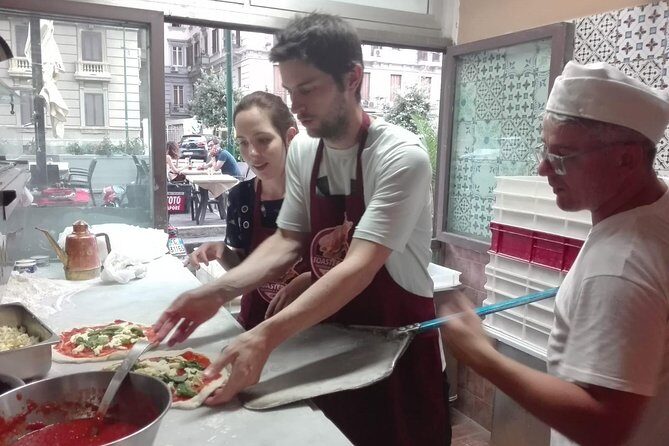
- Small-group attention (max 15) keeps this practical, not just a demo
- Staglio to panetti teaches a key Neapolitan step, not a shortcut
- Wood-fired oven focus helps you understand timing and doneness
- Simple Margherita ingredients (tomato, buffalo mozzarella, basil, DOP olive oil)
- Sweet pizza dessert: fried dough with chocolate spread, plus a toast to end
- Recipe takeaway vibe: many hosts share the dough method so you can repeat it later
Naples Pizza-Making Starts With Real Neapolitan Dough Logic
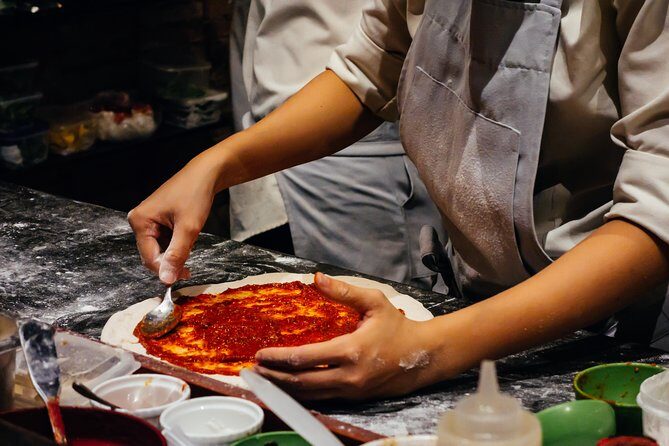
Neapolitan pizza is not fancy. It’s picky. The crust comes from how you handle dough—proportions, kneading, resting, stretching, and the final shape—so it stays thin and soft in the right places.
That’s why this class feels different from the usual cooking workshop. You spend time on the fundamentals, then you apply them immediately with your own pizza. You’re learning the method that makes the dough behave in a wood-fired oven, not just copying a finished product.
The vibe is also very Naples. You’ll hear the rhythm of kitchen talk, see how the pizzaiolo works, and get guided in English by the host while the Italian side of the process runs like it should. In past sessions, hosts like Lucia and Francesca have led classes with clear step-by-step pacing, while pizzaioli such as Maurizio and Luigi have taught the dough and baking hand skills.
You can also read our reviews of more wine tours in Naples

Meeting in Naples and Getting Into the Pizzeria Rhythm
You meet at Toto’ Sapore on Viale Antonio Gramsci, 18/B (near public transportation). From there, you’ll be folded into the pizzeria’s flow—so don’t plan on “relaxing” the whole time. This is a real working lesson.
The staff structure matters. There’s a host who keeps things moving in English and helps you understand what’s happening. Then there’s the pizzaiolo, the person driving the technique. That split is great because one person explains; the other person corrects your hands.
One practical note from the real world: if you’re late because of traffic, it can throw off your participation at the beginning. If that happens, the team may help you catch up (based on how they’ve handled situations in the past). Still, try to arrive early so you don’t miss the dough-building part.
And yes, you’ll likely be working somewhere that’s not a perfect, roomy classroom. The dough stage happens where the action is, so bring comfortable shoes and expect some flour mess and kitchen noise.
The Dough Workshop: Proportions, Kneading, Rising Time, and Staglio
This is the heart of the experience. You learn how Neapolitan pizza dough is built to create that thin-but-soft crust. That means you’re taught not only what to do, but what to watch for: texture, elasticity, and readiness.
You’ll get guidance on:
- the right proportions of ingredients
- the kneading method (how to fold and work dough without overworking it)
- rising times, so your dough stretches instead of springs back
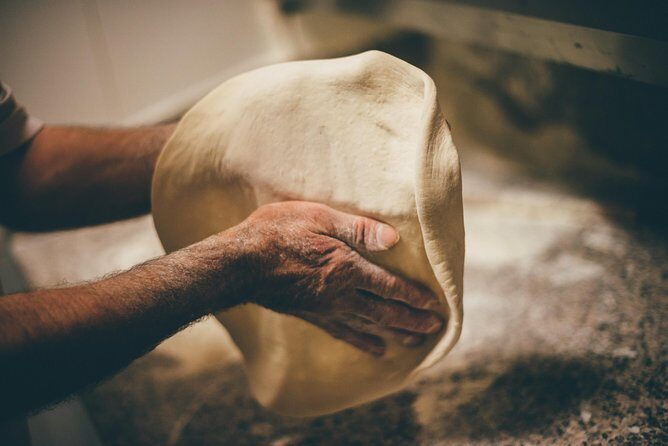
- when and how to shape dough portions using staglio into panetti
The staglio lesson is special because it’s a traditional step with a purpose. When you cut and portion correctly, each panetto starts with the right structure to relax during resting. That’s what helps your stretched crust stay light and flexible instead of turning thick and tough.
I also like that they don’t treat dough like a mystery recipe you’re meant to memorize. They teach you the logic so you can repeat it later. You’ll hear the “why” behind each action, which is what makes home pizza feel achievable instead of hopeless.
Stretching to Thin and Soft: How the Margherita Comes Together
Once your dough portions are ready, you move into shaping and toppings. The goal is the classic Neapolitan look: a crust that’s thin and soft, with edges that puff slightly in the oven.
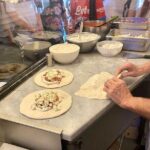
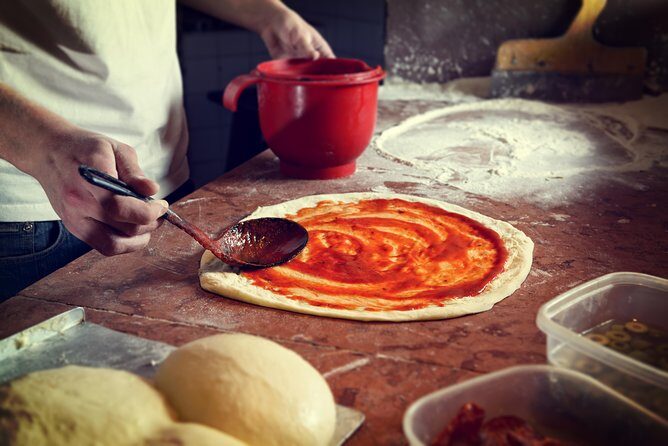
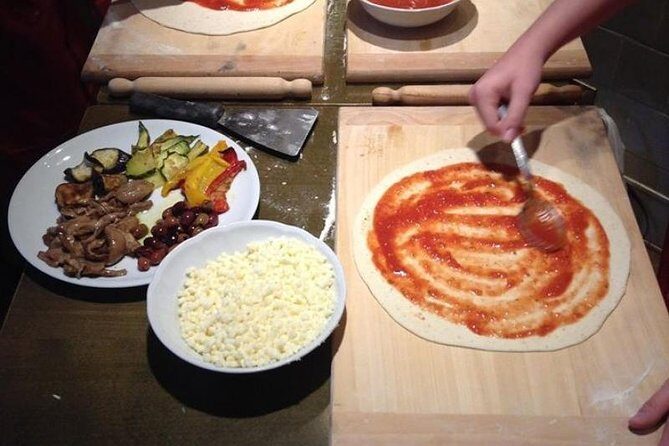
You’ll be working at your own station in a small group, picking toppings and learning the proportions that make a Margherita taste like Margherita—not like generic cheese and sauce.
Expect to use simple, local-quality ingredients that matter in Neapolitan cooking:
- fresh tomato base
- buffalo mozzarella
- basil
- DOP olive oil
Because the ingredients are so straightforward, small technique differences show up fast. Too much sauce and your dough gets heavy. Too thick a layer and you lose that delicate balance. The pizzaiolo and host can guide you so your toppings support the dough instead of smothering it.
Also, this part of the class is where older kids and adults usually have the most fun. You get to stretch, adjust, and experiment with your hands while someone keeps you on the right track. In past sessions, people have joked about their shapes (one pizza coming out square), and the pizzaiolo stepped in to help them recover with the correct proportions and thickness.
The Wood-Fired Oven: Watching Doneness and Cooking With Confidence
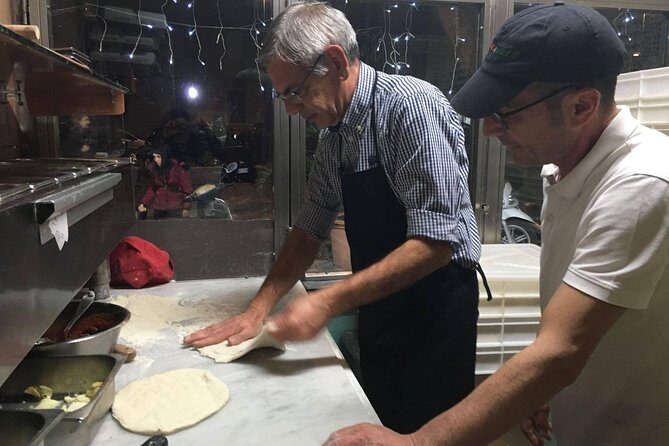
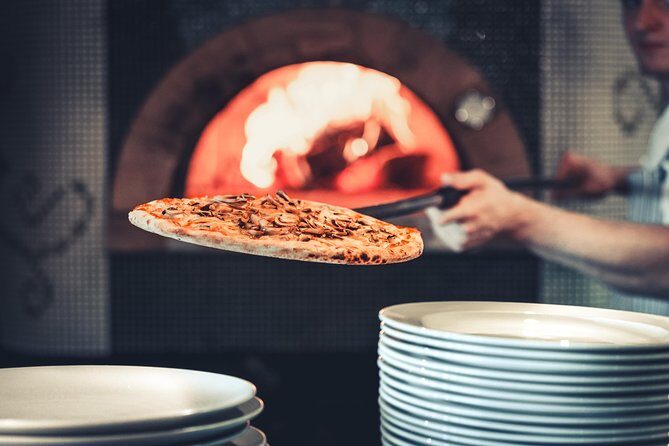
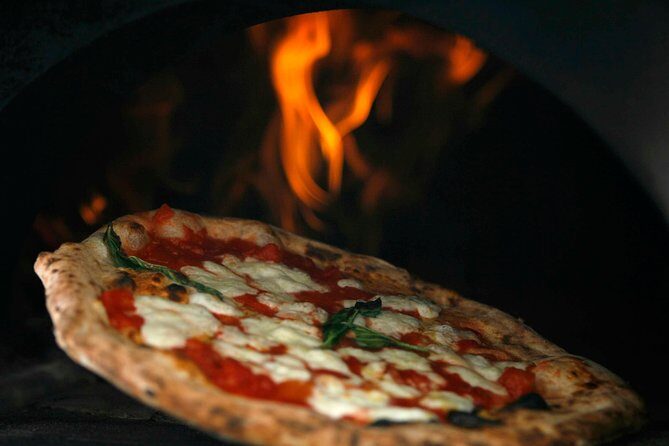
Baking is where theory turns into reality. The class uses a wood-fired oven, and you’ll see why Neapolitan pizza needs such tight control over timing and thickness.
Even if the oven is the same concept as any pizza setup, the feel is different:
- heat hits harder and faster
- crust texture changes quickly
- the right dough handling makes the dough behave under intense heat
You’ll watch the pizzaiolo bake and manage the process, then you’ll eat what you cooked. That matters. You’re not leaving before the best part, and you get instant feedback on whether your dough, toppings, and stretching were on target.
Some people also pick up practical “hands” tips during baking, like how to manage the peel and rotation. Even if you don’t get the perfect motion on your first try, watching the pizzaiolo’s rhythm helps you understand what to practice later.
You can also read our reviews of more tours and experiences in Naples

Dessert and Drinks: Chocolate Fried Pizza, Limoncello, and a Good Toast
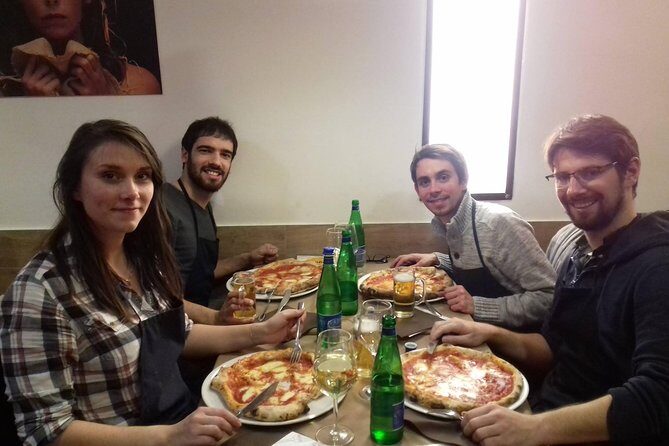
This class doesn’t end after the main course. You’ll start with your pizza Margherita, then the sweet portion kicks in.
Dessert is fried pizza with chocolate spread, listed as Straccetti di pizza al Cioccolato. It’s a fun contrast: salty, warm, and doughy flavors from the oven, then a sweeter bite using dough again.
For drinks, you get a glass of Birra alla spina (draft beer) or wine or soda, plus bottled water. Then at the end, there’s a toast with limoncello or coffee. That ending is classic Naples energy: a little celebratory, a little social, and a nice closure after you’ve built something from scratch.
If you’re traveling with friends, this part matters. Eating together is where the group energy clicks, and small-group classes tend to feel more like shared dinner than a timed performance.
Value Check: Is $82.68 Worth It?
At $82.68 per person for about two hours, this isn’t a “cheap activity.” But it’s also not just a cooking show.
You’re paying for:
- hands-on dough instruction (not just tasting)
- wood-fired baking within the lesson
- lunch or dinner with the Margherita you make
- a drink (beer, wine, or soda) plus water
- dessert (fried chocolate pizza)
- a finishing toast (limoncello) or coffee
- plus Napoli Football Store Virtual Experience as an added included activity
When you break it down, the value comes from the combination: real instruction + real meal + dessert + drinks. If you enjoy learning by doing and want a method you can reproduce, this is much better value than paying for a single guided tasting.
It also helps that the class runs with a maximum of 15 travelers, which means you don’t get lost in a crowd. In cooking classes, attention is the product. This one seems to understand that.
Who This Class Suits Best (and Who Should Skip It)
I’d steer you toward this if you:
- love pizza and want a method that improves your home results
- enjoy hands-on cooking more than passive sightseeing
- want a social evening with a small group, food, and drinks
- are comfortable with a working kitchen environment (some flour, some noise, some effort)
I’d think twice if you:
- have mobility limits that would make kneading/stretching difficult (the activity is described as suitable for most travelers, but it is hands-on)
- are traveling with a child under 6, because this class is only suitable for children aged 6 and over and younger kids can’t access the work area and oven zone
For families, older kids usually handle it well because it’s interactive. One of the strengths here is that the staff explain steps and keep the mood relaxed, so it doesn’t feel like a strict test.
Practical Tips Before You Go
- Wear shoes you’re okay with getting flour on. This is a hands-on dough class.
- If you want to learn the steps well enough to recreate them, pay attention to the timing cues during dough resting and stretching.
- Don’t worry if your first dough portion isn’t perfect. You’re learning a process, and the pizzaiolo corrects technique as you go.
- Parking can be tricky around Naples. If you can, use public transportation since it’s near public transit.
- Let them know about any dietary restrictions ahead of time. The class asks you to contact them rather than assuming fixes.
Also, keep in mind the class is offered in English, and confirmation happens at booking. You’ll receive a mobile ticket, so plan to have your phone ready.
Should You Book This Naples Pizza-Making Class?
If you’re on a Naples trip and you want one experience that actually changes what you do at home, this is a strong bet. The small-group setup plus the dough-first teaching style is what makes it worth your time. The wood-fired oven and the hands-on Margherita bake don’t feel like a bonus; they’re the payoff.
Book it if you want technique, not just dinner. Skip it if your ideal day is mostly sightseeing with minimal effort, or if your group includes kids under 6.
FAQ
How long is the Naples pizza-making experience?
It lasts about 2 hours.
What pizza do I make during the class?
You make a Pizza Margherita.
Is there dessert included?
Yes. Dessert is fried pizza with chocolate spread (Straccetti di pizza al Cioccolato).
Do I get beer or wine?
Yes. You can have a glass of Birra alla spina (draft beer) or wine or soda, plus bottled water.
Is the class offered in English?
Yes, it is offered in English.
What is the child policy?
Children must be aged 6 or over. Kids under 6 are not allowed to participate, including access to the work area and oven zone.
How big is the group?
The group is limited to a maximum of 15 travelers.
Can you accommodate dietary restrictions?
You should let them know about any dietary restrictions.