REVIEW · MOUNT VESUVIUS
From Rome: Pompeii and Vesuvius Crater Experience with lunch
Book on GetYourGuide →Operated by VEDITALIA · Bookable on GetYourGuide
Pompeii and Vesuvius in one day works. What makes it fun is the mix of an expert-led walk through Pompeii and a hike-focused visit to active Mount Vesuvius, with big Bay of Naples views built in. I especially like that you’re not just dropped at ruins; you get context, plus headsets so you can actually hear the guide while you move.
The tradeoff is that it’s a long, active day. You’ll be on the bus for hours, then you’ll do walking at Pompeii and a crater hike on Vesuvius, so plan for real stamina rather than casual sightseeing only.
In This Review
- Key highlights you’ll care about
- Morning bus ride from Piazza del Popolo (and why it sets the tone)
- Pompeii guided tour: Forum, Thermal Baths, Greek Theatre, and Lupanare
- Pompeii free time: how to use your wander window well
- Lunch in the Pompeii area: included and timed to keep you moving
- Mount Vesuvius crater visit: hike options and Bay of Naples views
- Rain or shine: how to dress so the crater part stays fun
- What if Vesuvius is closed? Sorrento as the fallback plan
- Wi‑Fi and headsets: small add-ons that make a big difference
- Price and value: what you’re really paying for (and what you don’t have to manage)
- Who this tour suits best (and who should think twice)
- Should you book? My quick decision guide
- FAQ
- FAQ
- How long is the Pompeii and Vesuvius day trip from Rome?
- What’s included in the tour besides transportation?
- Is unlimited Wi‑Fi available on the bus?
- Do I have to hike to the Vesuvius crater?
- What languages are the guides?
- What happens if Mount Vesuvius is closed?
Key highlights you’ll care about
- Expert-guided Pompeii ruins with clear, practical explanations as you walk from major sights to quieter corners
- Pompeii audio with headsets, so you can focus instead of craning your neck or guessing what’s being said
- A crater ticket plus (optional) crater hike on Vesuvius, with panoramic Bay of Naples viewpoints
- Traditional lunch included so your day doesn’t fall apart into random meal hunts
- Unlimited free Wi‑Fi on the bus, helpful for maps, messages, and keeping the journey painless
Morning bus ride from Piazza del Popolo (and why it sets the tone)
This starts early at Piazza del Popolo, right by the Leonardo da Vinci Museum entrance, next to Santa Maria del Popolo. Your guide will be there holding a sign for Veditalia with Pompeii and Vesuvius, which makes it easier to find the correct group instead of playing meet-the-bus-spot game.
From there, you’re on an air-conditioned coach and you get unlimited high-speed free Wi‑Fi. That sounds like a small perk, but on a day trip it changes the vibe—no stressing about where your phone signal will disappear. You also get a couple of breaks along the way, including a stop in Cassino with time to stretch and reset.
The bus route matters because it reduces the hassle of planning your own logistics out of Rome. You still won’t have a lazy schedule, but you avoid the big headaches of getting everyone to the same places at the same times.
You can also read our reviews of more tours and experiences in Mount Vesuvius

Pompeii guided tour: Forum, Thermal Baths, Greek Theatre, and Lupanare
Once you reach Pompeii, the day really locks in. You’ll get a guided tour of about two hours, then you’ll have some time to wander as well. Pompeii is a UNESCO World Heritage Site and one of the best-preserved Roman cities you can see—buried under volcanic ash and pumice after the AD 79 eruption.
What I like most here is how the guide helps you connect the ruins to real daily life. You’re not staring at random stones. You’re walking through the spaces Romans used—public gathering areas, entertainment zones, and homes with details that still feel personal even after 2,000 years.
During the guided portion, the big stops include the Forum, Thermal Baths, Greek Theatre, and the Lupanare. Even if you don’t memorize every Roman term, these locations give you a map of how the city functioned:
- The Forum shows public life and power.
- The Thermal Baths show routine and social space.
- The Greek Theatre shows entertainment and status.
- The Lupanare adds a darker, human edge that makes the place feel real.
You’ll also see well-preserved villas and frescoes. This is where Pompeii earns its fame. The rooms and painted surfaces help you imagine the city as something lived in, not just something studied.
One practical note: Pompeii can feel like “more walking than you planned.” Even with a guided route, you’ll cover enough ground that sturdy shoes are a must.
Pompeii free time: how to use your wander window well
After the guided tour, you’ll get time to explore on your own. This is the part many people waste by rushing to hit every postcard angle. Instead, use your free time to follow your interests.
If you like people and buildings, spend your extra time around areas connected to daily routines—baths, street fronts, and any surviving frescoed sections. If you like dramatic history, stand in the broader viewpoints where you can grasp how the eruption reshaped the city. (The guide’s explanations make these spots click fast.)
Also, keep an eye on your timing. This tour is structured so you can still get to Vesuvius after lunch, and Pompeii can tempt you to lose track of the clock.
Lunch in the Pompeii area: included and timed to keep you moving
Lunch is included and takes about an hour, served at a local restaurant in the Pompeii area. The value here is simple: you don’t burn your day trying to find a place that fits a group schedule.
You’ll be eating traditional Italian food with regional ingredients. I like this setup because it’s built into the tour pacing. You can eat, reset, and still arrive at Vesuvius without arriving frazzled or starving.
If you have dietary needs, you should plan to mention them in advance when you book. The tour data confirms that lunch is included, but it doesn’t specify special meal options, so it’s smart to check.
Mount Vesuvius crater visit: hike options and Bay of Naples views
After lunch, you travel to Mount Vesuvius by coach. The program includes a photo stop and a visit with sightseeing and walking, plus time for a hike up to the crater if you want it.
Vesuvius is still active and is about 1,281 meters tall. The point of this stop isn’t just a look from a distance—it’s getting close enough to understand why this mountain matters so much historically and scientifically. Your guide shares geological and historical significance and explains past eruptions and their impact.
This is also where you earn the big payoff: panoramic views of the Bay of Naples. Standing there, you get that rare combo of drama and clarity—volcano meets coast, and you realize why people were living in harm’s way.
The hike to the crater is described as challenging but rewarding. The tour specifically recommends good physical fitness and appropriate clothing. I take that seriously. Even if you’re not a fitness fanatic, you’ll want shoes that handle uneven paths and weather that doesn’t catch you off guard.



Rain or shine: how to dress so the crater part stays fun
This tour operates rain or shine, so you need to plan for variable weather. Vesuvius weather can change fast, and crater routes usually don’t get easier when it’s wet.
Bring clothing you don’t mind getting dusty or damp, plus layers for wind. Comfortable shoes with good grip are one of the best investments you can make here. If you hate getting cold, add a light jacket even in warm months.
This is one of those days where you should pack like you’re going on a real walk, not like you’re just visiting a museum.
What if Vesuvius is closed? Sorrento as the fallback plan
Sometimes volcano visits don’t go as planned. If Mount Vesuvius has an exceptional closure, the tour will instead visit Sorrento.
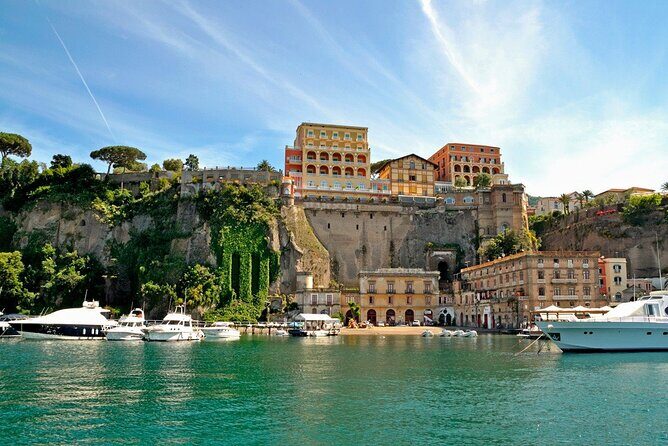
This fallback matters because it prevents your day from turning into an awkward scramble. Sorrento is known for coastal views, lemon groves, and local culture, so you still get a strong sense of southern Italy rather than a disappointment.
Wi‑Fi and headsets: small add-ons that make a big difference
The tour includes unlimited free Wi‑Fi on the bus and headsets for better audio on the guided parts. That sounds like “extras,” but in practice it’s a comfort and clarity upgrade.
Wi‑Fi helps you keep track of where you are, translate signs when needed, and message home. Headsets help you actually follow the guide while you walk—so the story stays intact even when you’re moving through crowds and open spaces.
These details are especially useful for Pompeii, where the guide’s context is what turns stone and arches into a real place.
Price and value: what you’re really paying for (and what you don’t have to manage)
At $168.23 per person, this is not a bargain-basement day trip. But you’re also getting more included than a simple transport-only option.
Here’s what’s covered based on the tour details:
- Round-trip air-conditioned bus from Rome
- Unlimited high-speed free Wi‑Fi on the bus
- Licensed bilingual tour leader (English/Spanish)
- Pompeii entrance ticket
- Pompeii guide support (English, or English if bilingual isn’t available)
- Lunch in the Pompeii area
- Crater ticket for Vesuvius
- Headsets
When you price it out yourself, you’d still pay for bus transport, entrance tickets, and a guide (unless you’re doing it all solo with audio apps). The “value” comes from reducing coordination stress and keeping the day flowing from Pompeii to Vesuvius.
For me, this is the kind of tour that pays off if you want real context, not just a photo run.
Who this tour suits best (and who should think twice)
This works best for you if you want:
- A guided Pompeii experience with major stops like the Forum and Thermal Baths
- A real volcano stop with a chance to hike toward the crater
- A day trip that handles transportation and tickets so you can focus on the sights
It’s also a good fit if you don’t plan to visit Naples and surrounding areas on your own. This tour gives you a “best of” combo that you’d otherwise need multiple plans to match.
You should think twice if you:
- Don’t want long hours on a bus
- Are not comfortable with walking on uneven ground
- Have mobility limitations, since the tour data lists it as not suitable for people with mobility impairments or wheelchair users
Should you book? My quick decision guide
Book this tour if you want Pompeii explained well, you’re comfortable with a full day, and you’re genuinely interested in Vesuvius—not just looking from a distance. The included tickets, lunch, and audio support make it feel like a guided day, not a rushed transfer.
Skip it if you want a slow, flexible schedule or if hiking to the crater isn’t realistic for your comfort level. In that case, consider a lighter Pompeii-focused plan instead, because the stamina requirement is part of what makes this day trip rewarding.
FAQ
FAQ
How long is the Pompeii and Vesuvius day trip from Rome?
The total duration is listed as 12 hours.
What’s included in the tour besides transportation?
Entrance to Pompeii, the Vesuvius crater ticket, lunch in the Pompeii area, headsets, and an English/Spanish live guide are all included.
Is unlimited Wi‑Fi available on the bus?
Yes. The tour includes unlimited high-speed free Wi‑Fi during the bus journey.
Do I have to hike to the Vesuvius crater?
The tour offers an opportunity to hike up to the crater. The provided info describes it as challenging but rewarding, so it’s best suited to people with good physical fitness.
What languages are the guides?
The live tour guide is English and Spanish. Pompeii guiding is in English and Spanish speaking service when available (or only English if bilingual guide isn’t available).
What happens if Mount Vesuvius is closed?
If Vesuvius is exceptionally closed, the tour will instead visit Sorrento.