REVIEW · NAPLES
From Naples: Amalfi Coast Day Trip with Driver
Book on GetYourGuide →Operated by Project Napoli Service · Bookable on GetYourGuide
That winding road can make or break the day. This Amalfi Coast experience is interesting because you cover four of the coast’s most famous towns—Sorrento, Positano, Amalfi, and Ravello—without having to wrestle with traffic, parking, and one-way streets yourself.
Two things I really like: you get breathtaking coastline views on the move, and the driver role is more practical than bookish—helping you reach the best areas fast and suggesting where to focus once you arrive. I also appreciate the flexibility: lunch stop and how long you linger in each place are up to you.
One possible drawback to plan for: this is a driving service, not a fully narrated guided tour, so if you’re craving a deep, continuous commentary the whole way, you’ll need to rely more on on-site exploring and your own curiosity. Also, these towns can be crowded even in shoulder seasons.
In This Review
- Quick hits
- Why the driver-led format works so well
- A note on narration
- Pickup from Naples: start smart, not rushed
- Sorrento: cliffside views, bay walks, and a good first impression
- What to focus on in Sorrento
- The likely tradeoff
- Positano: the classic hillside look (and the church you’ll keep seeing)
- The center of Positano
- Where your time can disappear fast
- Amalfi: Cathedral square, Paradise Cloister, and the feel of old power
- Start with the Cathedral of St Andrew
- Don’t skip the Paradise Cloister
- Add the Arsenal ruins for context
- A practical caution
- Ravello: Villa Cimbrone and the Terrace of Infinity
- Villa Cimbrone: that view has a name for a reason
- Villa Rufolo and the medieval church vibe
- The main drawback: timing matters
- How the day stays manageable (even with tight roads)
- Lunch: choose views over menus
- Crowds, roads, and what to expect in real life
- Accessibility and special needs: what the reviews suggest
- Worth it from Naples: value and who should book
- Final verdict: should you book this day trip?
Quick hits
- English-speaking drivers who help you beat the worst of traffic and get closer to the action
- Sorrento’s cliffside bays (Marina Grande and Marina Piccola) plus quick panoramic breaks
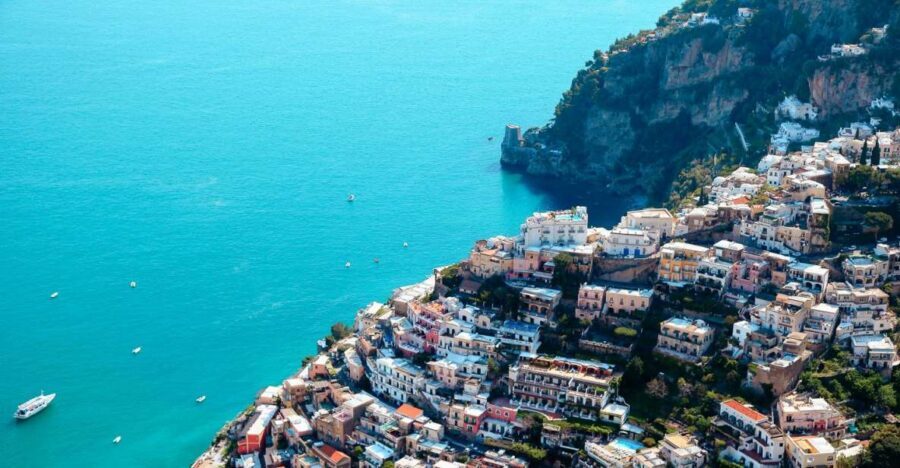
- Positano’s signature look: white and pastel houses and the church of Saint Maria Assunta
- Amalfi Cathedral and the Paradise Cloister for architecture you can actually see up close
- Ravello’s Terrace of Infinity at Villa Cimbrone and the quieter atmosphere higher up
- Accessible help noted in reviews, including support with a manual wheelchair in a minivan
Why the driver-led format works so well
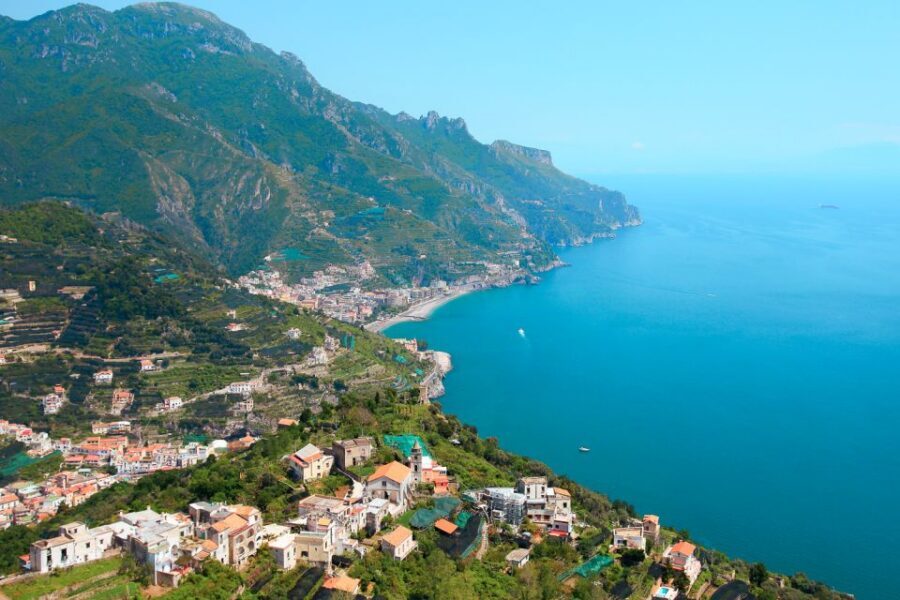
The Amalfi Coast is beautiful in a way that makes you forget how chaotic it can be. The roads are narrow, the curves come fast, and the towns compress thousands of visitors into tight centers. That’s exactly why I like this format: you spend your energy looking out the window and walking the old streets, not negotiating driving stress.
Also, the driver is not just “transport.” In multiple reviews, the drivers are praised for good timing and route choices that reduce traffic headaches. People specifically call out how drivers avoided congestion and positioned the car close to major spots—meaning you spend more minutes sightseeing and less time dragging yourself across steep lanes.
And yes, it’s still a lot in one day. But the day is built around intelligent pacing: fewer “drive-by” moments and more time at the places that define the coast.
You can also read our reviews of more tours and experiences in Naples

A note on narration
This setup is a driving service, not a fully narrated tour with a dedicated guide who explains every stop in depth. Many drivers do share helpful context and recommendations, but you shouldn’t plan on a continuous script. If you want structured storytelling, pair this with a bit of reading ahead of time, or be ready to let the towns speak for themselves.
Pickup from Naples: start smart, not rushed
You start in Naples with included pickup from hotels (and you can also be picked up from a cruise context). The typical pickup time listed is 8:45am, and you’ll confirm the exact pickup details with the provider the day before for your specific hotel or B&B.
If you’re staying near the station or coming by train, you’ll want to use the meeting point instead of asking for a hotel pickup. The practical point here: plan to be ready early. On days like this, being five minutes late can snowball into lost sightseeing time.
Sorrento: cliffside views, bay walks, and a good first impression
Sorrento is where the coast feels like a postcard you can walk into. The town sits above the sea on steep terraces, protected by surrounding hills, which helps explain why it has been a favorite resort since Roman times. When you arrive, you’ll get that immediate “how is this real?” feeling: sea-level water views, olive-covered hills, and a town layout that’s built for panoramic lookouts.
What to focus on in Sorrento
I’d plan your time around two areas: Marina Grande and Marina Piccola. These bays help you get oriented fast—where the town meets the water, where the main pedestrian life happens, and how the sea looks from different angles.
If you have limited time, don’t try to see everything. Pick a viewpoint, soak up the coastal line, and then enjoy a slow wander. The goal is to get your bearings early because it makes the later towns feel easier to navigate.
You can also read our reviews of more tours and experiences in Naples





The likely tradeoff
Sorrento is popular and can feel busy, but it’s usually a manageable kind of busy. The bigger challenge shows up later in the day as you move toward tighter, more tourist-packed town centers.
Positano: the classic hillside look (and the church you’ll keep seeing)
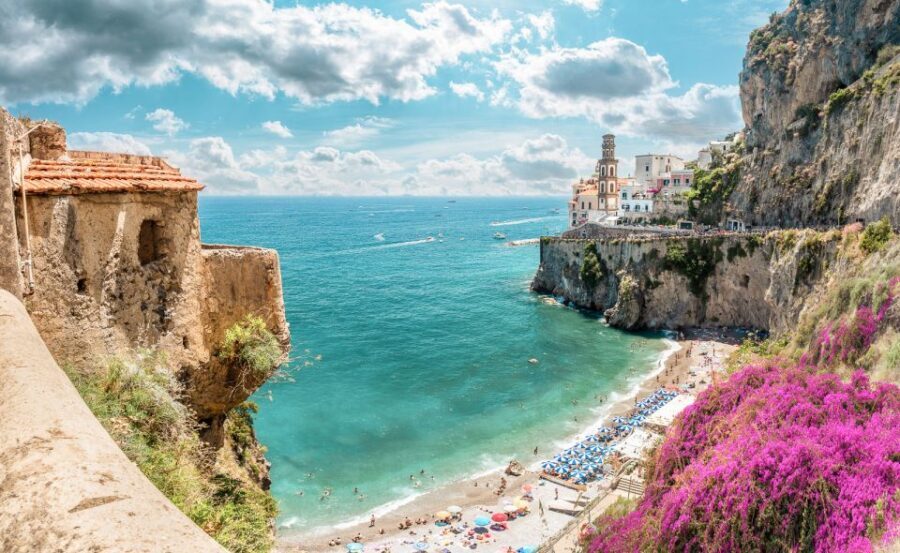
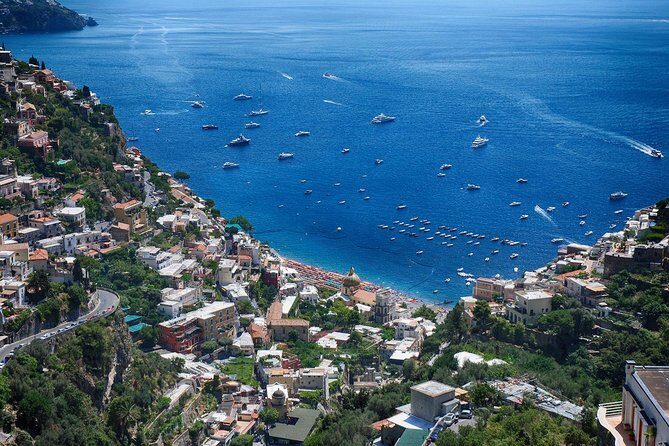
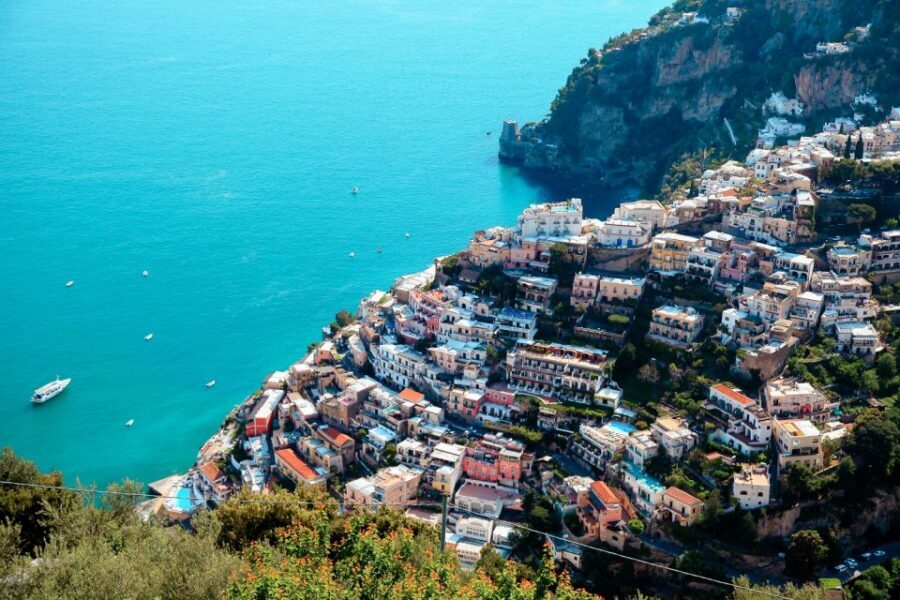
Positano is the town people imagine when they think Amalfi Coast. It’s built on two mountain slopes, and that geography is why the scenery keeps changing with every turn. You’ll also get gulf views framed by points like Germano tip and Cape Sottile—so even if you do minimal sightseeing, you still get a lot visually.
The center of Positano
Plan on wandering the main lanes for the “wow” factor: white and pastel houses layered up the hillside, stairways leading toward the water, and constant viewpoint opportunities.
The anchor sight here is the Parish Church of Saint Maria Assunta, with its majolica dome. It’s one of those landmarks you can use as a compass. Even when you’re not sure which way to go, you can orient yourself by spotting the dome.
Where your time can disappear fast
Positano makes it easy to lose an hour to photos and slow walking. That’s not a bad thing—just be mindful. If your day feels rushed, cut the number of cafés you stop at. One good coffee with a view beats five quick sips.
Amalfi: Cathedral square, Paradise Cloister, and the feel of old power
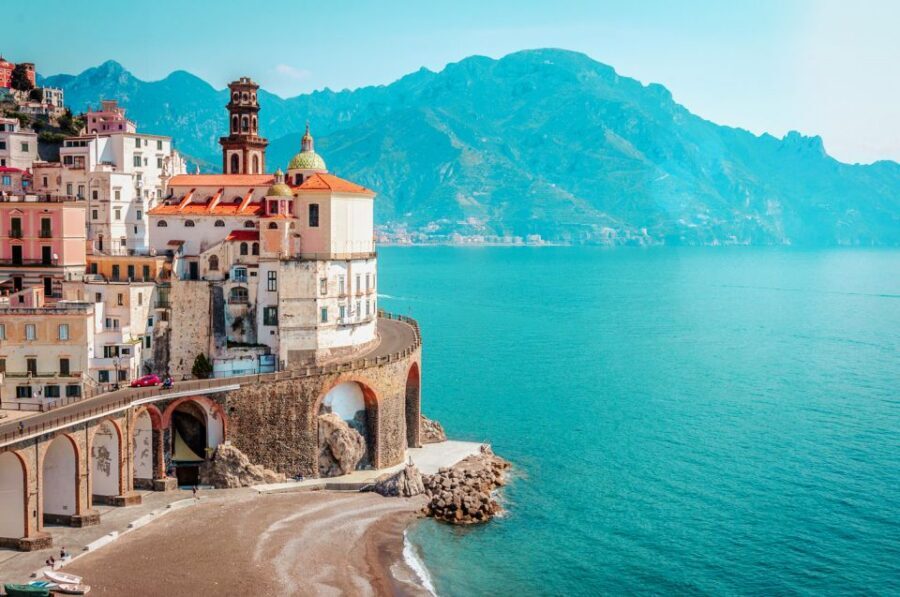
Amalfi brings a different energy. It still looks dramatic from the road, but it also shows signs of prestige and legacy more directly than some of the other stops. You’ll see why this town mattered historically as you move around the main sights.
Start with the Cathedral of St Andrew
In Amalfi, the Cathedral dedicated to St. Andrew dominates the square. It’s a straightforward “arrive and focus” kind of stop—good if you want something defined and central where you can regroup.
Don’t skip the Paradise Cloister
The Paradise Cloister is one of the most memorable stops for architecture. It’s described as an Arabian-style construction dating to the 13th century. Even if you don’t consider yourself an architecture person, it’s the kind of place that gives you details to notice: shapes, patterns, and craftsmanship you can’t get from a photo.
Add the Arsenal ruins for context
You’ll also be able to see the ruins of the Arsenal of the Republic. That’s where Amalfi’s past becomes physical again. It gives your visit a “this wasn’t just scenery” feeling. You’re looking at evidence of maritime power, not only pretty streets.
A practical caution
Amalfi is often crowded, and the walkways can tighten up around the main sights. This is where a good driver and timing help. If you notice lines or bottlenecks, shift your focus slightly—sometimes a side alley view works better than pushing deeper into the busiest routes.
Ravello: Villa Cimbrone and the Terrace of Infinity
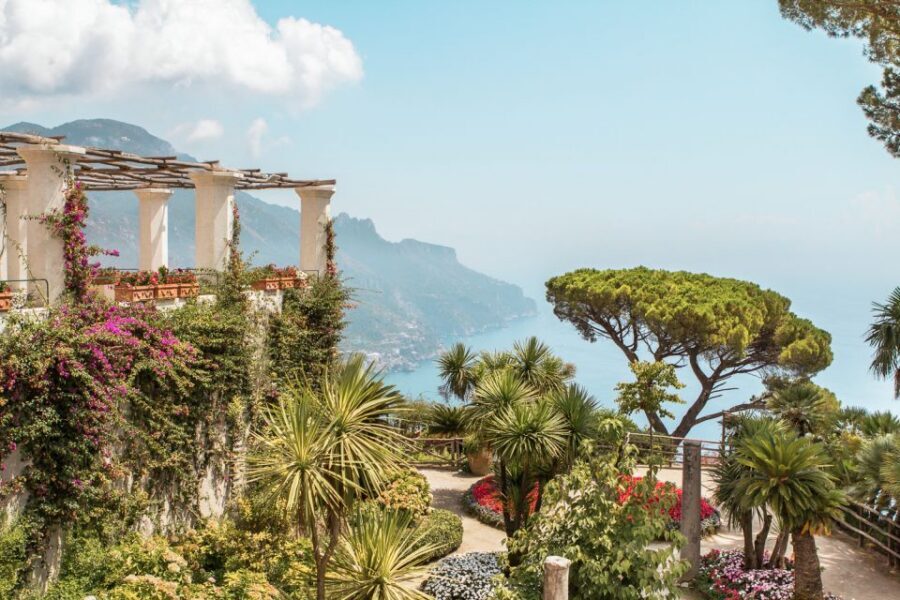
Ravello sits higher than the other towns, and you feel that difference. The atmosphere tends to be quieter, which is exactly why it works so well as the final major stop in the day. You’re still on the Amalfi Coast, but you’re not in the same constant flow of coastal traffic and tight streets.
Villa Cimbrone: that view has a name for a reason
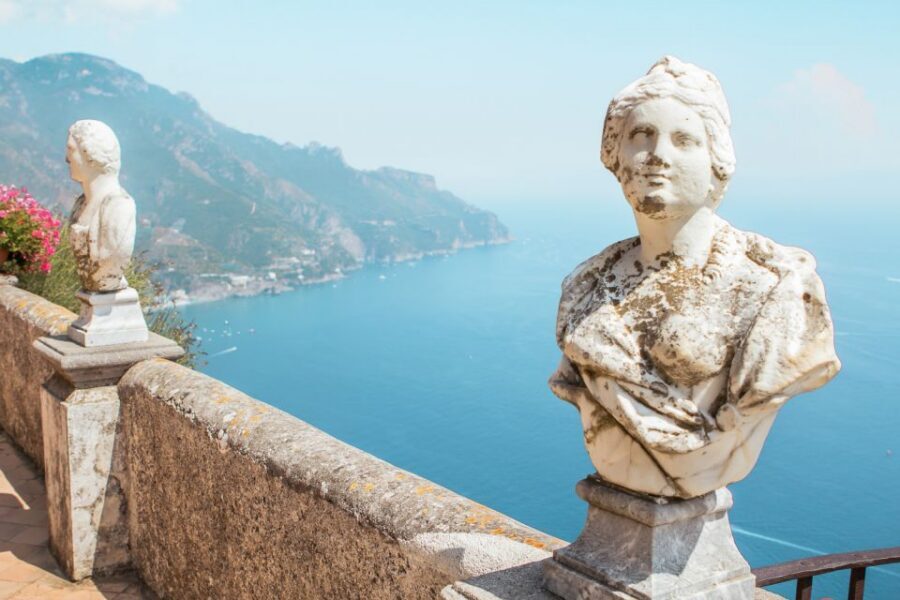
Ravello’s headline attraction is Villa Cimbrone and its famous terrace, often called the Terrace of Infinity. The whole point is the optical effect: the terrace feels like it drops into the sea. It’s the kind of spot where your photos won’t look like they do in real life—you need a few minutes to let your eyes adjust.
I’d give yourself enough time here to do one simple thing: stand still for a bit. The coast reveals itself through small shifts in angle, not just through quick snapshot moments.
Villa Rufolo and the medieval church vibe
Right nearby is Villa Rufolo, often associated with gardens and concerts. In spring and autumn, Ravello can be a destination for audiences who come for concerts held in gardens or halls connected to Villa Rufolo. The gardens also connect to cultural history tied to Wagner’s Parsifal, which is a fun lens if you’re into music.
For the calmer feel, look for the medieval churches and slow wandering. Ravello rewards pace.
The main drawback: timing matters
Because Ravello is high up and can be quieter, it’s easy to feel like you have more time than you do. But you don’t—your day is still built as a full circuit. If you love gardens and views, prioritize Cimbrone first, then adjust your remaining time around what you personally care about most.
How the day stays manageable (even with tight roads)

This is a classic “one day, four towns” plan, so the secret isn’t getting more done—it’s getting the right kind of done. Here’s what helps the day work:
- Drivers slow down for photo moments when there’s no safe space to stop, which matters on the Amalfi roads where pulling over isn’t always practical.
- Many reviews highlight recommendations at each location, which is crucial when you have limited time and don’t want to waste it wandering aimlessly.
- The route back can be part of the experience too. One review notes the return drive helped show the mountains around Naples, giving you a different perspective than just the coastline itself.
Lunch: choose views over menus
Lunch is flexible, and you decide where you go. That’s good news and it can also be tricky. In Amalfi and Positano especially, some spots are priced for the view. I wouldn’t automatically avoid higher prices—sometimes the location is the whole point—but I’d treat it as a value decision: pay extra only if you’re actually getting a good seat and a calmer break.
One review mentioned eating at a restaurant in Amalfi with collaboration ties to the day’s experience, with prices a bit high but worth it for the dreamy sea view. That’s a good reminder: in this area, pricing often follows scenery.
Crowds, roads, and what to expect in real life
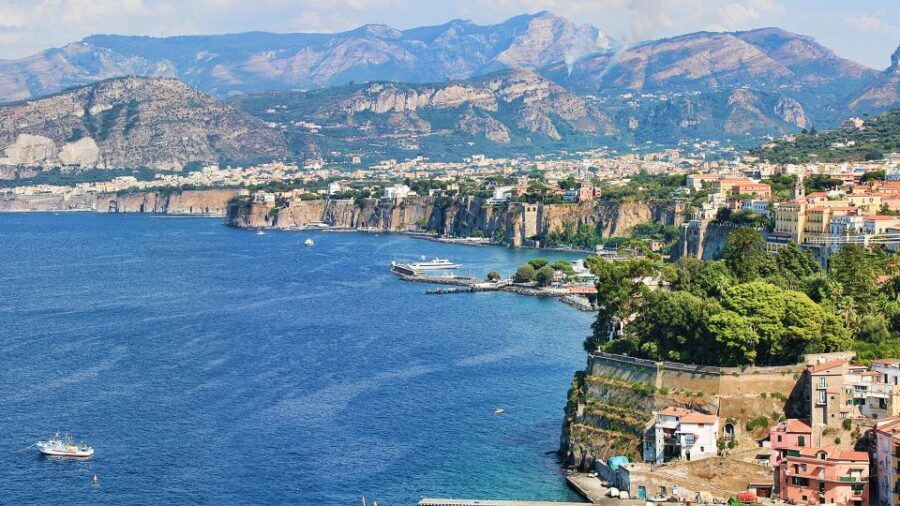
Even if you visit in late October, the Amalfi Coast can still feel busy. Several reviews call out crowds, and that’s the honest part of the deal. You’ll likely see full parking lots, packed sidewalks near the central attractions, and lines at the most obvious photo points.
The road itself is also part of your experience. The curves are dramatic and the driving is intense. The upside is that a skilled driver reduces friction. The downside is you should expect a “concentrated travel day,” not a slow stroll with time buffers.
If you want the best chance at less stress, go in with a simple mindset:
- Keep expectations realistic.
- Plan for short walks and viewpoint stops.
- Don’t fight the crowds—work with where people naturally flow.
Accessibility and special needs: what the reviews suggest

One review specifically mentions a driver named Max helping accommodate a manual wheelchair in the minivan, and the traveler could access most places the group stopped. That’s a meaningful data point.
That said, you should treat accessibility as situation-dependent. The towns are hilly and many entrances or routes can be uneven. If mobility needs are part of your plan, I’d message the provider in advance with what you need so the driver can set expectations and suggest the most workable stops.
Worth it from Naples: value and who should book
Without exact pricing in front of me, I’ll judge value by what you’re actually buying: convenience, route knowledge, and stress reduction. If you’re deciding between renting a car or doing a driver-led circuit, this option usually makes sense because the roads are challenging and parking is a headache.
You’ll get the most value if:
- You want maximum scenery with minimum navigation effort.
- You’re short on time and want Sorrento + Positano + Amalfi + Ravello in one push.
- You like having a driver handle the “getting there” part while you choose how to spend your walking time.
You might not love it if:
- You want a fully narrated guide for every minute.
- You hate crowds and need long, quiet stretches in each town.
- You prefer a deeper, slower pace with fewer locations.
Final verdict: should you book this day trip?
I think it’s a strong choice if you want the classic Amalfi Coast highlights with a driver who can manage traffic and get you close to the best areas. The best part is the balance: you’re not trapped in a lecture, but you’re also not stuck figuring out roads and stops all day.
Book it if your priority is views, iconic stops, and an efficient day. Consider something slower if you want lots of guided detail or you’re hoping for a calm, uncrowded coast.