REVIEW · SORRENTO
Cesarine: Small group Pasta Class at Local’s Home in Sorrento
Book on Viator →Bookable on Viator
Pasta lessons in a real Sorrento home are special. This small-group class puts you at a local cook’s table to learn three regional Sorrentine-style pasta recipes, then eat what you made with territory wines from the region. It’s the kind of experience that turns Italian food from something you order into something you can actually reproduce at home.
I love that you’re not just watching—you’re making pasta. And I also love that the hosts keep it practical and welcoming, including accommodations like gluten-free ingredient options when needed.
One possible drawback: since this takes place in a private home kitchen, the setup can feel more compact and personal than a large cooking school. If you have mobility or space concerns, it’s worth thinking about before you book.
In This Review
- Key highlights at a glance
- Cesarina in Sorrento: Hands-On Pasta, Real Home Cooking
- How the 3-hour experience really plays out
- The three regional pastas: what you’re learning (and why it matters)
- Local wine pairing at the table: how tasting becomes part of the lesson
- Small group size in a home: why up to 8 is the sweet spot
- Price and value: is $207.21 worth it?
- Who this Sorrento pasta class suits best
- What to bring and how to make the most of the lesson
- Should you book this Cesarina pasta class in Sorrento?
- FAQ
- How long is the Cesarina pasta class in Sorrento?
- How many people are in the group?
- Do you make pasta or just watch?
- Is there food and wine at the end?
- Where does the class take place?
- What do you get to take home?
- Can the class accommodate gluten-free needs?
Key highlights at a glance
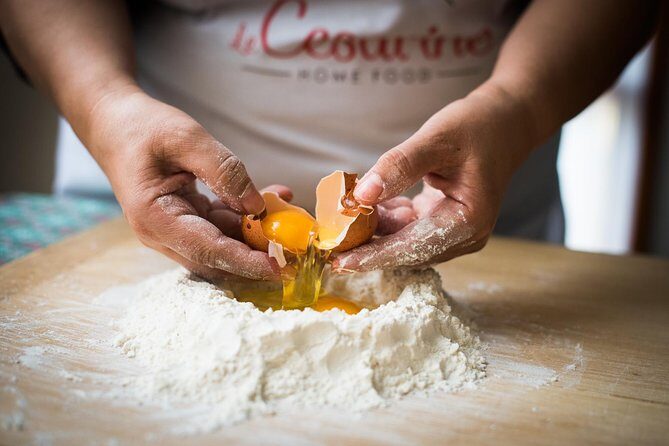
- Up to 8 people for a calmer, more personal pace while you cook
- Three regional pasta recipes taught in a hands-on format
- Tasting with local red and white wines paired with what you make
- Cesarina home-cook network: selected hosts with family-style culinary knowledge
- Take-home extras: an apron and shopping bag as souvenirs
- Gluten-free support reported by at least one guest
Cesarina in Sorrento: Hands-On Pasta, Real Home Cooking
If you’ve ever wondered why some pasta tastes better than what you can buy in a shop, this is the answer: technique plus local ingredients plus a host who cares about details. The Cesarina concept is built around home cooks coordinated at a national level, so you’re not in a factory-style class. You’re in someone’s kitchen, learning how they make dishes that match the way people here actually eat.
What makes this format work is the flow. You meet your Cesarina, you learn the steps for three recipes, and then you sit down to taste your own work with regional wines. That last part matters more than people think. Pasta is one of those foods where small choices—dough texture, thickness, sauce balance—show up clearly on the plate. Eating what you make right there closes the loop fast.
There’s also a social side that feels natural. With a max group size of 8, you’re not lost in a crowd. You get time to ask questions and adjust what you’re doing while the lesson is still happening. The small group detail is one of the biggest “value multipliers” on this kind of tour.
You can also read our reviews of more tours and experiences in Sorrento
How the 3-hour experience really plays out
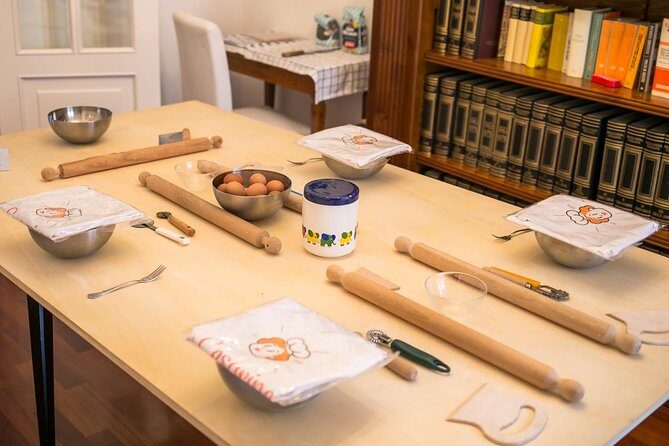
This class runs about 3 hours, offered in the morning or afternoon. You’ll receive the exact address after booking, and the experience starts in Sorrento, with activity ending back at the meeting point. It’s designed like a short, complete meal experience: cooking first, then a seated tasting.
Here’s the practical rhythm you should expect:
- You arrive and meet your Cesarina at her home in Sorrento.
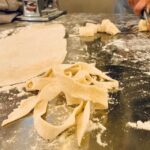
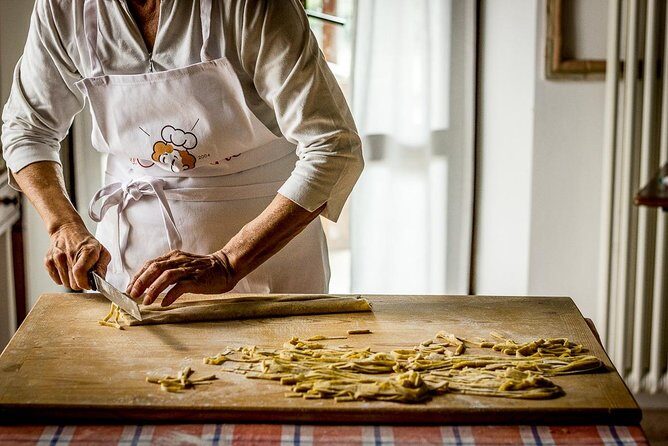
- You’ll learn how to prepare three different pasta recipes through hands-on steps.
- After cooking, you’ll sample your creations paired with local wines.
Because it’s a home visit, you should plan to treat it like a real invitation, not a showroom. Ask when something is okay to touch, move slowly in the kitchen space, and be ready for the host to teach by doing. That’s where the experience tends to feel most “Italian”—less performance, more guidance.
Also note the class includes a tasting moment at the end. That means you’re not just learning theory. You’ll leave with the taste memory you need to cook confidently later.
The three regional pastas: what you’re learning (and why it matters)
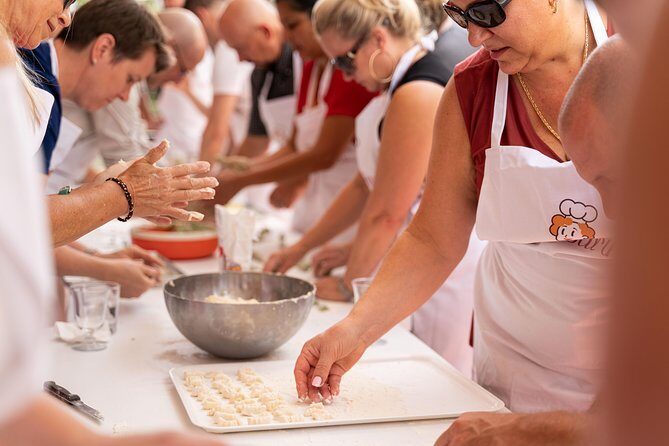
The promise here is three authentic regional recipes tied to Sorrento’s food identity. You’re not only learning which ingredients go in—you’re learning the method and the feel. That’s the difference between following a recipe and being able to recreate it.
From the guest feedback I saw, hosts teach in a warm, encouraging way that keeps the group moving through multiple pastas. One guest highlighted that the hosts were especially kind and that each of the three pastas tasted distinct. Another noted how knowledgeable the teacher was, with help from family members in the home.
A key practical point: pasta making is detail-heavy. Even if two recipes use similar dough, the shaping and timing can change the result. In a good class, you don’t just repeat one “standard” pasta method three times. You learn how each one behaves—how it should look, how it should feel, and how it ends up when cooked.
If you’re planning to recreate this later, the most useful takeaways are:
- How to judge dough texture as you work (not just by time).
- How to shape consistently without rushing.
- How to pair pasta and sauce so the final bite makes sense.
And yes, you’ll get to taste what you made, served with wine. That feedback loop is huge. You’ll quickly understand what the host meant by the technique choices.
Local wine pairing at the table: how tasting becomes part of the lesson
One of the standout promises is that you’ll enjoy a selection of red and white wines from regional cellars, and the hosts focus on wines of the territory. This isn’t just a beverage add-on. In southern Italy, wine choices often reflect the food style and seasoning habits of the region. Having wine with what you cook helps you connect flavors in a more complete way.
Expect to finish with a meal that pairs your pasta creations with local red and white wines. That means the lesson ends the way a real evening might: eat, talk, and compare notes with your group.
From the guest impressions, there’s also a feeling that the meal is part celebration, not a rushed afterthought. One review mentioned wine and snacks before the later meal rhythm, and another described the overall experience as a highlight of the trip. Even if the exact timing varies by host and day, you can count on the tasting being a core part of the experience—not a quick photo moment.
If you like food and wine, this class gives you a direct link between technique and flavor. You’ll taste the difference between a pasta that’s made correctly and one that’s close but not quite there. That’s the kind of learning that sticks.
Small group size in a home: why up to 8 is the sweet spot
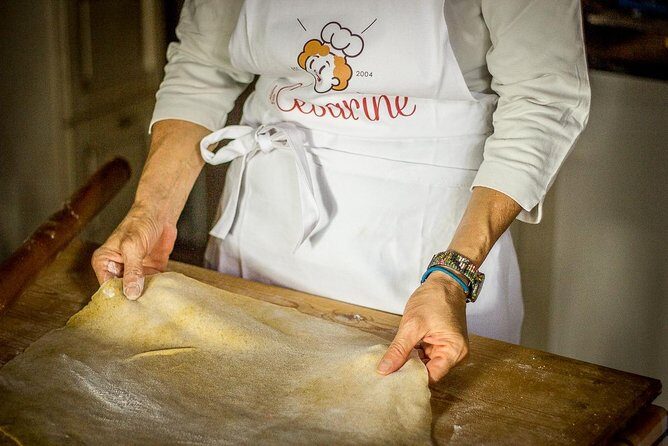
With a maximum of 8 travelers, this is built for hands-on teaching. In bigger classes, you can spend half your time waiting for space or watching someone else handle the hardest steps. Here, the smaller group size helps you stay engaged and get feedback while your pasta dough is still in play.
That matters because pasta is time-sensitive. If you miss a key step, it doesn’t wait politely. A smaller group also helps the host manage the kitchen flow in a home setting where space and tools are limited.
Another benefit: you get more of that family-and-community vibe. At least one guest described help from the host’s son and that the experience felt genuinely welcoming and wholesome. Another mentioned support from a host’s family members, with a beautiful home and a well-run lesson.
You shouldn’t expect a sterile classroom. You’re in someone’s real life space, learning alongside the people who keep these recipes alive. If you enjoy that kind of authenticity, the small group size is a big part of why this works.
- Sorrento Farm and Food Experience including Olive Oil, Limoncello, Wine tasting
★ 5.0 · 2,524 reviews






Price and value: is $207.21 worth it?
At $207.21 per person for about 3 hours, this isn’t a budget activity. So the real question is what you’re paying for—and whether it matches your travel style.
Here’s the value case:
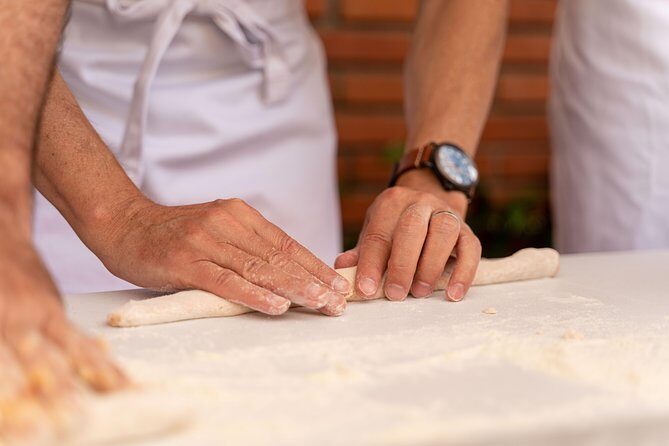
- You get three pasta recipes taught hands-on, not a single demonstration.
- You eat what you made, with local wines tied to the territory.
- The host is a Cesarina home cook, meaning you’re paying for real culinary knowledge in a private home setting.
- You receive take-home souvenirs: an apron and shopping bag.
Compared with many “cooking classes” that cover one dish and end quickly, this one is closer to a structured mini meal experience. The price often feels more justified when you think about the combination: multiple recipes + tasting + wine + a personalized teaching environment.
Also, you’re paying for a certain kind of access. Getting into a local kitchen is hard to replicate on your own without a guide. For many people, that access is the whole point.
My practical tip: book this if you genuinely want to learn technique you can repeat. If you just want a fun food photo, you might be happier with a lighter food walk or a restaurant dinner. But if you want skills plus a memorable meal, the price tends to line up.
Who this Sorrento pasta class suits best
This is especially good for:
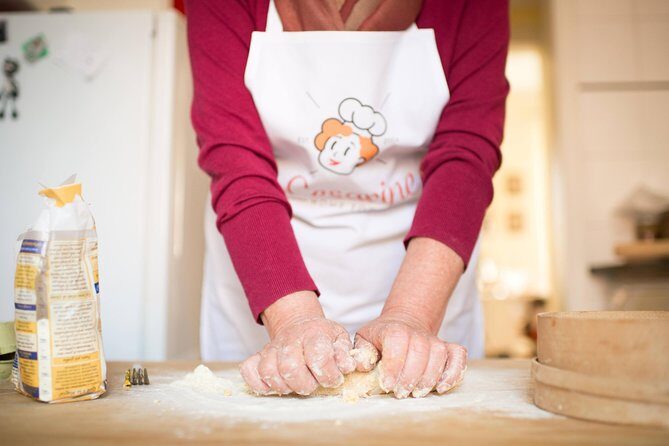
- Food lovers who want hands-on skills, not only tasting
- Travelers who like small-group experiences with real local hosts
- Couples and small groups who want a calm alternative to big-ticket attractions
- People who care about regional southern Italian cooking style
There’s also clear evidence that the hosts can support special diet needs. One guest specifically noted being gluten free and that the host provided gluten-free ingredients to make everything gluten free, which can be difficult to find elsewhere.
If you’re traveling with kids, this could work, but it’s a home setting and the format involves kitchen work. If your group prefers highly polished, corporate instruction, you might find the home setting more casual than expected.
What to bring and how to make the most of the lesson
This is a straightforward activity, but a few prep tips will help you get the best experience.
- Wear comfortable shoes. Home kitchens can mean standing and moving in small spaces.
- Bring your appetite. You’ll cook and then eat your creations paired with wine.
- If you have dietary needs, mention them clearly during booking. One guest experience shows hosts can provide gluten-free ingredients, but you want that addressed up front.
Also, plan your day around the meal finish. Because the class lasts about 3 hours, it’s best as a main event rather than something squeezed between long transfers.
If you’re the type who likes souvenirs, the included apron and shopping bag are a nice bonus. It’s practical for cooking later, not just a generic tourist item.
Should you book this Cesarina pasta class in Sorrento?
Yes, you should book it if you want a true local food experience you can learn from—not just eat. The strongest reasons are the small group size, the hands-on learning of three regional pastas, and the fact that you finish by tasting what you made with territory wines.
I’d skip it only if you’re mainly after a quick activity or you prefer restaurant-only experiences. Also, think twice if you dislike home-kitchen pacing or you need a very formal, large-venue setup.
If your idea of a great day in Sorrento includes cooking skills, a genuine host, and an end-of-class meal that feels like the region, this is a very smart choice.
FAQ
How long is the Cesarina pasta class in Sorrento?
It lasts about 3 hours, depending on the session you choose.
How many people are in the group?
The class has a maximum of 8 travelers.
Do you make pasta or just watch?
You’ll do hands-on cooking. The class teaches you to prepare three pasta recipes with the Cesarina’s assistance.
Is there food and wine at the end?
Yes. After cooking, you’ll taste what you made served with a selection of local red and white wines.
Where does the class take place?
It happens in a Cesarina’s home in Sorrento. You receive the exact address after booking, and the experience ends back at the meeting point.
What do you get to take home?
You receive a souvenir apron and shopping bag.
Can the class accommodate gluten-free needs?
One review specifically mentioned gluten-free ingredients being provided so everything could be made gluten free. If this applies to you, confirm your needs when you book.
You Might Also Enjoy

More Workshops & Classes in Sorrento

More Tour Reviews in Sorrento
- Sorrento Farm and Food Experience including Olive Oil, Limoncello, Wine tasting
★ 5.0 · 2,524 reviews