REVIEW · ISOLA DISCHIA
Boat excursion with lunch on board to discover Ischia
Book on Viator →Operated by Alcione Boat · Bookable on Viator
Ischia looks better from the water.
This boat day mixes classic island scenery with real time to swim, plus simple onboard meals that keep things relaxed. You’ll get English narration and coastal context as the captain works through Forio, the south coast, and back again.
What I love most is the combination of stops that feel both scenic and practical: you’re not just watching the coastline, you’re spending time in it. I also like how the food and drinks are built into the day, not tacked on—bruschetta first, then a traditional Neapolitan lunch, with coffee/tea and soda/pop in the mix. The one thing to consider is that the captain may adjust some swimming or cave/coast stops based on conditions, so if you hate changes to plans, build in flexibility.
In This Review
- Key highlights I’d plan around
- A family-run boat vibe that makes Ischia feel close
- Price and value: what $84.65 buys you for 7 to 8 hours
- Forio departures: the Church of Soccorso and the sea-first mindset
- Citara Bay: bruschetta with Ischia tomato and basil
- Punta Imperatore: Lucia Capuano and the lighthouse on the rocks
- Sorgeto’s thermal-water mix: a natural “pool” that changes your swim plan
- Sant’Angelo and the art of “going slower”
- Maronti and Cavascura: volcanic fumaroles and the old spa feel
- The wild coast: La Scarrupata’s colors and posidonia seafloor
- Lunch and the Green Grotto area around San Pancrazio
- Cartaromana and the Aragonese Castle: swimming with a view
- English Beach (and the Fungo): small, volcanic, and best with timing
- Zaro’s Madonna story and the final Forio feeling at San Francesco
- What to watch for on a day like this
- Should you book this Ischia boat excursion with Alcione Boat?
- FAQ
- What’s included with lunch on board?
- How long is the boat excursion?
- Is the tour in English?
- Are scuba activities included?
- What happens if weather is bad?
- Can I cancel for a full refund?
Key highlights I’d plan around
- Multiple swim stops in bays and along the coast, including thermal-area scenery and castle views
- Onboard bruschetta + Neapolitan lunch, plus coffee/tea, soda/pop, and bottled water
- English commentary from the crew, including family-run island stories
- Sorgetto’s natural thermal-water mix (sea meets thermal output around 90°)
- Aragonese Castle swim potential from the water, with the 220 m bridge and tidal-island setting
- Ischia’s volcanic sights in context, from fumaroles near Maronti to the Fungo di Ischia in Lacco Ameno
A family-run boat vibe that makes Ischia feel close
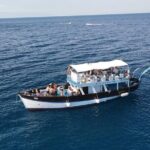
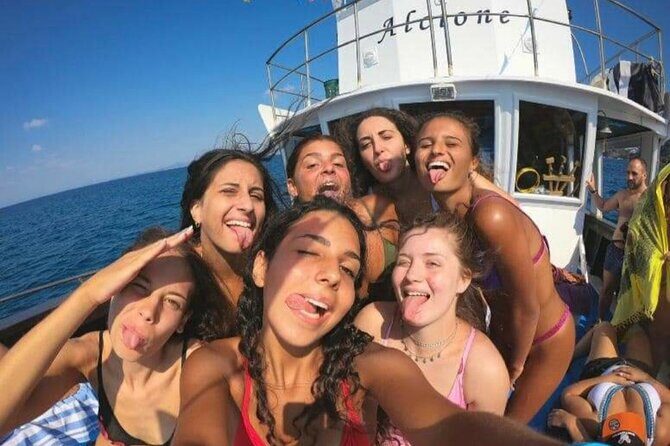
This is the kind of tour that works because it’s paced like a day out, not a checklist. The boat stays busy with cruising, narration, and stops, but it never feels like you’re being rushed from one “must-see” to the next.
The crew is the secret sauce. One review specifically calls out Fabio and his family running things like locals—welcoming, attentive, and focused on keeping everyone included. If you enjoy talking with people on trips, you’ll probably find it easy here, especially during the food-and-drinks stretches.
You can also read our reviews of more boat tours in Isola dIschia
Price and value: what $84.65 buys you for 7 to 8 hours
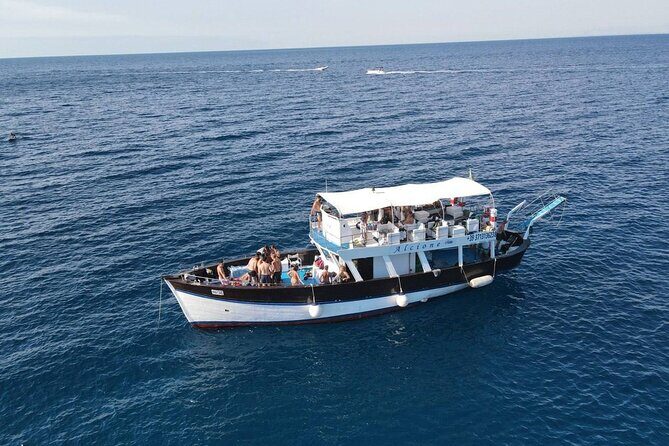
At $84.65 per person for roughly 7 to 8 hours, the value comes from bundling four things together:
- Transport by boat around a big slice of Ischia’s coast
- Several water time moments (swim breaks at multiple bays and beaches)
- Lunch onboard with typical Neapolitan food
- Drinks and extras like local wine, plus coffee/tea, soda/pop, and bottled water
If you were trying to recreate this on your own—boat, lunch, and drinks—it’s harder to make it land at this price without sacrificing either time on the water or the overall ease. The cap of 35 travelers also matters. It’s big enough to meet people, but small enough that you won’t feel swallowed.
Forio departures: the Church of Soccorso and the sea-first mindset
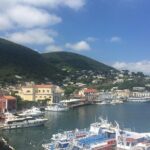
You start in Forio, and the first major sight is the Chiesa del Soccorso. It’s an instantly recognizable white church on the coast, and it sets the theme for the entire day: Ischia has always lived with the sea.
What makes this stop interesting isn’t just the view. The church’s facade mixes styles—Gothic, Renaissance, and Baroque—and inside you’ll find a layout with a nave plus three chapels and different vault types. There’s also a mention of the Cristo di Legno. Even if you don’t go inside, seeing the church framed by ocean tells you what you’re in for: dramatic coastline, constant maritime presence, and a community that leans into both religion and nature.
Citara Bay: bruschetta with Ischia tomato and basil
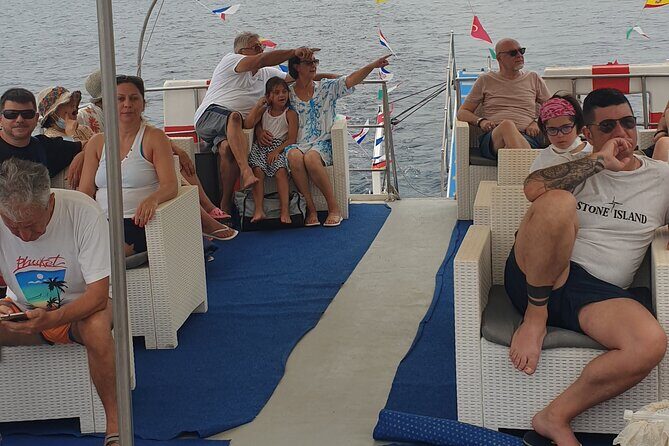
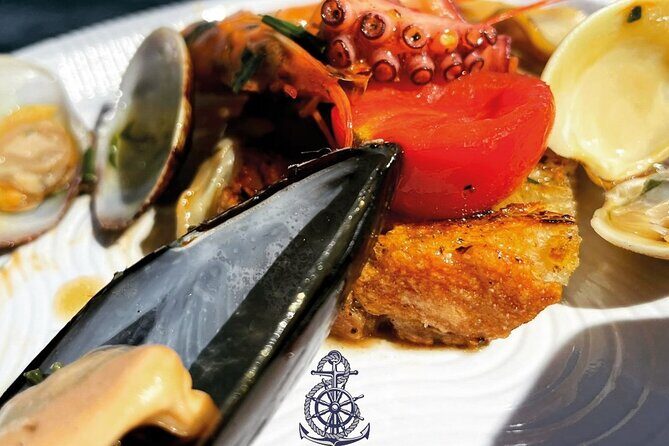
Your first swim-and-eat stop is Spiaggia di Citara at Baia di Citara. Then comes the real highlight for food people: bruschetta with Ischia tomato and basil, plus local wine. This is the kind of lunch that feels like it belongs at sea—simple, seasonal, and not trying too hard.
Citara also comes with stories. You’ll hear legends tied to Venus Citarea and local explanations for the bay’s name. One version involves the goddess’s tears after losing Adonis; another says Tifeo’s tears explain the flooding. The tour also points to Pietra della Nave, a rock that legends connect to Ulysses’s voyage back to Ithaca. Whether or not you treat legends literally, they give the coastline personality and help you remember what you saw after you get home.
Punta Imperatore: Lucia Capuano and the lighthouse on the rocks
After Citara, you’ll move toward the Punta Imperatore lighthouse area. The view from there is described as extraordinary, and the narration focuses on the human story behind the light: Lucia Capuano, the first female lighthouse keeper known in history.
Her story starts in the 1930s. Lucia was married to the lighthouse keeper Francesco—known as a’lanterna—who died there. With seven children and during war years, Lucia took over the role instead of stepping away. It’s a vivid reminder that this isn’t just scenic geography; people lived and worked in these harsh coastal conditions.
If you like history that feels grounded (not dusty), this is one of the stops that lands.
You can also read our reviews of more tours and experiences in Isola dIschia
Sorgeto’s thermal-water mix: a natural “pool” that changes your swim plan
Continuing on, you’ll see the bay of Sorgeto close up. Sorgeto is famous because it behaves like a natural thermal park: thermal waters rise from the sea bed and mix with seawater, and the description puts the thermal output around 90°.
The practical takeaway for you is this: even though you’re on open water, you can get that sea-plus-thermal effect. It’s sheltered from the wind, so you’re more likely to enjoy a calmer swim for much of the day. No, it’s not a hotel spa, but it is a neat way to experience Ischia’s volcanic energy without booking a separate thermal session.
Sant’Angelo and the art of “going slower”
Your next land-flavored stop is the Sentiero area around Serrara Fontana and then Sant’Angelo. Sant’Angelo is described as a marine fraction (not its own municipality) on the southern side of Ischia, and it’s known as one of the island’s most picturesque village areas.
What you’ll notice first is the layout and vibe. The center is pedestrian and cars are kept out, which makes the whole place feel calmer than you’d expect from a tourist hotspot. You’ll also see the two-part structure: an upper area with the church of San Michele Arcangelo, and the lower part with the harbor promenade, square, and tower. Offshore, there’s a tufaceous islet called la Torre connected by a narrow strip.
If your ideal day includes photo-worthy streets and an easy pause from ocean-only views, this stop is worth it.
Maronti and Cavascura: volcanic fumaroles and the old spa feel
Then you hit Spiaggia dei Maronti, one of Ischia’s well-known beaches, with views out over the coast and clear water. Near the beginning of Maronti beach, the tour highlights fumaroles—volcanic vents tied to geothermal activity—and notes temperatures can approach 100°.
From there you’ll hear about Cavascura, described as one of the oldest thermal basins on the island. The point isn’t just that it’s old; it’s that it retains much of the original appearance and still connects visitors to older thermal traditions. The description also mentions what you can do there on shore: massages, mud treatments, and thermal showers.
Even if your only plan is a swim today, understanding why you’re standing where you are makes the whole coastline feel more meaningful.
The wild coast: La Scarrupata’s colors and posidonia seafloor
At La Scarrupata (Sgarrupata), the day turns “wild.” This is a high coast with layered geology in colors from ocher yellow to purple red. The boat view is part of the appeal, and the description also points to emerald-green seabeds thanks to posidonia prairies.
There’s also a practical note: this stop may shift depending on water conditions or if the captain decides it’s better. That’s normal for a boat day here. If the sea is calm, you get those sea-to-cliff visuals that make Ischia feel raw.
Lunch and the Green Grotto area around San Pancrazio
When it’s time to eat, you’re at San Pancrazio, and this is where the tour’s pacing really works. Lunch is onboard, but the exact lunch spot can vary with weather, and the Green Grotto excursion can also change.
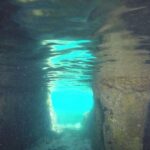
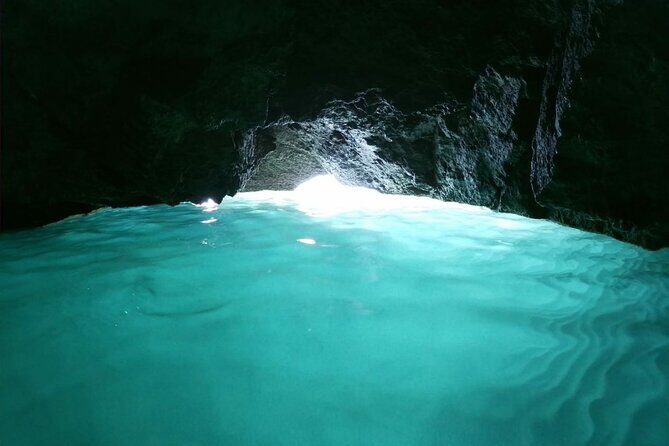
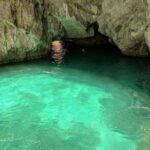
Here’s the key context you’ll want before you arrive: near Punta della Cannuccia, the Green Grotto is associated with a cave that glows green once you enter from the water. The tour description explains that you access it by entering from the sea and then seeing a green-lit interior. That fluorescent look is the whole point—worth it if you want something more than just beach time.
The tour also mentions a restaurant among ruins caused by a landslide around twenty years ago in the San Pancrazio bay. It’s a reminder that this coastline is dramatic but changeable, shaped by geology and weather over time.
Cartaromana and the Aragonese Castle: swimming with a view
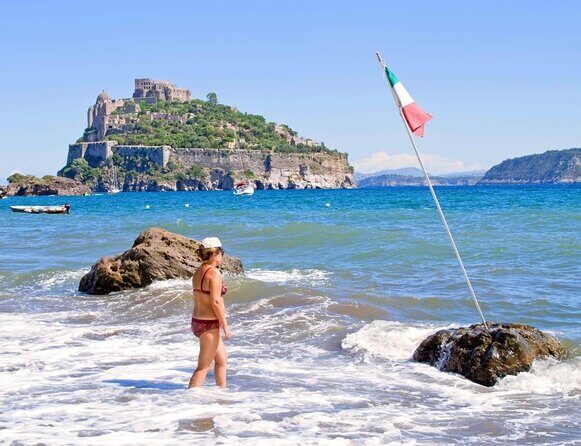
After the wild coast, you’ll head toward Cartaromana beach in the homonymous bay. The standout feature here is the view of the Aragonese Castle, which turns the swim into a postcard scene. The sand is fine and the sea is clear, and the description notes there’s seabed richness and an archaeological/faunal treasure.
Cataromana is also tied to a hot bath effect described as natural hydrotherapy. The idea is that the shoreline and rocks affect the warmth you feel in the water—another volcanic twist. You might see people hanging around the rocky edges and black stones longer than expected because the “extra warmth” makes the swim feel comfortable.
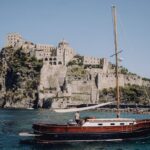
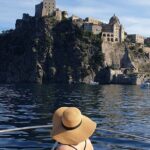
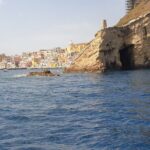
And then there’s the castle itself: the Castello Aragonese sits on a tidal island of trachytic rock on Ischia’s east side, connected to the old Borgo di Celsa (Ischia Ponte) by a 220 m masonry bridge. It rises about 113 meters above sea level and covers roughly 56,000 square meters.
You’re not climbing it on this tour from what’s described, but you’re close enough to feel its scale. The access point is described as a tunnel commissioned in the mid-15th century by Alfonso V of Aragon. Before that, people reached it by sea. When you see it from the water, that history makes sense instantly.
English Beach (and the Fungo): small, volcanic, and best with timing
On the north side, you reach the bay for Spiaggia degli Inglesi. It’s a small volcanic beach with pebbles and dark sand, sheltered by cliffs. The name comes from WWII, when British forces used it as a landing point during an attack.
The tour also gives you a very practical tip: it’s not easy to find, and you’ll walk from Ischia Porto. Look for a cobblestone path near the pier at the far end of the port, guided by a vibrant bougainvillea. Then go early in the morning so you get sun before the cliff shadow takes over.
From there, you’ll also be near Lacco Ameno and the Fungo di Ischia. This is described as a green tuff rock about ten meters high on the sea edge of a small cliff. The story is that it erupted from Mount Epomeo’s mouth, cooled when it hit the sea, and then wind and sea shaped it into the form you see today.
If you like volcanic landmarks that look like someone designed them, this is the stop that does that for you—without any museum wall in the way.
Zaro’s Madonna story and the final Forio feeling at San Francesco
As you head back toward Forio, you’ll pass the mountainous coast of Zaro, with luxury houses above the sea. On the 26th of each month, there’s a local religious apparition story called the Madonna of Zaro.
The narrative given includes a specific timeline: in 1994, two brothers named Paolo and Luigi formed prayer groups after claiming they had seen the Madonna. Later, on October 8, 1994, Paolo and Luigi, with Imma and Marianna, went for a rosary walk in the woods after lunch. They found two rocks as a pause point, recited the Holy Rosary, and then the story says Our Lady appeared and indicated Zaro would become a pilgrimage place. Whether you treat it as faith history or local folklore, the details make the coastline feel like it has living memory.
Before you return to port, you get San Francesco beach in Forio. The description frames it as romantic, between Punta Caruso with cacti and the Forio town area guarded by the church of Soccorso. The sea color is described as emerald, with small fish around protective reefs or a cave cut into the mountain. It’s a gentle landing after all the dramatic coastal variety you’ve seen.
What to watch for on a day like this
A few practical things that will help your day go smoothly:
- Swim time depends on conditions. Some stops are described as flexible based on the captain and water conditions.
- Plan for walking on the boat decks. One review raises comfort concerns about stairs and life jackets, especially for mobility or vision limitations, so take your own physical limits seriously.
- Bring your own comfort habits: sunscreen, a hat, and something you’ll be fine wearing again after a salty swim.
- There’s no WiFi on board, so treat the phone as optional.
Should you book this Ischia boat excursion with Alcione Boat?
Book it if you want a full-day Ischia circuit with swimming breaks, onboard lunch, and a family-run crew that keeps energy high without turning the trip into a rigid tour script. The value is strong because lunch, drinks, and multiple water stops are built in.
Skip or think twice if you can’t handle itinerary adjustments based on sea conditions, or if you prefer a quiet, minimal-drama sightseeing day. This is a boat day, and the sea leads the schedule.
If you do book, choose a day you expect decent weather and go in with the right mindset: eat well, swim where the captain stops, and let the coast stories guide what you notice next. That’s when this tour really works.
FAQ
What’s included with lunch on board?
Lunch on board is included, along with bruschetta before lunch, plus coffee and/or tea, soda/pop, and bottled water. Restroom facilities are also on board.
How long is the boat excursion?
It runs about 7 to 8 hours.
Is the tour in English?
Yes. The experience is offered in English.
Are scuba activities included?
No. Use of scuba equipment is not included.
What happens if weather is bad?
The experience requires good weather. If it’s canceled due to poor weather, you’ll be offered a different date or a full refund.
Can I cancel for a full refund?
Yes. You can cancel up to 24 hours in advance for a full refund, based on local time. If you cancel less than 24 hours before the start, the amount paid isn’t refunded.