REVIEW · SALERNO
Salerno: Private Cooking Class at a Local’s Home
Book on GetYourGuide →Operated by Cesarine · Bookable on GetYourGuide
Some meals get on your mind fast. This one gets in your hands.
A private class in a real Campania home means you cook three dishes from scratch (starter, fresh pasta, and dessert) while your host shares the practical tricks that make Italian food taste right. I also like that you taste everything you make, with a selection of local red and white wines, plus coffee. The one catch is simple: the address stays private until after you book, so you’ll need to plan around finding your host’s neighborhood.
You’ll usually get instruction in Italian and English. And in real examples, hosts like Cesarina, Sylvia, Carmen, and Antonia have made groups feel like family—warm, chatty, and focused on the food. Just know the class happens at a private home, and it’s not set up for wheelchair access.
In This Review
- Key highlights worth your attention
- Why cooking in a Salerno home beats a classroom
- Your 3-hour flow: what happens from start to finish
- Starter focus: seasonal ingredients and host-led technique
- Fresh pasta in Campania: the real work is in the details
- Dessert with a family-cookbook vibe
- Wine, coffee, and the moment you finally relax
- Price and value: what $164.26 per person really covers
- What to watch for before you book
- Who this Salerno private class is best for
- Handy tips so you get the most out of the night
- Should you book this private cooking class in Salerno?
Key highlights worth your attention
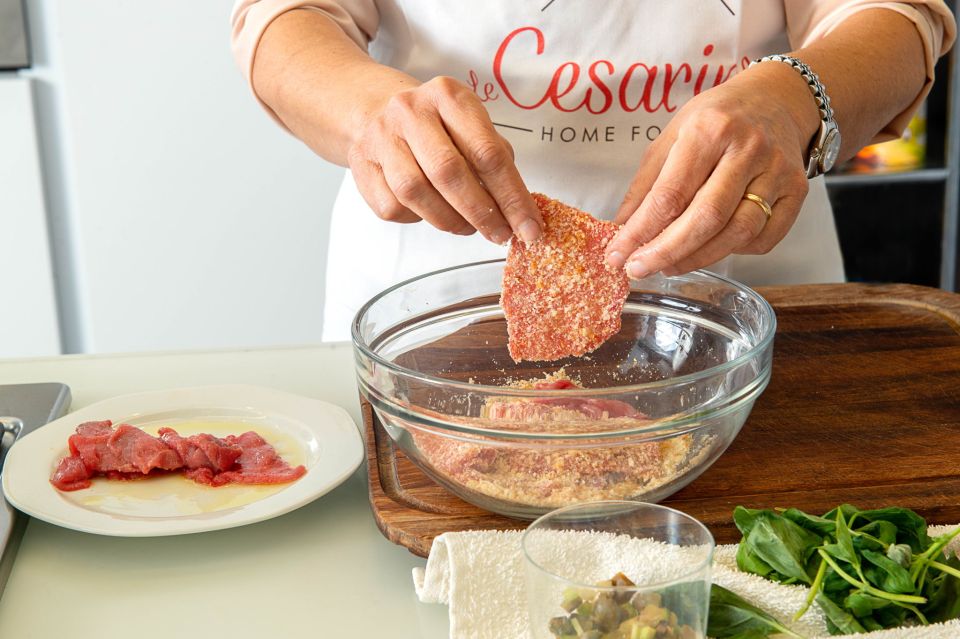
- Cook three Campania recipes: starter, regional fresh pasta, and a typical dessert
- Sit down to your own results: full tasting of everything you prepared
- Wine and coffee included: local red and white options during the meal
- Home-cook teaching style: you’ll get the small technique tips that matter
- Real people, real kitchens: hosts from the Cesarine network open their doors in 500+ cities
Why cooking in a Salerno home beats a classroom
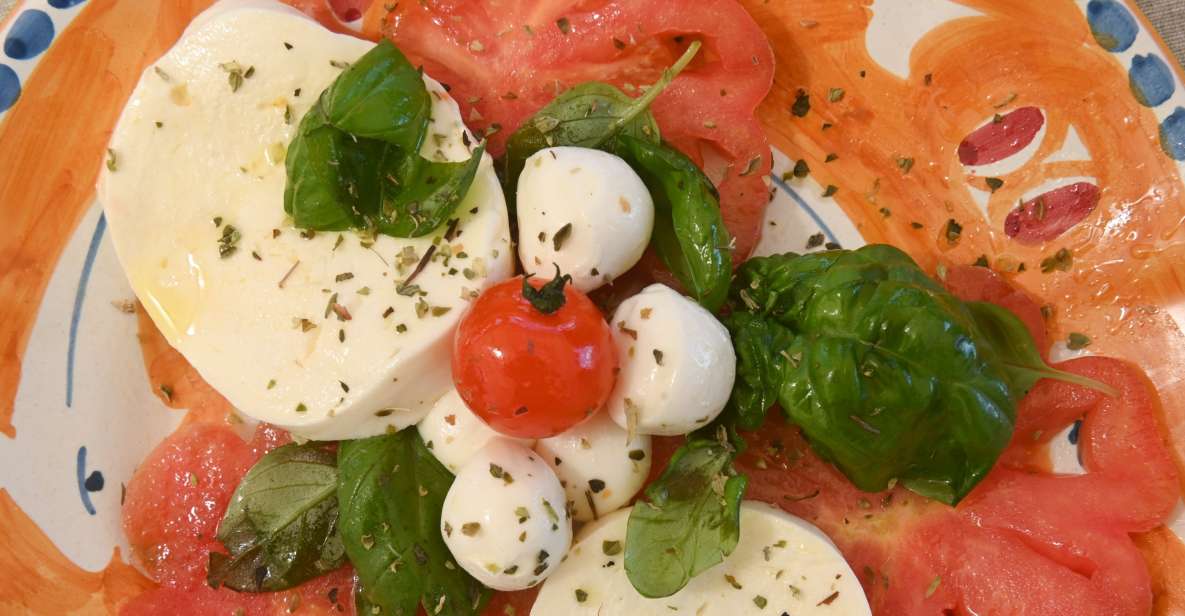
You’re not in a studio. You’re in someone’s kitchen. That changes the whole feel.
In a Cesarine-style experience, the host isn’t teaching from a script. They’re showing you their way—how they learned it, what they watch for, and what they do when something isn’t behaving. That’s why the class is more than recipes. You get the “why,” even when the explanation is quick.
I also like the human side: the setting encourages conversation. In past classes, hosts like Carmen welcomed people with real family energy, and Sylvia’s approach is remembered for being warm and personal. Even when language is a challenge, help may come from a family member who can support English, like Carmen’s daughter Francesca in one example.
The drawback? Because it’s a home, you’ll be working in a real household setup. That can feel cozier than a commercial kitchen, and it also means the experience is designed for typical mobility (it isn’t suitable for wheelchair users).
You can also read our reviews of more tours and experiences in Salerno.


Your 3-hour flow: what happens from start to finish
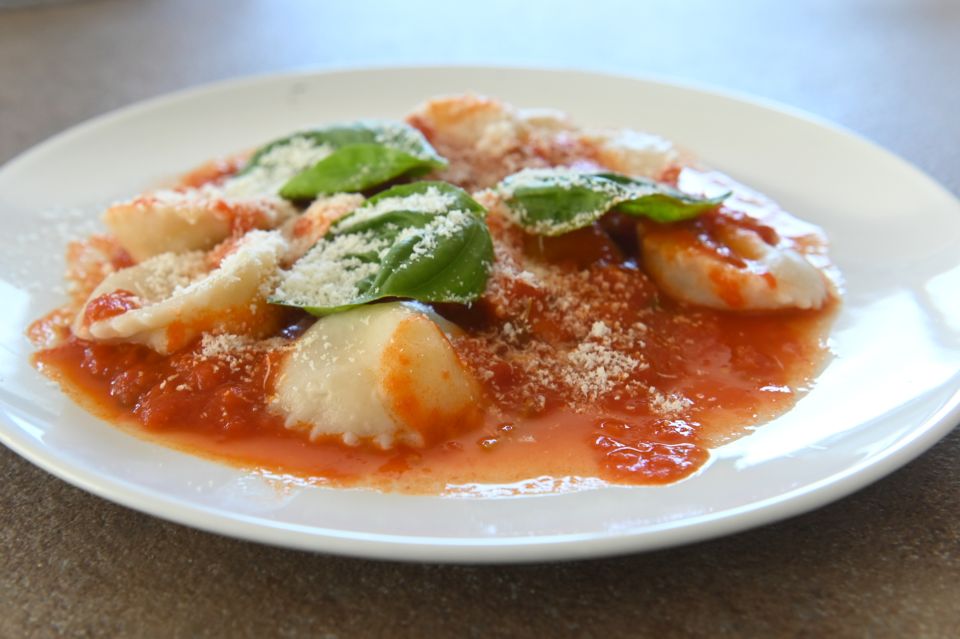
This class is designed to fit into about three hours, and it’s structured so you can actually cook, not just watch. You’ll be matched with a host based on practical details like food intolerances/allergies, your neighborhood, and how you plan to travel to the home.
Once you book, you’ll get the full address and contact info. For privacy reasons, you don’t receive the exact location upfront. So build a little buffer into your arrival time and don’t treat it like a quick, casual “walk in” stop.
A typical flow looks like this:
- Welcome and briefing: you’ll get a feel for the recipe plan and the pacing
- Hands-on prep and cooking: you’ll work at your workstation with utensils and ingredients provided
- Family-style meal: you sit down to taste the three dishes you made
- Wine and conversation: a selection of local red and white wines, plus coffee, stays part of the experience
Because the class includes tasting, the session doesn’t end when you wipe down the counter. You actually eat what you made.
Starter focus: seasonal ingredients and host-led technique
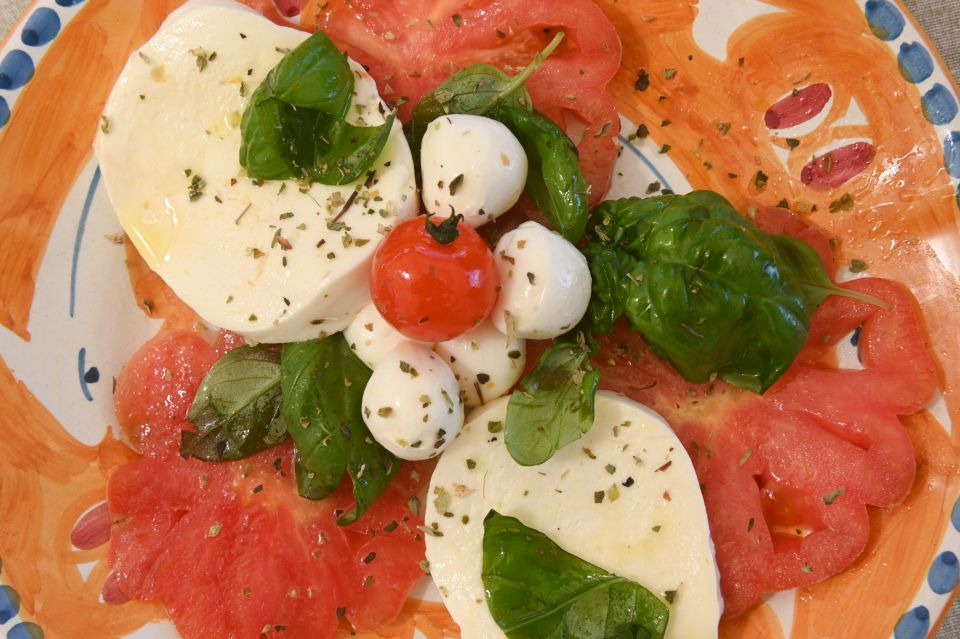
The class always starts with a starter that uses seasonal ingredients. This part matters more than you might think. Italian starters are often where technique shows up first: how ingredients are treated, how flavors are balanced, and how quickly you need to move once heat goes on.
In a good home class, you learn not only what to cook but what to avoid. For example, you’ll usually be coached on the difference between rushing prep and staying ready—especially when multiple components are happening. You’ll also learn how the host adjusts for taste in the moment, which is something you can’t get from a cookbook alone.
Your workstation comes ready with the tools and ingredients. That’s a huge convenience in a foreign country. You’re not trying to hunt down obscure items or figure out measurements from scratch. You can focus on learning the method.
Fresh pasta in Campania: the real work is in the details
The pasta course is where the class gets serious—in a good way. You’ll make fresh pasta of the region, using a method your host considers normal. And that’s exactly what makes it valuable: you’re not copying a tourist version. You’re making something closer to what locals cook.
Fresh pasta is all about feel and timing. You’ll likely spend time on shaping and handling until the dough behaves the way it should. Then comes the part where technique matters: how the pasta is cooked and how it meets the sauce (or finishes the dish). Small differences in timing can change the texture more than you’d expect.
The upside for you is that you leave with a repeatable approach. You won’t just remember a flavor. You’ll remember what the dough should feel like, what consistency looks right, and when to adjust.
One more bonus: learning pasta in a home often means you pick up practical habits. Think about how heat is managed, how surfaces are kept workable, and how the host keeps everything moving so you’re not stuck waiting while they do the heavy lifting.
Dessert with a family-cookbook vibe
For many people, dessert is the surprise win. The class includes a typical regional dessert, and you’re not stuck with a generic option that could exist anywhere.
The host brings a storytelling angle, often sharing how local dishes connect to their family cookbooks and traditional regional cuisine. Even if you only catch the gist, it helps the recipes land in your brain with context, not just steps.
Dessert also tends to teach patience. If there’s a bake, it’s about watching the cues—not just the clock. If there’s a no-cook or fast-set element, it’s about timing and portioning.
And yes, you get to taste it. You’re not just doing the work and hoping it turns out.





Wine, coffee, and the moment you finally relax
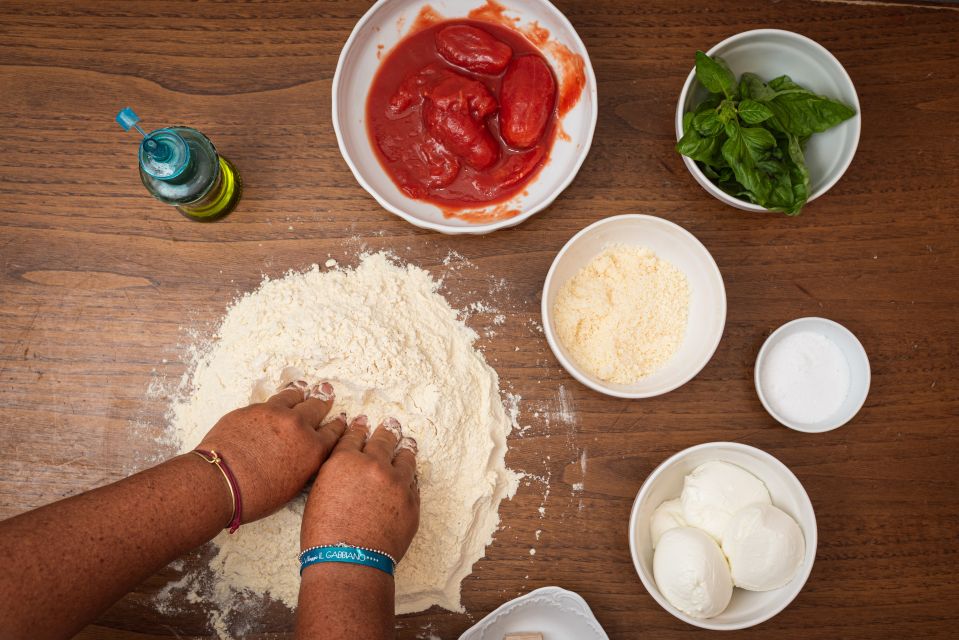
This is a tasting class built around what you made. When you sit down, you’ll taste the three recipes you prepared, paired with local wines: a selection of red and white.
The value here is in the pairing and the atmosphere. You’re learning in the kitchen, then tasting with the host nearby. That’s when you can ask quick questions and get answers tied directly to flavor. If something needs salt, balance, or texture tweaks, you can spot it while it’s fresh in your mind.
Coffee rounds it out. It turns the end of the experience into a proper meal, not a stop-and-go demonstration.
If you’re the type who likes food experiences but hates awkward small talk, you’re in luck. The structure makes conversation feel natural. People compare notes. The host explains what they do at home. You eat, and everyone stays relaxed.
Price and value: what $164.26 per person really covers
At $164.26 per person for a private 3-hour class, you’re paying for more than a recipe. You’re paying for:
- Private attention in a real home kitchen
- Ingredients and tools already set up for you
- Instruction in preparing three dishes
- A sit-down tasting of everything you cook
- Drinks: water, local wines, and coffee
If you compare it to a restaurant night plus buying ingredients for a cooking experiment, it starts making sense. You get the meal, but you also get the transferable skill set. And because it’s private, you’re less likely to feel rushed or ignored.
This is also the kind of activity where you’ll remember it later when you cook at home. That’s where the value kicks in: not just the taste that night, but your ability to recreate the method.
What to watch for before you book
There are a few practical considerations that can make or break the experience.
First, the meeting point isn’t a fixed public address you can rely on. You receive the full address after booking, and it’s held back for privacy. So plan your timing carefully and be ready to follow the host’s directions.
Second, this is not set up for wheelchair users. If mobility is part of your planning, you’ll want to think twice before booking.
Third, you’ll be asked for:
- Food intolerance and allergy details
- Your neighborhood you’re staying in
- How you plan to travel to the host home
That’s worth taking seriously. It helps your match with the right home cook and makes it more likely you’ll get a comfortable, safe experience.
Who this Salerno private class is best for
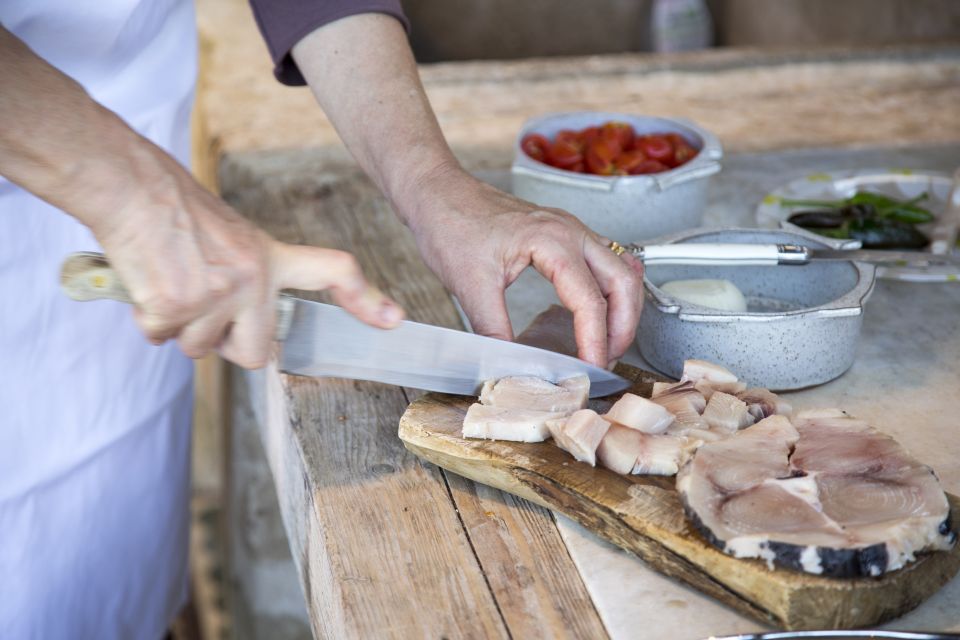
This is ideal for you if you want more than a meal. You want hands-on learning with real people.
It’s also a great fit if:
- You like Italian food and want to understand technique
- You prefer a private group pace over crowded classes
- You’re traveling with friends or a partner and want shared time
- You’re hoping to get a local-style dinner without a formal restaurant vibe
It can even work for language limitations. The experience lists Italian and English, and in one example the language gap was handled with family support.
If you’re the kind of cook who loves shortcuts, you might be tempted to treat this like a quick demo. Don’t. The best outcome happens when you actively do the steps and ask questions while you cook.
Handy tips so you get the most out of the night
A few small choices will help you enjoy it more.
1) Reply clearly about allergies and intolerance. The experience asks for this upfront, and it’s there for a reason.
2) Dress comfortably for a working kitchen. Even though it’s a “class,” you’ll be doing real cooking tasks at your workstation.
3) Come hungry, but not frantic. You’ll cook and then eat what you made. If you arrive starving, you’ll rush. If you arrive stuffed, you won’t enjoy the tasting.
4) Be ready to communicate. Even with English support, Italian hosts may speak Italian first. A friendly attitude gets you far, and sometimes help comes from family.
5) Bring curiosity, not perfectionism. Cooking in a home means you’re learning. The goal is to get it right together, then enjoy the meal.
Should you book this private cooking class in Salerno?
Yes, if you want a genuine, teachable food experience in Campania. This is one of those evenings that turns into a story you can repeat, because you’re not just eating—you’re learning and tasting immediately.
Book it if:
- You want three-dish cooking in one night
- You care about technique you can recreate at home
- You like the idea of a host welcoming you like family
- Wine pairing and a sit-down meal are part of what you enjoy most
Think twice if:
- You need a fully accessible setup (it’s not suitable for wheelchair users)
- You don’t like private-address experiences and want a simple street-corner meeting point
- You’re only interested in watching, not hands-on cooking
If you’re on the fence, this is a strong pick for a first or second Italian cooking class—because it mixes foundational skills (fresh pasta) with approachable learning (starter and dessert), then rewards you with the tasting the same night.