REVIEW · POSITANO
Positano: Pasta & Tiramisu Cooking Class at a Local’s Home
Book on GetYourGuide →Operated by Cesarine · Bookable on GetYourGuide
Fresh pasta beats pasta lessons. This class near Positano is hands-on from the first roll of dough, with you learning sfoglia by hand and making two iconic pastas from scratch. I also like that you don’t just cook—you get to sit down and taste what you made, with an aperitivo of prosecco and nibbles plus wine or prosecco during the meal.
One thing to plan for: it’s in a local home about 3–6 km from Positano, and you only get the full address after booking, so you’ll want to be ready for a little extra coordination.
In This Review
- Key Things to Know Before You Go
- Why This Positano Pasta Class Feels More Like Dinner Than a Demo
- Cesarine Home Cooking: What You’re Really Buying
- The 3-Hour Flow: Aperitivo, Dough, Two Pastas, Tiramisu
- Aperitivo Warm-Up First
- Then the Dough Lesson: Rolling Sfoglia by Hand
- Two Iconic Pastas (From Scratch)
- And Then: Tiramisu as the Sweet Finish
- Finally: Taste Everything You Made
- Getting the Address Right: Local Home Logistics Near Positano
- Small Group Size: Why Max 10 Matters
- Teaching Style You’ll Actually Notice
- Rolling Sfoglia Without Making It a Stress Project
- Two Pasta Types Plus Tiramisu: A Real Meal You Can Copy Later
- The Two Pasta Recipes
- Tiramisu Like You Mean It
- Wine, Prosecco, and the Eating Part Most People Forget
- Who This Class Suits Best (And Who Should Skip It)
- Price and Value: $243.56 for Skill, Food, and Local Hospitality
- Things to Confirm With Your Host Before You Arrive
- Should You Book This Positano Pasta & Tiramisu Class?
- FAQ
- Where does the cooking class take place?
- How long is the cooking class?
- How big is the group?
- What will I learn to make?
- What food and drinks are included?
- What language will the instructor use?
- Is this experience accessible for wheelchair users?
- Will I get a wine or prosecco during the class?
- What should I do if I have allergies or intolerance?
- What is the cancellation policy?
Key Things to Know Before You Go
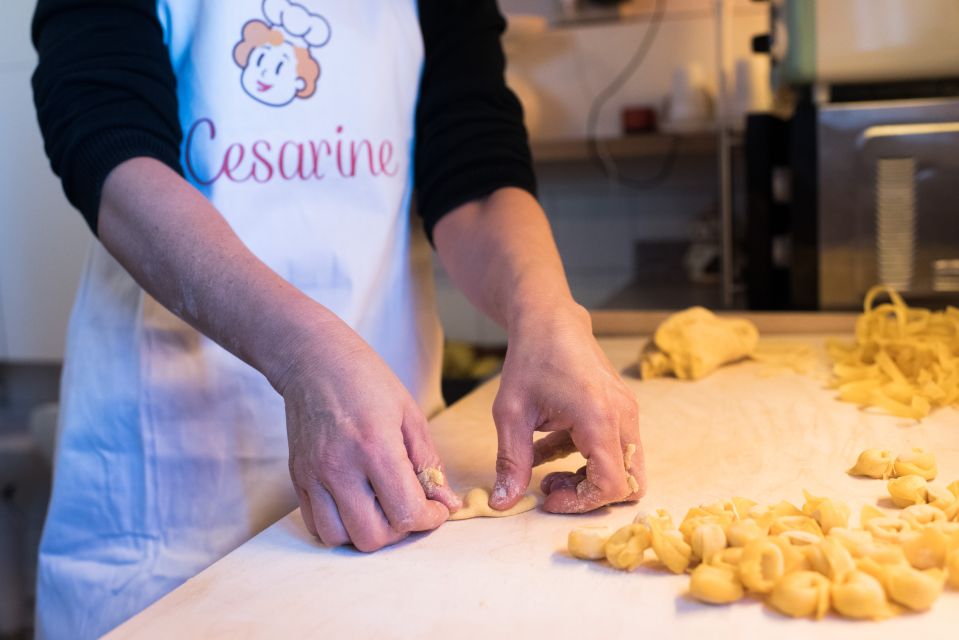
- You’ll practice fresh pasta basics: rolling sfoglia by hand, not just watching it happen.
- You’ll make a full dessert at home-taste pace: classic tiramisu is part of the 3-hour session.
- Small group size (max 10) keeps the room from turning into a factory line.
- Cesarine hosts vary by class—you may cook with different local home cooks like Rocco and Carla, or Antonio and Andriana.
- You eat what you make with local wine or prosecco, so the timing feels like a real meal.
Why This Positano Pasta Class Feels More Like Dinner Than a Demo
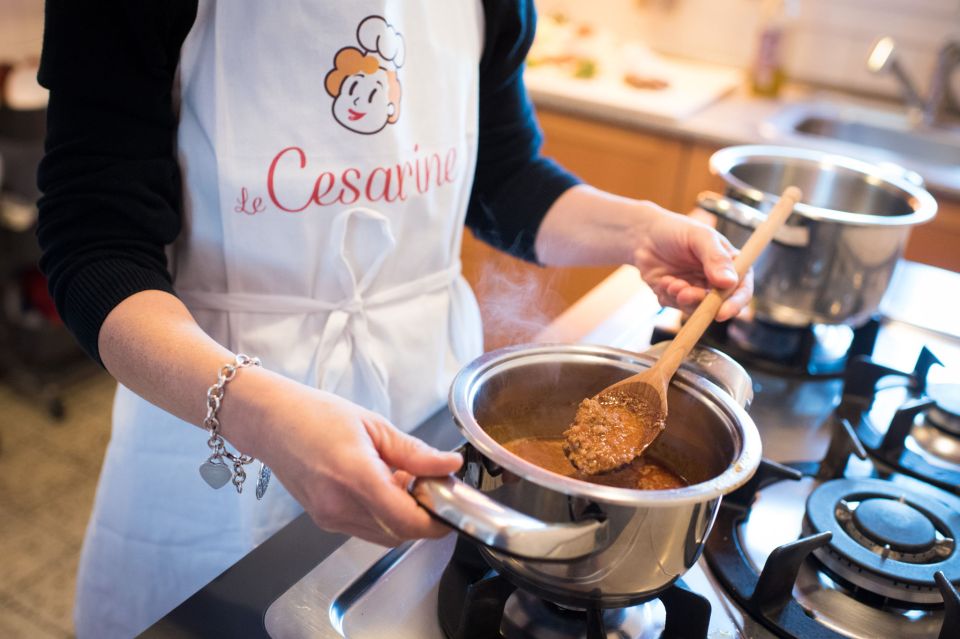
Positano is packed with visitors. Cooking classes can sometimes feel like a performance: you stand back, snap photos, and leave with recipes you’ve never actually made. This one is designed to do the opposite. You learn the real physical skills—how the dough should feel, how to shape pasta, and how tiramisu comes together step by step.
The value isn’t only that the pasta tastes good. It’s that you’re learning technique you can repeat later. Once you’ve rolled sfoglia yourself, you understand why fresh pasta cooks differently and why the texture matters when you toss it with sauce.
You can also read our reviews of more tours and experiences in Positano.


Cesarine Home Cooking: What You’re Really Buying
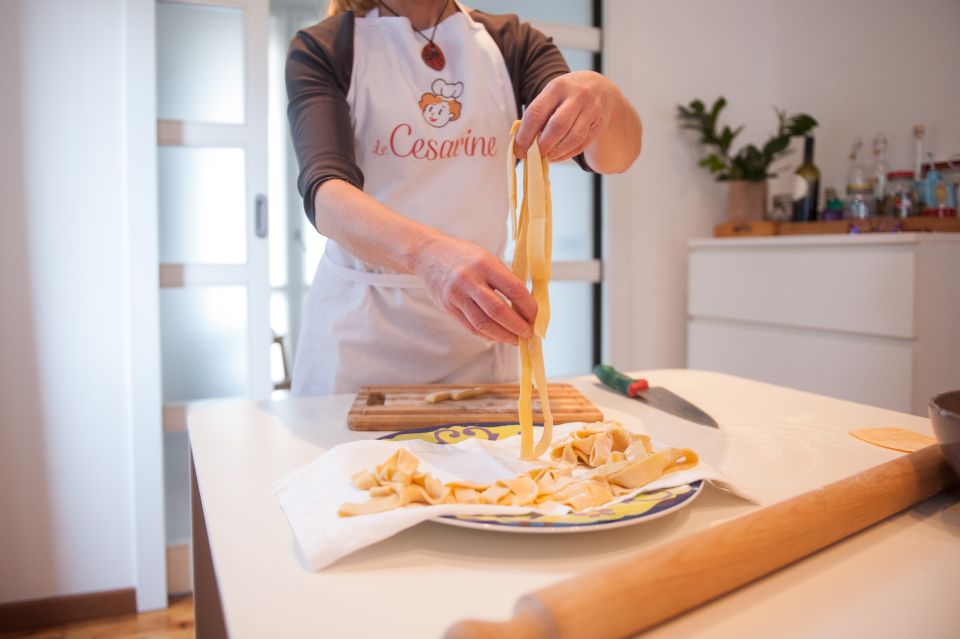
This experience is run through Cesarine, Italy’s long-running network of home cooks. That matters, because you’re not in a studio kitchen. You’re in someone’s home kitchen, using their rhythms and local habits for ingredients and timing.
It also explains why the class can feel personal even though it’s structured. Hosts I’ve seen referenced include couples like Rocco and Carla, instructors such as Antonio, and other local chefs like Sergio, plus hosts like Giacomo and Francesco. Even when the names change, the format stays focused: hands-on cooking, home-style ingredients, and a shared meal.
A practical perk: some hosts also share extra material after the class—at least one guest mentioned a recipe PDF provided to guests. If you like having a follow-up plan for the next night at your rental kitchen, that’s the kind of detail that pays off.
The 3-Hour Flow: Aperitivo, Dough, Two Pastas, Tiramisu
The class lasts about 3 hours. You’ll be guided in English (with Italian used as needed), in a small group limited to 10 participants.
Here’s the typical order of events, and what each part does for you:
Aperitivo Warm-Up First
You start with an Italian aperitivo: prosecco and nibbles. This isn’t just a drink ticket. It sets a relaxed tempo so you’re not rushing into flour-covered chaos. It also helps you mingle before you’re elbow-deep in dough.
Then the Dough Lesson: Rolling Sfoglia by Hand
Fresh pasta teaching is only useful if you touch the dough. This class explicitly focuses on learning to roll sfoglia by hand, from scratch. You’ll get taught the method, but you also get the muscle memory—how thin to go, how to handle without tearing, and how to work with what you see and feel.




Two Iconic Pastas (From Scratch)
After the dough practice, you’ll make two different pasta types. The goal is to give you variety without turning the session into a sprint. If you love regional Italian food, this is a nice shortcut to understanding how different shapes and textures change how sauce clings.
And Then: Tiramisu as the Sweet Finish
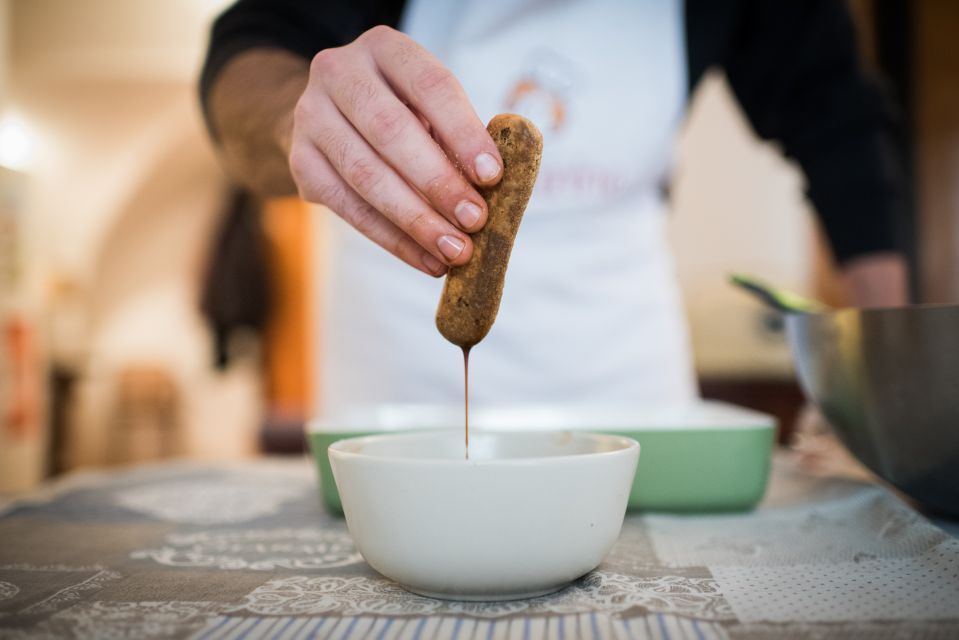
You’ll also learn to prepare the iconic tiramisu. That’s important because tiramisu has a few common pitfalls—wrong layering, rushed assembly, or texture that sets poorly. Learning it properly means you can recreate it at home without guessing.
Finally: Taste Everything You Made
You’ll eat the two pasta recipes and the tiramisu you made. You also get water, wine and coffee, and you’ll likely have local wine or prosecco during the tasting. This is one of the best parts of the experience: it turns cooking into a full meal, not a sample platter.
Getting the Address Right: Local Home Logistics Near Positano
This class happens in a local home 3–6 km from Positano. For privacy reasons, the full address isn’t sent upfront. You only get it after booking, and you’ll be contacted by email to match you with your host.
For your day, that means you should plan transport with a bit of slack. Some classes in this area are reached via short rides from Positano, and one guest specifically noted it was close enough for a bus ride. Still, don’t assume it’s walkable. If you’re staying in the steeper parts of town, a “short distance” can still be a tough stroll.
If you want a smooth arrival:
- write down your email confirmation details
- message with your accommodation neighborhood when asked
- show up early enough to find parking or the pickup route, if any is available to your host
Small Group Size: Why Max 10 Matters
A max group of 10 participants sounds like a marketing number, but it changes your cooking experience. In a smaller room, you get help when you need it—when the dough resists, when a shape isn’t cooperating, or when tiramisu layering needs a quick fix.
It also keeps the class from feeling rushed. Pasta is tactile. It doesn’t respond well to a strict clock. In smaller groups, hosts can slow down and correct technique before you lock in bad habits.
Teaching Style You’ll Actually Notice
The coaching approach tends to be practical and friendly. Based on what’s been shared from different hosts, you might cook alongside a teacher like Carla, with Rocco as the host presence, or you might meet an instructor like Antonio who explains in a clear, confident way. In one setup, Antonio’s wife, Andriana, helped with wine guidance and conversation, which makes the aperitivo-to-meal shift feel natural.
That type of teaching matters because fresh pasta can be intimidating if you’re only relying on instructions. When the host adjusts your technique on the spot, you leave understanding the why, not just the what.
Rolling Sfoglia Without Making It a Stress Project
The headline skill here is learning to roll sfoglia by hand. This is the foundation of fresh pasta, and it’s also where most people struggle—too thick and it feels heavy, too thin and it tears.
What makes this class valuable is that you’re not stuck with one method. You’re working through the process under an Italian cook, using hands-on correction. You’ll learn how to manage the dough as it becomes flexible and how to keep it workable without overhandling.
If you’re the kind of person who hates sticky messes, don’t worry. It’s part of the fun. In a home kitchen setting, the host can adapt on the fly so you spend your energy learning, not constantly wiping and panicking.
Two Pasta Types Plus Tiramisu: A Real Meal You Can Copy Later
The class isn’t only about learning. It’s about building a menu you can repeat.
The Two Pasta Recipes
You’ll make two iconic pasta types from scratch. Since the specific shapes aren’t listed here, your exact pair will depend on the host. The consistent part is the skill set: dough handling plus shaping and cooking guidance.
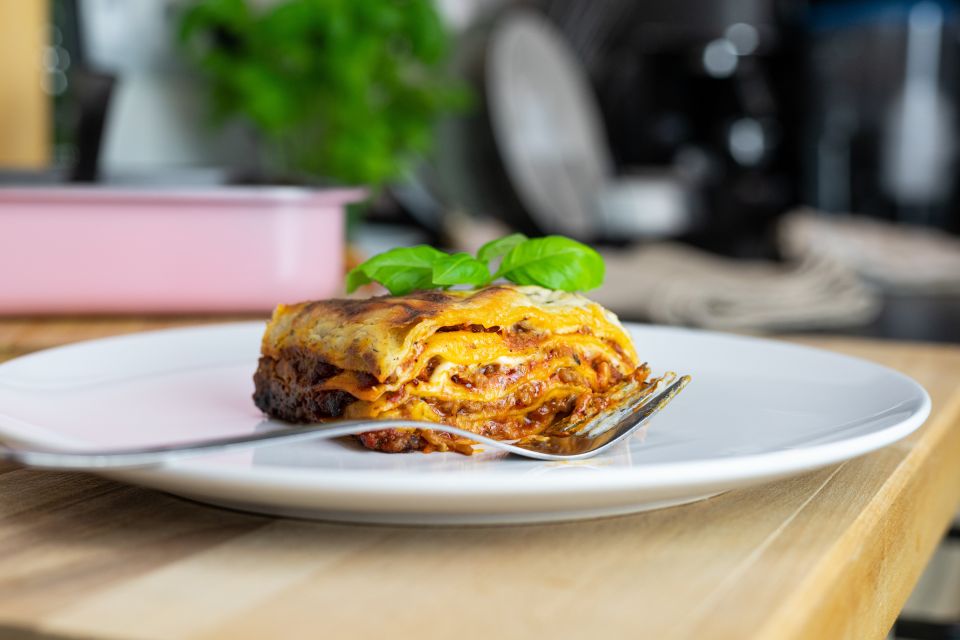
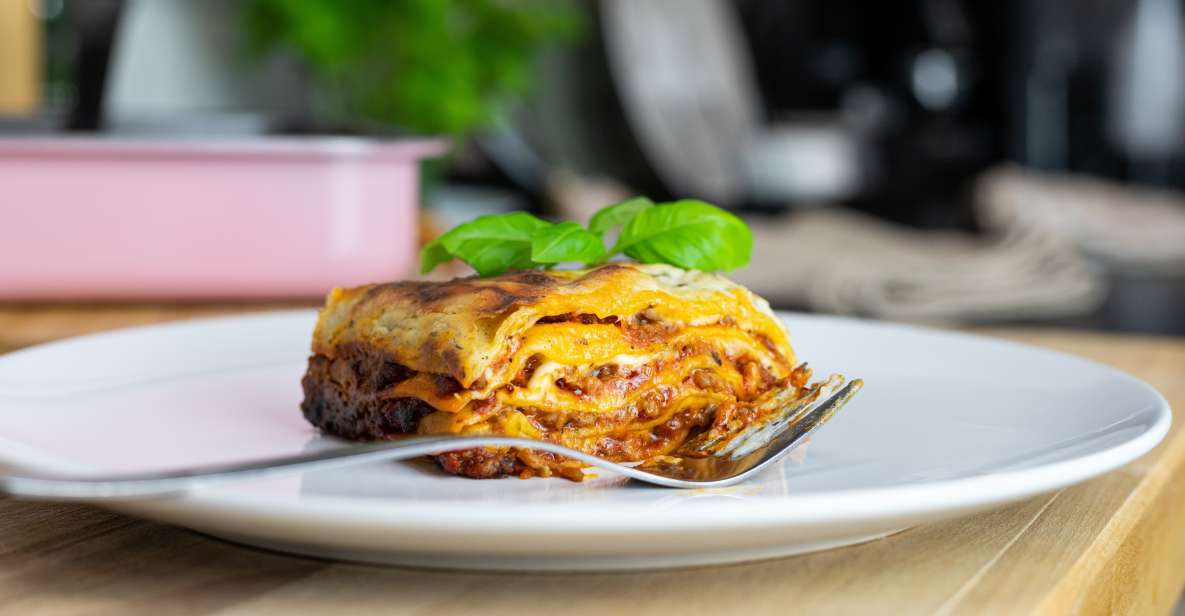
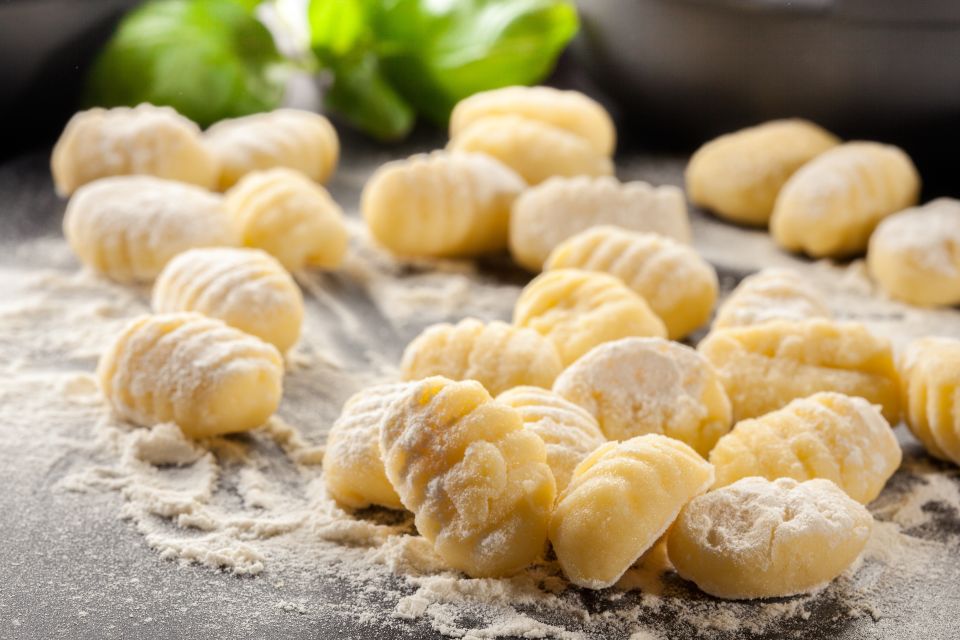
One guest noted a highlight meal component they loved, describing a dish that included gnocchi with bolognese served as part of the overall experience. While that may vary, it’s a reminder that the final tasting can include genuinely satisfying Italian comfort food alongside what you produce.
Tiramisu Like You Mean It
Tiramisu gets treated like a finale in many Italian experiences, but here you actually learn the preparation. That’s huge if you want to bake successfully later at home. You’ll get a sense for how it should look as it’s assembled and how timing affects the final texture.
If you’re traveling with a sweet tooth, this is the moment you’ll remember after you’ve forgotten half of the menu at restaurants.
Wine, Prosecco, and the Eating Part Most People Forget
The class includes beverages—water, wines, and coffee—plus an aperitivo of prosecco and nibbles. During the tasting, you’ll have local wine or prosecco with what you cooked.
This is more than a perk. Pairing drinks with the meal helps you connect flavors to technique. Fresh pasta and sauce aren’t the same experience without tasting them at the moment they’re ready. When you finish cooking and immediately eat, you build a stronger memory of what works.
Also, since the hosts are part of a local network, the wine conversation can be more personal than generic restaurant talk. If you’re into wine, ask the host what to look for in the pour.
Who This Class Suits Best (And Who Should Skip It)
This is a great fit for:
- food lovers who want hands-on technique
- couples or small friend groups who like making dinner together
- travelers who want something more grounded than a restaurant meal
- anyone who wants a practical souvenir: skills you can use at home
You might want to choose something else if:
- you’re looking for a large, sightseeing-heavy outing (this is cooking-focused)
- you need wheelchair accessibility (this activity is not suitable for wheelchair users)
Price and Value: $243.56 for Skill, Food, and Local Hospitality
At $243.56 per person, the price is not cheap. But you’re paying for a package that combines several things that add up quickly on your own:
- a small-group home setting
- instruction in fresh pasta technique (sfoglia by hand)
- guidance and ingredients for two pasta types
- instruction for tiramisu
- tasting of everything with beverages included
- local taxes included
If you’ve ever added up the cost of renting a kitchen, buying the ingredients, and taking a private class, this kind of experience can look better fast. The real question is not whether it’s affordable. It’s whether you want a skill-based memory more than another plate in a restaurant.
Things to Confirm With Your Host Before You Arrive
Because hosts vary, and because pasta sessions can shape a bit around group pace, I’d check a couple points when you’re matched:
- Which exact two pasta types you’ll be making
- Any language approach you prefer (you’ll have an instructor covering English, with Italian used throughout)
- If you have food intolerance or allergies, list it clearly during the matching step so the host can plan
You’ll be asked for specifics like food intolerance and allergies, your neighborhood in the area, and how you plan to travel to the home. That matching process is there for a reason. Use it.
One more practical note: there has been at least one reported case where a guest felt the class ended up making only one pasta type as emphasized. That doesn’t mean it happens every time. Still, it’s smart to ask early which two pastas you’ll be focusing on so you can pace your expectations.
Should You Book This Positano Pasta & Tiramisu Class?
If you want a hands-on food experience in Campania that feels like you’re invited into an Italian kitchen, I’d book it. This one is built around technique (sfoglia by hand), a full meal you eat immediately, and small-group attention that helps you actually learn instead of just snack.
Book it especially if:
- you like the idea of carrying home a real method for fresh pasta and tiramisu
- you’re traveling with food-focused friends or a partner
- you’re happy to trade a bit of sightseeing for a morning or afternoon that ends in dessert and wine
Skip it if your priority is big-name attractions over learning, or if you need wheelchair accessibility.
If you do book, send your allergy/intolerance details and your neighborhood when asked. Then show up early, expect flour, and treat it like a real dinner invitation.
FAQ
Where does the cooking class take place?
The class is held in a local home about 3–6 km from Positano. For privacy, you receive the full address only after booking.
How long is the cooking class?
It lasts 3 hours (starting times depend on availability).
How big is the group?
It’s a small group limited to 10 participants.
What will I learn to make?
You’ll learn to roll sfoglia (fresh pasta) by hand, make 2 iconic pasta types from scratch, and prepare tiramisu.
What food and drinks are included?
Included items are pasta (2 types) and tiramisu, plus tasting of everything you make. You also get beverages such as water, wines, and coffee, along with an Italian aperitivo (prosecco and nibbles).
What language will the instructor use?
The instructor provides instruction in English, and Italian is also used.
Is this experience accessible for wheelchair users?
No, it is not suitable for wheelchair users.
Will I get a wine or prosecco during the class?
Yes. The experience includes an aperitivo (prosecco and nibbles) and you’ll also have local wine or a glass of prosecco with the tasting.
What should I do if I have allergies or intolerance?
You’ll be asked to share food intolerance and allergy information during booking or by email, so your host can be matched appropriately.
What is the cancellation policy?
Free cancellation is available up to 24 hours in advance for a full refund.