REVIEW · GUIDED
Pompeii Guided Tour with Archaeologist
Book on GetYourGuide →Bookable on GetYourGuide
Pompeii hits harder when someone explains it. This 2-hour guided tour is built for focus: you meet at Porta Marina Superiore and move past the main queue to start seeing the city’s standout spaces right away. You’ll cover major stops like the forum area, the suburban baths, and the plaster casts, with an archaeologist guiding the story of daily life—and what happened in 79 A.D.
Two things I’d put near the top for your trip: the small group (max 16) keeps the pace practical, and the guide’s explanations make the ruins feel readable instead of confusing. One heads-up: the tour clock can feel a bit tighter at the start if there’s time for radio/equipment setup, so arrive early and don’t plan other timed stops immediately after.
In This Review
- Key things to know before you go
- Meeting at Porta Marina Superiore: fast entry and easy orientation
- Two hours in Pompeii: the route that prioritizes the essentials
- Forum and public life: reading the city’s daily rhythm
- Suburban baths: the surprisingly human side of Pompeii
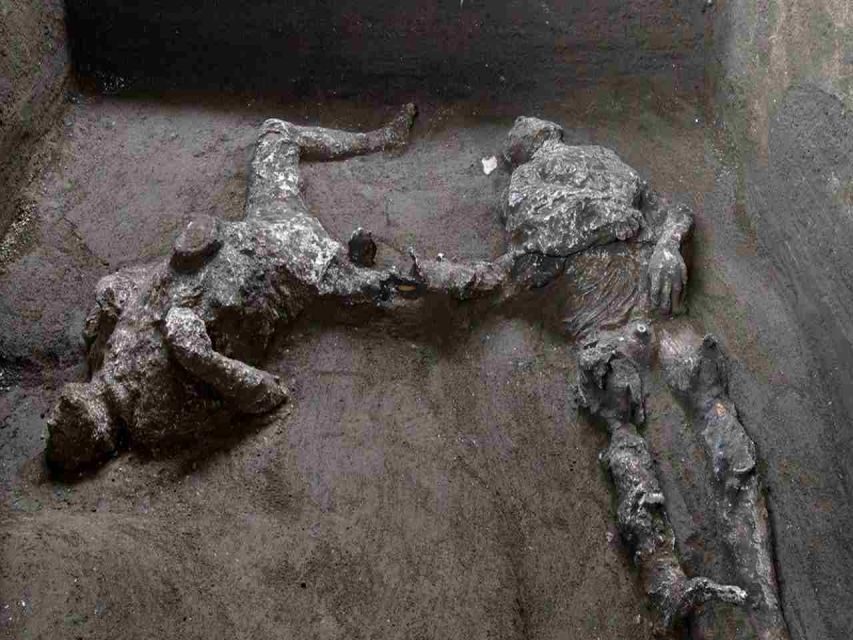
- Plaster casts: why the eruption story feels personal
- Hearing 79 A.D. explained in the same place you’re standing
- Small-group format: why up to 16 people feels better here
- What’s included with the $64 price—and why that’s the real value
- Villa of the Mysteries is not included: plan your second act
- After the tour: stay inside and explore like you know the place
- Should you book this Pompeii archaeologist tour?
- FAQ
- Does the tour include Pompeii entry?
- Where do I meet the guide?
- Is there a skip-the-line benefit?
- How long is the tour?
- How big is the group?
- Is the guide an archaeologist?
- Which languages are offered?
- Does the tour include the Villa of the Mysteries?
- Will I be able to stay inside Pompeii after the tour?
- What if I need to change plans?
- How much context do I get about the eruption?
Key things to know before you go
- Skip the queue at Porta Marina Superiore with an express security check
- Regional archaeologist guide leads the walk for clearer context as you move through the site
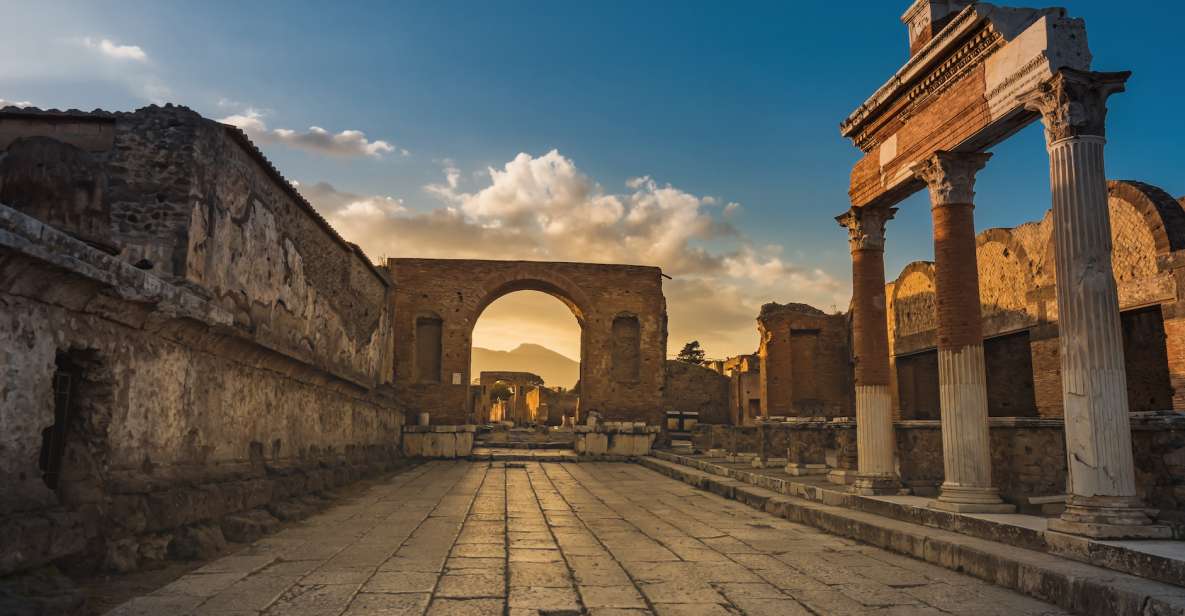
- Forum, suburban baths, and plaster casts are the core “big moments” on this 2-hour route
- Small group pace (up to 16 people) makes it easier to ask questions and keep moving
- Villa of the Mysteries is not included, so you may need a separate plan
- You can stay inside after the tour and ask for recommendations for nearby highlights
Meeting at Porta Marina Superiore: fast entry and easy orientation
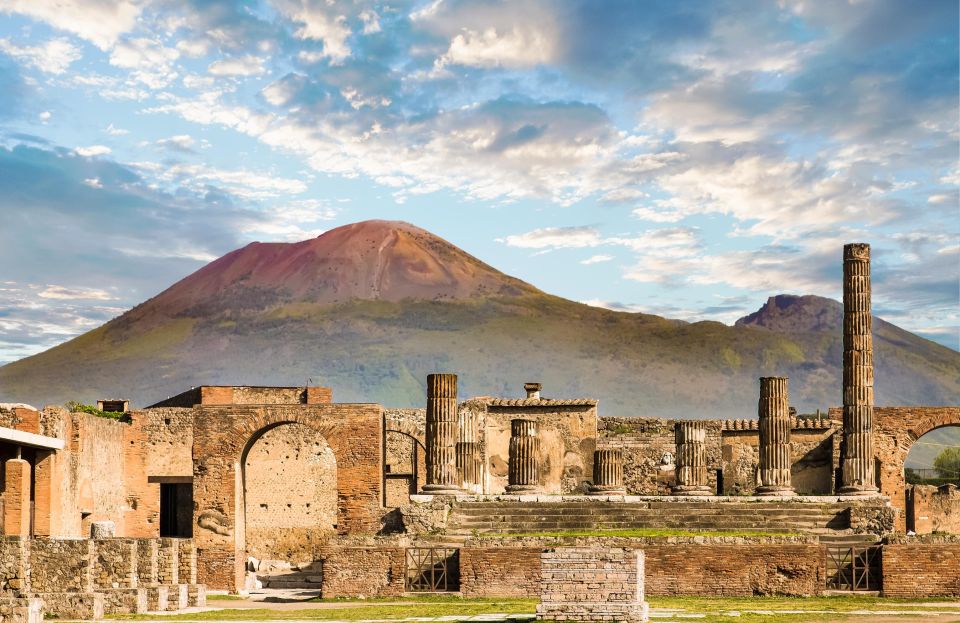
This Pompeii tour starts at the main entrance: Porta Marina Superiore. You’ll meet the guide holding the company sign, then head in via an express process that helps you skip the long queue at the gate.
That matters more than it sounds. Pompeii can be frustrating if you lose time just getting inside. Here, the setup aims to get you walking while the ruins still feel sharp and fresh in your mind, not after your energy has been drained by waiting.
Also, double-check you’re at the correct entrance. One common snag is showing up at the wrong end and then being transported to where the tour actually begins. If you’re early, look around for the sign and confirm the guide’s group before you drift.
Two hours in Pompeii: the route that prioritizes the essentials
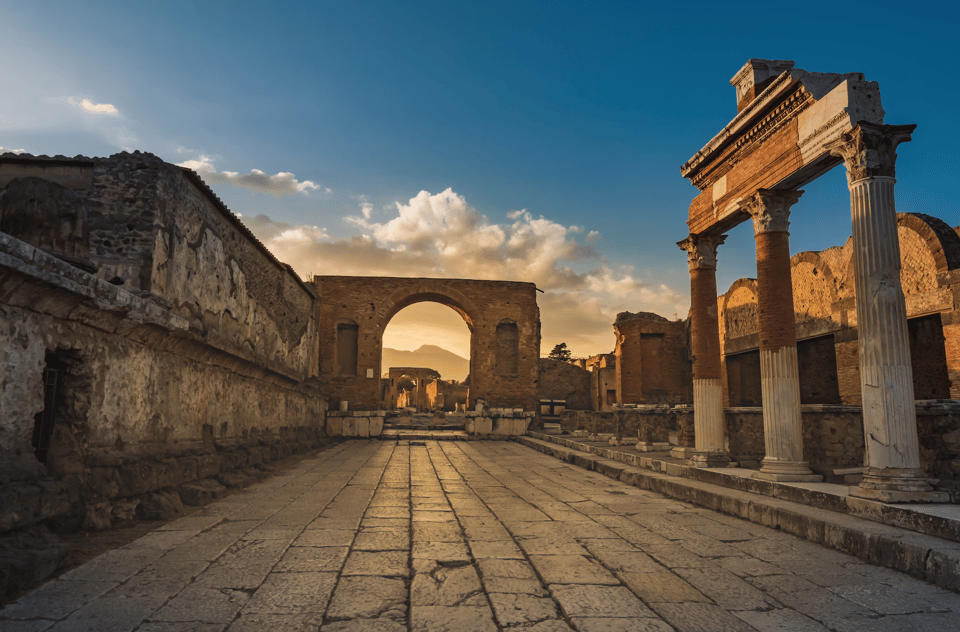
The tour is designed to be efficient. In 2 hours, you’ll hit a sequence of major areas rather than trying to cover the whole archaeological park, which is huge. The plan is to walk the most suggestive spaces and connect them to how people lived.
So think of this as a “best-of with expert captions” format. You’ll get the big visual landmarks first, then you can continue at your own pace after the guide finishes. That’s a smart way to avoid the classic problem of Pompeii: seeing many things, but remembering almost none of them.
You’ll also start forming a mental map early. When you later return on your own, you’ll know what each area is trying to show you—public life, domestic routines, and the eruption’s impact—rather than wandering with only signage.
Forum and public life: reading the city’s daily rhythm
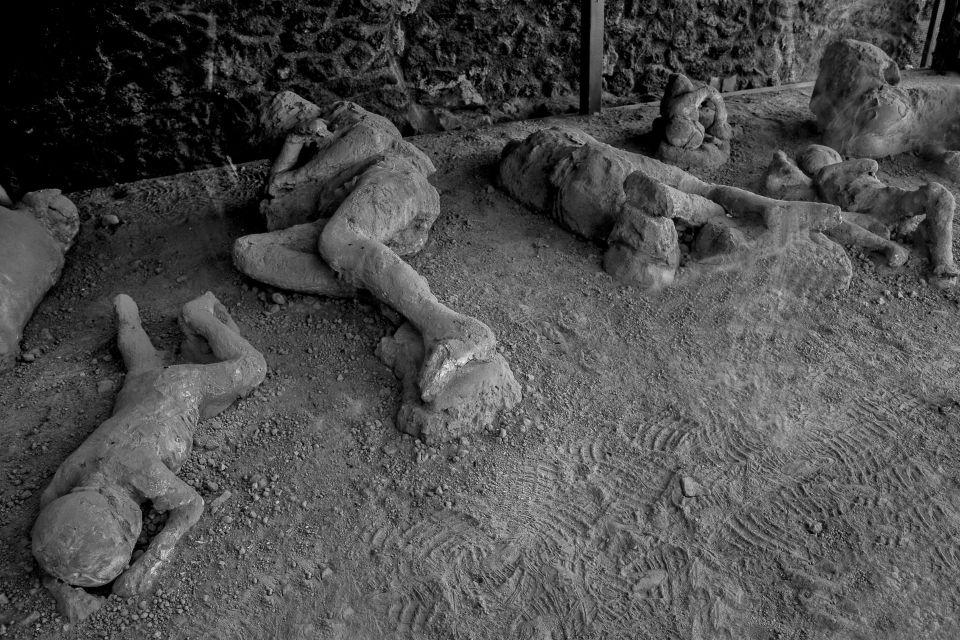
One of the main stops is the forum. Even if you’ve seen photos, the forum lands differently in person. It’s the kind of space that helps you understand Pompeii not just as ruins, but as a functioning city.
In this tour, the archaeologist connects what you see to daily life. You’ll hear explanations that frame the forum area as a place where people gathered and acted out ordinary routines—markets, announcements, and the social side of public space.
Here’s what I like for your experience: you’re not just getting dates and facts. You’re getting a way to look. After this part, you’ll be better at spotting how layout and architecture shaped movement and behavior.
Suburban baths: the surprisingly human side of Pompeii
After the forum area, you move toward the suburban baths. Baths may sound like a niche stop until a guide points out how central bathing and relaxation were to everyday life. These spaces also help you grasp how Roman culture worked in a practical, not textbook-only, way.
The guide’s role is key here. Baths can be hard to visualize when you’re standing in ruins, with walls and rooms missing. With explanations in the right places, it becomes easier to picture what sections were used for what, and how people moved through the space.
If you’re someone who learns better by seeing a scene and not just memorizing terms, this stop is one of the best reasons to choose a guided format. You’re turning “stony remains” into a believable routine.
Plaster casts: why the eruption story feels personal
The tour includes the plaster casts, one of Pompeii’s most sobering and memorable areas. Even without getting lost in technical details, the guide helps you connect the casts to the wider narrative of the eruption and its effects in 79 A.D.
This is where the tour’s pacing earns its keep. You’re not rushing through everything, and you’re not leaving this portion without context. The archaeologist’s explanations help you understand why these figures matter and what they reveal about that day.
A practical note: this portion can feel emotionally intense. If you prefer a calmer experience, you may want to take a slower moment here. Also, don’t be afraid to ask the guide to repeat key context; clear explanations help the experience land without confusion.
Hearing 79 A.D. explained in the same place you’re standing
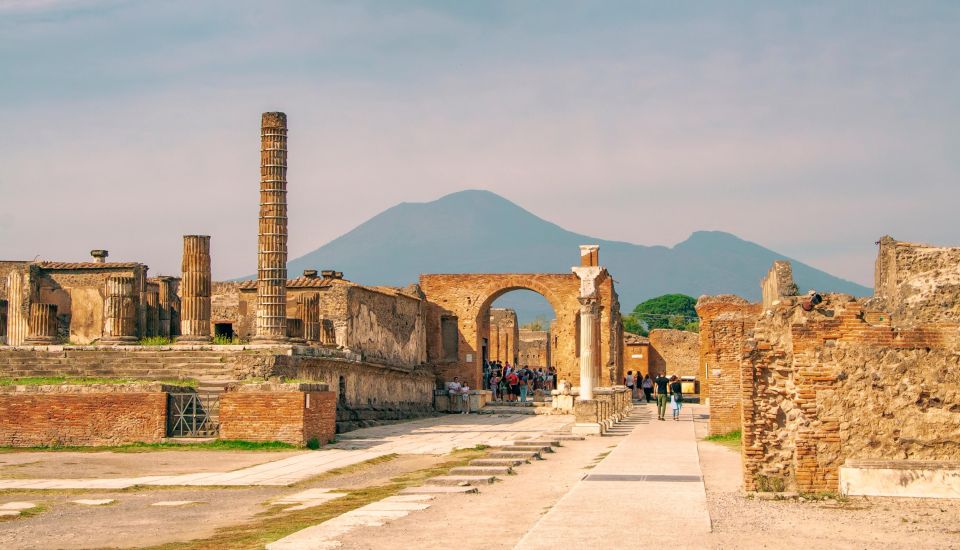
One standout benefit is that the tour ties the eruption story directly to what you’re seeing. Instead of treating 79 A.D. as a separate chapter, the guide folds it into the route, so each stop supports the bigger picture.
You’ll learn the highlights of the Vesuvius eruption in a way that feels connected to daily life. That makes the tragedy easier to understand—not just as a date, but as an interruption of a city that was busy right up until it wasn’t.
If you’ve ever visited a site and felt like the guide’s story didn’t match the physical spaces, this is the opposite. The explanation is anchored to the ruins you’re actively walking through.
Small-group format: why up to 16 people feels better here
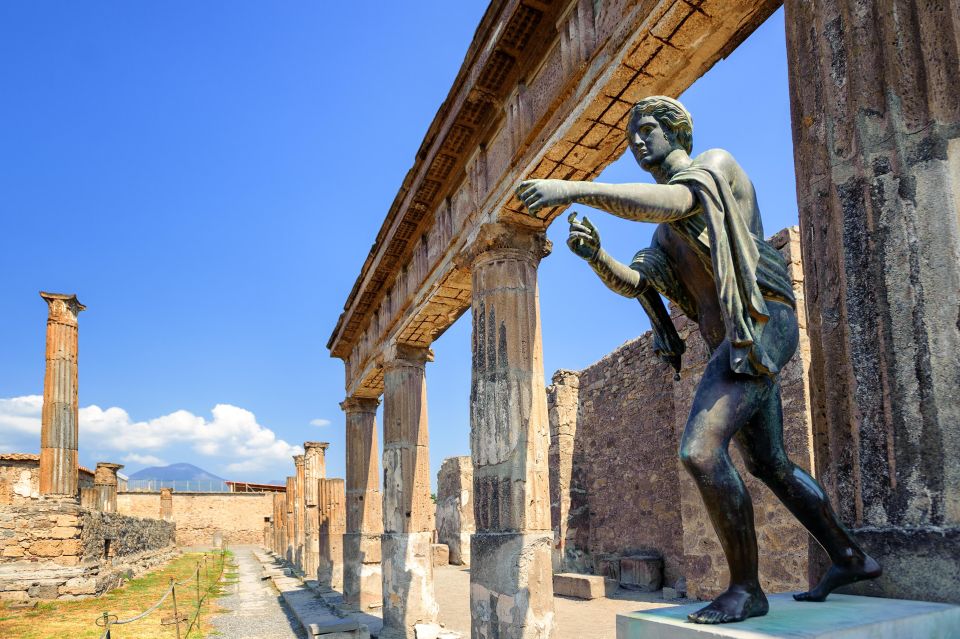
This is a shared tour with a maximum of 16 people. That group size is a real advantage in Pompeii, where the space can feel tight and the route is all walking.
Small-group also changes the “feel” of the visit. Your guide can keep your attention on what matters next instead of trying to manage a crowd. It’s also easier to ask a question without waiting for the guide to finish a long speech.
Guide style can vary, but the pattern you’re aiming for is clear: a mix of explanation and human tone. For example, Imma has been noted for combining information with a friendly delivery and switching between Italian and English depending on the group. Roberta/Robin has also led English-language groups effectively. If you get that kind of guidance, you’ll get more out of every stop.
What’s included with the $64 price—and why that’s the real value
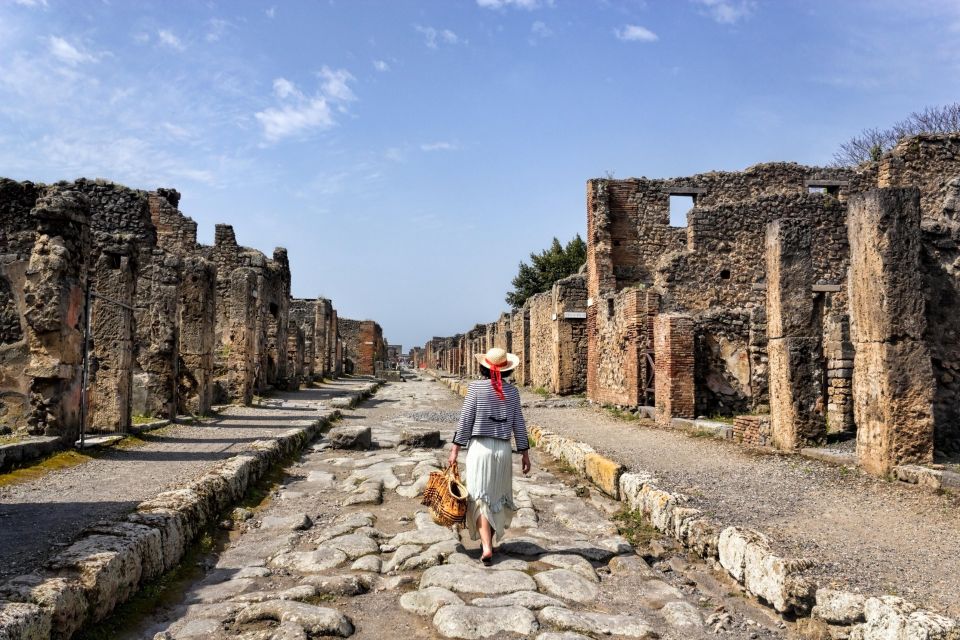
The price is $64 per person for a 2-hour guided tour with a regional archaeologist, and it includes your entry daily ticket. That makes the math simpler than many tours where you pay a guide fee on top of admission.
So what are you truly buying? You’re paying for three things that matter in Pompeii:
- Time saved by skipping the main entrance queue
- A trained archaeologist who explains how the spaces connect to real Roman life
- A focused route that hits key areas without forcing you to plan every step on your own
Could you do Pompeii on your own for less? Maybe, but you’d be trading away guided context and the time saved at the gate. For many first-timers, those two benefits alone are worth it.
Also, the tour is short enough to feel doable even with jet lag or a busy itinerary. Two hours is the sweet spot when you want a structured start and then the freedom to explore deeper after.
Villa of the Mysteries is not included: plan your second act
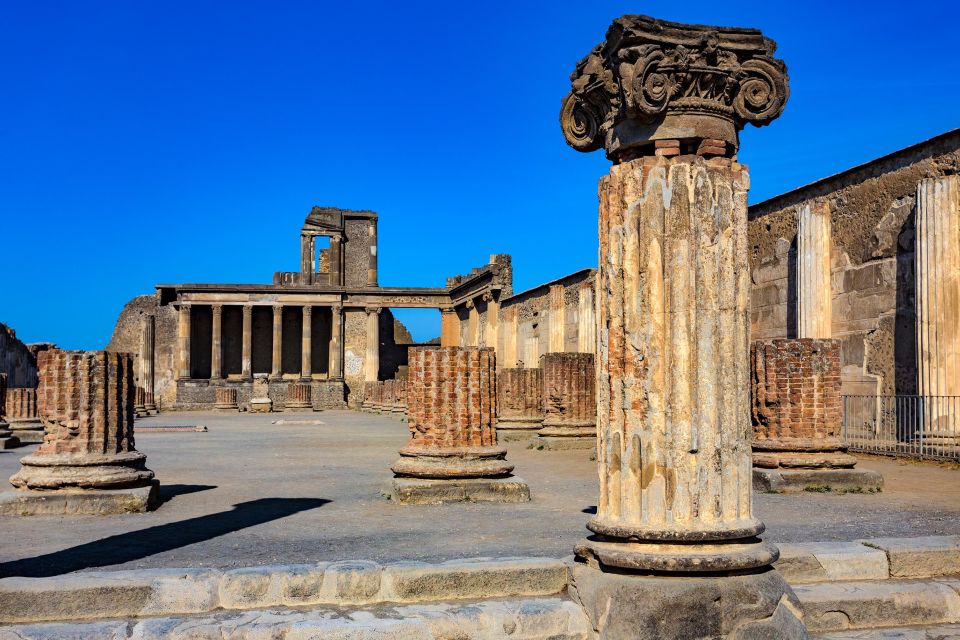
Not included: the Villa of the Mysteries. That matters because it’s one of the most talked-about stops in Pompeii.
This tour is built to cover the most important and evocative areas within its 2-hour window, but you should expect it to cover only a portion of the wider site. One helpful detail to keep in mind: it’s roughly about a quarter of the park, so you’ll likely want a map and a strategy for what to see next.
If the Villa of the Mysteries is on your must-see list, schedule it after the guided portion. Ask your guide at the end for the best way to fit it in, or prioritize which areas you want before you plan your route around the rest of the park.
After the tour: stay inside and explore like you know the place
Once the tour ends, you can stay inside Pompeii as long as you want. You can also ask your guide for recommendations on other important sights in the surrounding area.
This is where you get to personalize. The guided walk gives you anchors—forum area, suburban baths, plaster casts, and the eruption context. Then you can decide what you want to spend extra time on without starting from zero.
If you want to get your bearings fast, make a simple plan before you leave the guide. Pick one additional highlight you care about, then use a site map to navigate. That way, your self-guided time feels intentional instead of scattered.
Should you book this Pompeii archaeologist tour?
Book it if you want a structured, time-efficient Pompeii experience with an archaeologist who explains what you’re standing in front of. It’s especially worth it if you hate wasting half your morning just waiting at an entrance, or if you want the 79 A.D. story connected to the spaces where it matters.
Skip it or pair it differently if you already know Pompeii well and you’re set on seeing specific extras like the Villa of the Mysteries on your own timeline. In that case, you might still book for the orientation value, but plan your second visit portion clearly.
FAQ
Does the tour include Pompeii entry?
Yes. The price includes your entry daily ticket.
Where do I meet the guide?
Meet at the main entrance of the ruins called Porta Marina Superiore.
Is there a skip-the-line benefit?
Yes. You’ll skip the long queue at the main entrance and use an express security check.
How long is the tour?
The guided experience lasts 2 hours.
How big is the group?
It’s a shared small group with a maximum of 16 people.
Is the guide an archaeologist?
Yes. The tour is led by a regional archaeologist.
Which languages are offered?
The live guide is available in English and Italian.
Does the tour include the Villa of the Mysteries?
No. The Villa of the Mysteries is not included.
Will I be able to stay inside Pompeii after the tour?
Yes. After the tour, you can remain in the ruins as long as you want and ask for recommendations.
What if I need to change plans?
Free cancellation is available up to 24 hours in advance for a full refund.
How much context do I get about the eruption?
The guide explains the highlights of the Vesuvius eruption in 79 A.D. as part of the walk.