REVIEW · BAIA
Napoli: Discover Scuba Diving in the Park of Baia
Book on GetYourGuide →Operated by Sea World Diving Baia · Bookable on GetYourGuide
Baia is not your average underwater tour. You’ll get your first breath of scuba air inside an ancient Roman city that’s literally preserved under the sea, thanks to local geology. I love the mix of real-world safety training plus a guided plan that stays hands-on, and I love how the submerged ruins feel unique compared with typical aquarium-style sightings. One thing to consider: weather can affect the schedule, and you’ll need to be ready for a change of plans.
What makes this experience special is the setting. You start with a short theory and equipment rundown, then you head by boat to a protected archaeological area where mosaics, marble floors, and statues sit around you at a gentle depth. The group is small (up to 4), and the instructors are right there with you through the whole underwater portion.
In This Review
- Key highlights you’ll care about
- First Try Scuba in Baia’s Submerged Roman Streets
- Safety Setup: E-Learning, Medical Form, and Hands-On Coaching
- The Day’s Flow: What Happens Before, During, and After
- Stop 1: Via Lucullo, 110
- Stop 2: Baia (about 1 hour class)
- Stop 3: Submerged Archaeological Park of Baia (about 1 hour underwater block)
- Stop 4: Baia break time (about 1 hour)
- Stop 5: Return to Via Lucullo, 110
- The Underwater Site: Why the Roman Villas at 4 Meters Down Feel Unreal
- Equipment, Comfort, and What You Should Pack
- Instructor Support in a Small Group (Up to 4)
- Certification Value: Your PADI Open Water Training Advantage
- Price and Value: What $45.31 Buys You
- Weather, Routes, and How to Choose What You’ll See
- Should You Book This Baia Scuba Introduction?
- FAQ
- Do I need a scuba license for this experience?
- How long does the whole activity take?
- What is the minimum age to participate?
- What should I bring with me?
- What’s included in the price?
- How long will I be underwater?
- Do I get a certificate after the session?
- What languages are available for the instructors?
- Is it wheelchair accessible?
Key highlights you’ll care about
- First-try scuba experience with no license required, aligned with PADI standards
- Underwater time is about 45 minutes, guided along set routes in the park
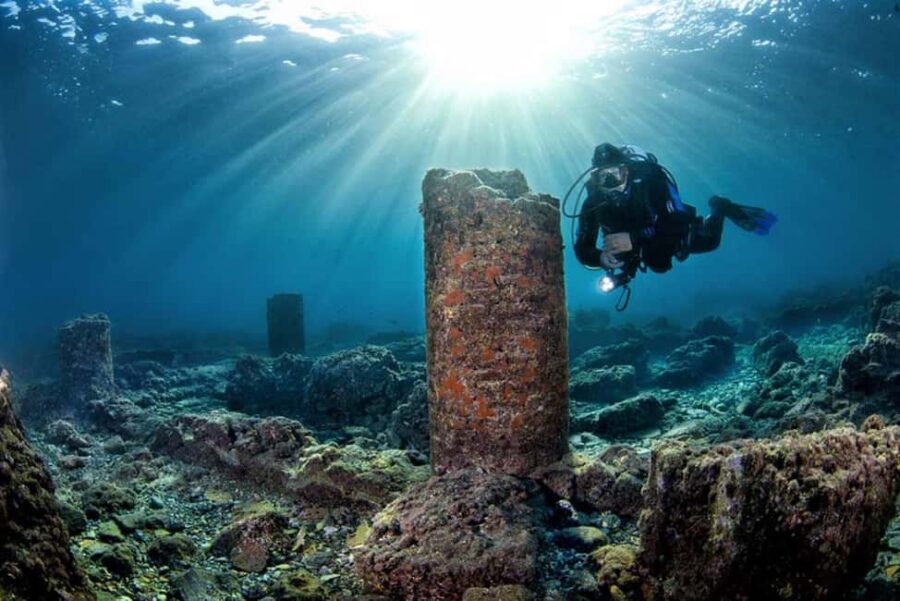
- You’ll see Roman villas now about 4 meters underwater due to bradisism
- Small group size, limited to 4 participants
- Full equipment rental, tank refill, showers/changing rooms, and post-session refreshments included
- A participation certificate that counts toward PADI Open Water Diver training
First Try Scuba in Baia’s Submerged Roman Streets
This is the kind of activity that sounds almost too specific until you picture it: you’re in Campania, on the coast of Baia, and then—after basic instruction—you put on scuba gear and look at an ancient Roman neighborhood underwater.
The Archaeological Park of Baia is special because it isn’t just a few sculptures scattered in sand. It’s a whole submerged environment tied to the Phlegrean Fields and strong volcanic activity in the area. Over time, the slow sink of the shoreline (bradisism) placed structures that once faced the sea about 4 meters down. That slow movement is what kept so much visible and preserved.
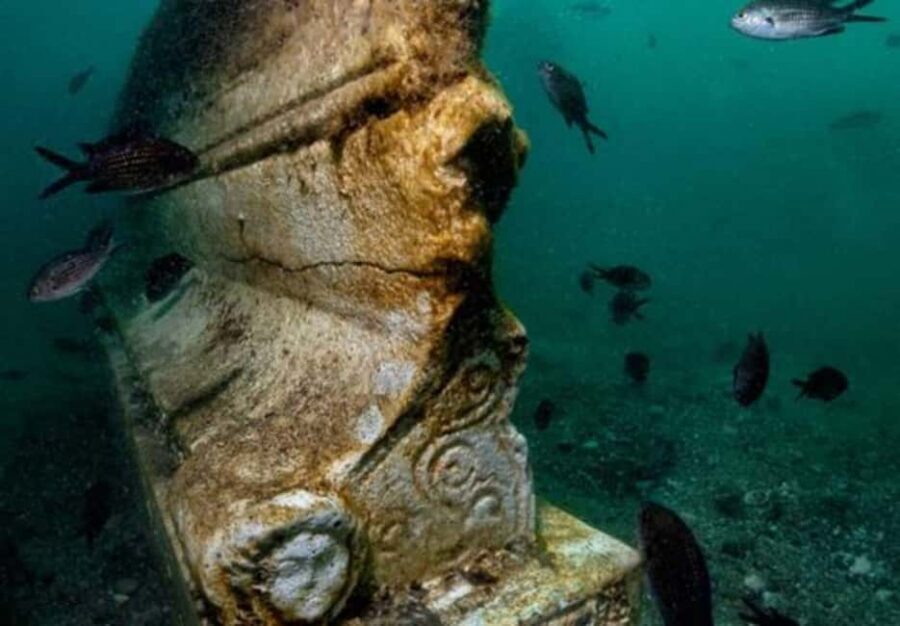
You’ll also get the sea-life side of the deal. On the water, it’s quiet in a way that makes your breathing feel louder. Underwater, you’re usually focused on control and buoyancy, but the park still delivers plenty to look at: fish moving near the ruins, underwater growth at the surface, and statues with details still readable.
If you’re a first-timer, you’ll appreciate that the experience is designed as a true introduction: instruction first, then guided support the whole way. If you’re already certified, there’s an option for you too, so you’re not forced into the basics-only rhythm.
Safety Setup: E-Learning, Medical Form, and Hands-On Coaching
Safety here isn’t a “good luck” vibe. You start with a short medical assessment step and a brief e-learning portion you’ll keep access to. After booking, you’ll receive a link to register and fill out a medical form. The team uses that information to decide whether a medical exam might be required (it’s described as usually none, but the check exists).
Once you arrive, there’s also an in-person theoretical lesson. This is where you learn basics: how to use the equipment, how to behave in the water, and what “good” looks like when you’re learning your first underwater routine. The goal is simple: help you feel comfortable and safe before you ever enter the park.
One extra detail I like: your instructor stays close and supports you throughout the underwater session. The program specifically mentions instructors holding you by hand for support and maximum comfort. That matters because “first time” is often less about courage and more about getting through the first minutes without panic or awkwardness.
You might even be taught by a friendly instructor such as Alessandro, who’s noted for taking care of people and keeping the experience safe.
Who should skip this? The data is clear:
- Not suitable for children under 10
- Not suitable for pregnant women
And while you’re underwater, you’re asked not to touch marine life. That’s both for safety and for protecting the site.
The Day’s Flow: What Happens Before, During, and After
The schedule is built to prevent you from feeling rushed.
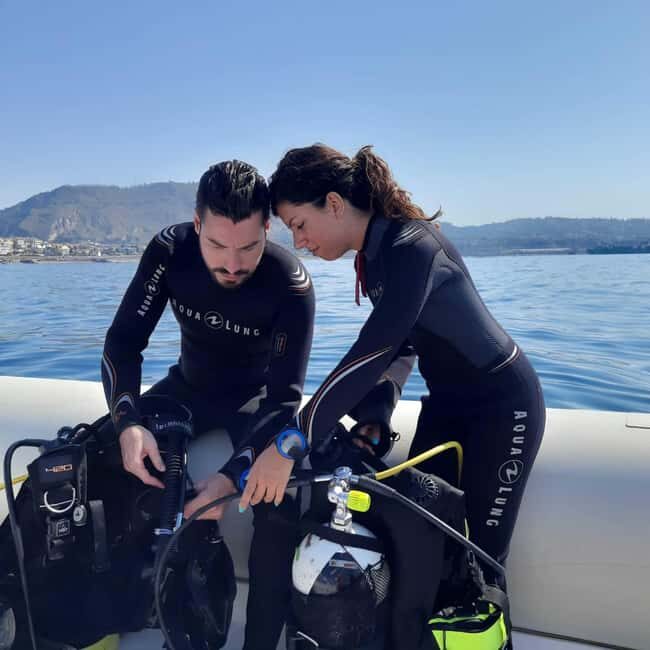
You meet at the scuba center at Via Lucullo, 110, a few steps from the Temple of Venus at the entrance to the Baia pier. You’ll find the team easily because of PADI flags.
Stop 1: Via Lucullo, 110
This is where you get oriented and start the program.
Stop 2: Baia (about 1 hour class)
You’ll do the in-person theory session here. Expect it to be practical: equipment, basic safety rules, and water behavior. This is also the stage where you can ask questions before you commit to the underwater part.
Why this helps: a calm first lesson means the next step feels more like a guided activity and less like a leap.
Stop 3: Submerged Archaeological Park of Baia (about 1 hour underwater block)
You travel by boat to the park. The underwater portion is approximately 45 minutes, following one of the park’s visit routes. The route duration is about one hour in total for that park segment, with the underwater time inside it.
A useful detail: instructors guide you along the park’s predisposed routes, and you’ll be supported the whole time. That reduces decision-making pressure and keeps you focused on enjoying the ruins.
Stop 4: Baia break time (about 1 hour)
After you surface and change, there’s a break period. You’ll have time to reset, use the showers and changing rooms, and catch your breath. In most cases, refreshments are included after the session.
Stop 5: Return to Via Lucullo, 110
You finish back at the meeting point.
Total time is listed as 3 to 4 hours, depending on starting time and conditions. That’s a manageable block even if you’re already sightseeing in Naples or around the Phlegrean coast.
The Underwater Site: Why the Roman Villas at 4 Meters Down Feel Unreal
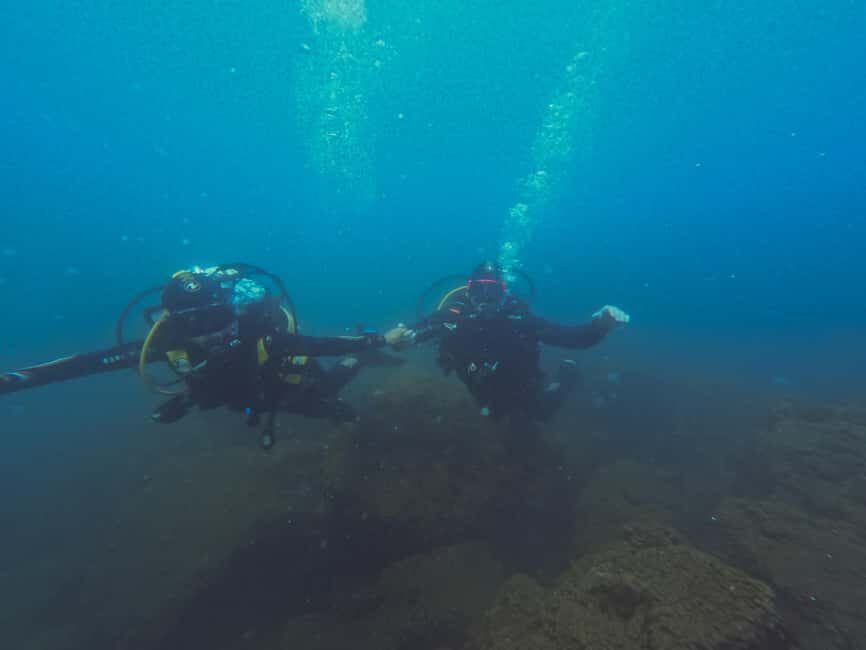
This is the core reason you book Baia instead of any generic first-scuba experience.
The Roman city you’re visiting had a reputation for luxury, and today parts of it lie underwater. The park’s structures include underwater architectural elements like Roman villas and other built surfaces. The program notes the sea has preserved them in a remarkable way over decades and centuries.
The science behind the visuals is bradisism. In simple terms: the ground level slowly sank, so shoreline-facing structures became submerged. That’s why the villas are described as around 4 meters underwater today.
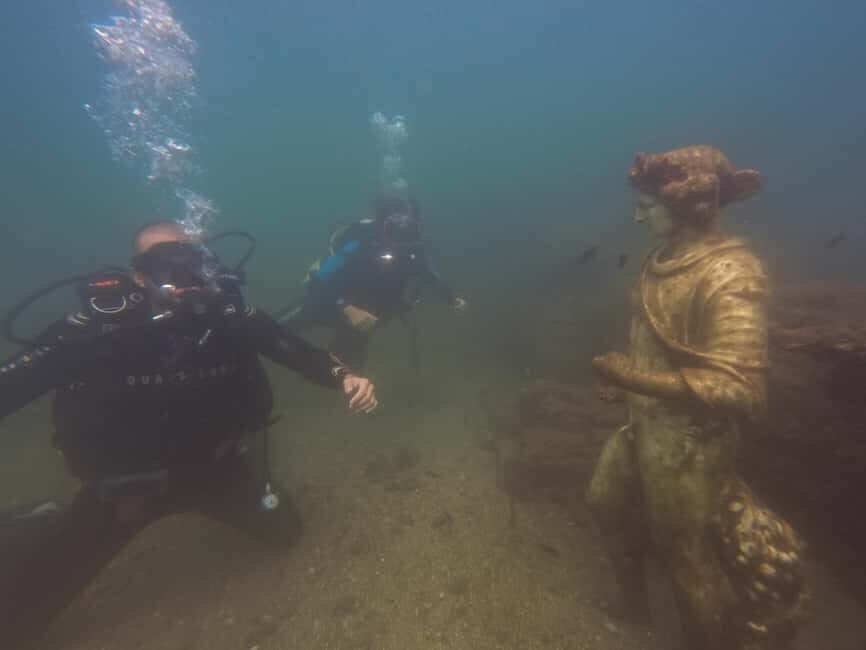
What it feels like matters as much as what it is. People describe the underwater soundscape as dominated by breathing oxygen and bubbles, with a sense of silence that makes the ruins seem “sleeping.” You may also notice subtle patterns—like tile shapes—still visible on the floors, plus statues that are partially broken but still beautiful.
And you get fish activity around the statues and structures, including small moments that make you look twice—like fish appearing to interact with objects. (Don’t expect controlled feeding scenes. This is natural sea-life around ancient masonry.)
This combination is why first-timers often get hooked. It’s not only the feeling of breathing underwater. It’s the feeling of being in a place with meaning, not a single photo backdrop.
Equipment, Comfort, and What You Should Pack
The team provides the full scuba equipment, regularly revised and cared for. They also handle the tank refill and boat transfer to the dive site.
Your job is mostly comfort and hygiene:
Bring:
- Sun hat
- Swimwear
- Change of clothes
- Towel
- Sunscreen
Plan to wear swimwear because you’ll need it for entry into the water and you’ll likely want something dry and comfortable afterward.
The program includes showers and changing rooms back at the center. That’s a real quality-of-life detail if you’re continuing your day after the experience.
One more note: alcohol and drugs are not allowed. Keep it simple and clear-headed on the day you learn scuba basics.
Instructor Support in a Small Group (Up to 4)
This isn’t a cattle-call. The group limit is 4 participants, which usually means you’ll get attention if you need it.
For me, that matters in two ways:
- It makes the theory session feel more like instruction than lecture.
- It increases the odds you’ll get steady reassurance during the underwater portion.
The plan also specifies instructors staying close—holding you by hand for support. That’s not a minor detail. Handholding is how you turn a first-time experience into something you can relax inside.
If you’re nervous, this small-group format is one of the strongest reasons to pick this program over larger operations.
Certification Value: Your PADI Open Water Training Advantage
This is where the “first experience” angle becomes practical.
After you complete the underwater session, the instructor issues a participation certificate. The important part: it counts as a first dive of a PADI Open Water Diver (OWD) course, not only with this provider but with any PADI diving center worldwide.
So if you want to continue scuba later, you’re not just buying a one-off memory. You’re building toward a recognized training path.
If you’re already certified, the program notes there’s an option for certified divers as well—so you can still get a Baia-ruins underwater experience without going through the same introductory steps.
Price and Value: What $45.31 Buys You
At about $45.31 per person, this is priced like a beginner-friendly introduction, but the value comes from what’s included—not just the basics.
Included items you should take seriously:
- E-learning (kept accessible to you forever)
- In-person lesson and good-practice instruction
- Full scuba equipment rental
- Tank refill
- Personal medical insurance
- Instructor support through the activity
- Boat transfer to the underwater site
- Showers and changing rooms
- Participation certificate toward PADI Open Water Diver training
- Post-session refreshments
When you compare that to typical snorkeling gear rentals or basic activity pricing, the equipment + instructor time + boat logistics + certification credit adds up.
The main cost you may need to plan for separately is getting to the center:
- Bus: about 2.5 euros; stop is right in front of the diving/scuba center
- Train: about 15 minutes walk
- Taxi: around 70 euros from Naples
The experience provider says they’ll help if you need guidance, and pickup by boat is available for personal dives starting around 150 euros (prices vary).
Also note that entrance to other nearby archaeological sites you may spot at a distance isn’t included, and the Temple of Venus is currently closed to public visits (you’ll still see it from outside).
If you already have transport and want a legit structured introduction, this price looks like a strong deal.
Weather, Routes, and How to Choose What You’ll See
The park has multiple visit routes. In this program, you visit only one route at a time, and each park route lasts about one hour. If you have preferences—what kind of structures you want to prioritize—you can tell the team so they can schedule your best match.
One practical note: the plan may change based on meteorological conditions. That’s worth respecting when you’re booking alongside other Naples plans.
If you can, keep your day flexible. The underwater portion is the main event, so you’ll want a buffer before or after, just in case.
Should You Book This Baia Scuba Introduction?
Book it if:
- You want your first underwater experience with instruction before entry
- You care about seeing a real submerged Roman site rather than a generic underwater attraction
- You like the idea of a small group (max 4) and close instructor support
- You think you might continue scuba later, because the certificate counts toward PADI Open Water Diver training
Skip it if:
- You’re under the minimum age of 10
- You’re pregnant
- You don’t want to handle pre-session medical paperwork and a short theory lesson
- You’re relying on a tight schedule and can’t tolerate weather-related changes
If you’re coming from Naples, plan your timing so you actually arrive calm and ready at Via Lucullo, 110. Once you’re there, this experience is straightforward: training, boat ride, guided underwater time in an ancient city, and then showers plus a reset.
This isn’t just about learning scuba gear. It’s about getting your bearings fast in a place that feels historic and strange in the best way—Roman stones under your hands, bubbles rising, and a quiet world that makes you slow down.
FAQ
Do I need a scuba license for this experience?
No. It’s described as a first try scuba session with no license required.
How long does the whole activity take?
The experience lasts about 3 to 4 hours total. The underwater portion is approximately 45 minutes, and there’s also a class and a break.
What is the minimum age to participate?
The minimum age is ten years old.
What should I bring with me?
Bring a sun hat, swimwear, a change of clothes, a towel, and sunscreen.
What’s included in the price?
Included items are the e-learning, the in-person lesson, full scuba equipment rental, tank refill, personal medical insurance, a personal instructor, boat transfer, showers and changing rooms, participation certificate, and post-session refreshments.
How long will I be underwater?
The underwater session is approximately 45 minutes.
Do I get a certificate after the session?
Yes. You’ll receive a participation certificate that counts as a first dive of a PADI Open Water Diver course.
What languages are available for the instructors?
Instructors are available in English, Italian, and Spanish.
Is it wheelchair accessible?
Yes, the activity is described as wheelchair accessible.