REVIEW · AMALFI
Amalfi: Vertical Lemon Farm Tour, Tastings, and Rural Museum
Book on GetYourGuide →Operated by AMALFI LEMON EXPERIENCE · Bookable on GetYourGuide
Amalfi’s lemons taste like the hills. This 1.5-hour guided walk takes you through a vertical lemon grove on terraced slopes above the town, centered on Sfusato Amalfitano lemons and the family that’s grown them for six generations. You get real context for why Amalfi lemons matter, beyond souvenir talk.
What I like most is the combination of scenery and story: you’re shaded by lemon trees, you learn how the farming works, and you hear about the challenges growers face today. I also like that the visit doesn’t stop at tasting; you’ll get hands-on time around the on-site limoncello process and a rural arts-and-crafts museum.
One drawback to plan for: this is uphill walking. You’ll need comfortable, grippy shoes for steep stairs, and the tour isn’t suitable for wheelchair users or people with certain medical needs.
In This Review
- Key highlights worth penciling in
- Walking a Vertical Lemon Grove Above Amalfi
- Meet the Family Behind Six Generations of Sfusato Lemons
- From Terraces to Protected Name: What You Learn on the Walk
- The Tasting Stop: Lemon Cake, Lemonade, and Limoncello
- Inside the Limoncello Laboratory and Factory
- The Rural Arts-and-Crafts Museum That Puts Tools in Context
- Practical Tips for Finding the Shop and Walking Up
- Value Check: Is $41 a Good Deal?
- Who Should Book (and Who Should Skip This Walk)
- Should You Book This Amalfi Lemon Experience?
- FAQ
- How long is the Amalfi Lemon Farm Tour?
- What does the tour include in terms of tastings?
- Do you visit a limoncello laboratory or factory?
- Is there a museum included?
- Where is the meeting point?
- Is the tour guide in English?
- What should I wear or bring?
- Are pets allowed?
- Is the tour suitable for wheelchair users or people with mobility issues?
- Is the activity family-friendly for young children?
Key highlights worth penciling in

- Vertical terraced lemon grove views on the Amalfi hillside
- Hosted by a 6-generation lemon-farming family
- Organic farm tastings like lemon cake, lemonade, and limoncello
- Limoncello laboratory and production secrets at the on-site facility
- Rural arts-and-crafts museum showing tools, equipment, and documents
- Time for questions and photos while you walk through the orchard
Walking a Vertical Lemon Grove Above Amalfi
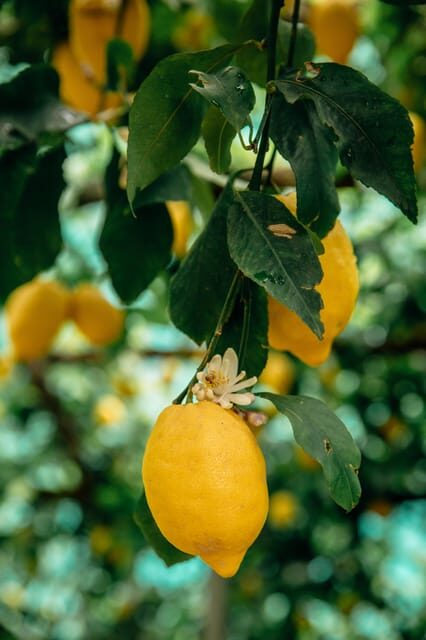
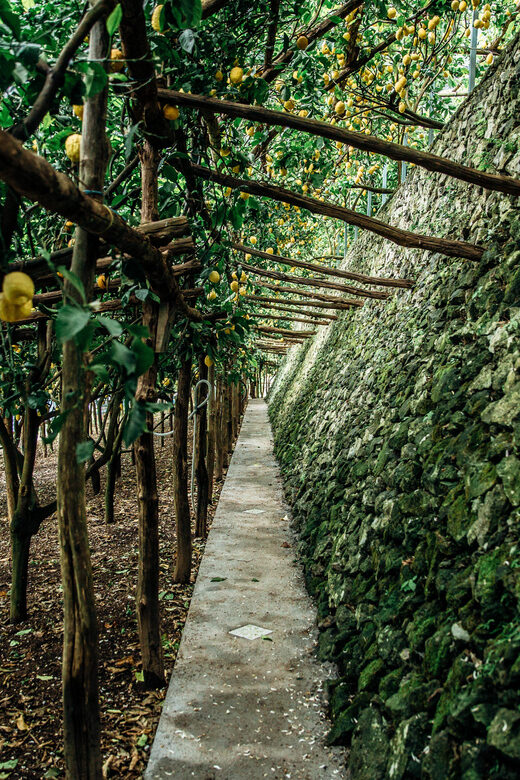
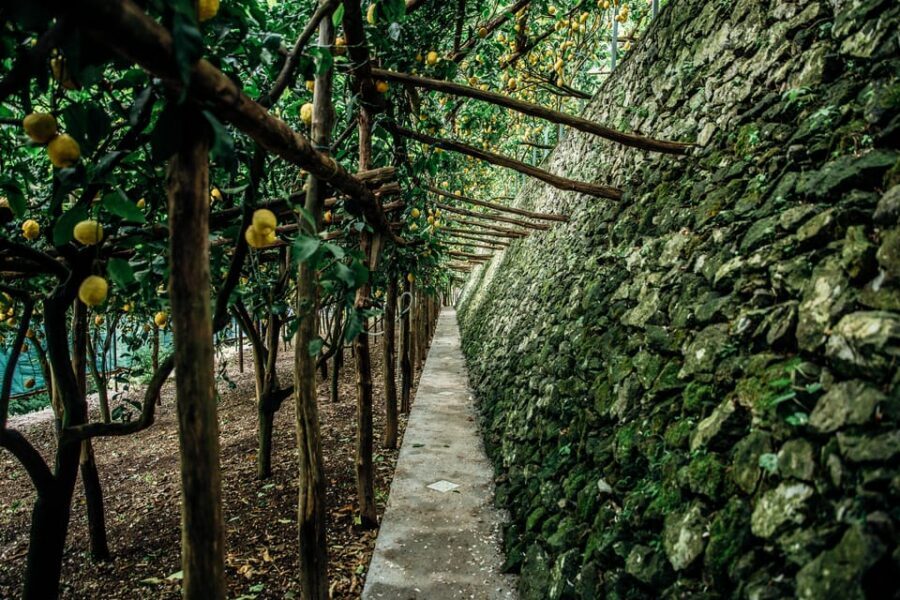
If you picture Amalfi as cliffs, boats, and lemons in postcards, this tour gives you the lemon part in a way that feels grown-up and practical. You start at the Amalfi Lemon Experience shop on Via delle Cartiere, then head into the hills where the lemon trees climb upward in terraces carved over centuries.
The walk is short enough to fit into a busy day, but it’s real walking. Expect gradual shade from the trees, plus sections with steep stairs. That matters because it’s not a sit-and-stare “view tour.” The farming shapes everything: where the trees are, how they’re cared for, and what kind of work it takes to keep production going year after year.
And visually, it’s a treat. The terraces create a repeating pattern of branches and fruit, with glimpses back toward Amalfi whenever you pause for photos. If you like food travel that actually connects to place, this is the kind of stop that makes you understand what’s behind the flavor.
You can also read our reviews of more tours and experiences in Amalfi.


Meet the Family Behind Six Generations of Sfusato Lemons
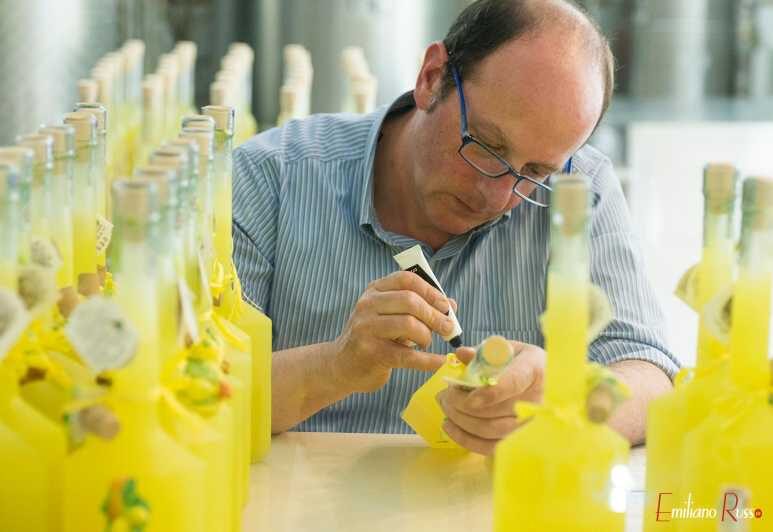
The heart of the experience is the family hosting the tour. You’re guided through their working farm by people who farm lemons in Amalfi for six generations, so you’re not just hearing facts—you’re hearing the lived version: what’s changed, what’s stayed, and where effort gets spent.
This is also where the vibe feels honest. The tour focuses on the realities of farming rather than only the romantic parts. You learn about how the lemons ripen in the Italian sun, what workers do to care for the trees, and why consistent quality takes more than good weather.
Two guide names come up often in the experience: Elvira and Georgia. Both have been singled out for explaining the farm in a clear, friendly way and for answering questions while you walk. That question time is a big deal—if you’ve ever wondered how limoncello goes from fruit to bottle, you’ll want that back-and-forth with a real person on the ground.
From Terraces to Protected Name: What You Learn on the Walk
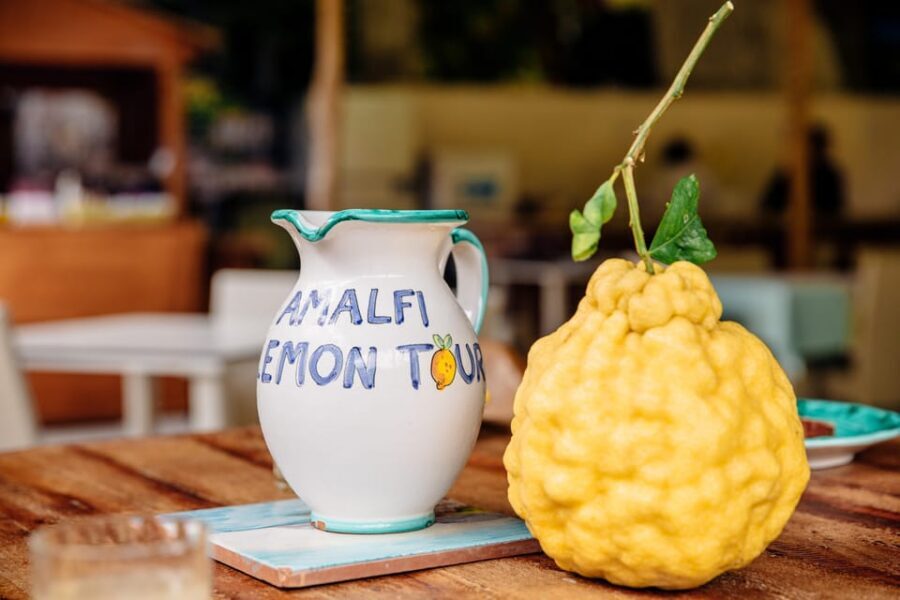
As you move through the grove, you’ll learn what makes Amalfi lemons distinct. The focus is on Sfusato Amalfitano lemons, prized for limoncello. You’ll also hear how lemon cultivation reached Amalfi and why the product has recognition tied to geography—specifically, European Protected Geographical Indication.
Why should you care about that? Because it’s the difference between generic lemon flavor and the specific profile people associate with classic Amalfi limoncello. Protected designation matters because it connects the fruit type, the growing area, and traditional methods. You don’t need to memorize paperwork, but you do benefit from understanding why locals take the lemon seriously.
You’ll also get context on the farm itself: terracing isn’t just a scenic feature. It’s part of how you farm on steep hillsides, where water, soil, and access all shape day-to-day decisions. Even if you’re not a horticulture nerd, you’ll probably leave thinking about lemons as a system, not just a fruit.
The Tasting Stop: Lemon Cake, Lemonade, and Limoncello
The tastings are the obvious highlight, but the smart part is how they’re timed. You taste after you’ve walked among the trees, so the flavors connect to the work. You’ll sample farm products made from the lemons—think lemon cake, lemonade, and limoncello—and it’s all positioned as farm-fresh.
If you love lemon desserts, you’re in luck. The cake and lemonade are a nice bridge from fresh fruit brightness to richer lemon-forward sweets. And then limoncello lands where it should: after you’ve understood the lemon’s role in the process, you taste it as a result of farming choices, not just a syrupy novelty.
One practical tip: go in ready to pace yourself. You’re sampling multiple items in a short time, while also walking on uneven hillside terrain earlier. Plan to drink water if you can and eat lightly beforehand, especially in warmer months.
Inside the Limoncello Laboratory and Factory
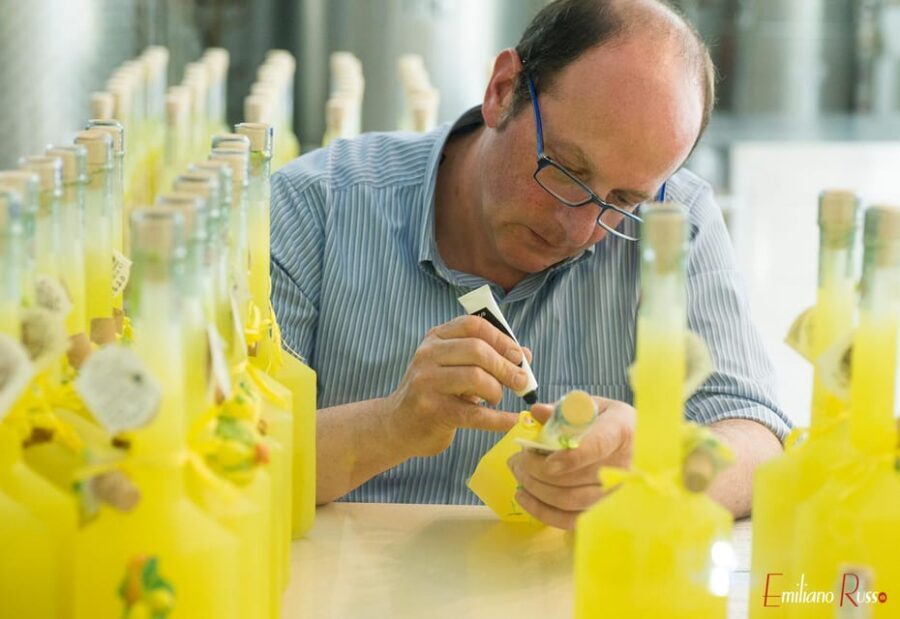
This tour doesn’t treat limoncello as a magic trick. You’ll visit the on-site laboratory where you can learn the secrets behind crafting exceptional limoncello. That’s the part I’d call “value glue” for food travelers: tasting is fun, but understanding the steps is what turns a good stop into a memorable one.
You may also see how the business expands beyond drinks. The visit ties into products such as lemon jam and other lemon-based items like honey. The key is that you’re not only watching production—you’re getting the story of why those products exist within a working farm.
After the tour portion, you’ll likely want to linger in the shop area to buy bottles or specialty items. Some guests have also noted the variety of limoncello options available. If you’re the type who likes bringing home a flavor that actually connects to a specific place, this is where you can do it.



The Rural Arts-and-Crafts Museum That Puts Tools in Context
Not every lemon tour has a museum. This one does, and it’s more useful than you might expect. You’ll explore a museum of rural culture and arts and crafts built to support the lemon story.
The museum focuses on tools of the trade, equipment, and documents connected to lemon production. That shifts your experience from “cute orchard walk” to “agriculture with a paper trail,” showing how knowledge and labor were passed down and recorded.
This museum also helps explain why the family connection matters. It’s one thing to say six generations grew lemons; it’s another to see the tools, documentation, and craft detail that makes that continuity believable. If you enjoy museums but hate feeling stuck in them for hours, this one is short and tightly related to your tasting.
Practical Tips for Finding the Shop and Walking Up
This tour is set up for people arriving without a car inside Amalfi’s center. There’s no car or scooter allowed inside the city center, and parking in Amalfi is limited in high season. The venue also doesn’t have parking, so you’ll want to plan for walking from a nearby drop-off or using public transport.
One very specific tip: if you use Google Maps to find the shop, use walking directions. Driving directions can lead you to a different location.
On what to bring:
- Comfortable, grippy shoes (the tour won’t allow unsuitable footwear)
- Sunglasses and weather-appropriate clothing
- A light layer if the air feels cooler in the hills
On what to expect rules-wise: no pets, no luggage or large bags, and you should not touch plants. There are also dogs that roam freely on the property, so you shouldn’t rely on bringing any other animals.
The tour is about 1.5 hours, but with uneven terrain and steep sections, comfortable pacing is key. If you’re the kind of traveler who packs blister prevention like it’s medication, you’ll be glad you did.
Value Check: Is $41 a Good Deal?
At $41 per person for 1.5 hours, the price makes sense when you break it down into what’s actually included: the vertical grove visit with a live English guide, farm tastings (lemon cake, lemonade, limoncello), a rural culture museum visit, and a visit to the limoncello lab.
Many food tours pay for one piece—either a meal or a factory or a museum. Here, you get all four in one package tied to the same place and same theme. You’re also paying for a family-led explanation of farming, which is different from a scripted tasting in a storefront.
The other value angle is what you can take home. Since you’ll likely have time to buy products directly, your purchase can offset the tour cost if you were already planning to bring back limoncello, jam, honey, or other lemon goods.
If you’re doing the Amalfi Coast for views, that’s fine. But if you want a day that feels like you met the source—this is one of the best ways to do that for the money.
Who Should Book (and Who Should Skip This Walk)
This experience fits best if you:
- Like food and want it connected to the farming behind it
- Enjoy short, guided walking with stops for explanations
- Want a mix of taste plus culture (museum and production)
It’s also a good fit for adults who want something calmer than the main streets. Several guides and guests emphasize the value of seeing a functioning farm rather than only tourist views.
Skip it if you:
- Use a wheelchair (not suitable)
- Have mobility limitations that make steep stairs a problem
- Have heart problems or respiratory issues
- Are over 80 (not suitable)
- Are traveling with young children under 2 years (not suitable)
Also, leave big bags at home. The tour restricts luggage and large items, and it’s easier to enjoy the walk when you’re hands-free.
Should You Book This Amalfi Lemon Experience?
Yes—if you want the real Amalfi lemon story in a tight time window, this is the kind of stop that earns its place. The strongest reasons to book are simple: the vertical lemon grove setting, the family-led farming perspective, and the fact that the tastings come with context in the lab and museum.
I’d book it sooner rather than later in your trip, while you’re still in “amazing food discovery” mode and before your day becomes a blur of transfers and crowds. And if you’re planning your day around Amalfi’s limited parking, treat this as a walk-friendly anchor activity.
If your schedule allows only one “local experience” on the coast, make it this one. Just remember: wear shoes made for hills. Amalfi rewards the prepared.
FAQ
How long is the Amalfi Lemon Farm Tour?
The experience runs about 1.5 hours.
What does the tour include in terms of tastings?
You’ll taste farm products such as lemon cake, lemonade, and limoncello, along with other farm items like lemons and products from the production area.
Do you visit a limoncello laboratory or factory?
Yes. The tour includes a visit to the on-site laboratory/factory area where you can learn about crafting limoncello.
Is there a museum included?
Yes. You’ll visit the Museum of rural culture and arts and crafts, which focuses on tools, equipment, and documents related to lemon production.
Where is the meeting point?
You check in at the Amalfi Lemon Experience shop on Via delle Cartiere, 59.
Is the tour guide in English?
Yes, the tour has a live English-speaking guide.
What should I wear or bring?
Bring comfortable shoes with appropriate grip, sunglasses, and weather-appropriate clothing. Hiking shoes and sportswear are recommended.
Are pets allowed?
No. Pets are not allowed, and there are dogs roaming freely on the property.
Is the tour suitable for wheelchair users or people with mobility issues?
No. It is not suitable for wheelchair users and includes steep stairs.
Is the activity family-friendly for young children?
It is not suitable for children under 2 years.